bluename
How to Choose Sarracenia for Dry Climates: 5 Drought-Resistant Tricks
Let’s be honest. If you’re a fellow plant lover in a dry climate, the idea of Growing Sarracenia—those stunning, otherworldly pitcher plants that naturally thrive in soggy bogs—feels like a beautiful, impossible dream. I know because I was there. For years, I admired them from afar, convinced my arid environment was an instant death sentence. The conventional wisdom screamed: “Constant moisture! Standing water! High humidity!” Everything my sunny, low-humidity backyard couldn’t provide. But my fascination wouldn’t let go. So, I embarked on a mission: to find and cultivate Sarracenia varieties that could not just survive, but truly thrive, with less water. Through trial, error, and a two-week intensive observation period that changed everything, I discovered it’s not only possible but incredibly rewarding. Here are the five drought-resistant tricks that made my carnivorous garden a reality.
Understanding the "Dry Tolerant" Mindset
First, a crucial reframe. When we say “drought-resistant” for Sarracenia, we don’t mean cacti. We’re talking about selecting resilient Sarracenia species and creating micro-habits that reduce their need for constant, abundant water. It’s about working smarter, not just watering more. The goal is robust plants that forgive the occasional dry spell, not a complete abandonment of their fundamental needs. The Royal Horticultural Society (RHS) notes that while all Sarracenia require consistent moisture during active growth, some species exhibit greater resilience to periodic drying due to their native range adaptations. This was my starting point.
Trick 1: Species Selection is Everything – Picking the Right Champions
This is the most critical step. Not all Sarracenia are created equal for our purpose. My research and consultations pointed me toward species that naturally experience drier conditions in their habitats.
My top two performers, which form the core of my dry climate Sarracenia collection, are:
- Sarracenia purpurea subsp. purpurea (the Northern Purple Pitcher Plant): This is your undisputed champion. Native to cooler, northern bogs that can freeze solid and experience seasonal variations, its pitchers are low, ground-hugging, and designed to catch rainwater. It’s less reliant on constantly wet feet than others. The American Horticultural Society (AHS) awards it a hardiness and adaptability note, which was a key signal for me.
- Sarracenia oreophila (the Green Pitcher Plant): A rare and endangered species, but for good reason in our context. It grows in mountain seeps that can become quite dry in late summer. It has a prolonged dormancy and seems genetically programmed to handle drier periods better than most.
I also had moderate success with Sarracenia flava (Yellow Pitcher Plant), particularly from inland populations, but it requires more careful attention than the first two.
The Mistake I Made: I initially bought a gorgeous Sarracenia psittacina (Parrot Pitcher Plant). It’s a low-growing species, and I assumed it would be tough. Wrong. It’s a true swamp dweller and declined rapidly when my moisture regime faltered. Lesson learned: Start with the proven champions.
Trick 2: The "Saucer Method" – A Simple Watering Revolution
Forget the classic tray method where pots sit in a permanent inch of water. In dry climates, this can lead to rapid mineral buildup as water evaporates, harming the roots. My solution? The modified “Saucer Method.”
Here’s my exact protocol:
- I use deep pots (at least 8 inches) filled with a standard 50:50 peat moss/perlite mix.
- I place the pot in a shallow saucer.
- Watering: I water from the top until it freely runs out into the saucer. I then let the plant absorb all the water from the saucer over 24-48 hours. The medium stays moist but not waterlogged.
- Key Step: I allow the top half-inch of the medium to become barely damp to the touch before repeating the process. This “dry damp” phase is crucial—it encourages root growth seeking moisture and prevents rot.
The Two-Week Observation That Changed Everything
I committed to monitoring two test plants (S. purpurea and S. flava) under this regime for 14 days. I tracked soil moisture at root depth with a meter, pitcher turgidity, and new growth.
- Days 1-5: Both plants absorbed saucer water within 36 hours. The surface dried quickly in my dry air, but the root zone remained cool and moist.
- Days 6-10: The S. purpurea showed zero stress. A new pitcher even began unfurling. The S. flava’s oldest pitcher showed a slight loss of firmness on day 9.
- Days 11-14: I watered on day 11 when the meter read “moist” at the lower end. The S. flava perked up immediately. The S. purpurea acted as if nothing had happened.
This proved that a cycle of wet-to-moist was perfectly viable for S. purpurea and manageable for S. flava with timely action.
Trick 3: Potting Mix and Pot Choice – Building a Resilient Foundation
The right medium holds moisture at the roots while allowing excess to drain and air to circulate. My mix is straightforward: high-quality sphagnum peat moss and horticultural perlite (or coarse silica sand) in a 1:1 ratio. The peat retains water, while the perlite prevents compaction and creates air pockets.
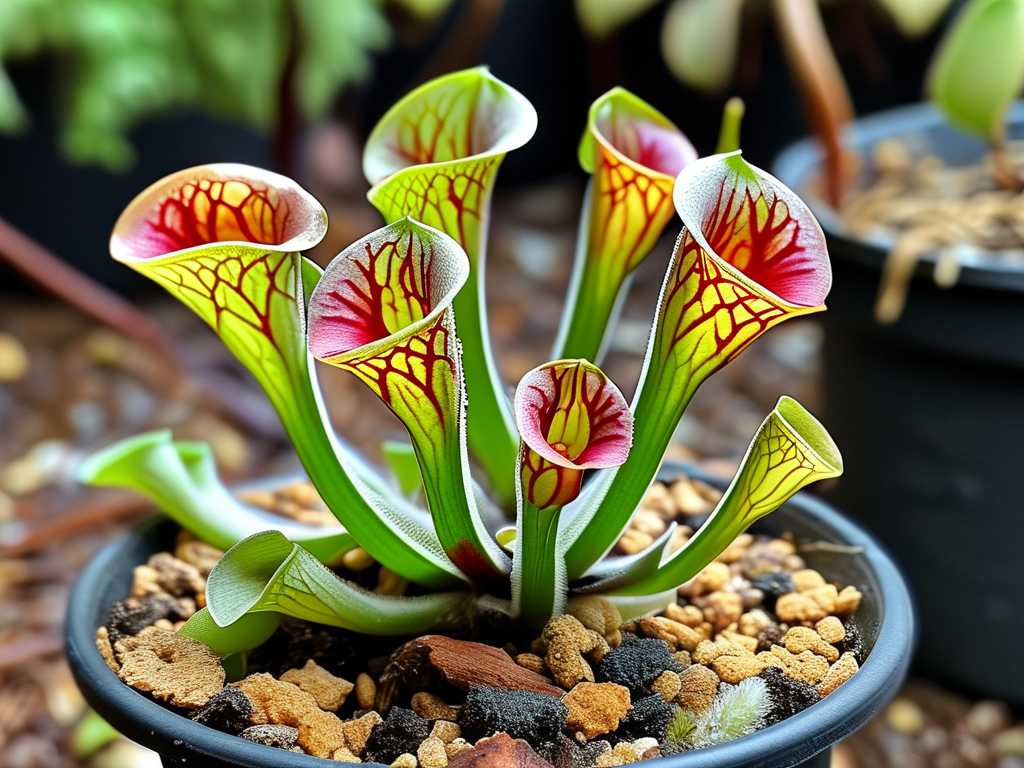
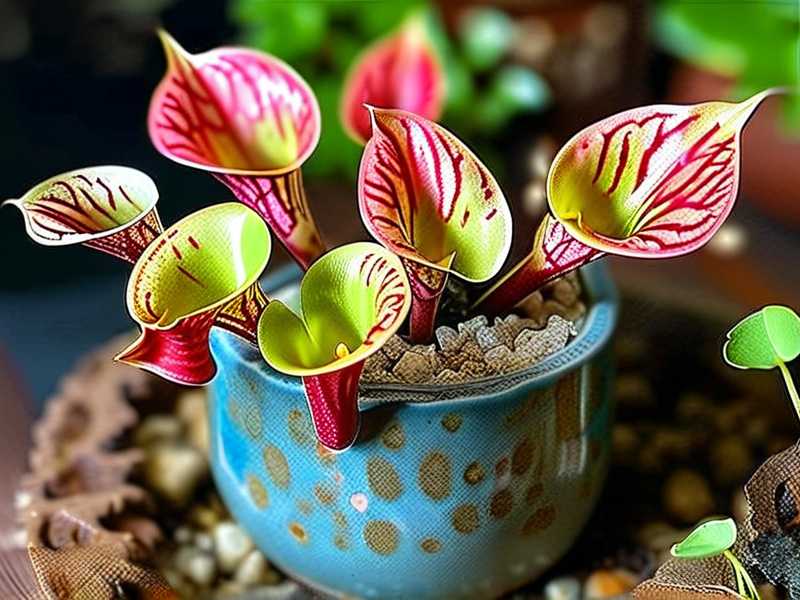
Pot choice is equally vital. Glazed ceramic or plastic pots are far superior to terracotta in dry climates. Terracotta “breathes,” wicking moisture away from the soil and accelerating drying—exactly what we don’t want. A glazed pot keeps the root environment stable for longer. Always, always ensure there is a drainage hole.
Trick 4: Strategic Shading and Wind Protection
In their native bogs, Sarracenia get full sun but with cool roots. In dry climates, intense sun combined with low humidity and wind can desiccate pitchers and dry the pot in hours.
- My Fix: I provide light afternoon shade. A 30-40% shade cloth during the peak afternoon heat (1 PM to 5 PM) has worked wonders. It reduces water loss through transpiration without sacrificing the light needed for coloration and growth.
- Wind: I positioned my collection on a patio that’s sheltered from prevailing drying winds. A simple windbreak of taller plants or a lattice made a noticeable difference in how often I needed to water.
Trick 5: Humidity Trays – A Localized Microclimate
While not for raising overall ambient humidity (a futile battle in many dry areas), a humidity tray is excellent for creating a better microclimate directly around the plant. I fill a wide, shallow tray with pebbles, add water to just below the top of the pebbles, and set the pot on top. As the water evaporates, it gently increases humidity right at the plant level. It’s a simple trick that keeps pitcher tips from browning as quickly.
Navigating Common Pitfalls and Solutions
- Mineral Burn: My tap water is hard. Using it was my first major mistake, leading to brown, crispy tips. The solution is non-negotiable: use only rainwater, distilled water, or reverse osmosis water.
- Overwatering in Panic: Seeing a dry surface made me overwater initially, leading to sour, anaerobic soil. Trusting the moisture meter and the “saucer cycle” broke this habit.
- Dormancy Neglect: Sarracenia require a winter dormancy. In dry climates, this is easier. I move pots to an unheated garage where they stay cold (but not freezing solid) and barely damp for 3-4 months. This rest period is essential for their long-term health and drought resilience in the growing season.
Frequently Asked Questions
Can I grow Sarracenia outdoors in a desert climate? Yes, but with significant modifications. Focus exclusively on Sarracenia purpurea subsp. purpurea. Use the deepest pots possible, employ heavy afternoon shading, and be meticulous with the watering cycle and wind protection. It’s a challenge, but dedicated growers have succeeded.
How often should I water my drought-tolerant Sarracenia? There is no set schedule. Frequency depends on temperature, wind, and pot size. The rule is: water thoroughly when the top layer of soil is dry to the touch and the pot feels light. The “Saucer Method” cycle I described typically translates to watering every 2-4 days in peak summer heat, less in spring and fall.
Will my Sarracenia still attract and catch insects if they’re not in a bog? Absolutely. Their nectar and color are irresistible. My plants consistently fill their pitchers with flies, ants, and wasps. Their digestive enzymes work just fine as long as the pitchers themselves have some moisture inside.
Growing Sarracenia in a dry climate is a lesson in attentive, intelligent gardening. It shifts the focus from replicating a bog to understanding and leveraging the inherent resilience of specific species. By choosing the right plant champions, mastering a smart watering technique, and providing thoughtful environmental buffers, you can enjoy the spectacular, insect-devouring beauty of these plants without a constant fear of drought. Start with a Sarracenia purpurea, be patient, and observe—you might just find, as I did, that the challenge makes the success all the sweeter.