 bluename
How to Choose Sarracenia for Humid Climates: 4 Moisture-Loving Tips
I’ve lost count of the times I’ve heard a fellow plant enthusiast sigh, “I love pitcher plants, but my air is so thick you could drink it. I’m sure they’ll just rot.” If you’re living in a humid climate and feel that same frustration, I’ve been there. For years, I assumed my steamy subtropical environment was a death sentence for Sarracenia, those magnificent carnivorous bog natives. The conventional wisdom screamed that good drainage and almost arid conditions were key to preventing rot. But through trial, error, and a two-week experiment that changed everything, I discovered that humidity isn’t the enemy—it’s a potential ally if you know how to work with it. The secret isn’t fighting the moisture; it’s choosing the right species and adapting your care to leverage that damp air. This guide is born from my hands-on experience, the plants I’ve saved, and the ones I learned from losing.
Understanding Humidity vs. Wet Feet: The Critical Distinction
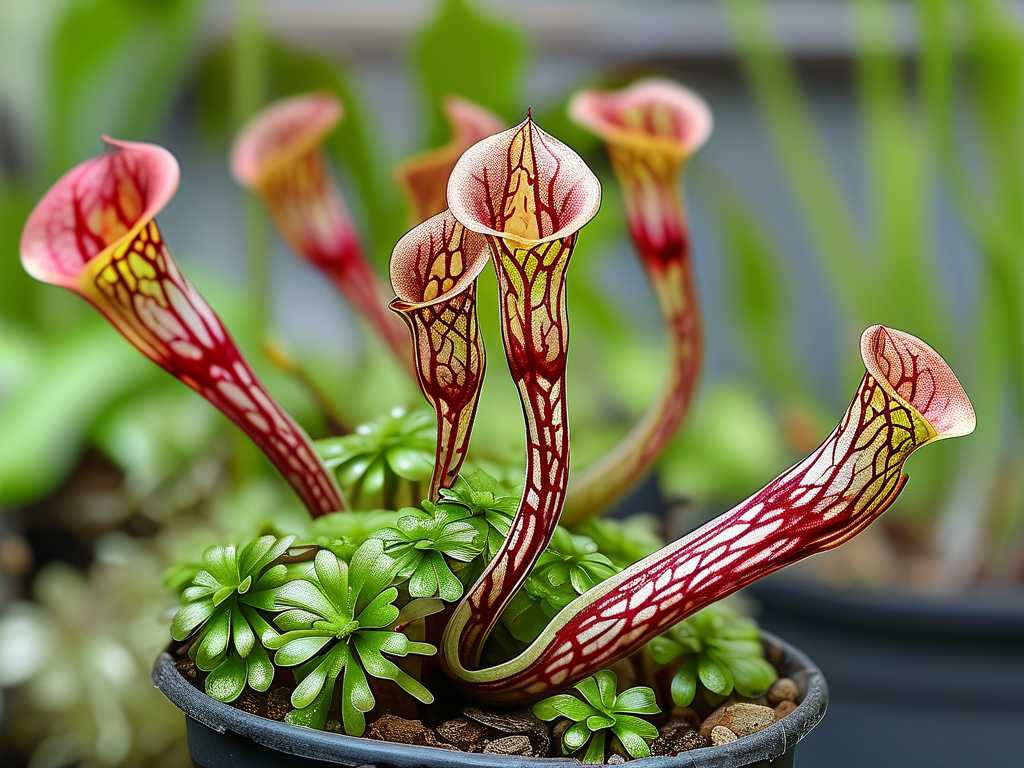
Before we dive into selection, we must clear up the biggest misconception. Sarracenia are swamp plants. Their roots crave consistently, even permanently, moist soil. That’s “wet feet.” Humidity, however, refers to water vapor in the air surrounding the above-ground parts of the plant. The fatal mistake in humid climates is assuming the ambient air moisture is enough for the roots. It’s not. A plant in a dry pot but 80% humid air will still dehydrate and die. Conversely, the danger of rot we fear comes from poor air circulation combined with stagnant moisture on the crown and rhizome, not from high atmospheric humidity itself. My breakthrough came when I stopped treating my humid climate as a problem to solve and started seeing it as a factor to manage with strategic choices.
My 2-Week Selection and Adaptation Experiment
To cut through the guesswork, I decided to run a controlled test. I acquired four different Sarracenia species, all healthy and of similar size. I potted them identically in a 50/50 mix of peat moss and perlite, with no fertilizers or additives. They all sat in permanent trays of distilled water, ensuring “wet feet.” The variable was their placement and species type. I monitored them daily for two weeks in my consistent 75-85% humidity.
Tip 1: Select Species Naturally Adapted to Warmth and Moisture
This is the most crucial step. Not all Sarracenia are created equal for our purposes. Some hail from cooler, temperate bogs that experience dry winters. Others thrive in the perpetually warm, soggy coasts of the Gulf of Mexico.
-
The Champions (My Top Picks):
- Sarracenia psittacina (Parrot Pitcher Plant): The undisputed star of my experiment. Native to flooded pine savannas, it’s a prostrate grower whose traps literally lie on the soil surface, designed to catch prey during floods. In my humid setup, it not only thrived but produced vibrant, new traps at an impressive rate. The high humidity seemed to supercharge its growth.
- Sarracenia rosea (formerly a variety of S. purpurea): This southern variety of the Purple Pitcher Plant is a perfect candidate. It’s adapted to warmer climates than its northern cousin. Its short, wide pitchers are designed to catch rainwater, and it handled the constant moisture in the air with zero signs of stress.
-
The Cautious Choices (Proceed with Care):
- Sarracenia rubra ssp. gulfensis: Another Gulf Coast native, it performed well but showed a slower adjustment period. It demanded the most attention to air flow.
- Sarracenia leucophylla (White-Topped Pitcher): While stunning, this one is more sensitive. It needs excellent air movement to complement the humidity. In a still corner, one developing pitcher showed a slight spot of mold, which I had to address.
-
Species to Generally Avoid in Constant High Heat/Humidity:
- Sarracenia purpurea ssp. purpurea (Northern Purple Pitcher): It requires a distinct, cold winter dormancy that is hard to provide in truly tropical climates.
- Most high-altitude or strongly temperate species like S. oreophila may struggle with the lack of a cooling period.
Tip 2: Prioritize Air Circulation Over Reducing Humidity
This was my biggest “aha!” moment and the solution to the mold scare with my S. leucophylla. You cannot—and should not try to—lower the ambient humidity for these plants. Instead, you must move the air. Stagnant, wet air is a fungus factory. Moving air strengthens stems, discourages pests, and prevents spores from settling.
After the first week, I introduced a small, oscillating fan set on low, placed several feet away to provide a gentle breeze across all the plants. The change was remarkable within 48 hours. The slight mold spot on the S. leucophylla dried and halted. All the plants’ pitchers felt sturdier. As noted by the International Carnivorous Plant Society (ICPS), good air movement is a non-negotiable cultural requirement for healthy Sarracenia, especially in cultivation settings that differ from their native breezy bogs.
Tip 3: Optimize Your Potting Mix and Container for Moisture Management
Even with “wet feet,” the substrate must be airy. A dense, waterlogged mix will suffocate roots, especially in warm conditions. My standard mix works, but I’ve optimized it.
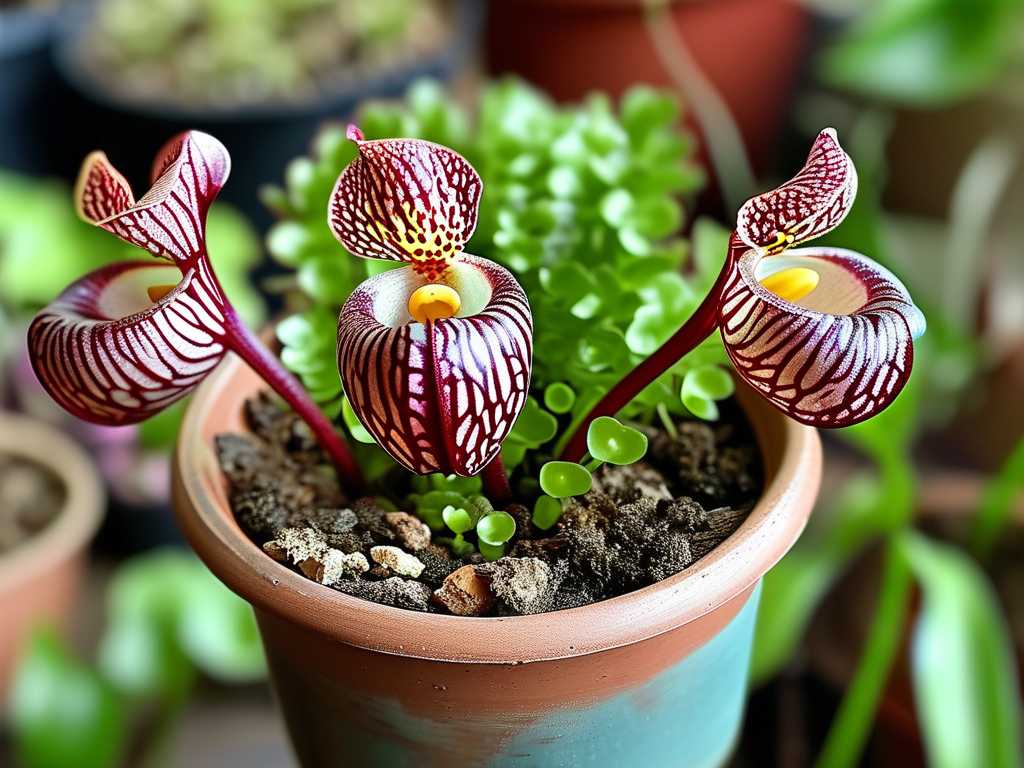
- My Formula: A long-fiber sphagnum moss and horticultural perlite or pumice blend (about 60/40). The moss retains moisture but maintains structure, while the perlite creates essential air pockets. Avoid fine, decomposed peat that can compact.
- The Pot: Always use a deep pot. Sarracenia have long roots. A deep plastic or glazed ceramic pot helps maintain consistent moisture from top to bottom. The “Gotcha” I Experienced: I initially used a shallow, wide pot for one plant. The top dried out slightly between waterings despite the tray, causing stress, while the bottom stayed soggy. Repotting into a deep pot resolved the uneven moisture immediately.
Tip 4: Leverage Humidity for Propagation and Health Monitoring
Here’s the fun part: your humid climate is a secret weapon for propagation. I took a division of my thriving S. psittacina, potted it in the same mix, placed it in a clear plastic bag (with a few holes for very slight air exchange) on a bright windowsill. The near-100% humidity inside that mini-greenhouse spurred root development incredibly fast. This “bagging” technique is often recommended by experts like those on the Carnivorous Plant Hub forums for rehabilitating sick plants or encouraging divisions, and humidity makes it effortless.
Furthermore, high humidity reduces water stress on new pitcher formation. I observed that emerging pitchers in my well-circulated, humid space unfurled more plumply and quickly than ones I’ve grown in drier indoor air. However, this requires vigilant monitoring. Check your plants daily. Look for any discoloration at the rhizome base or on new growth. In humid climates, issues can arise quickly, but they can also be solved quickly if caught early.
Bringing It All Together: My Results After 2 Weeks
By the end of my experiment, the hierarchy was clear. The S. psittacina and S. rosea were champions, visibly happier than on day one. The S. rubra found its footing with the fan. The S. leucophylla, while healthy, confirmed its need for prime, breezy real estate. The key takeaways were undeniable: Species selection is 80% of the battle, and active air circulation is the mandatory supporting act. I no longer fear the humid summer; I now have a tailored list of plants that will revel in it.
Common Questions from Fellow Growers
Can I grow Sarracenia outdoors in a tropical climate? Absolutely, and it’s often ideal. Choose the warm-adapted species listed in Tip 1. Ensure they get 6+ hours of direct sun and are exposed to natural breezes. Protect them from torrential rain that can physically damage pitchers by providing slight overhead cover, but never shade them from the sun.
How do I provide dormancy in a warm, humid climate? This is a valid challenge. For species like S. rosea or S. psittacina, dormancy can be subtle. A slight reduction in photoperiod and a drop in temperature to the 50-60°F (10-15°C) range for 2-3 months is often sufficient. This might mean moving them to a cooler, brighter porch or the coolest spot in your garden. The goal is a growth slowdown, not a deep freeze.
The leaves are developing brown spots. Is it rot? Not necessarily. In high humidity, fungal or bacterial leaf spot can occur, especially without good air flow. Isolate the plant, increase air circulation dramatically, and remove severely affected pitchers with sterile tools. Often, this will contain it. True rhizome rot is usually at the base and is softer, often with a foul smell. That requires surgery to cut away all rot and repot into fresh media. Prevention through air flow is infinitely easier than cure.
Choosing Sarracenia for humid climates reframes the challenge. It’s about partnership, not combat. By selecting moisture-loving species like S. psittacina and S. rosea, insisting on constant gentle air movement, using an airy potting mix in a deep pot, and using the climate to your advantage, you can create a stunning display of these carnivorous wonders. My steamy environment once felt like a limitation; now, it’s the reason my parrot pitcher plants are the most lush and prolific specimens in my collection. Don’t let the humidity hold you back—let it guide your choices.





