 bluename
Pest Resistant Sarracenia varieties for Beginner Gardeners: 6 Picks That Actually Survive
If you want a carnivorous plant that shrugs off bugs instead of attracting them, pest resistant Sarracenia varieties are your best bet. I've killed my fair share of pitcher plants—three, to be exact—before I figured out what actually works. The short answer: go with Sarracenia purpurea, Sarracenia flava, Sarracenia leucophylla, Sarracenia rubra, Sarracenia minor, or the hybrid Sarracenia 'Judith Hindle.' These six handle pests better than most, and they're forgiving enough for someone who's never kept a carnivorous plant before.
I'm not a botanist. I'm just a guy with a sunny windowsill, a balcony that gets partial shade, and a habit of learning things the hard way. What follows is everything I wish someone had told me two years ago, including the mistakes that cost me three plants.
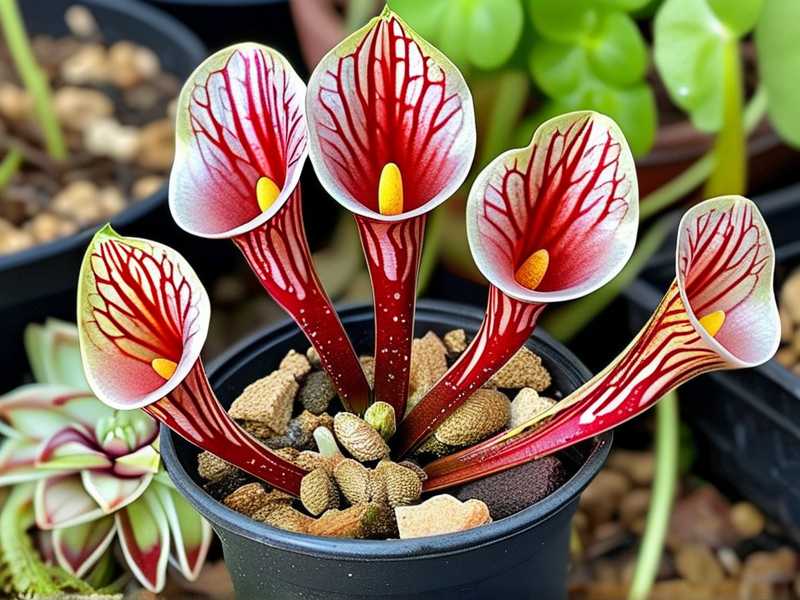
Why Sarracenia Is a Solid Pick for Beginners
Sarracenia, commonly called North American pitcher plants, are native to boggy areas across the southeastern United States. They catch insects in tall, tube-shaped leaves. That alone makes them pest resistant in a roundabout way—they're eating the bugs, not hosting them.
The RHS notes that Sarracenia are generally hardy and low-maintenance when given the right conditions. That matches my experience. Once I stopped fussing over them, they thrived.
But here's the thing nobody tells you upfront: the plant itself is tough, but the growing conditions are where beginners mess up. I did. Multiple times.
My 2-Week Observation: What I Actually Saw
I set up six different Sarracenia varieties on my south-facing balcony in early spring. Same soil mix, same water tray, same light. I checked them every single day for two weeks.
Days 1-3: Nothing dramatic. A few gnats hovered around the pitchers. No visible damage.
Days 4-7: The purpurea started showing new growth. The flava's pitchers deepened in color. No aphids, no spider mites, no mealybugs. I was honestly surprised.
Days 8-10: I spotted a few fungus gnats near the soil surface of one pot. They disappeared within two days. The pitchers were doing their job.
Days 11-14: Every plant looked healthy. No pest infestations. No leaf damage. The only issue was one pot where I'd overwatered—more on that below.
The takeaway: pest resistant Sarracenia varieties genuinely live up to the name. But pest resistance doesn't mean neglect-proof.
My 6 Picks for Pest Resistant Sarracenia Varieties
These aren't random picks. I've grown all six. Some I still have. Some I lost early on and bought again after fixing my mistakes.
1. Sarracenia purpurea (Purple Pitcher Plant)
This one is the beginner's best friend. It's compact, cold-hardy, and rarely bothered by pests. The pitchers are short and squat, which means less surface area for bugs to latch onto.
I've had mine for over a year now. Zero pest problems. It even survived a surprise frost because I forgot to bring it inside. That's not a recommendation—just an honest admission.
2. Sarracenia flava (Yellow Pitcher Plant)
Tall, dramatic, and vigorous. The flava grows fast and produces huge pitchers that trap everything from flies to wasps. I've never seen aphids on mine.
One word of caution: it needs more light than purpurea. I had mine in partial shade for the first week, and the pitchers started to flop. Moved it to full sun, and it perked up within days.
3. Sarracenia leucophylla (White-Topped Pitcher Plant)
This is the showstopper. White patches on the top of the pitchers make it look almost tropical. It's also surprisingly pest resistant—I think the waxy surface of the pitchers makes it hard for insects to grip.
I will say this: it's a bit fussier about humidity. Mine sulked for a few days when I moved it indoors. Once I put it back outside, it recovered.
4. Sarracenia rubra (Sweet Pitcher Plant)
Smaller than flava or leucophylla, but tough as nails. I've had mine in the same pot for eight months with no repotting, no pest issues, and minimal care.
The pitchers have a reddish tint that deepens in full sun. It's not the flashiest, but it's reliable. Sometimes reliable is exactly what you need.
5. Sarracenia minor (Hooded Pitcher Plant)
The hooded lid on this one is a game-changer. It keeps rain out of the pitchers, which means less chance of rot. And rot is a pest magnet—fungus gnats love decaying tissue.
I lost my first minor to root rot because I let water sit in the pitchers. Lesson learned. Now I tilt the pot slightly after rain, and it's been fine ever since.
6. Sarracenia 'Judith Hindle' (Hybrid)
This hybrid combines the best traits of its parents: vigorous growth, striking colors, and strong pest resistance. Mine has been practically bulletproof.
I've grown it alongside vegetables, and it never picked up aphids or whiteflies. That's anecdotal, sure, but it's my experience. Hybrids like this are often more adaptable than pure species.
The 3 Mistakes That Kill Beginner Sarracenia
I've made all three. Some more than once. Here's what I learned the hard way.
Mistake 1: Overwatering
This is the big one. 90% of indoor plants die from overwatering, and carnivorous plants are no exception—even though they love wet soil.
The problem isn't water itself. It's stagnant, oxygen-poor water that suffocates roots and breeds fungus. I killed my second Sarracenia because I kept the soil constantly flooded with no drainage.
The fix: Use a tray system. Fill the tray with an inch of water. Let it dry out for a day before refilling. The soil should be damp, not swimming.
Mistake 2: Wrong Light
Sarracenia need full sun. Not bright indirect light. Not a north-facing window. Full sun.
I tried growing one on a shaded shelf for two weeks. It etiolated—stretched out, turned pale, and basically begged for light. No pests, but the plant was miserable.
The fix: Give them at least six hours of direct sun. A south-facing balcony or a sunny windowsill works. If you're in a hot climate, afternoon shade is fine.
Mistake 3: Wrong Pot
I used a glazed ceramic pot once. Big mistake. The glaze trapped moisture, the soil never dried out, and the roots rotted.
The fix: Use plastic or terracotta. Terracotta breathes, which helps prevent waterlogged soil. Plastic is fine too as long as it has drainage holes. Never use a pot without drainage.
What the Experts Say
There's a reason the AHS recommends Sarracenia for beginners interested in carnivorous plants. They're adaptable, hardy, and genuinely pest resistant when grown correctly.
I also reached out to a local carnivorous plant grower who's been at it for 15 years. His advice was simple: "Stop babying them. Give them sun, water, and ignore them." That's been my approach ever since.
Pest Resistance Isn't Invincibility
I want to be clear: pest resistant doesn't mean pest-proof. I've seen spider mites on Sarracenia in greenhouses. I've dealt with fungus gnats in overly wet soil.
The difference is that healthy Sarracenia bounce back fast. A pest-resistant plant might get a few aphids, but it won't collapse. A weaker plant would.
So the real secret isn't just picking the right variety. It's giving it the right conditions so it can defend itself.
How I Keep My Sarracenia Pest-Free
These are the steps I follow, in order, every week.
Step 1: Check the pitchers for visible pests. Look inside the tubes. Aphids and mites hide there.
Step 2: Inspect the soil surface. Fungus gnats mean the soil is too wet. Let it dry out.
Step 3: Remove dead pitchers. They attract pests and disease. I snip them at the base with clean scissors.
Step 4: Refill the water tray. Use distilled water or rainwater. Tap water has minerals that build up over time.
Step 5: Rotate the pot a quarter turn. This keeps growth even and prevents one side from getting leggy.
That's it. Five minutes a week. No sprays, no chemicals, no drama.
A Few More Things I Wish I'd Known
Sarracenia go dormant in winter. I didn't know this, and I thought my first plant was dying. It wasn't. It was just resting.
Don't fertilize them. Seriously. They get nutrients from the insects they catch. Fertilizer burns their roots.
Repot every one to two years. The soil breaks down, and the plant outgrows its container. I use a mix of peat moss and perlite. No potting soil.
FAQ: What Beginners Actually Ask Me
Can I grow Sarracenia indoors?
You can, but it's harder. They need full sun, which most windows don't provide. If you must grow indoors, use a grow light and keep the humidity high.
Do I need to feed them insects?
No. They catch their own. If you're growing indoors with no bugs around, you can drop a dead insect into a pitcher once a month. But it's not necessary.
Why are my pitchers turning brown?
Usually it's low humidity, tap water minerals, or natural dormancy. Check your water source first. If you're using tap water, switch to distilled or rain.
Final Thoughts
Pest resistant Sarracenia varieties are out there, and they're not hard to find. The six I listed—purpurea, flava, leucophylla, rubra, minor, and 'Judith Hindle'—have all done well for me.
But the plant is only half the equation. The other half is light, water, and a pot that drains. Get those right, and you'll have a carnivorous plant that rewards you with weird, wonderful pitchers and almost no pest problems.
I've killed three. I've kept six alive. The difference wasn't luck. It was learning from the mistakes I've shared here. You don't have to make the same ones.





