bluename
 How to Fix Sarracenia Summer Dormancy Issues: 4 Heat Dormancy Tricks
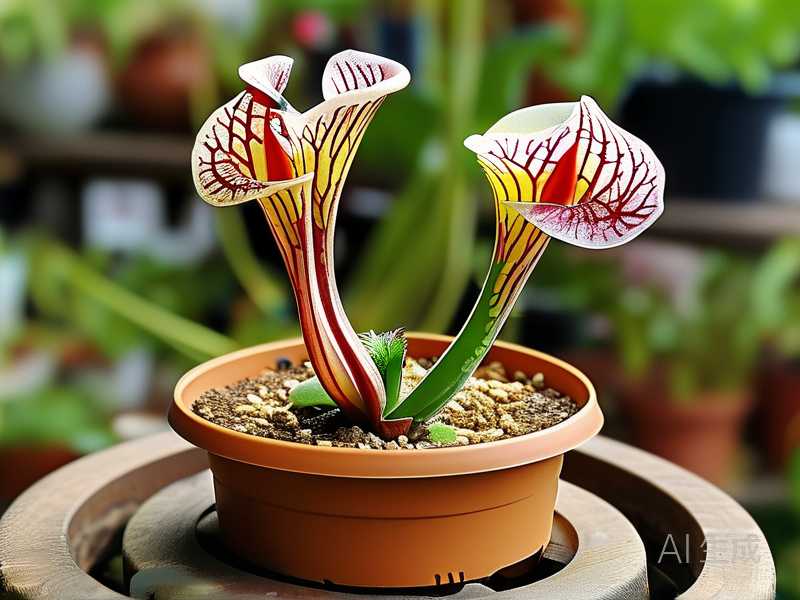
You’ve nurtured your Sarracenia pitcher plant through a vibrant spring, watching its elegant pitchers unfurl. But as the summer heat intensifies, you notice something alarming. The growth seems to stall. New pitchers are smaller, discolored, or fail to develop at all. Leaves may yellow or brown from the tips. Panic sets in—is it dying? Is it a pest, a disease, or are you simply a bad plant parent? Relax. Your Sarracenia is likely experiencing summer dormancy, a natural but often misunderstood stress response to excessive heat. While winter dormancy is well-known, summer dormancy (or heat dormancy) can be just as critical for plant health. This guide will demystify this process and arm you with four practical tricks to fix Sarracenia summer dormancy issues and guide your carnivorous companion back to vigorous growth.
Understanding Sarracenia Summer Stress: It’s Not Always True Dormancy
First, let’s clarify terminology. True dormancy is a deep, genetically programmed rest period, typically triggered by cold and short days. What many growers call “summer dormancy” in Sarracenia is more accurately a summer slowdown or heat stress response. In their native habitats across the southeastern US, these plants thrive in sunny, wet bogs. However, prolonged temperatures consistently above 90°F (32°C), especially when combined with other stressors, can push them into a conservation mode. The plant redirects energy from pitcher production to root survival and simply waits for more favorable conditions. The goal of our heat dormancy tricks is to mitigate these stressors and shorten this slowdown period.
Trick 1: Master the Cooling Power of Hydration and Evaporation
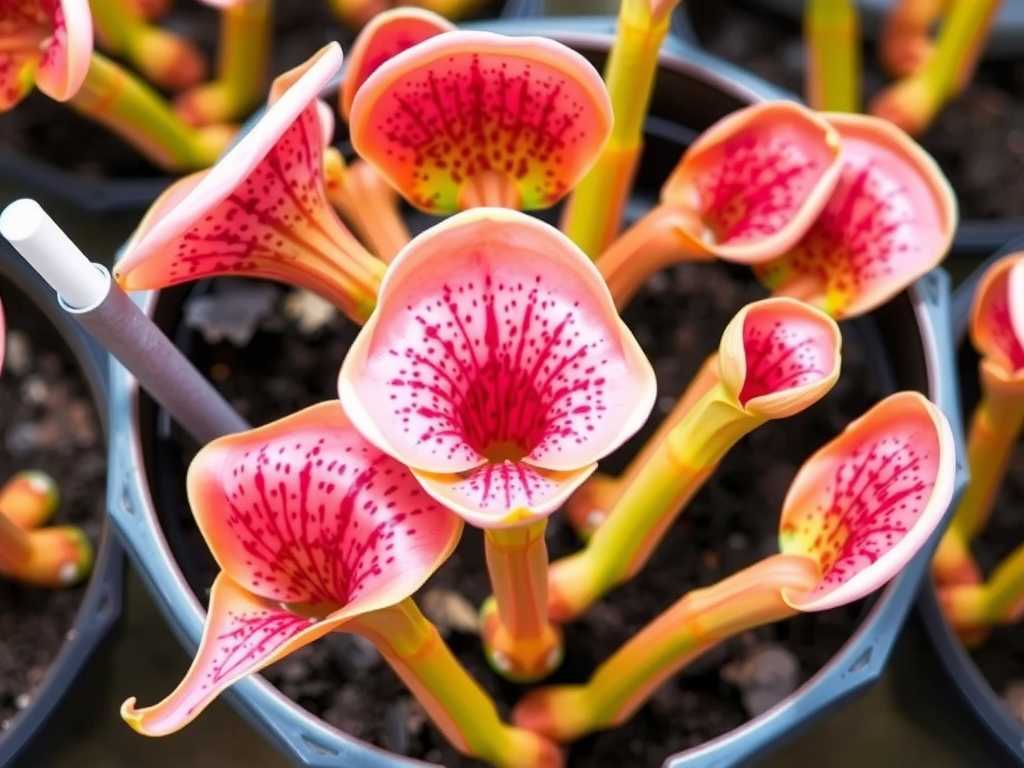
The single most effective strategy revolves around water—not just how much, but how you use it. Sarracenia require consistently moist, even soggy, soil. In summer, evaporation rates skyrocket.
- The Double-Pot or Tray Method: This is a cornerstone technique. Place your Sarracenia’s pot inside a larger, water-filled container or a deep tray. The outer pot acts as a reservoir and insulator. As water evaporates from the outer pot, it cools the root zone of the inner pot through evaporative cooling, a natural thermodynamic process. Ensure the inner pot has drainage holes sitting above the water level of the outer pot to prevent root rot—you want cooling evaporation, not waterlogging from the bottom.
- Strategic Watering Time: Always water in the early morning. This ensures the plant and its medium are fully hydrated before the day’s heat hits. Watering in the evening can leave the crown damp overnight, increasing fungal risk. Watering at midday is inefficient, as much water is lost to immediate evaporation.
- Water Quality is Non-Negotiable: Use only rainwater, distilled water, or reverse osmosis water. Dissolved minerals in tap water accumulate in the soil, creating a toxic environment that exacerbates heat stress. As expert grower and author of The Savage Garden, Peter D’Amato, emphasizes, “Pure water is as crucial as sunlight for carnivorous plant health.”
Trick 2: Optimize Light Exposure to Avoid Solar Burn
Sarracenia are full-sun plants, but intense, direct summer sun can cook both the soil and the plant. The key is to provide the necessary light intensity while reducing radiant heat.
- Utilize Afternoon Shade: Position your plant so it receives the full, glorious morning sun (at least 4-6 hours), but is protected from the harsh, scorching afternoon rays. A location with dappled afternoon shade from a tree or the shadow of a building is ideal. This provides the photosynthetic fuel without the associated heat penalty.
- Create a Shade Cloth Buffer: If afternoon shade isn’t possible, employ a 30-50% shade cloth during peak heatwaves (temperatures consistently above 95°F/35°C). Suspend it a foot above the plant to allow for air circulation. This diffuses light, lowers leaf surface temperature, and reduces soil heating.
- Elevate and Separate: Avoid the “heat sink” effect. Don’t place pots directly on dark, hot surfaces like asphalt or brick patios. Use pot feet or a light-colored stand to allow air to circulate underneath, carrying away excess heat.
Trick 3: Enhance Airflow and Humidity Management
Stagnant, hot air is a recipe for stress and disease. Good airflow is a powerful dormancy solution for pitcher plants.
- Promote Gentle Breezes: Place your plant where it can benefit from natural air movement. A gentle breeze strengthens stems, discourages pests, and facilitates transpiration—the plant’s own cooling system, where water evaporating from leaves draws heat away.
- Avoid the Terrarium Trap: While increasing humidity might seem logical, enclosing Sarracenia in a terrarium or under a dome in summer is disastrous. It creates a stagnant, superheated, fungal-friendly environment. Sarracenia are bog plants, not tropical rainforest plants; they prefer humid air around them, not directly on them in still conditions.
- Group Plants Wisely: Grouping plants can create a beneficial microclimate with slightly higher humidity, but ensure they are not crowded. Leaves should not overlap significantly, as this restricts airflow and can trap heat.
Trick 4: Adjust Feeding and Care Routines During the Slowdown
When your Sarracenia is in its heat-induced slowdown, its metabolic processes are reduced. Your care should adapt accordingly.
- Hold the Fertilizer: Never apply traditional fertilizer or foliar feed to a stressed Sarracenia. Its ability to process nutrients is minimal, and salts can burn roots and leaves. It will catch plenty of insects on its own when it’s ready.
- Resist Disturbance: This is not the time for repotting, dividing, or major physical manipulation. The plant is conserving energy; such activities demand significant energy to recover from. Postpone these tasks until early fall or late winter.
- Prioritize Patience Over Intervention: The most important tool is observation. Once you’ve implemented the cooling tricks, give the plant time to respond. Forcing growth with additives or moving it constantly will only increase stress. Trust the process.
Addressing Common Sarracenia Summer Concerns
-
My Sarracenia’s pitchers are all turning brown. Is it over? Not at all. Browning of older pitchers is a normal part of the lifecycle, often accelerated by heat. As long as the growth point (the crown) at the center of the plant remains firm and has some green tissue, the plant is alive. Focus your energy on protecting that crown and encouraging the next flush of growth with the tricks above.
-
Should I cut off the brown pitchers during summer dormancy? It’s generally best to leave them until they are mostly brown. The remaining green parts can still photosynthesize. When you do trim, use sterilized scissors and cut the pitcher near its base, being careful not to damage the rhizome. Removing dead material can improve airflow and appearance.
-
How long does this summer slowdown typically last? The duration depends heavily on your local climate and the mitigation steps you take. It can last from a few weeks to two months, often coinciding with the hottest part of summer. Growth typically resumes with vigor as nighttime temperatures drop and daylight hours begin to shorten in late summer or early fall.
Successfully navigating Sarracenia summer dormancy issues is a mark of an attentive grower. It requires shifting your mindset from promoting maximum growth to providing intelligent support during a stressful period. By mastering the cooling synergy of hydration and evaporation, optimizing light exposure, ensuring robust airflow, and adapting your care routine, you transform from a worried owner into a confident steward of your plant’s natural cycles. Implement these heat dormancy tricks, practice patience, and you’ll be rewarded with a resilient Sarracenia that emerges from the summer heat ready to thrive.