bluename
 How to Fix Sarracenia in Poor Ventilation: 5 Air Circulation Tips
Your Sarracenia pitcher plants are stunning, but you’ve noticed troubling signs. Perhaps the new pitchers are weak and spindly, or maybe a subtle layer of mold is appearing on the soil surface. The vibrant colors seem dull, and growth has stalled. If this sounds familiar, the culprit is likely poor air circulation. Stagnant, humid air around your carnivorous plants is an open invitation for fungal diseases, weak growth, and pest infestations. This guide is dedicated to solving that exact problem. We will provide you with five actionable air circulation tips to fix your Sarracenia’s environment, transforming it from stagnant to thriving. Proper ventilation is not just a minor detail; it’s a cornerstone of healthy Sarracenia care, mimicking the breezy, open habitats they love.
Why Airflow is Non-Negotiable for Sarracenia Health
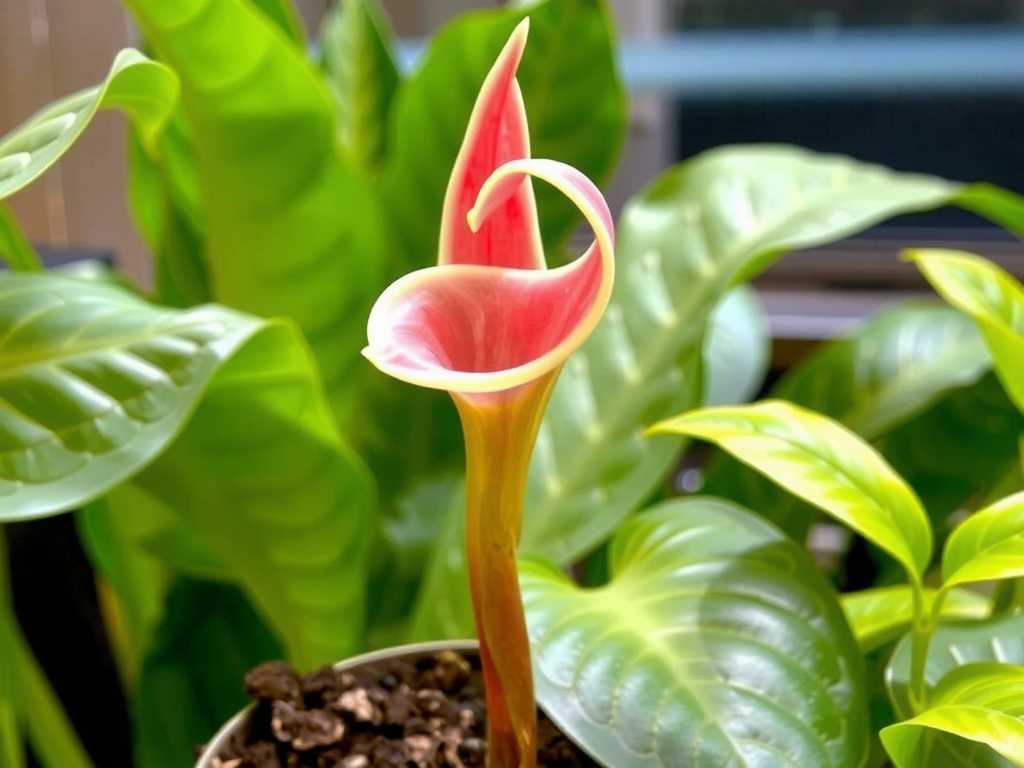
Sarracenia are native to sunny, open bogs and wetlands across North America. In the wild, they are constantly bathed in fresh, moving air. This constant air movement serves several critical functions that are lost in a stagnant indoor or greenhouse setting.
First, it prevents fungal and bacterial pathogens. Stagnant air allows moisture to linger on leaves and in the crown of the plant, creating a perfect breeding ground for gray mold (Botrytis) and other rot. Good airflow rapidly evaporates this excess moisture. Second, it strengthens the plant’s structure. Just like trees in a windy area develop stronger trunks, Sarracenia grown with consistent, gentle airflow develop sturdier, more robust pitchers. This process, known as thigmomorphogenesis, is crucial for supporting those tall, heavy pitchers. Finally, it regulates temperature and gas exchange, ensuring the plant has consistent access to carbon dioxide and isn’t subjected to heat buildup in direct sunlight.
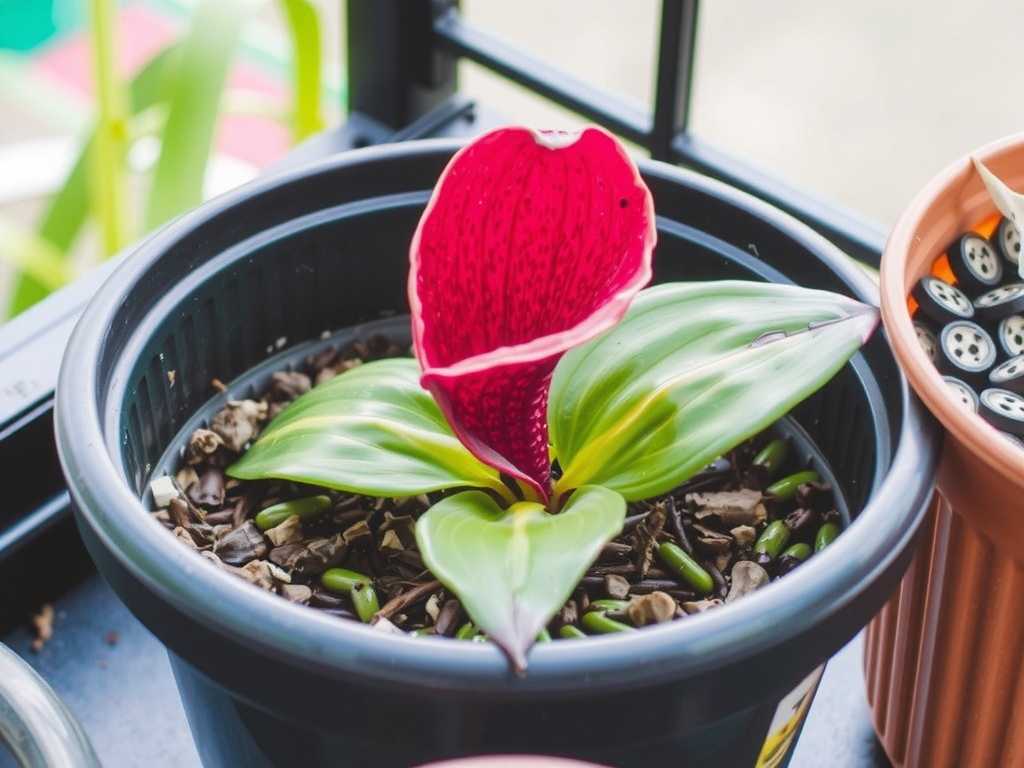
Ignoring ventilation for pitcher plants is a common but serious mistake. The consequences—rot, etiolation, and persistent mildew—can quickly undo all your careful work with water and light. Let’s fix that.
Tip 1: Strategically Place Oscillating Fans for Gentle, Consistent Flow
The single most effective tool for improving air circulation for Sarracenia is a simple household fan. However, placement and setting are key. You do not want to blast your plants with a direct, hurricane-force gale.
Set up an oscillating fan on a low or medium setting, positioned so it moves air across the growing area, not directly at the plants. The goal is to create a gentle breeze that rustles the leaves slightly. Place the fan several feet away from your plant collection. Oscillation is vital as it prevents any single plant from being in a constant direct draft and ensures all-around coverage. Run the fan continuously during daylight hours when the plants are actively photosynthesizing and transpiring. This mimics natural conditions and keeps humidity from spiking in one spot. At night, you can reduce the speed or turn it off if temperatures drop significantly, but consistent mild airflow is generally beneficial.
Tip 2: Optimize Plant Spacing and Avoid Crowding
It’s tempting to group plants together for a lush display, but overcrowding is a major barrier to good airflow. When pitchers are packed tightly, they create their own microclimate of stagnant, humid air right at the center of the foliage.
Give your Sarracenia room to breathe. Space pots so that the pitchers of one plant do not constantly touch those of another. This not only allows air to move freely between them but also reduces the speed at which pests or diseases can spread. Regularly divide overgrown clumps. A dense cluster of Sarracenia in a single pot will choke itself. Dividing every few years rejuvenates the plant and instantly improves air penetration to the base and soil surface. Think of it as pruning the airspace.
Tip 3: Prioritize Vertical Space and Elevate Your Setup
Hot, stale air rises. In a closed room or terrarium, this air gets trapped at the top, while cooler, moist air sits at plant level. You can break this stratification by working with vertical space.
Elevate your Sarracenia pots on benches, shelves, or wire racks. This gets them off the ground or floor, which is often the coldest and most stagnant zone. More importantly, it allows your oscillating fan (from Tip 1) to move air under and through the plant canopy, not just over the top. If you use a grow tent or enclosed shelf, install an exhaust fan near the top to actively pull out warm, humid air. This creates a natural draw, pulling in fresher, drier air from vents or openings near the bottom—a principle known as passive intake. This method for fixing stagnant air for carnivorous plants is highly effective in controlled environments.
Tip 4: Choose the Right Growing Medium and Pot for Breathability
Airflow isn’t just about what happens above the soil; it’s also critical below. A soggy, compacted, or overly water-retentive mix will suffocate roots and contribute to a humid microclimate at the soil line.
Always use a well-aerated, low-nutrient mix specifically for carnivorous plants. A standard 50:50 blend of sphagnum peat moss and perlite or horticultural sand is excellent. The perlite or sand creates permanent air pockets in the soil. The pot choice matters, too. Unglazed terracotta clay pots are porous, allowing the substrate and roots to “breathe” through the walls, wicking away excess moisture. Ensure all pots have ample drainage holes. For plastic pots, ensure they are not sitting in a deep saucer of water; use shallow trays and allow the water level to fluctuate.
Tip 5: Leverage Smart Environmental Controls and Monitoring
Technology can take the guesswork out of managing your Sarracenia’s climate. Simple tools can help you maintain the perfect balance of humidity and airflow.
Use a digital hygrometer to monitor relative humidity (RH) around your plants. Aim for a range of 50-70% RH for most Sarracenia, with the lower end being safer if airflow is moderate. If you see humidity consistently above 75%, it’s a clear sign you need to increase air movement or slightly reduce watering frequency. In a greenhouse or grow tent, consider linking exhaust fans to a thermostat or humidistat. This automates ventilation for pitcher plants, turning on fans automatically when temperature or humidity exceeds a set point. This ensures a dynamic environment that reacts to changing conditions, just like nature.
Addressing Your Top Sarracenia Ventilation Concerns
Can I just open a window instead of using a fan? While opening a window introduces fresh air, it’s often inconsistent and can bring in pests, pollutants, or undesirable temperature extremes. A fan provides controlled, consistent circulation without these risks. In suitable climates, open windows plus a fan can be excellent, but a fan alone is more reliable for creating the necessary gentle, constant breeze.
My Sarracenia is in a terrarium. Is good airflow even possible? Terrariums are notoriously challenging for Sarracenia due to stagnant air. If you must use one, it must be large, have a fully open top (no lid), and include a small, low-speed computer fan installed near the top to exhaust air. However, a bright windowsill or open shelf with a humidifier and fan is almost always a superior and easier-to-manage option for these plants.
How strong is too strong for fan airflow? The “wrist test” is perfect. Place your hand where the plant is. If you feel a strong, cooling breeze that would quickly dry your skin, it’s too strong. You should feel a faint movement of air, just enough to gently disturb the tips of the pitchers. The leaves should sway slightly, not bend or be held at an angle.
Successfully growing Sarracenia is about mastering the balance of their core needs: pure water, intense light, and fresh air. While light and water get most of the attention, air circulation is the silent partner that ensures the others work in harmony. By implementing these five strategies—using oscillating fans, providing adequate spacing, elevating your setup, choosing breathable pots and media, and monitoring your environment—you directly address the root cause of weakness and disease. You’re not just fixing poor ventilation; you’re building a resilient, thriving ecosystem for your pitcher plants that closely mirrors their natural, windswept homes. Watch as your Sarracenia respond with stronger pitchers, brighter colors, and vigorous, healthy growth.