bluename
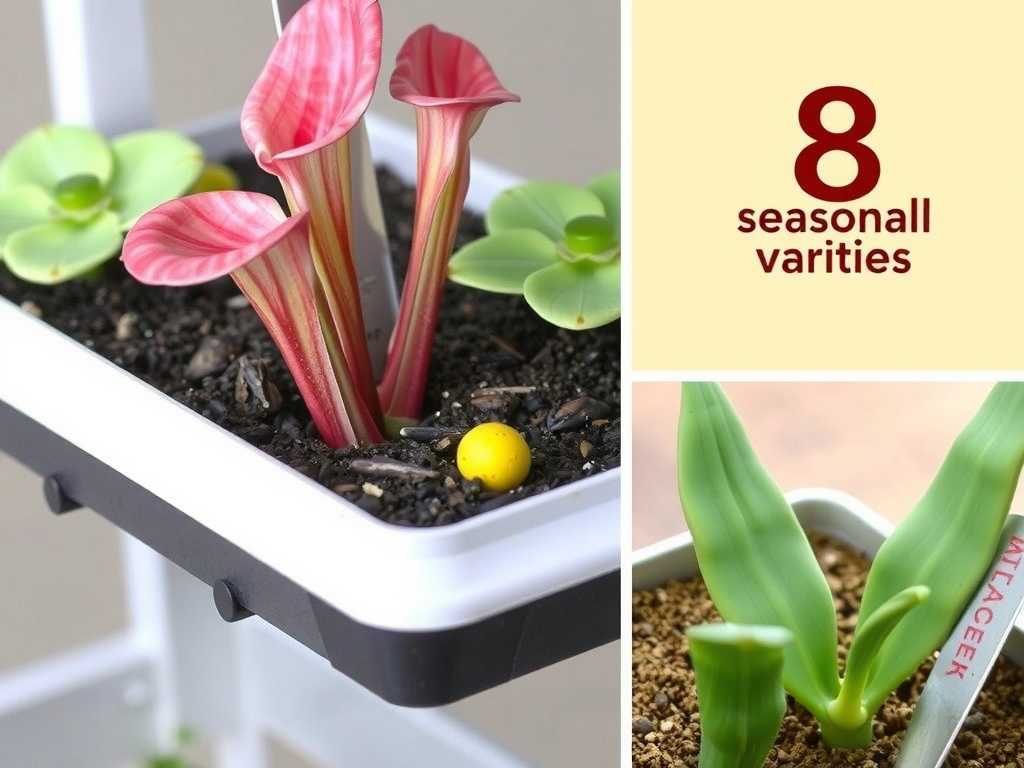
 How to Grow Sarracenia Varieties Year-Round: 8 Seasonal Care Tips
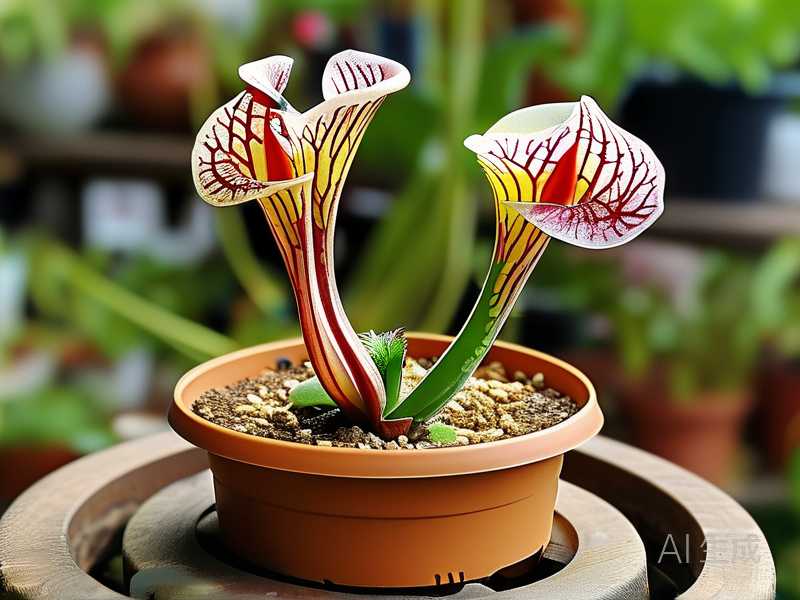
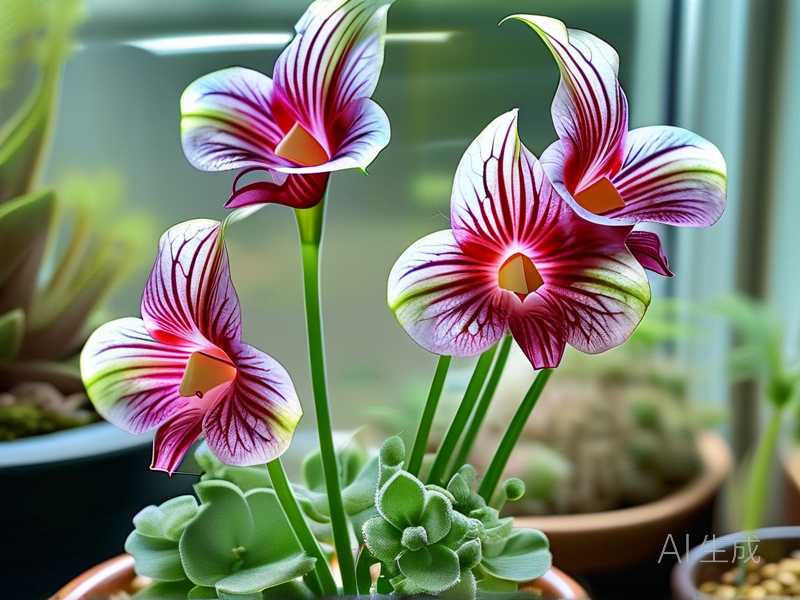
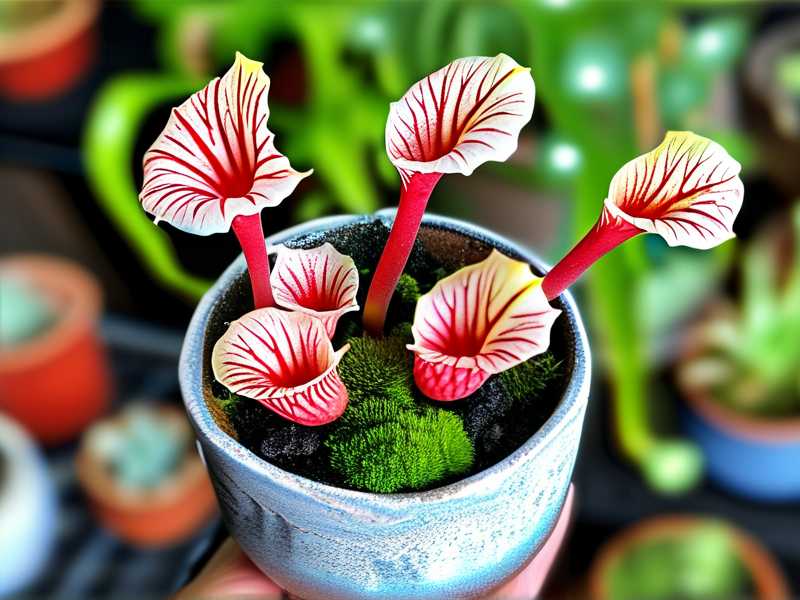
You love the dramatic, alien beauty of your Sarracenia, those elegant pitcher plants that look like they belong on another planet. But if you’re like I was, you might be frustrated. One season they’re thriving, the next they’re looking sad, discolored, or just… stalled. The biggest pain point for us enthusiasts isn’t keeping them alive briefly; it’s mastering the year-round care for Sarracenia to ensure they not only survive but flourish through every turn of the calendar, building size and pitcher count season after season.
I’ve been cultivating various Sarracenia species—from the robust Sarracenia flava to the delicate Sarracenia psittacina—for years. Through trial, error, and meticulous note-taking, I’ve developed a seasonal rhythm that works. This guide isn’t just theory; it’s a chronicle of my hands-on experience, including the mistakes I’ve made and how I fixed them. Let’s walk through the eight essential tips that will transform your approach to growing Sarracenia pitchers successfully all year.
Understanding the Sarracenia’s Natural Rhythm
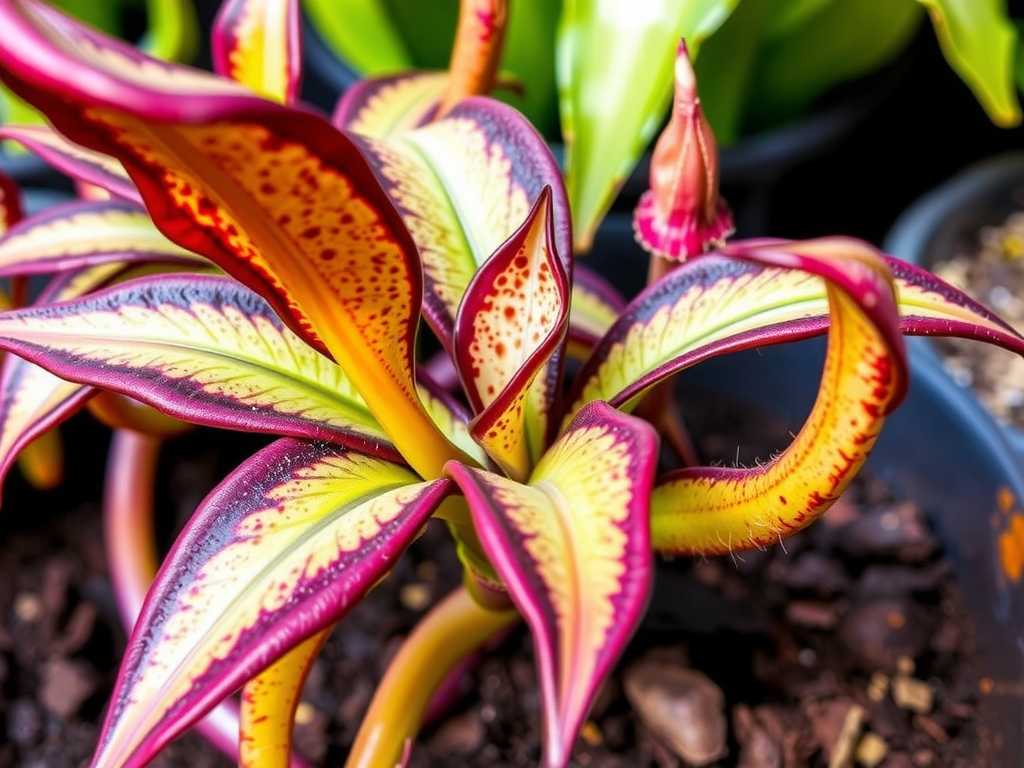
Before we dive into the seasonal steps, a fundamental truth is non-negotiable: Sarracenia are temperate perennials. They require distinct seasonal changes to maintain long-term health. Attempting to grow them in static, indoor conditions is the most common road to failure. Their life cycle is a beautiful dance of vigorous growth, stunning reproduction, and essential rest. Our care must mimic the conditions of their native bog habitats across the southeastern United States.
As Tony Avent of Plant Delights Nursery often emphasizes, “Sarracenia are sun-worshipping, cold-hardy plants that need their winter dormancy as much as they need summer sun.” This cyclical approach is the bedrock of Sarracenia variety cultivation.
Spring: The Grand Awakening (March - May)
This is the most exciting season. As daylight increases and temperatures consistently rise above 50°F (10°C), you’ll see the first signs of life: flower buds and new pitcher spikes.
Tip 1: The Strategic Spring Clean & Divide
As new growth emerges, I carefully remove all the dead, brown pitcher material from the previous year. This isn’t just for aesthetics; it prevents mold, allows sunlight to hit the base of the plant, and reduces hiding places for pests. Every two to three years, if the clump is congested, early spring is the perfect time for division.
- My Experience & Mistake: One early spring, I was overzealous and divided a prized Sarracenia ‘Judith Hindle’ far too late, just as it was launching its first major pitchers. The plant went into severe shock, halting growth for nearly the entire season. I learned the hard way that division must happen at the very first sign of awakening, or better yet, in late winter before growth starts.
- The Fix & Result: The following year, I divided a crowded Sarracenia leucophylla clump the moment I saw tiny red nubs at the soil line. I kept the divisions consistently moist and in bright, indirect light for two weeks. Within two weeks, each division showed independent new growth. By season’s end, they had established themselves robustly.
Tip 2: Maximize Light and Resume Feeding
Move your plants to their full-sun location—6+ hours of direct sun is mandatory. I transition mine gradually over a week to avoid sunscorch. With the pitchers actively developing, I stop any manual feeding. The plant is now perfectly capable of attracting and digesting insects on its own. This is the core of Sarracenia pitcher plant care: providing the conditions for them to perform their natural function.
Summer: Peak Performance (June - August)
This is when your Sarracenia should be putting on a spectacular show, producing their largest and most colorful pitchers.
Tip 3: The Non-Negotiable Water Regime
Sarracenia are bog plants. Their soil must never dry out. I use the “tray method”: pots sitting in 1-2 inches of distilled, rainwater, or reverse-osmosis water at all times. Tap water, with its minerals and salts, is a slow poison.
- The Mistake I Made: During a heatwave, I let the water tray for a group of seedlings evaporate completely for just 36 hours. The soil surface dried and pulled away from the pot edges.
- The Observation & Solution: Within days, the newest pitchers on the affected plants wilted and growth tips browned. I immediately re-saturated the soil from the top and restored the tray water. While the damaged pitchers were lost, the plants stabilized. A two-week observation showed that consistent, reliable moisture is more critical than any other factor during summer.
Tip 4: Managing Heat Stress and Pest Patrol
In extreme heat (above 95°F/35°C), some afternoon shade can prevent cooker-pot syndrome where the rhizome overheats. Summer is also when pests like aphids might cluster on flower stalks or new growth. I physically remove them or use a brief spray of water. The International Carnivorous Plant Society (ICPS) advises against systemic insecticides, as they can harm the plant’s sensitive physiology.
Autumn: Preparation and Transition (September - November)
Growth slows, and the plant begins translocating energy down to the rhizome. The last pitchers of the year are often the most vividly colored.
Tip 5: Cease Fertilization and Embrace the Die-Back
This is crucial. Do not repot or fertilize. Allow the older pitchers to naturally senesce and turn brown. They are still photosynthesizing and providing resources to the plant. I only trim completely brown material. This period of slowing down is a signal to the plant to prepare for dormancy, a key phase in maintaining healthy Sarracenia.
Tip 6: Preparing the Dormancy Setup
For those in cold climates (USDA zone 6 and below), you have options. A cold frame, unheated greenhouse, or even a sheltered spot against a house wall can work. The goal is to expose the plant to freezing temperatures but protect it from harsh, desiccating winds and ice sheeting. I mulch the pots with pine needles or cover them with a loose layer of burlap once the ground is frozen to prevent freeze-thaw cycles that can heave plants out of pots.
Winter: The Essential Rest (December - February)
Dormancy is not death; it’s a deep, restorative sleep. The plant may look like a pot of dead leaves, but the rhizome is alive and waiting.
Tip 7: Providing the Right Chill
Sarracenia need a dormancy period of 3-4 months with temperatures between 20°F (-7°C) and 50°F (10°C). I keep my plants in an unheated but attached garage where temperatures stay reliably between 32-45°F (0-7°C).
- My Critical Error: One winter, I brought a Sarracenia purpurea indoors to “save” it from the cold, placing it on a sunny windowsill. It continued to produce weak, etiolated pitchers all winter.
- The Two-Week Outcome & Lesson: By early spring, when my dormant plants were bursting with energy, this indoor plant was exhausted. Its spring growth was pathetic and stunted. It took the entire next growing season to recover. I proved to myself that denying dormancy severely weakens the plant long-term.
Tip 8: Minimal Watering, Maximum Patience
During dormancy, the goal is to keep the soil just slightly damp, not soggy. I check the trays every few weeks and add a minimal amount of water if the soil feels dry to the touch. The plant is using almost no water. The main task here is patience—resist the urge to “wake it up” with warmth or water.
Frequently Asked Questions by Growers
Can I grow Sarracenia indoors on a windowsill year-round? While possible for a single season, it is unsustainable long-term. They will lack sufficient light intensity, the humidity is often too low, and most critically, you cannot provide the cold, bright dormancy they require. They will gradually decline. A sunny outdoor space, balcony, or dedicated cold frame is vastly superior for Sarracenia growth cycle care.
My Sarracenia’s pitchers are all turning brown at once in summer. What’s wrong? Sudden, widespread browning is almost always a cultural issue, not dormancy. The top suspects are: 1) Using mineral-rich tap water (switch to pure water immediately), 2) The soil has dried out completely (rehydrate slowly), or 3) A sudden, severe pest infestation (inspect closely). Address these, and new growth should be healthy.
How do I know if my plant is dormant or dead? The rhizome (the thick, horizontal stem under the soil) is the key. In late winter, gently excavate a small section. A healthy rhizome will be firm, white or pinkish inside, and may have plump, pointed growth buds. A dead rhizome is mushy, brown, or crumbly. If it’s firm, have faith and wait for spring warmth.
Mastering Sarracenia is about embracing the cycle, not fighting it. Each season has its non-negotiable tasks: spring’s renewal, summer’s vigilance, autumn’s patience, and winter’s restraint. By aligning your care with this natural rhythm, you shift from simply keeping a plant alive to becoming a steward of its magnificent, year-round performance. The reward is a collection that not only survives but multiplies and astonishes, season after predictable season.