bluename
 How to Fix Sarracenia Propagation Problems: 5 Cloning Success Solutions
You’ve carefully divided your prized Sarracenia rhizome, nurtured leaf cuttings, or sown precious seeds, only to watch your propagation efforts falter. Yellowing leaves, stunted growth, or outright rot can turn the exciting process of multiplying your carnivorous collection into a frustrating ordeal. This guide is designed to diagnose these common Sarracenia propagation problems and provide you with five actionable, proven solutions to achieve cloning success. Whether you're a hobbyist expanding your bog garden or a specialist aiming for rare cultivar preservation, overcoming these hurdles is key.
Understanding why your propagation attempts fail is the first step toward success. The issues often stem from a few critical, overlooked factors in the propagation environment and technique.
Why Your Sarracenia Propagation Efforts Are Failing
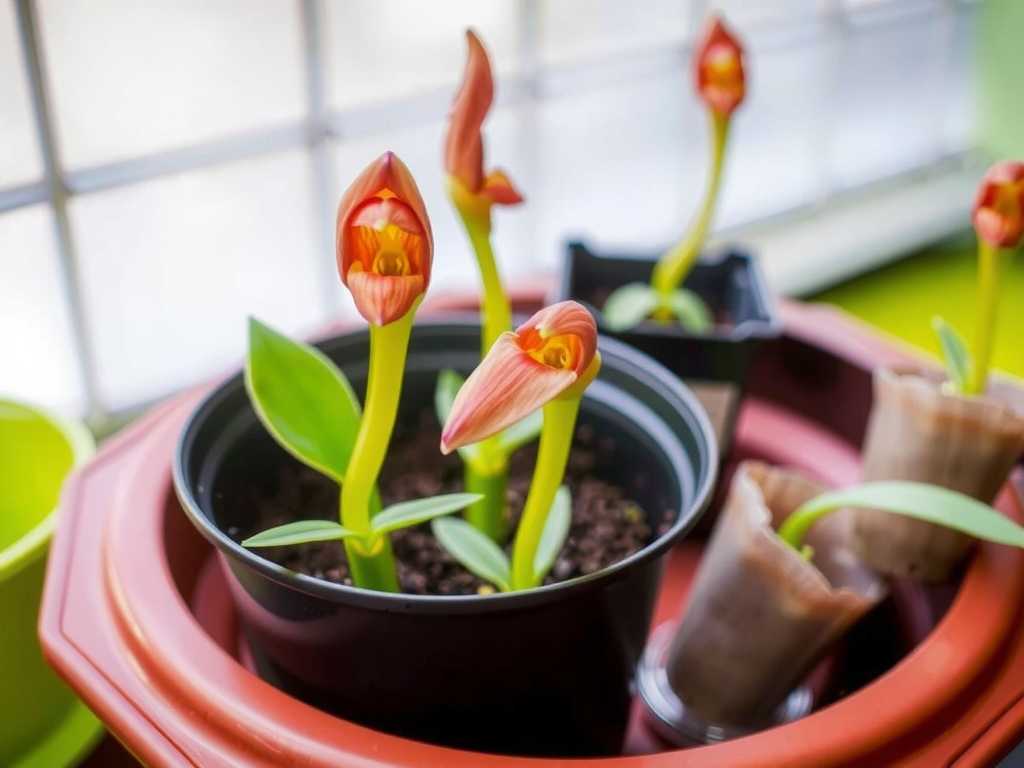
Sarracenia, while adaptable once established, can be surprisingly sensitive during the propagation phase. The primary culprits behind failure are usually related to moisture, contamination, and timing. A sterile environment is non-negotiable for methods like tissue culture or even rhizome division, as bacteria and fungi exploit fresh cuts. Similarly, incorrect moisture levels—either a sterile medium that’s too dry or a poorly drained one that’s waterlogged—spell disaster for developing roots and shoots. Furthermore, attempting propagation when the plant is not in its optimal growth phase, such as during deep dormancy, severely reduces the chances of success.
Solution 1: Master the Rhizome Division Technique
Rhizome division is the most common and natural method for propagating mature Sarracenia clumps. However, a clumsy cut can set back both the original plant and the new division for an entire season.
The key to successful division lies in precision and timing. Always perform divisions in late winter to early spring, just as the plant emerges from dormancy and before the major flush of spring growth. This timing allows the plant to direct its energy immediately toward healing and new root development.
Use a sharp, sterilized knife. A clean cut minimizes damage and reduces the entry points for pathogens. Carefully brush away the soil to expose the rhizome and identify natural growing points or "fans" of leaves. Each viable division should have at least one growing point and a healthy portion of the white, fleshy rhizome with existing roots. After separating, dust the cut surfaces with sulfur or cinnamon powder as a natural fungicide. Pot the division immediately in a fresh, nutrient-poor Sarracenia mix, keep it consistently moist, and provide bright light. Avoid fertilizing; the plant must rely on its stored energy and new root growth.
Solution 2: Optimize the Sphagnum Moss and Humidity Dome Method
For leaf pullings or smaller divisions, creating a mini-greenhouse environment can dramatically boost success rates. This method is excellent for encouraging root development on cuttings that have little to no existing root system.
Start with a base of live or long-fibered sphagnum moss. This medium is naturally antifungal, retains moisture superbly, and provides slight acidity—perfect for Sarracenia. Moisten the moss thoroughly with distilled or rainwater, then wring it out so it is damp but not dripping. Place your prepared cutting or division on the surface or slightly nestled into the moss.
Then, employ a humidity dome. This can be a clear plastic container, a propagator lid, or even a perforated plastic bag placed over the pot. The dome maintains near-100% humidity, drastically reducing water stress on the cutting, which has no roots to take up moisture. Place the setup in a location with very bright, indirect light; direct sun under a dome can cook your cuttings. Ventilate the dome for a few minutes every other day to prevent stagnant air and mold growth. As you see new green growth emerging—a sign of successful rooting—gradually increase ventilation over a week to acclimate the plant to lower humidity.
Solution 3: Ensure Perfect Water Quality and Moisture Control
This is arguably the most critical environmental factor. Sarracenia are adapted to low-nutrient, acidic, and clean water conditions in their natural bogs. During propagation, their tolerance for impurities is virtually zero.
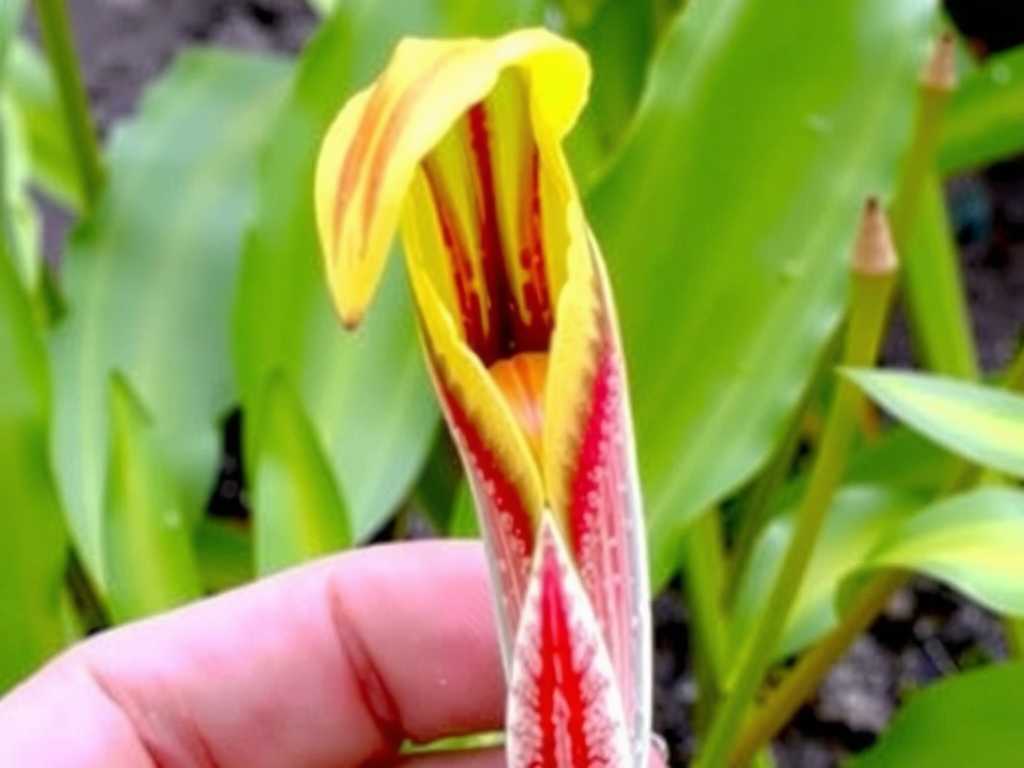
Never use tap water. Dissolved minerals (hard water) and chemicals like chlorine will accumulate, burn delicate new roots, and inhibit growth. Exclusively use rainwater, distilled water, or reverse osmosis water. The goal is to keep the propagation medium consistently moist, not waterlogged. The "tray method" is ideal: place your pot in a saucer and keep about half an inch to an inch of clean water in it at all times. The medium will wick up the moisture it needs. For delicate cuttings in moss, simply ensure the moss never dries out completely. Overhead watering can disturb cuttings and compact the medium, so bottom-watering via the tray is the superior technique for propagation.
Solution 4: Implement Strict Sterilization Protocols
Contamination is the silent killer of propagation projects. Fungus gnats, algae, mold, and bacteria thrive in the warm, moist conditions we create for our plants.
Begin with sterile tools and pots. Wipe blades with isopropyl alcohol or pass them through a flame between cuts. Use new or thoroughly cleaned pots. Your growing medium should be fresh. While sphagnum moss has antiseptic properties, pasteurizing your soil mix (a standard peat-perlite-sand blend) by baking it in an oven at 200°F (93°C) for 30 minutes can eliminate lurking pests and pathogens. If you see algae forming on the surface of the medium, gently scrape it off and consider slightly reducing the water level in your tray. For fungus gnats, which lay eggs in moist soil, use yellow sticky traps. A layer of coarse sand or milled sphagnum on the soil surface can also deter egg-laying.
Solution 5: Provide Ideal Light and Temperature Conditions
Light and temperature act as the engine for growth. Insufficient light leads to weak, etiolated growth that is prone to disease. Incorrect temperatures can stall development or induce rot.
Newly propagated Sarracenia need intense light, but the method matters. For cuttings under humidity domes, use strong, indirect light or dappled sunlight. For established divisions potted normally, provide full sun—at least 6 hours of direct sunlight daily. If growing indoors, a strong LED or fluorescent grow light placed close to the plants is essential. As noted by Dr. Theo Michaels, a botanist specializing in carnivorous plant ecology, "Light is the primary energy source for root regeneration. A well-lit cutting will allocate resources to root development far more efficiently than one struggling for photons."
Temperature should mimic the natural seasonal cycle. During the active propagation and growth period (spring-summer), aim for daytime temperatures between 70-85°F (21-29°C) with a slight drop at night. This diurnal swing encourages healthy metabolism. Avoid excessive heat above 90°F (32°C) in a confined propagator, as it promotes rot.
Addressing Your Top Sarracenia Propagation Concerns
How long does it take for a Sarracenia division to show new growth? Patience is essential. A healthy division performed in early spring may show its first new pitcher within 4-8 weeks. However, the plant is focusing energy below ground on root establishment. A full recovery, with multiple robust pitchers, often takes an entire growing season. Don't be alarmed if growth seems slow initially.
Can I propagate Sarracenia from a single leaf? Unlike some plants, Sarracenia cannot be propagated from a pitcher leaf alone. Successful propagation requires a piece of the rhizome, the underground stem. A "leaf pulling" must include the small, white section at the base where the leaf attaches to the rhizome. This small tissue contains the meristematic cells needed to generate a new plant.
My propagated plant is producing small, weak pitchers. Is this normal? Yes, this is very common and not a cause for major concern. The first season after propagation, the plant is dedicating its limited resources to building its root system. The initial pitchers are often smaller and may lack full coloration. This is not a failure. Continue providing optimal care—full sun, clean water, and appropriate winter dormancy—and you should see significantly larger, more characteristic pitchers in the second growing season.
Successfully propagating Sarracenia is a rewarding skill that deepens your understanding of these fascinating plants. By mastering precise rhizome division, leveraging humidity, insisting on pure water, maintaining a clean environment, and providing strong light, you transform common failures into consistent cloning success. Each new plant started is a testament to your care and a step toward a more expansive, thriving carnivorous collection. Start your next propagation project with these solutions in mind, and watch your success rate soar.