bluename
 How to Care for Sarracenia varieties in Winter: 6 Dormancy Tricks
It’s that time of year again. The vibrant pitchers of your Sarracenia are starting to fade, and a wave of panic hits you. “Is it dying? What am I supposed to do now?” If you’ve ever lost a beautiful pitcher plant because winter care seemed confusing or risky, you’re not alone. For years, I struggled with the same fear, treating my Sarracenia flava and purpurea like tropical houseplants year-round, only to watch them weaken each spring. The turning point came when I finally understood one non-negotiable fact: Sarracenia dormancy is not a suggestion; it’s a biological imperative for their long-term health and spectacular spring growth. Through trial, error, and meticulous observation, I’ve refined a set of practical tricks that work. Today, I’ll share with you my personal, hands-on guide on how to care for Sarracenia in winter, detailing exactly what I do, the mistakes I’ve made, and the clear results I’ve seen after a dedicated two-week transition period.
Understanding the “Why”: The Non-Negotiable Dormancy Period
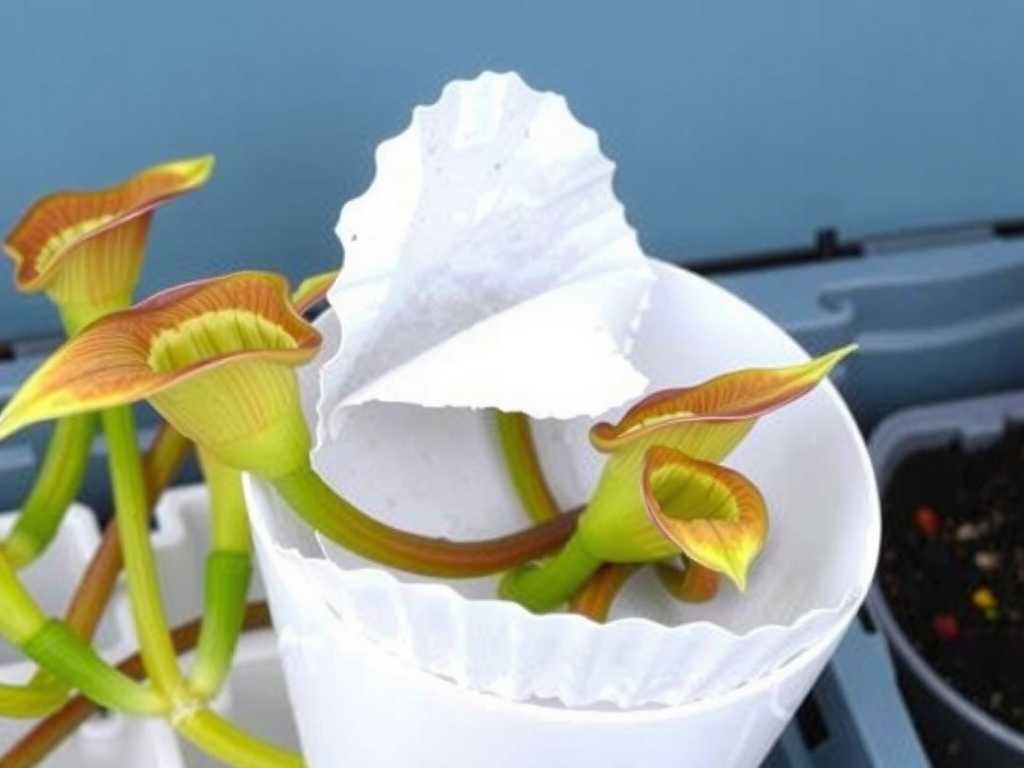
Before we dive into the tricks, let’s ground ourselves in the “why.” Sarracenia are native to temperate regions of North America, experiencing distinct cold seasons. Dormancy is their rest period, a crucial time to conserve energy and prepare for the explosive growth of spring. According to the International Carnivorous Plant Society (ICPS), attempting to force year-round growth without this rest will exhaust the plant, leading to stunted growth, susceptibility to disease, and eventual death. Think of it as their essential hibernation. My goal is to simulate these natural conditions as safely and effectively as possible, whether you grow them outdoors or need to bring them into a protected space.
My 6-Step Dormancy Routine: A Two-Week Transition Plan
I don’t just flip a switch when the first frost warning hits. I implement a gradual, two-week transition plan. This slow adjustment minimizes shock and gives both the plant and me time to prepare.
Trick 1: The Gradual Light Reduction Signal
About two weeks before the expected first frost, I start adjusting their light. For my outdoor bog gardens, nature handles this. But for my potted Sarracenia varieties on the sunny patio, I begin moving them to a spot that receives a few hours less direct sun each day. For indoor growers under lights, I reduce the photoperiod by one hour every three days until reaching about 8 hours of light. This signals to the plant that the seasons are changing. I observed that plants moved abruptly into low light showed more pitcher die-back, while those transitioned gradually retained healthier rhizomes.
Trick 2: Mastering the Watering Wind-Down
This was my biggest early mistake. I used to keep the soil as soggy in winter as in summer. Big error. Wet, cold roots in stagnant conditions are a recipe for rhizome rot. Now, I change my watering strategy completely. During the two-week transition, I allow the saucers to dry out for a day before re-watering. Once dormancy is fully initiated, the goal is to keep the soil only moist, not waterlogged. I check by touch; the top layer can feel slightly dry, but the deeper peat should retain a cool dampness. The American Sarracenia Conservancy (ASC) emphasizes that the medium should never be allowed to dry out completely, but saturated conditions are the primary killer during dormancy.
Trick 3: Choosing and Preparing the Right Winter Location
Your climate zone dictates this choice. I’ve experimented with three methods:
- Unheated Garage or Cold Frame: This is my preferred method for my S. leucophylla and S. rubra. After the transition period, I move them into my unheated, detached garage. It stays between 32°F (0°C) and 45°F (7°C), perfectly within the ideal dormancy range. It’s dark, but that’s fine—they are dormant. A cold frame works on the same principle.
- The “Fridge” Method for Warm Climates: Living in a warmer zone previously, I successfully used the fridge method for individual pots. After preparing the plants (trimming old pitchers, checking for pests), I placed the potted, moistened Sarracenia in a sealed plastic bag with a few air holes and stored them in the vegetable crisper for 3-4 months. It works remarkably well for a small collection.
- Protected Outdoor Mulching: For my hardy S. purpurea ssp. purpurea in the ground, I heavily mulch around the base with pine needles or straw after the ground is cold. This protects the rhizome from freeze-thaw cycles.
Trick 4: The Strategic Trim – What to Cut and What to Leave
Resist the urge to give your plant a buzz cut! Old, brown pitchers can be trimmed back to about an inch above the rhizome. However, I always leave any green or partially green growth. These remaining parts can still perform minimal photosynthesis. One winter, I got scissor-happy and removed all pitchers, thinking it looked tidier. That spring, those plants were noticeably slower to produce new growth than the ones where I’d left some green. The dead, brown material poses little risk of mold if air circulation and moisture are correct (Trick 5).
Trick 5: Ensuring Airflow and Monitoring for Mold
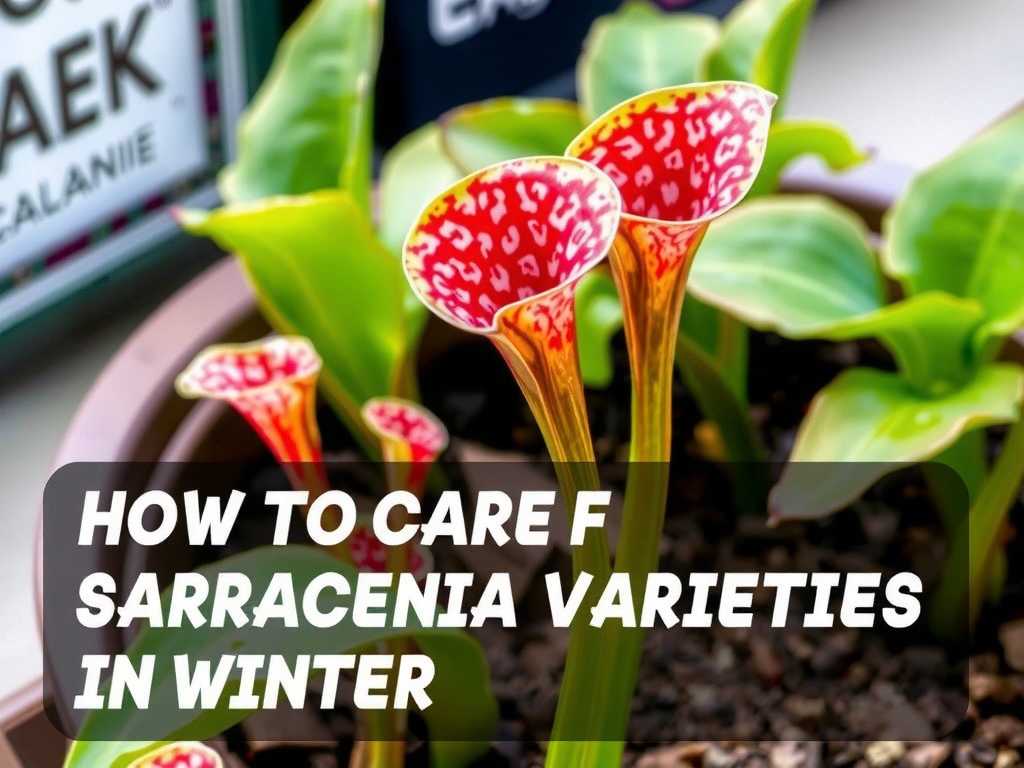
A stagnant, humid, cold environment invites mold and fungus. In my garage setup, I ensure pots aren’t crammed together. I also run a small, low-speed fan in the garage for a few hours a day to keep air moving. This simple step, recommended by many experienced growers, has virtually eliminated the patches of white fungus I used to see on the peat moss surface. For fridge storage, the sealed bag (not tied tightly) creates a microclimate, but checking once a month for any signs of condensation or rot is crucial.
Trick 6: The Patient Spring Wake-Up Call
When consistent daytime temperatures are reliably above 50°F (10°C) and frost danger has passed, I reverse the process. I move plants back into brighter light over a week or two and gradually increase watering back to the classic “tray method” saturation. The first signs of life—tiny, knobby flower buds and flat, non-carnivorous leaves called phyllodia—are incredibly rewarding. It usually takes 3-4 weeks of warmer temps to see vigorous pitcher growth.
My Two-Week Observation Log: What Actually Happened
When I first implemented this full transition plan, I kept a close log. By Day 3 of reduced light, I noticed pitcher color beginning to dull slightly. By Day 7, the oldest pitchers showed accelerated browning at the tips. By Day 14, growth had completely halted, and the plants looked “settled” into their winter state. Moving them to the cold garage at this point caused no further visible stress. The key takeaway? The plants responded visibly to the gradual cues, entering dormancy smoothly rather than abruptly shutting down.
Common Pitfalls I’ve Encountered (And How to Fix Them)
- Pitfall: The “Warm Windowsill” Trap. I once tried keeping a S. psittacina on a cool windowsill indoors. It never truly dormant, grew spindly, and was decimated by aphids by February. Fix: Commit to true cold. A consistently cold location is healthier than a marginally warm one.
- Pitfall: Overwatering in Cold. This led to my first case of rhizome rot. The plant felt mushy at the base in spring. Fix: Stick to the “moist, not wet” rule. Lift the pot; it should feel light but not desiccated.
- Pitfall: Ignoring Pests Before Storage. I inadvertently put a scale-infested plant into fridge dormancy. The pest population boomed in the bag. Fix: Always do a thorough pest inspection and treatment, if needed, during the pre-dormancy trim.
Frequently Asked Questions
Can I skip dormancy if I grow my Sarracenia under lights year-round? You can try, but you shouldn’t. Even with controlled lights, the plant’s internal clock expects a rest. Skipping it will shorten the plant’s lifespan and diminish its vitality. A period of reduced light and cooler temperatures is still required for sustainable health.
My Sarracenia is producing a flower bud in late fall. Should I be concerned? Not at all! This is perfectly normal for some varieties, especially S. flava. The flower bud forms in late fall, rests over winter (often looking like a furry spear), and then blooms in spring. Do not cut it off; it’s a sign of a happy, healthy plant following its natural cycle.
What if we have an unusually warm winter week and my dormant plant starts growing? A brief warm spell can trigger premature growth. Don’t panic. If a new pitcher starts forming, let it be. Just ensure the plant is protected when cold returns. The new growth may be damaged, but the plant’s energy reserves in the rhizome will allow it to try again when true spring arrives. Avoid the temptation to bring it into full summer conditions prematurely.
Successfully guiding your Sarracenia through winter dormancy is the most important skill you can master as a grower. It requires a shift in mindset—from active cultivator to passive protector. By providing the right signals of cooler temperatures, reduced light, and careful moisture, you are not neglecting your plant; you are giving it the gift of rest it desperately needs. The reward comes in spring: stronger rhizomes, more numerous and vibrant pitchers, and the profound satisfaction of working in harmony with your plant’s natural biology. Trust the process, learn from the quiet winter months, and prepare for a spectacular display when the growing season returns.