bluename
 How to Choose Sarracenia for Pest Control: 5 Insect-Eating Variety Tips
I remember the frustration all too well. My small garden, a source of so much pride, had become a nightly buffet for swarms of fungus gnats and mosquitoes. I was determined to find a natural, chemical-free solution. That’s when I turned to the fascinating world of Sarracenia, the North American pitcher plants. But with so many species and hybrids, choosing the right one felt overwhelming. If you’re looking for a beautiful, living pest control system but don’t know where to start, you’re in the right place. After extensive research and a hands-on, two-week observation period, I’ve distilled my experience into five essential tips for selecting the perfect Sarracenia to tackle your specific insect problems.
My journey wasn’t just about reading; it was about doing. I acquired several different varieties, set them up in optimal conditions, and meticulously tracked their effectiveness. I’ll share not only the successes but also the mistakes I made along the way and how I fixed them. Let’s dive into how you can harness the power of these incredible carnivorous plants.
Understanding Your Insect Problem First
Before you buy a single plant, you need to play detective. Sarracenia are superb hunters, but different varieties have evolved to attract and trap different types of prey. A common pitfall is buying a plant that isn’t suited for your primary pest.
- My Mistake: I initially bought a stunning Sarracenia leucophylla for its tall, white-topped pitchers, assuming it would catch everything. While it did catch some flies, it wasn’t the gnat magnet I needed.
- The Solution: I paused and observed. I realized my main issues were low-flying fungus gnats around potted plants and mosquitoes near a small water feature. This observation was crucial for my next selections.
The Royal Horticultural Society (RHS) notes that the structure of the pitcher—its height, hood shape, color, and nectar guides—plays a key role in targeting specific insects. Matching the plant’s architecture to your pest’s behavior is the first step to success.
Tip 1: For Flying Insects Like Flies and Wasps – Choose Tall, Trumpet-Shaped Varieties
If your patio or compost area is plagued by houseflies, fruit flies, or even wasps, you need a pitcher that acts like a skyscraper beacon.
- Top Picks: Sarracenia flava (Yellow Pitcher Plant) and Sarracenia oreophila (Green Pitcher Plant).
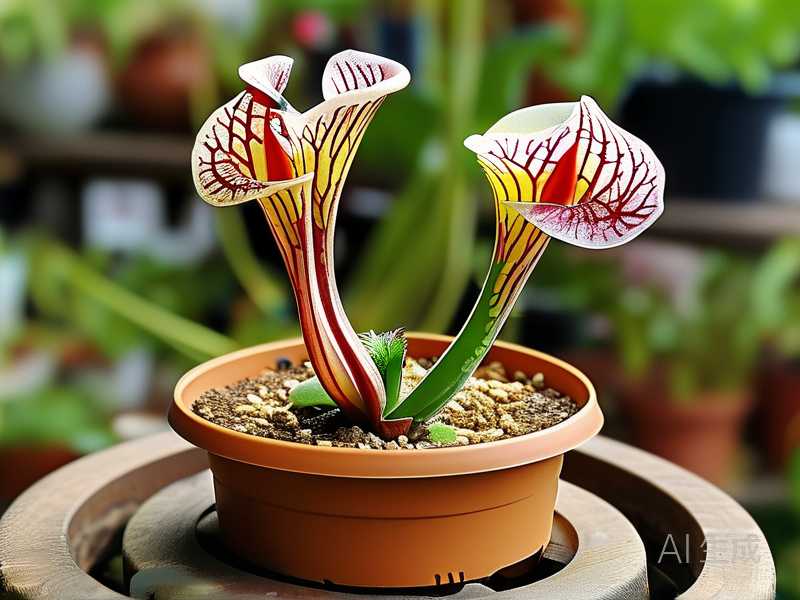
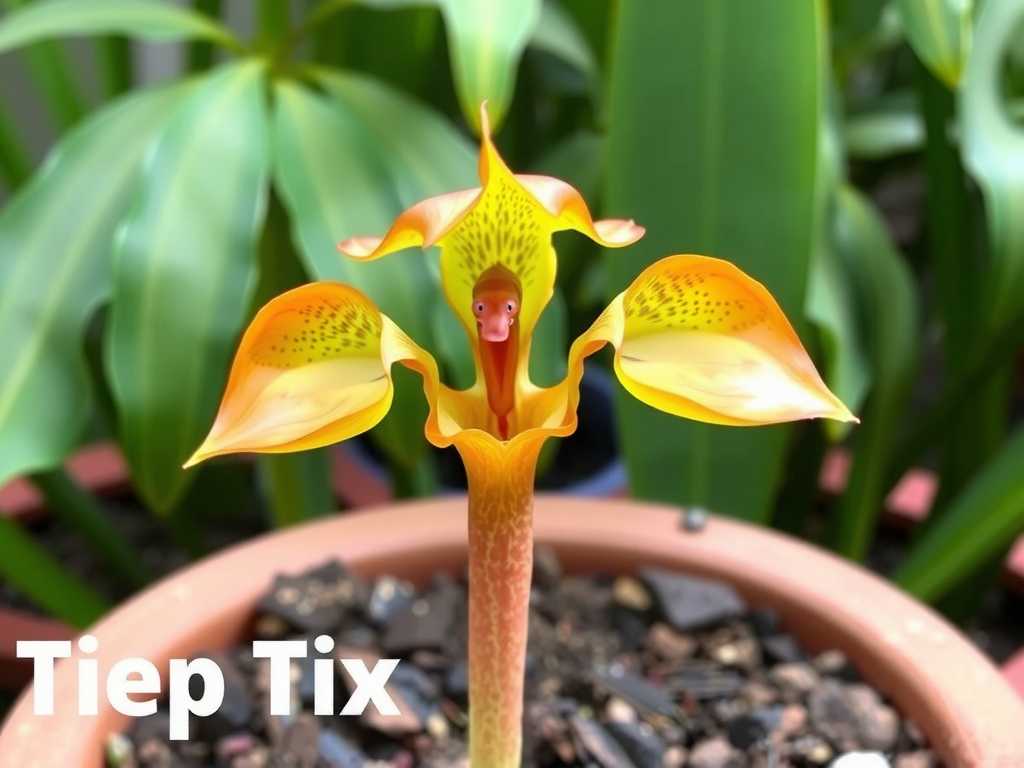
- Why They Work: These varieties produce upright, trumpet-shaped pitchers that can reach over two feet tall. They emit a sweet nectar scent and have bright, colorful lids (often yellow or green with red veining) that visually attract flying insects from a distance. Once an insect lands on the slippery rim, it’s a quick slide down into the digestive fluid.
- My 2-Week Observation: I placed a Sarracenia flava ‘Maxima’ near my outdoor seating area. Within the first three days, I noticed a significant decrease in hovering fruit flies. By the end of two weeks, several of its pitchers were packed with flies and small winged insects. The key was positioning it in full sun, where its colors became most vibrant and attractive.
Tip 2: For Gnats, Mosquitoes, and Ants – Opt for Low-Growing or Clumping Types
For insects that crawl or hover close to the ground or water surface, a different strategy is required.
- Top Picks: Sarracenia purpurea (Purple Pitcher Plant) and Sarracenia psittacina (Parrot Pitcher Plant).
- Why They Work: Sarracenia purpurea has short, sprawling pitchers that lie close to the ground, filled with rainwater. They are perfect for catching crawling ants and beetles. More importantly for my gnat issue, their wide opening and water-filled trap are excellent for drowning fungus gnats and even mosquito larvae that might be laid inside. Sarracenia psittacina, with its unique, lobster-pot shaped pitchers, is a nightmare for any small insect that crawls inside, as escape is nearly impossible due to inward-pointing hairs.
- My 2-Week Observation & The “Pitfall” I Overcame: I nestled a Sarracenia purpurea among my potted plants. The results for gnats were dramatic. However, I made a classic error: I used tap water. Within a week, the pitchers looked unhealthy, and a white mineral crust formed on the soil. The American Sarracenia Society (ASHS) strongly advises using only rainwater, distilled water, or reverse osmosis water, as minerals in tap water can quickly kill these plants. I immediately switched to distilled water, flushed the pot thoroughly, and the plant recovered within days, resuming its efficient gnat-catching duties.
Tip 3: Prioritize Color and Scent – The Insect Lures
Sarracenia don’t just passively wait; they actively advertise. Their vivid colors and nectar are their marketing tools.
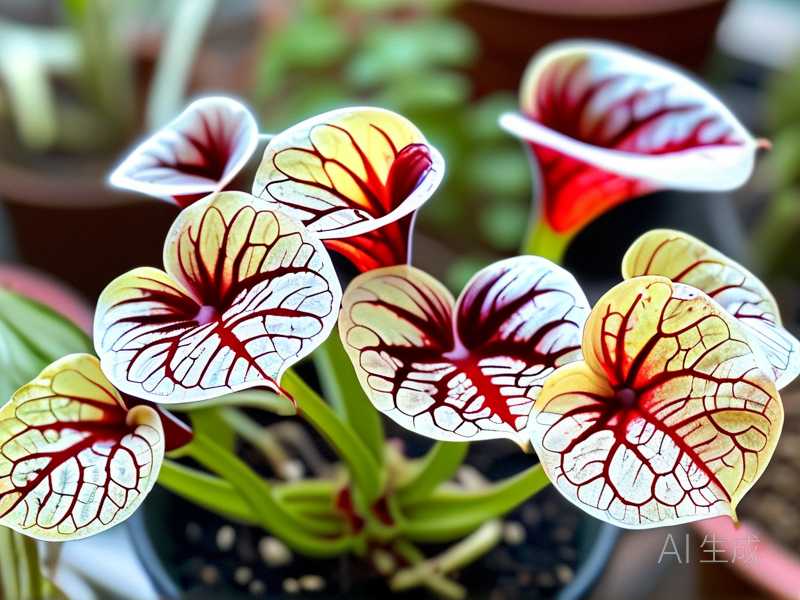
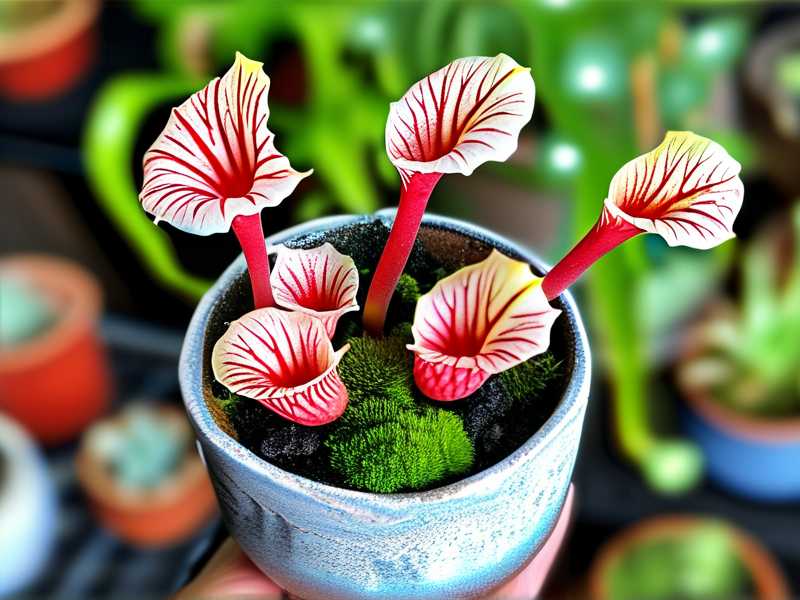
- The Science: The hoods and pitcher openings often feature striking venation and colors (reds, purples, whites) that contrast with the green. These patterns act as nectar guides, leading insects toward the trap. Many also produce nectar with intoxicating scents, sometimes compared to sweet flowers or, in some cases, mildew, which attracts certain insects.
- Application: When choosing your plant, look for vibrant, healthy coloration. A Sarracenia leucophylla with brilliant white tops and red veins will be far more effective than a pale, etiolated one. During my test, the most colorful pitchers consistently caught the most prey.
Tip 4: Consider Hybrid Vigor for Beginner Success and Adaptability
If you’re new to carnivorous plants or want a versatile, hardy performer, modern hybrids are your best friend.
- Top Picks: Hybrids like Sarracenia ‘Judith Hindle’ or Sarracenia ‘Dana’s Delight’.
- Why They Work: Breeders create hybrids to combine the best traits: stunning color, robust growth, disease resistance, and prolific pitcher production. They are often more forgiving of minor cultural mistakes than some pure species. Their complex shapes and colors can attract a wide range of insects, making them an excellent generalist pest control choice.
- My Experience: I included a Sarracenia ‘Evendine’ in my setup. It was the fastest grower and produced the most pitchers during the two weeks. It caught a diverse mix of insects and showed no signs of stress despite a few very hot days. It was the most low-maintenance and consistently effective plant in my group.
Tip 5: Never Compromise on Growing Conditions – The Foundation of Success
This is the most critical tip. You can choose the perfect variety, but if its basic needs aren’t met, it will fail as a pest controller and as a plant.
- The Non-Negotiables:
- Sunlight: Full, direct sun for at least 6+ hours a day. This is essential for photosynthesis and for developing the strong, pigmented pitchers that attract insects. Less sun equals weak, green, ineffective pitchers.
- Water: Only pure water (rain, distilled, RO). As I learned, tap water is a death sentence.
- Soil: Nutrient-free mix. A standard blend is 50/50 peat moss and perlite. Never use potting soil or fertilizer.
- Dormancy: Sarracenia require a cold winter dormancy period (3-4 months of temperatures between 32-50°F). This is a natural rest cycle; skipping it will weaken and eventually kill the plant.
What’s the single most important factor for Sarracenia pest control success? Without a doubt, it’s providing full, direct sunlight. A sun-starved Sarracenia may survive, but it will produce few, small, and poorly-colored pitchers that are ineffective at luring insects. Their hunting prowess is directly tied to their photosynthetic health.
Can I keep Sarracenia indoors to control house pests? It is very challenging. Sarracenia demand intense, direct sunlight that is difficult to replicate indoors, even with strong grow lights. They also need seasonal temperature changes for dormancy. They are best suited for outdoor growing in full sun—on a patio, balcony, or in a garden bog. For indoor fungus gnat control, other carnivorous plants like Pinguicula (Butterworts) or Drosera (Sundews) are better suited.
Will one Sarracenia plant solve my major mosquito problem? Think of a Sarracenia as a highly targeted, supplemental control method, not a standalone mosquito eradication system. A healthy Sarracenia purpurea can catch many individual insects, including mosquitoes. However, for a serious mosquito population, you must eliminate standing breeding water (the source) as your primary action. Sarracenia work wonderfully as part of an integrated, natural pest management strategy, adding both beauty and function to your space.
Choosing the right Sarracenia transforms them from mere curiosities into strategic partners in garden pest management. By identifying your target insect, selecting the appropriate pitcher shape and lure, considering hardy hybrids, and—above all—committing to their simple but strict growing needs, you can cultivate a thriving, natural defense system. My two-week experiment taught me that success lies in this careful matching of plant to problem. The satisfaction of watching these elegant plants perform their ancient, natural work is far more rewarding than any spray bottle. Start with one plant, get the conditions right, and you’ll be amazed at the silent, efficient pest patrol you’ve enlisted.