bluename
 How to Care for Sarracenia Long-Term: 6 Longevity Tips for Thriving Pitcher Plants
You’ve successfully kept your Sarracenia alive past its first season—congratulations! But now you’re facing the real challenge: ensuring your carnivorous companion thrives for years, even decades. Many growers hit a wall where plants stop pitchering vigorously, seem perpetually weak, or mysteriously decline. The frustration is real when short-term fixes fail to produce a robust, long-lived specimen. The secret isn’t in constant coddling but in mastering a few non-negotiable, long-term Sarracenia care principles that mimic their native habitat. This guide delivers six essential longevity tips to transform your care routine from basic survival to fostering a spectacular, enduring display.
Understanding the Sarracenia’s Natural Lifecycle
To care for a plant long-term, you must understand its rhythm. Sarracenia are perennial bog plants adapted to distinct seasonal changes in the southeastern United States. Their year is a cycle of explosive spring growth, prolific summer pitcher production, a slowdown in fall, and a crucial winter dormancy. Ignoring this cycle—especially the dormancy period—is the single biggest reason for premature decline. Long-term pitcher plant health depends on honoring this natural rest phase, which rejuvenates the plant for the next growing season. Think of dormancy not as a period of neglect, but as a vital, restorative sleep.
Tip 1: Prioritize Dormancy – The Non-Negotiable Rest Period
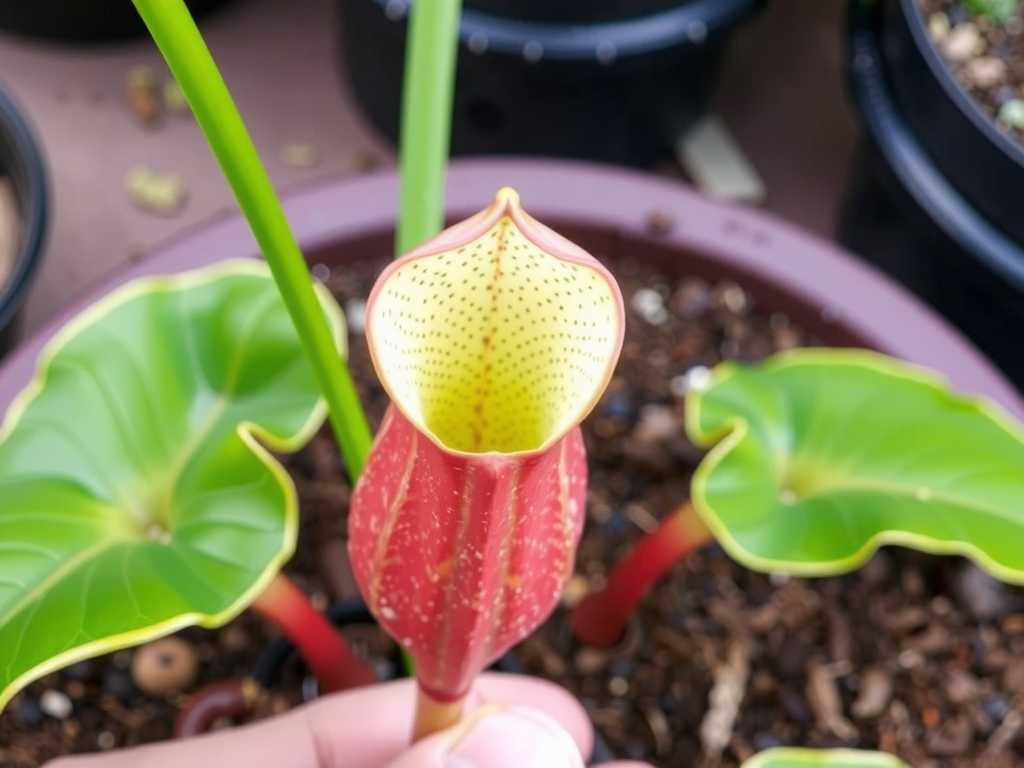
Dormancy is not optional; it’s the cornerstone of Sarracenia longevity. As daylight wanes and temperatures drop in fall, your plant will stop producing new pitchers, and some may turn brown. This is normal. They require a 3-4 month period of cold (between 32°F and 50°F / 0°C and 10°C) to reset.
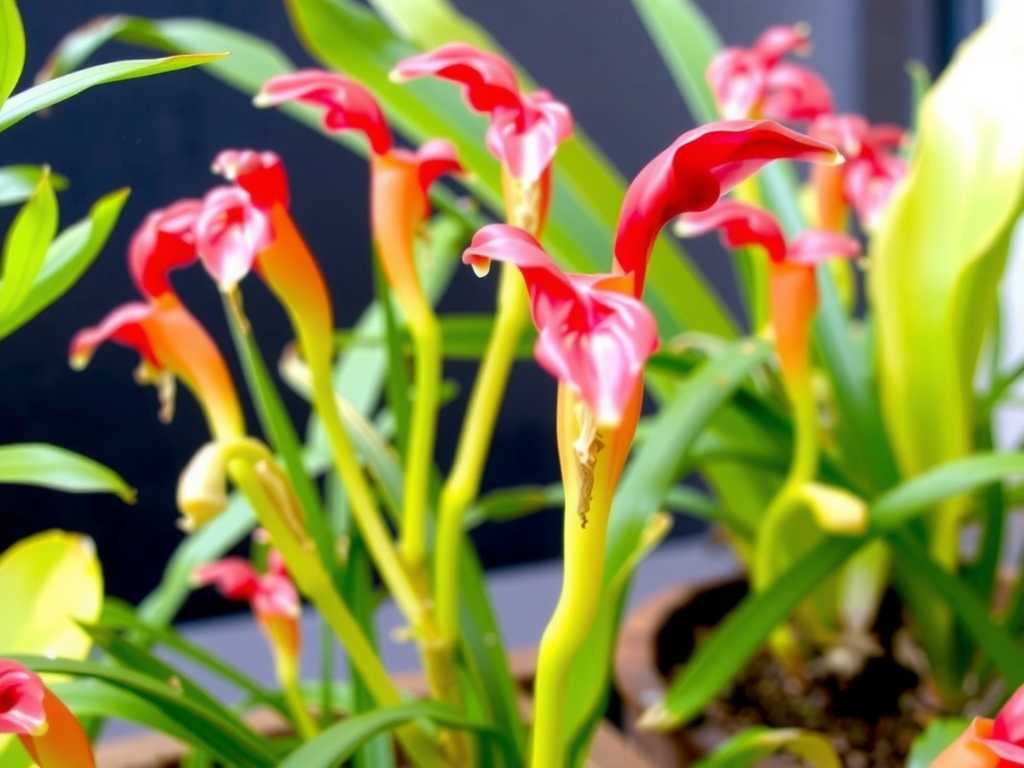
For outdoor growers in suitable climates, this happens naturally. In colder regions or for indoor/ greenhouse plants, you must simulate it. An unheated garage, cold frame, or even a refrigerator (for potted, prepared plants) can work. Reduce watering significantly during this time, keeping the soil just barely damp, not soggy. This cold period prevents the plant from exhausting its energy reserves, ensuring vigorous growth when spring warmth returns.
Tip 2: Water Wisely for Decades, Not Just Seasons
The golden rule is simple: only use low-mineral water. Tap water, bottled drinking water, and softened water contain dissolved salts and minerals that will accumulate in the soil over long-term Sarracenia care, slowly poisoning the roots. This cumulative toxicity is a silent killer that manifests over years.
Use only rainwater, distilled water, or reverse osmosis water. Consistently water from below via the tray method, keeping the pot standing in 0.5 to 1 inch of water during the growing season. This perfectly mimics the constantly moist, yet well-aerated, conditions of a bog. In winter dormancy, simply keep the soil slightly moist. This unwavering commitment to pure water is perhaps the most critical practice for sustaining pitcher plant health over the long haul.
Tip 3: Sunlight is Their Fuel – Maximize Exposure
Sarracenia are extreme sun-lovers. For robust growth and large, colorful pitchers, they need a minimum of 6 hours of direct, unfiltered sunlight daily; 8+ hours is ideal. Insufficient light leads to weak, floppy, green pitchers and a plant susceptible to disease.
When planning your plant’s long-term placement, choose the sunniest spot possible—a south-facing balcony, patio, or windowsill. Don’t be afraid of full, blazing sun. As expert and author of The Savage Garden Peter D’Amato states, “Give them as much sun as you possibly can. They can never get too much.” This intense solar energy fuels photosynthesis and the metabolic cost of producing their complex pitcher traps. A sun-starved Sarracenia is a dying Sarracenia, even if the decline takes a few seasons.
Tip 4: The Right Soil Mix and Repotting Schedule
Sarracenia require nutrient-free, acidic, and airy soil. A standard mix is a 1:1 ratio of sphagnum peat moss and perlite. Avoid any soil with added fertilizers, compost, or manure. This mix provides the perfect root environment but breaks down over time.
For long-term Sarracenia health, repotting every 2-3 years is essential. It refreshes the acidic medium, prevents compaction, and allows you to divide overcrowded rhizomes (the horizontal underground stem). Repot in late winter or very early spring, just as dormancy ends. Gently remove old soil, divide the rhizome with a sterile knife if desired (ensuring each division has roots), and replant in a clean pot. This periodic renewal prevents root rot and gives your plant space to expand for decades.
Tip 5: Feed the Plant, Not the Soil
Sarracenia are adapted to nutrient-poor soils and get their nutrition from insects they catch. You should never fertilize the soil or roots. Applying traditional plant food will burn the roots and rapidly kill the plant.
However, if grown indoors or in a very protected area where insects are scarce, you can assist. Drop small, freshly killed or dried insects (like flies or bloodworms) into a few of the pitchers every month during the growing season. Do not overdo it; one insect per pitcher is plenty. The plant produces digestive enzymes to break down the prey. This sustained feeding strategy supplements their diet without resorting to harmful fertilizers, supporting steady growth year after year.
Tip 6: Pest Vigilance and Sustainable Division
Even hardy Sarracenia can face pests like aphids, scale, or mealybugs, often on flower stalks or new growth. A long-term care plan includes regular inspection. For infestations, use a diluted horticultural oil or insecticidal soap spray, carefully applied.
Furthermore, division is not just for propagation—it’s a longevity practice for Sarracenia. Mature clumps can become too dense, center growth can die out, and resources become strained. Dividing healthy, mature plants every 3-4 years during repotting stimulates fresh growth from each division, essentially resetting the plant’s clock. It’s a proactive measure to maintain vitality and gives you new plants to expand your collection or share.
Frequently Asked Questions
Can I grow Sarracenia indoors on a windowsill long-term? Yes, but success depends on providing sufficient light and a proper dormancy period. A very bright, unobstructed south-facing window is mandatory. For dormancy, you must move the plant to an unheated but sheltered location (like a garage) for winter. Without both intense light and cold dormancy, indoor plants will gradually weaken.
My Sarracenia’s pitchers turn brown quickly. Is it dying? Individual pitchers have a lifespan of several months to a year before naturally browning and dying back. This is part of the plant’s renewal process. As long as new, healthy pitchers are consistently being produced from the center during the growing season, the plant is fine. Simply trim off the dead brown material to keep it tidy and prevent mold.
How cold is too cold for Sarracenia in winter? Most common Sarracenia species (like S. purpurea, flava, leucophylla) are remarkably cold-hardy and can withstand temperatures well below freezing once dormant, with some tolerating brief dips into the teens Fahrenheit (-10°C). The key is that the rhizome (root) is protected in the moist soil. The real danger in winter is “heaving” from freeze-thaw cycles or desiccation from cold, dry winds, which is why a thick mulch or snow cover is beneficial.
Mastering the care of Sarracenia over the long term is a rewarding journey that deepens your connection to these fascinating carnivores. It shifts the focus from mere survival to fostering resilience and spectacular beauty that unfolds over years. By faithfully providing the essentials—pure water, maximum sun, seasonal dormancy, and periodic soil renewal—you create the conditions for a pitcher plant that doesn’t just live, but truly thrives. The result is a living testament to your patience and understanding: a robust, insect-catching marvel that can grace your garden or home for a lifetime.