bluename
 How to Fix Sarracenia Root Bound: 4 Repotting Tricks to Save Your Pitcher Plant
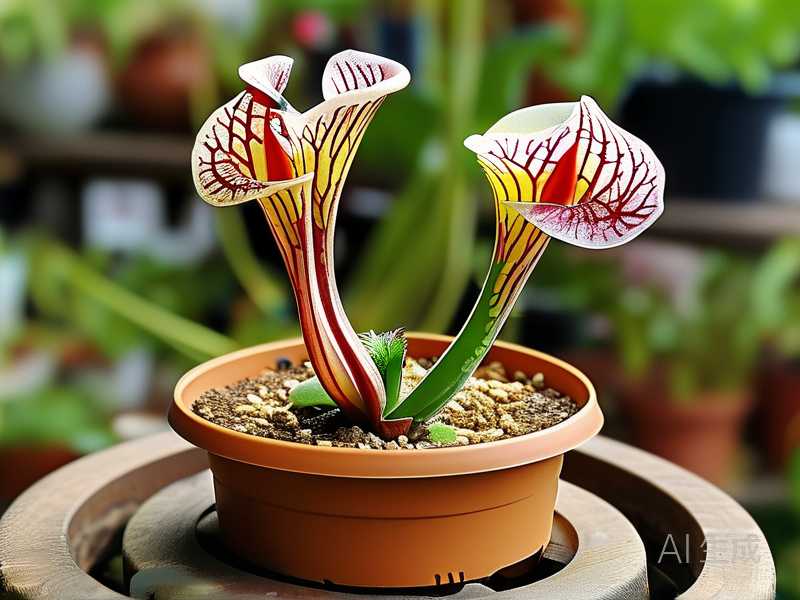
You’ve noticed your Sarracenia’s growth has stalled. The pitchers are smaller, maybe fewer in number, and the once-vigorous clump seems oddly crowded in its pot. Water runs straight through without soaking in, or worse, the plant looks perpetually thirsty despite regular watering. These are the classic, frustrating signs of a root-bound Sarracenia. When the intricate root system of these carnivorous wonders runs out of space, their health and spectacular insect-trapping performance decline rapidly. But don’t worry—this is a common and fixable problem. Repotting is the essential solution, and doing it correctly can rejuvenate your plant for years to come. This guide will walk you through four crucial repotting tricks to not only fix a root-bound Sarracenia but also ensure it thrives afterward.
Understanding the Root-Bound Sarracenia: Why It Happens and Why It’s Harmful

Sarracenia, like many perennial plants, are vigorous growers when their basic needs are met. In a single growing season, a healthy plant can produce a significant network of rhizomes (the thick, horizontal underground stems) and fine, fibrous roots. When confined to a container, these roots eventually circle the pot, mat together densely, and exhaust the available nutrients and moisture-holding capacity of the old soil mix.
A severely root-bound plant faces multiple stresses. Physically constricted roots cannot effectively absorb water or nutrients, leading to stunted growth and poor pitcher development. The compacted root mass also deteriorates soil aeration, creating an environment where harmful anaerobic bacteria can thrive and potentially cause root rot. Furthermore, a dense, solid root ball makes it nearly impossible for water to penetrate evenly, causing dry pockets that further stress the plant. Recognizing this issue early is the first step toward a successful rescue operation.
Essential Pre-Repotting Preparation: Gathering Your Supplies
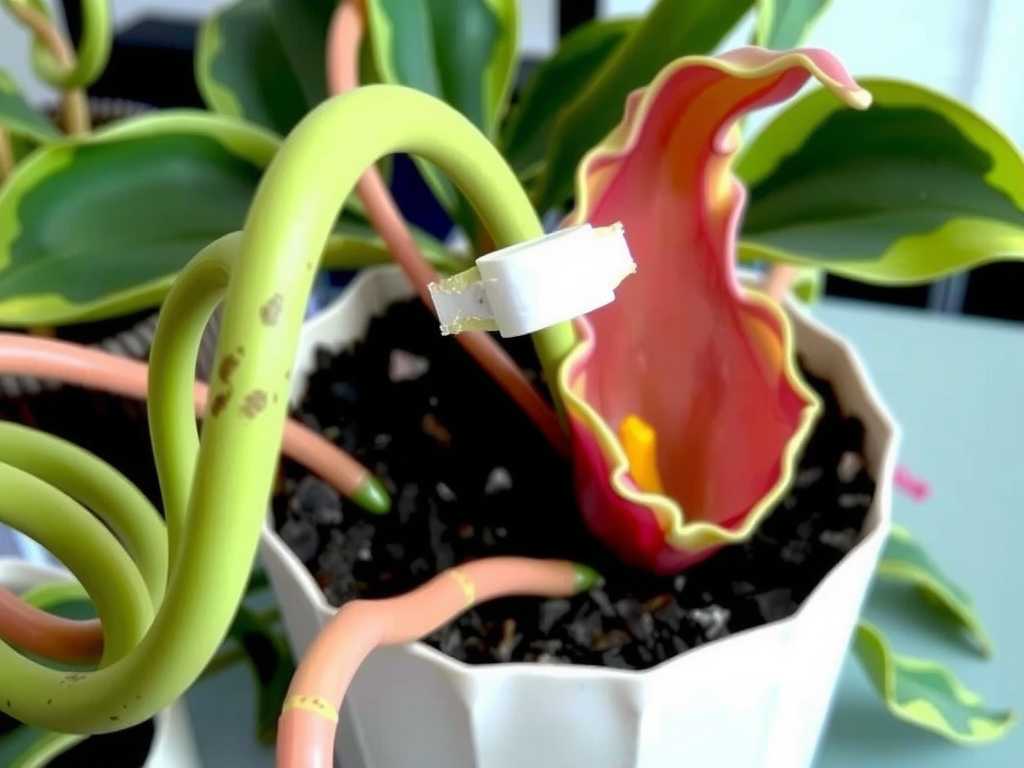
Before you begin the Sarracenia repotting process, having the right materials on hand is crucial for a smooth operation. Here’s what you’ll need:
- New Pot: Select a pot that is 2 to 4 inches wider in diameter than the current one. Avoid going too large too quickly, as excess soil can stay waterlogged. Plastic or glazed ceramic pots are excellent choices as they retain moisture. Ensure it has ample drainage holes.
- Soil Mix: Sarracenia require a nutrient-poor, acidic, and well-draining medium. A standard carnivorous plant soil mix is a 50:50 blend of sphagnum peat moss and perlite or horticultural sand. Never use regular potting soil, compost, or fertilized mixes, as these will burn the roots and kill the plant.
- Tools: Clean, sharp scissors or pruning shears, a trowel, a large bowl for mixing soil, and a watering can with distilled water, rainwater, or reverse osmosis water (tap water is usually harmful due to minerals).
- Timing: The absolute best time for repotting Sarracenia pitchers is in late winter or very early spring, just as the plant emerges from dormancy but before the major flush of new growth. This timing minimizes shock and allows the plant to establish in its new pot as the growing season begins.
Trick #1: The Gentle Extraction and Root Mass Assessment
The goal here is to remove the plant with minimal damage. For a plastic pot, gently squeeze and flex the sides to loosen the root ball’s grip. Tip the pot on its side and carefully slide the plant out. If it’s severely bound, you may need to run a clean knife around the inside edge.
Once out, observe the root mass. A healthy, slightly bound system will hold the soil shape. A problematic, severely root-bound Sarracenia will show a thick web of roots circling the exterior and bottom, with little soil visible. The rhizome may be pushed up to the surface. This is your confirmation that repotting is necessary.
Trick #2: Strategic Root Pruning and Rhizome Division
This is the most critical step. Unlike some houseplants, you should not simply tear apart the roots. Instead, be methodical.
First, using your fingers, gently tease apart and untangle the outer layer of the fibrous root mat. Shake away some of the old, spent soil. Next, with your clean, sharp shears, make several vertical cuts, about 1-inch deep, into the bottom and sides of the root ball. This “scoring” technique encourages new roots to grow outward into the fresh soil instead of continuing their circular pattern.
If your plant is a large, mature clump, this is the perfect opportunity for division—a great way to propagate. Locate the growth points on the rhizome (these look like buds or emerging pitchers). Using a sterile knife, you can cut the rhizome into sections, ensuring each division has at least one growth point and a portion of healthy roots. Dust the cut surfaces with a fungicide like sulfur powder to prevent infection.
Trick #3: Mastering the New Planting Depth and Soil Layering
Proper planting depth is non-negotiable for Sarracenia health. The rhizome, which sits at the base of the pitchers, is prone to rot if buried too deeply.
Prepare your new pot by filling the bottom with a layer of your pre-moistened peat/perlite mix. Place the root mass (or division) in the center. The key is to position the plant so that the top of the rhizome, where the pitchers emerge, sits just at or barely above the final soil surface. Adjust the base layer of soil to achieve this height.
Then, backfill around the roots with your soil mix, gently firming it to eliminate large air pockets. Do not pack it down tightly. The final soil level should leave the rhizome crown exposed. This ensures good air circulation and prevents crown rot.
Trick #4: The Critical Aftercare: Watering and Acclimation
Your job isn’t over once the plant is in its new pot. Post-repotting care is what seals the success.
Immediately after planting, water the pot thoroughly from the top using your purified water until it flows freely from the drainage holes. This is called “watering in,” and it helps settle the soil around the roots. For the first 3-4 weeks, employ the tray watering method for Sarracenia: place the pot in a saucer or tray and keep about 0.5 to 1 inch of water in it at all times. This ensures the root zone remains consistently moist as the plant establishes new roots into the fresh medium.
Place the repotted plant back in its usual sunny location. Provide bright, direct light (at least 6+ hours). You may notice a brief pause in growth or some minor stress, but with correct light and constant moisture, your Sarracenia will quickly resume vigorous growth, often producing larger and more colorful pitchers in response to its new space.
Frequently Asked Questions
Can I repot my Sarracenia while it’s in active growth or flowering? It’s best to avoid it unless absolutely necessary (e.g., severe rot). Repotting during dormancy or very early spring causes significantly less stress. If you must repot during growth, be extra gentle, minimize root disturbance, and provide impeccable aftercare, accepting that it may sacrifice some current-season growth or flowers.
My Sarracenia’s rhizome looks brown and mushy. What do I do during repotting? This indicates rot, often from being buried too deep or poor drainage. During repotting, use a sterile knife to cut away all soft, brown, or black parts of the rhizome until you reach firm, white or pale pink tissue. Dust the cuts with sulfur powder and replant in fresh, appropriate soil, ensuring the remaining healthy rhizome is right at the surface.
How often should I repot my Sarracenia to prevent it from becoming root-bound? As a general rule, repot Sarracenia every 2 to 3 years. Even if the plant doesn’t appear severely bound, the soil media breaks down over time, becoming more acidic and compacted. Refreshing the soil biennially provides renewed structure and nutrients, promoting long-term health and spectacular pitcher displays.
A root-bound Sarracenia is a cry for help, but also an opportunity. By following these four tricks—gentle extraction with root assessment, strategic pruning and division, precise planting depth, and diligent aftercare—you transform a stressful procedure into a rejuvenating ritual. This process not only resolves the immediate constraints but also resets the foundation for your carnivorous plant’s future. With its roots now free to explore fresh, aerated soil, your Sarracenia is poised to reward your care with a stunning resurgence of growth and a new season of fascinating insect-trapping prowess.