bluename
 How to Fix Sarracenia in Heat Damage: 4 Heat Stress Solutions
Seeing your prized Sarracenia pitcher plant wilt, discolor, or stop growing during a heatwave is a heart-sinking experience for any carnivorous plant enthusiast. You’ve provided the full sun they crave, yet suddenly, the very sun that fuels their incredible insect-trapping mechanisms seems to be turning against them. This is the confusing reality of heat stress in Sarracenia. While these plants are native to warm, sunny bogs, extreme or prolonged heat, especially when combined with other environmental factors, can push them beyond their limits, leading to heat damage. This guide is dedicated to helping you diagnose, treat, and prevent this issue, ensuring your pitcher plants not only survive but thrive through the hottest months. We will explore four practical and effective heat stress solutions to restore your plant's health.
Understanding Sarracenia Heat Stress: More Than Just Temperature
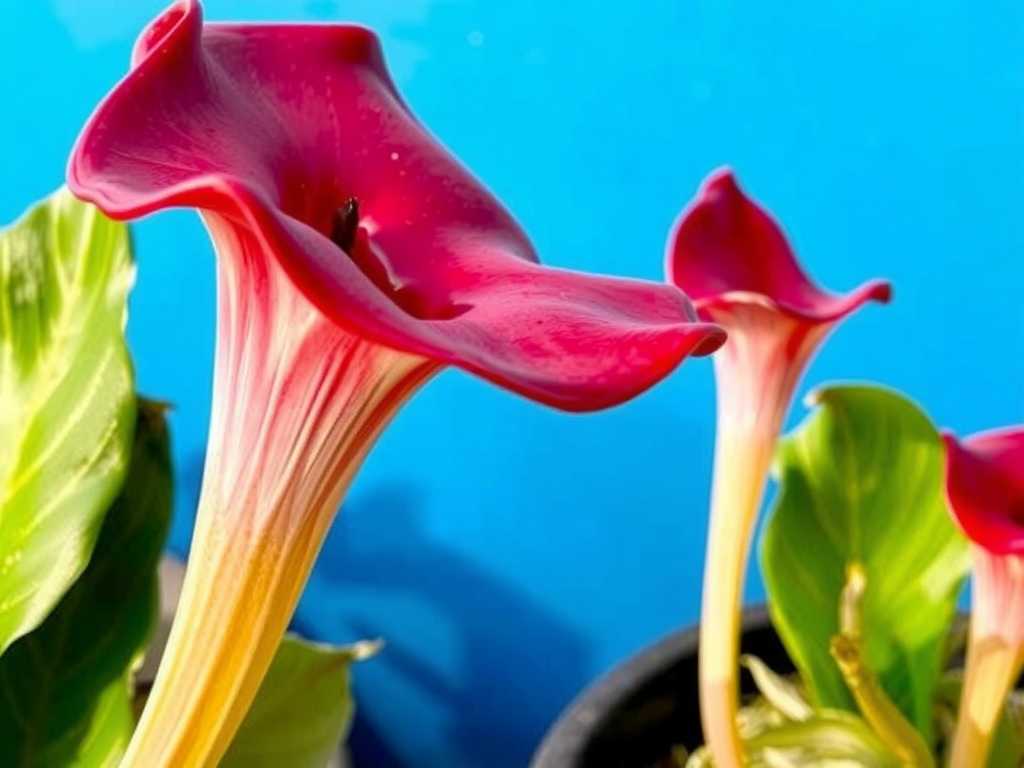
Before diving into the solutions, it’s crucial to recognize what heat stress in pitcher plants actually looks like. Heat damage is rarely about air temperature alone. It’s a syndrome often caused by a combination of high temperatures, intense solar radiation, and, most critically, root zone overheating. Sarracenia roots are adapted to cool, constantly moist, and well-aerated peat. When the pot or soil heats up excessively, the roots become stressed and inefficient, unable to supply enough water to the leaves to compensate for the moisture lost through transpiration in the hot sun.
Key symptoms include:
- Pitcher Wilting or Collapsing: The most obvious sign. Pitchers become soft, limp, and may fold over.
- Discoloration: Healthy pigments fade. Red and purple varieties may turn pale green or develop bleached, yellowish patches. Green varieties can take on a sickly, pale hue.
- Stunted Growth: New pitchers emerge smaller, malformed, or stop developing entirely.
- Crispy, Brown Leaf Tips: While some browning is normal for older pitchers, excessive crisping on new growth indicates water stress.
As noted by Dr. Laura B. Carter, a botanist specializing in wetland plants, "Sarracenia are masters of their specific niche. Their vulnerability to heat often stems not from the aerial environment but from a disrupted root-cooling system. Replicating the natural thermal mass and evaporative cooling of a bog is the key to cultivation success in hot climates."
Now, let’s explore the four core strategies to fix heat-damaged Sarracenia.
Solution 1: Implement Strategic Shading and Relocation
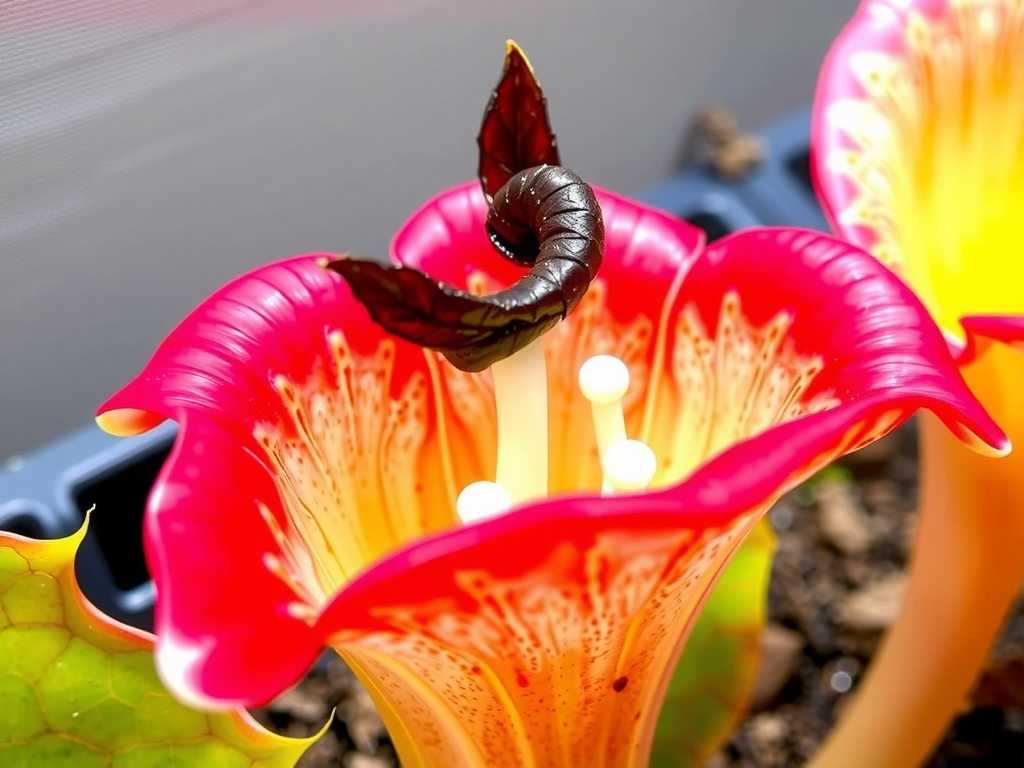
The immediate action for a heat-stressed plant is to reduce its solar load. This doesn’t mean moving it to deep shade, which would deprive it of the light it needs for photosynthesis, but rather providing filtered or temporary shade during the peak heat of the day.
- Use Shade Cloth: A 30-50% shade cloth positioned above your plants during a heatwave (typically from 11 AM to 4 PM) can lower ambient temperature and light intensity dramatically, preventing further scorching.
- Relocate Pots Temporarily: If your plants are in containers, simply moving them to a spot that receives bright morning sun but dappled afternoon shade can provide immense relief. An east-facing location is often ideal for this interim period.
- Employ Natural Sunblocks: Placing taller, heat-tolerant plants to the west of your Sarracenia can create a natural sun barrier during the harshest afternoon rays.
The goal is to create a "cool sun" environment. After the extreme heat passes, you can gradually remove the shading to reacclimate the plant to full sun, a process crucial for maintaining its long-term vigor and color development.
Solution 2: Optimize the Watering Regime for Evaporative Cooling
This is arguably the most critical of all heat stress solutions. Your watering strategy must shift from mere hydration to active cooling.
- The Tray Method, Enhanced: Sarracenia are typically watered via the tray method, keeping 1-2 inches of water in the saucer. During heatwaves, increase this to 2-3 inches. The larger volume of water takes longer to heat up and provides a greater reservoir for the plant.
- Top-Watering for Cooling: In addition to the filled tray, gently top-water the soil surface in the early evening. As this water evaporates overnight and in the morning, it creates a localized cooling effect around the crown and pitchers, mimicking the evaporative cooling of a bog. Always use distilled, rainwater, or reverse osmosis water.
- Avoid Midday Watering: Watering the soil surface in the blazing midday sun can actually steam the roots and should be avoided. Focus on maintaining the deep tray and using evening top-watering for cooling.
Solution 3: Address Root Zone Overheating with Pot and Media Management
If the roots are cooking, the plant will fail. Keeping the root zone cool is non-negotiable.
- Choose Light-Colored Pots: Dark plastic or ceramic pots absorb tremendous heat. Switch to light-colored, white, or glazed pots that reflect sunlight. Fabric grow bags are also excellent as they allow for superior air pruning and naturally stay cooler due to air circulation through their sides.
- Create a Thermal Buffer: Place your pot inside a second, larger pot. The air gap between the two acts as superb insulation. You can even fill this gap with slightly damp sphagnum moss for an added evaporative cooling effect.
- Ensure Proper Soil Composition: The standard Sarracenia mix of peat moss and perlite/sand is perfect because peat retains moisture while staying relatively cool. Ensure your mix is fresh and hasn’t broken down into dense, heat-retaining muck. A top dressing of live sphagnum moss not only looks great but also insulates the soil surface and keeps it moist and cool.
Solution 4: Promote Recovery and Strengthen Resilience
Once you’ve stabilized the environment, focus on aiding the plant’s recovery and boosting its future resilience.
- Resist the Urge to Fertilize: A stressed plant cannot utilize fertilizer. Chemical fertilizers are deadly to Sarracenia roots, and even mild options can burn stressed tissues. Nutrition should come from captured insects only.
- Prune Strategically: Severely damaged, completely brown, and collapsed pitchers can be carefully cut off at the base with sterile scissors. This directs the plant's energy toward producing new, healthy growth. Leave any pitcher that still has some green tissue.
- Prioritize Acclimation: As temperatures moderate, your plant will begin producing new pitchers. These new pitchers will be adapted to the conditions you’ve provided. By managing heat proactively each summer, you train your plant to become more resilient over time. A well-acclimated Sarracenia grown with these heat stress solutions in mind will consistently outperform one that is repeatedly shocked by heat.
Frequently Asked Questions
Can a Sarracenia recover from severe heat damage? Yes, Sarracenia are remarkably resilient. If the rhizome (the thick, underground stem) remains firm and healthy—even if all pitchers are lost—the plant can recover. Implement the cooling solutions immediately, be patient, and look for new growth points emerging from the soil, which may take several weeks.
What is the ideal water level in the tray during extreme heat? While maintaining a constant 1-2 inches is standard, during a severe heatwave, you can safely increase this to 3 inches for mature plants, especially in well-draining soil. The key is to prevent the pot from sitting in stagnant water for weeks on end. Ensure you flush the tray with fresh water periodically to maintain oxygen levels.
Should I mist my Sarracenia pitchers to cool them down? No, misting the pitchers is not recommended. It does little to lower plant temperature, can promote fungal growth on the leaves, and may wash away the slippery secretions that help them trap insects. Focus your cooling efforts on the root zone and the immediate air around the plant through evaporation from the soil and tray.
Successfully growing Sarracenia in hot climates is a testament to understanding their native bog environment. Heat stress is a manageable challenge, not an inevitable defeat. By focusing on the critical principle of root zone cooling through strategic shading, enhanced watering, and smart potting choices, you transform your care routine from basic maintenance to expert cultivation. Your reward will be a collection of vibrant, robust pitcher plants that confidently weather the summer sun, continuing their fascinating work of capturing prey and adding unparalleled beauty to your garden.