bluename
 How to Fix Sarracenia Long-Term Decline: 5 Longevity-Boosting Tricks
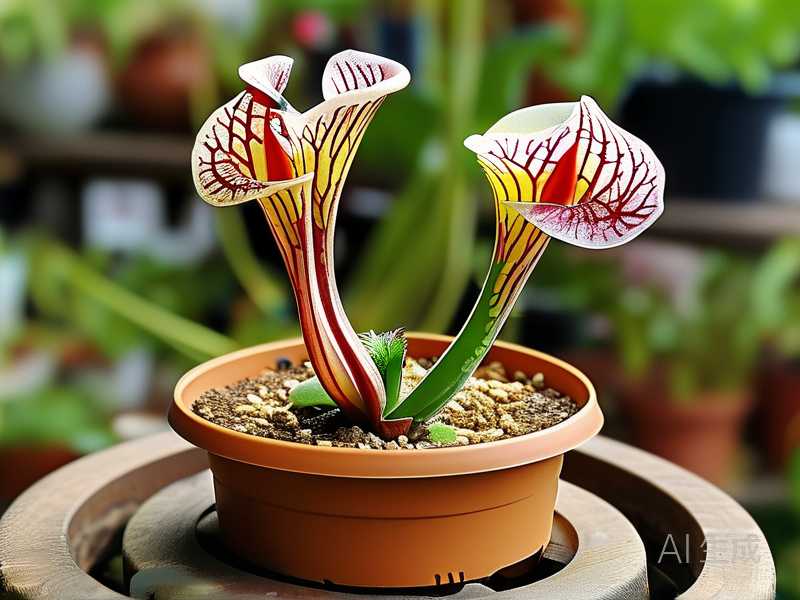
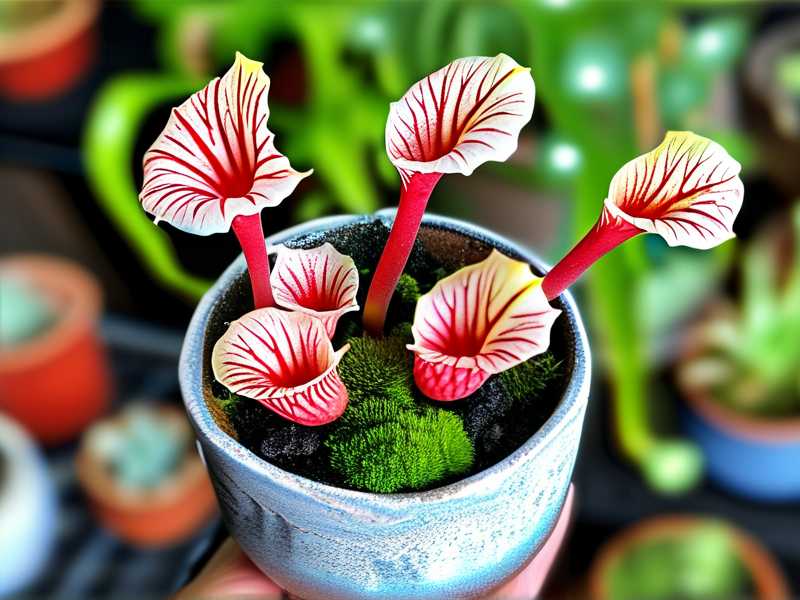
You’ve nurtured your Sarracenia, the magnificent North American pitcher plant, for years. But lately, something’s off. The vibrant pitchers are shorter, fewer, and lack their former vigor. New growth seems weak, and that once-expansive clump is shrinking. This slow, Sarracenia long-term decline is a heartbreaker for any carnivorous plant enthusiast. It’s not a sudden collapse, but a gradual fading that leaves you wondering what went wrong.
The good news is that this decline is almost always reversible. These are tough plants built for harsh environments, and their dwindling health is a clear signal that one or more of their fundamental needs are not being met over the long haul. Fixing Sarracenia long-term decline isn’t about a quick spray; it’s about returning to the core principles of their care and making strategic adjustments. By mastering the following five longevity-boosting tricks, you can restore your plant’s vitality and ensure it thrives for decades to come.
Understanding the Roots of Decline: It’s a Long-Term Game
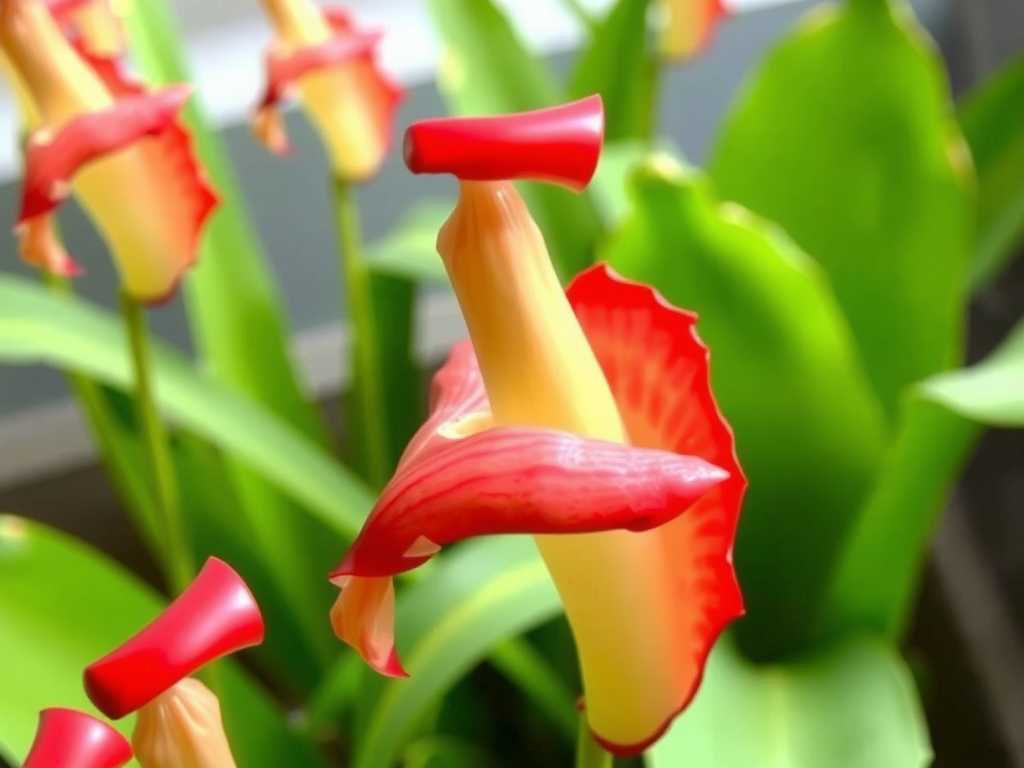
Before we dive into the solutions, let’s briefly understand why Sarracenia longevity suffers in cultivation. In the wild, these plants grow in perpetually wet, sunny, nutrient-poor acidic bogs. Their decline in our care typically stems from a slow drift away from these conditions. It might be the gradual accumulation of minerals in the soil from tap water, the slow decomposition of an unsuitable potting mix, or the inevitable lowering of soil acidity over time. Recognizing that care needs to be actively maintained, not just initially provided, is the first step toward reversal.
Trick 1: Master the Watering Regimen for Lifelong Health
Water is the lifeblood of Sarracenia, but the type of water is what dictates long-term survival. This is the most common culprit behind a slow decline.
The Golden Rule: Only Pure Water From today forward, use only water with low mineral content. Rainwater, distilled water, or reverse osmosis (RO) water are perfect. Tap water, even if it’s deemed “soft,” contains dissolved salts and minerals (like calcium and magnesium) that will accumulate in the soil over months and years. This buildup slowly raises the pH and creates a toxic environment for the roots, directly causing Sarracenia long-term decline.
The Tray Method: Mimicking the Bog Always use the “tray method.” Place your pot in a saucer or tray and keep 0.5 to 1 inch of pure water in it at all times, especially during the active growing season. This constant bottom-watering perfectly mimics the water table of their natural habitat. Allow the tray to dry out briefly before refilling to discourage mosquitoes, but never let the soil itself become dry. Consistent moisture is non-negotiable for sustaining Sarracenia health.
Trick 2: Repot with the Right Soil Mix Every 2-3 Years
Even with perfect water, your growing medium will break down and lose its structure. Regular repotting is not optional; it’s essential for preventing long-term decline.
The Ideal Soil Composition Forget potting soil or compost. Sarracenia require a sterile, low-nutrient, acidic mix. A standard and highly effective recipe is a 50/50 blend of sphagnum peat moss and horticultural perlite. The peat provides acidity and moisture retention, while the perlite ensures crucial aeration and drainage. Some growers successfully use long-fiber sphagnum moss alone. As noted by Dr. Barry Rice, a noted carnivorous plant expert, “The single most important thing you can do for your carnivorous plant is to grow it in an appropriate, nutrient-poor medium.”
Repotting Technique for Renewal Repot in late winter or very early spring, just as the plant emerges from dormancy. Gently remove the plant, wash away all the old media from the rhizome (the horizontal stem), and trim any dead or blackened roots. Inspect the rhizome: healthy sections are firm and white or pinkish. You can divide it with a sterile knife, ensuring each division has roots and a growth point. Repot into a fresh mix, using a wide, plastic pot (clay pots leach minerals). This process refreshes the root environment, gives the rhizome space to grow, and is a powerful reset against decline.
Trick 3: Maximize Sunlight Exposure for Robust Growth
Sarracenia are sun worshippers. Insufficient light leads to weak, floppy, and poorly colored pitchers—a key sign of a struggling plant.
Providing “Full Sun” Meaning “Full sun” means a minimum of 6 hours of direct, unfiltered sunlight daily, but 8+ hours is ideal for promoting maximum pitcher size and intense coloration. A south-facing location is best. If growing indoors, a bright windowsill is rarely enough. You will need very strong LED or T5 fluorescent grow lights, placed close to the plant and kept on for 12-16 hours a day. According to the International Carnivorous Plant Society, light starvation is a primary factor in the poor health and eventual loss of these plants in domestic settings.
Seasonal Light and Dormancy Remember that Sarracenia require a cool winter dormancy period (3-4 months of temperatures between 32°F and 50°F / 0°C and 10°C). During this time, they will die back to the rhizome. This rest period is crucial for their long-term life cycle and vigor. Reduce watering during dormancy (keep the soil just damp, not soggy), but they still benefit from bright light even in their dormant state.
Trick 4: Feed the Plant, Not the Soil
Sarracenia get their nutrients from insects, not their roots. Fertilizing the soil is a surefire way to harm them and accelerate decline.
Let Them Hunt Naturally If grown outdoors, your plants will catch plenty of insects on their own. Do not feed them meat, cheese, or human food. The enzymes in the pitchers are specifically designed to digest insects. For indoor plants or those in very sheltered spots, you can occasionally drop a small, recently deceased insect (like a fly or ant) into an active pitcher every few weeks during the growing season. This is rarely necessary but can give a boost.
The Foliar Feeding Alternative (With Caution) A very mild, diluted foliar spray can be used sparingly as a supplement if insect prey is truly absent. Use a max-strength orchid or carnivorous plant fertilizer, diluted to 1/4 strength, and mist it lightly on the pitchers only, once a month at most. Never spray the soil or the crown of the plant. The best practice, however, remains providing enough sunlight to attract prey naturally.
Trick 5: Prioritize Annual Rhizome Maintenance and Pest Vigilance
Long-term health is about proactive care, not just reactive fixes. Two key annual practices make a world of difference.
Winter Clean-Up and Division During your late-winter repot, take the time for careful maintenance. Remove all old, dead pitchers and foliage from the previous season. This minimizes hiding places for pests and fungal pathogens. Examine the rhizome closely. If it has grown long and leggy with all the growth points at the ends, consider dividing it. This not only propagates new plants but rejuvenates the original, stimulating fresh, vigorous growth from each divided section and combating the centralization that can contribute to decline.
Monitoring for Pests and Disease While generally pest-resistant, watch for aphids (which cluster on new growth) and scale. Remove aphids by hand or with a gentle spray of water. Scale can be dabbed with a cotton swab dipped in rubbing alcohol. The most common disease is fungal or bacterial rot, often caused by poor air circulation or contaminated soil. Ensuring good airflow around your plants and using only fresh, sterile media during repotting are your best defenses.
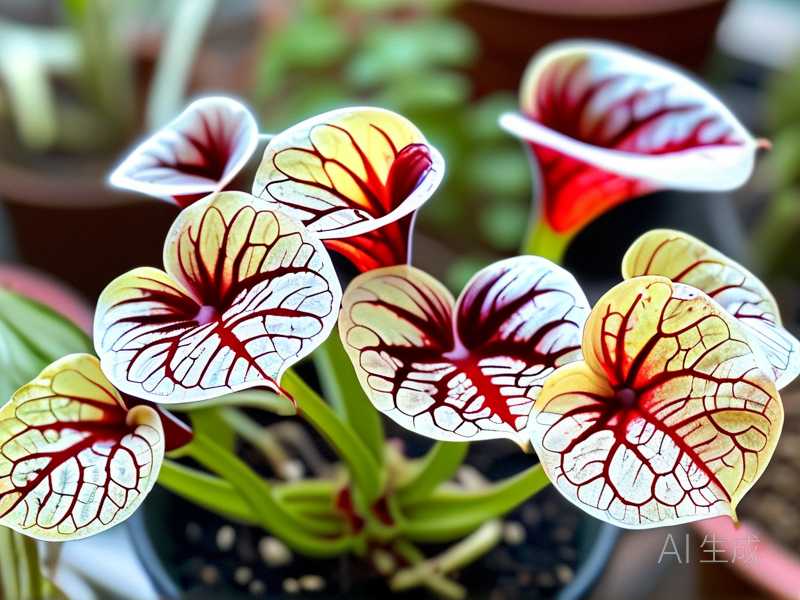
What are the first signs of Sarracenia long-term decline? The earliest signs are often subtle: a reduction in the number of new pitchers produced each spring, pitchers that are consistently smaller than in previous years, and a lack of the deep, vibrant red or purple venation. The overall clump may also fail to expand.
Can I use bottled spring water for my Sarracenia? No, you should avoid bottled spring water. It contains minerals, even if labeled “natural.” The safe choices remain pure rainwater, distilled water, or reverse osmosis water. Consistently using spring water will lead to mineral buildup and soil toxicity.
How long can a healthy Sarracenia plant live? With proper care addressing the key areas of water, soil, and light, a Sarracenia plant can live for 20, 30, or even 50+ years. They are long-lived perennials that grow from a persistent rhizome, which can be divided periodically to create new generations of plants.

Reviving a Sarracenia from long-term decline is a deeply rewarding process. It requires a return to the fundamentals: pure water, an acidic and airy soil mix, abundant sunlight, and the discipline of periodic repotting. By implementing these five longevity-boosting tricks—viewing them as a holistic system rather than isolated steps—you transform your care from maintenance into active cultivation. Your plant will respond not with a quick fix, but with a sustained resurgence. You’ll witness the return of towering, colorful pitchers and a robust, expanding clump, securing its place as a thriving centerpiece in your collection for many years to come.