bluename
 How to Fix Sarracenia in Cold Damage: 5 Frost Recovery Tips
Discovering your prized Sarracenia pitcher plants damaged by an unexpected frost can be a heart-sinking moment for any carnivorous plant enthusiast. These fascinating bog dwellers, while surprisingly cold-hardy, can suffer from browning pitchers, wilted leaves, and a general look of despair when exposed to severe or sudden freezing conditions. The sight often triggers panic and a flurry of questions: Is my plant dead? What should I do first? Can it bounce back? This guide is designed to answer those urgent concerns. We will walk you through five critical, actionable steps on how to fix Sarracenia in cold damage, helping you assess the situation correctly and nurse your plant back to robust health. Immediate and proper care is crucial to prevent secondary issues like rot and to ensure a strong return in the growing season.
Understanding Cold Damage vs. Natural Dormancy
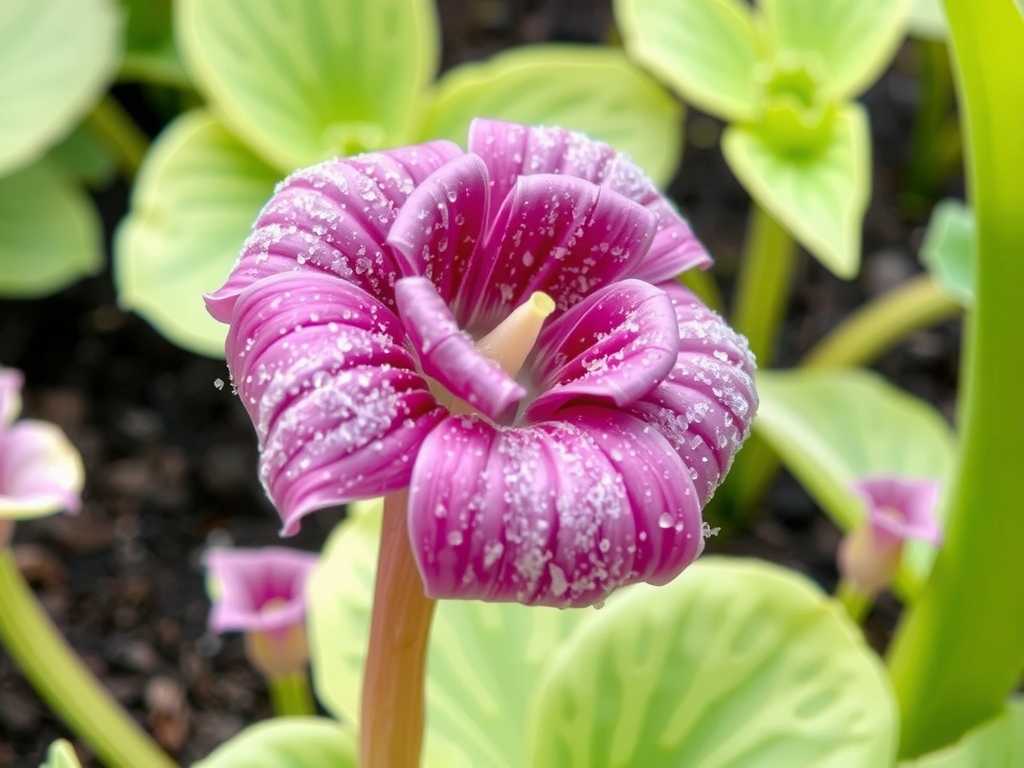
Before you take any action, it’s vital to distinguish between normal winter dormancy and genuine cold injury. Sarracenia are perennial plants that require a cold dormancy period to thrive. During this natural cycle, you can expect some die-back. Old pitchers from the previous season will brown and wither, which is perfectly healthy. Genuine frost damage on pitcher plants, however, often affects new or current-season growth. Look for signs like blackened, mushy tissue, a waterlogged appearance, or stems that have collapsed entirely. Damage typically occurs when a hard freeze hits before the plant is fully acclimated in autumn or after new growth has emerged in a late spring frost. Correctly identifying the problem prevents you from removing healthy tissue or neglecting a plant that truly needs help.
Tip 1: The Immediate Assessment and Gentle Clean-Up
Your first response should be calm and observational, not drastic. Do not immediately cut away all damaged foliage. Those browned pitchers, while unsightly, may still be photosynthesizing and can provide a slight protective layer for the plant’s crown. Begin by gently removing only the parts that are completely black, mushy, and slimy to the touch. This cleanup is essential to prevent fungal and bacterial rot from setting into the damaged tissue and spreading to the healthy rhizome below. Use sterilized, sharp scissors or precision pruners. Make clean cuts, and avoid tugging on the plant. Focus on removing the clear hazards, leaving any merely browned or crispy pitchers for now. This initial triage stabilizes the plant and gives you a clearer picture of the remaining healthy structure.
Tip 2: Adjusting Water and Soil Conditions Post-Frost
Frozen soil and pots can create a deadly environment of cold, soggy roots—a primary cause of rhizome rot. If your Sarracenia is in a pot, check the drainage immediately. Ensure the pot is not sitting in a saucer of ice water. The goal is to keep the rhizome cool and slightly moist, not frozen and waterlogged. For plants in the ground or in bog gardens, improving drainage around the crown can be helpful. You might gently mound some dry sphagnum moss around the base. Resume a careful watering routine with distilled, rainwater, or reverse osmosis water. Water only when the top layer of the peat-based mix feels slightly damp, not saturated. This careful Sarracenia winter care step is about managing moisture to support recovery without encouraging decay.
Tip 3: Strategic Pruning for Recovery and Regrowth
After the immediate danger of a deep freeze has passed and you’ve completed the initial clean-up, you can plan for more strategic pruning. The best time for this is often in late winter or very early spring, just as the plant shows its first signs of new growth. This allows you to clearly see what is dead and what is alive. Cut damaged pitchers back to about an inch above the rhizome. Look for healthy, firm growth points (buds) on the rhizome; avoid cutting into these. Removing the bulk of the frost-killed material channels the plant’s energy away from sustaining dead tissue and directly into producing new, healthy pitchers. This process is a key component of effective cold damage plant recovery.
Tip 4: Optimizing Light and Temperature for Healing
Post-frost care isn’t just about subtraction; it’s about providing optimal conditions for healing. Place your recovering Sarracenia in a location with bright, indirect light. Avoid the intense, direct sun of a south-facing window immediately, as the stressed plant may be more susceptible to scorching. The ideal temperature range is a consistent, cool to mild 50-65°F (10-18°C). Avoid placing it near heat vents or sources of dry, hot air. This stable, bright environment reduces stress and gently encourages the plant to initiate new growth. As the plant recovers and shows vigorous new pitchers, you can gradually reintroduce it to full, direct sunlight—the essential ingredient for a strong, colorful Sarracenia.
Tip 5: Holding Off on Fertilizer and Monitoring for New Growth
A common mistake in plant rescue is attempting to “feed” a plant back to health. Sarracenia are adapted to nutrient-poor soils and obtain their nutrition from insects. Never apply traditional soil fertilizer, as it will burn the roots and likely kill the plant. Similarly, avoid foliar sprays. The plant’s focus should be on root and rhizome recovery, not on processing chemical nutrients. Your role is to be patient and observant. Over the following weeks, monitor the base of the plant and the rhizome for firmness and the emergence of small, red or green growth points. These are the signs of successful pitcher plant frost protection and recovery efforts paying off. New pitcher growth may be slow at first but should gain momentum as conditions improve.
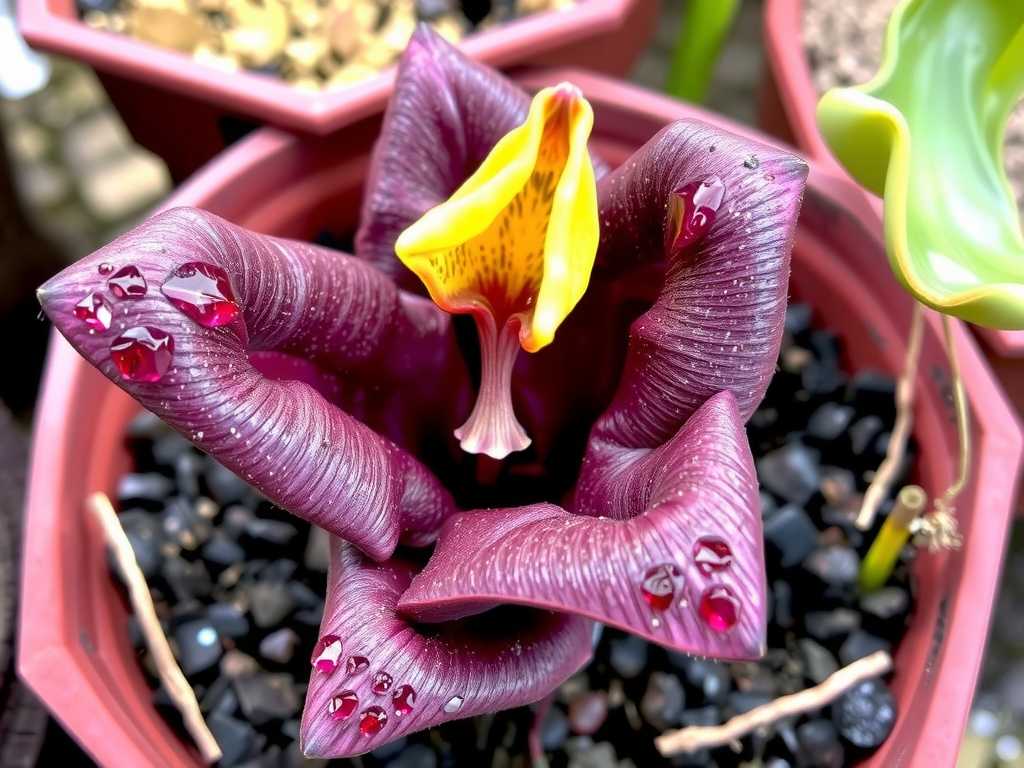
Addressing Your Sarracenia Cold Damage Concerns
Will a Sarracenia come back after a freeze? In most cases, yes. The survival mechanism of Sarracenia is their underground rhizome. Even if all above-ground growth is killed by frost, a healthy, unfrozen rhizome can often send up new growth in spring. The key is ensuring the rhizome itself did not rot from being frozen and waterlogged. Patience until the next growing season is essential before declaring the plant lost.
Should I bring my cold-hardy Sarracenia indoors after frost damage? It depends on the season. If damage occurs in autumn, the plant needs to go through its required dormancy. Bringing it into a warm house can disrupt its cycle and weaken it. Provide outdoor winter protection instead (like mulch or a cold frame). If an unexpected late spring frost causes damage, and you have already brought it out of dormancy, it may be safer to shelter it in a cool, bright garage or porch until the threat passes.
How long does recovery from cold damage take? Recovery is not an overnight process. You may see new growth within a few weeks under ideal conditions, but full recovery, where the plant regains its former size and pitcher production, can take an entire growing season. The plant is essentially rebuilding its energy reserves. Consistent care through the recovery year—providing ample sun, pure water, and proper dormancy the following winter—is critical for a full comeback.
Witnessing frost damage on your Sarracenia is undoubtedly stressful, but it is rarely a death sentence. By responding with a methodical approach—assessing accurately, cleaning up carefully, adjusting environmental conditions, pruning strategically, and practicing patience—you give your plant the best possible chance for a full recovery. Remember that these plants have evolved to endure harsh conditions, and their resilience is often remarkable. Your informed care, guided by these frost recovery tips, bridges the gap between survival and thriving, ensuring your fascinating carnivorous companion returns healthier and more vigorous when the growing season arrives.