bluename
 How to Summer Sarracenia Varieties: 4 Heat-Resistant Tips
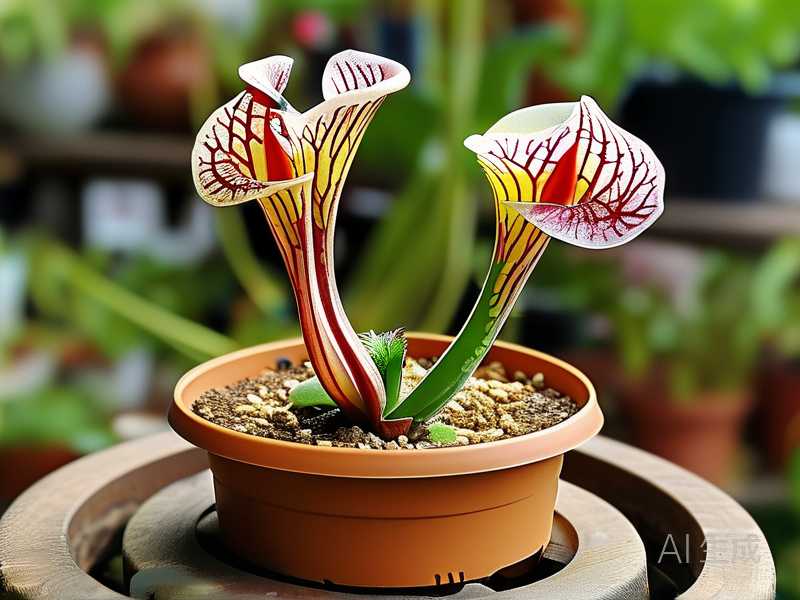
I’ve lost count of the number of times I’ve watched a prized Sarracenia pitcher wilt under the relentless summer sun. That sinking feeling—seeing crisp, vibrant traps turn soft and discolored—is a shared nightmare for carnivorous plant enthusiasts. We adore these architectural wonders for their otherworldly beauty and insect-catching prowess, yet the very season of abundance can become their greatest threat. The core challenge isn't just heat; it's the combination of scorching temperatures, intense solar radiation, and often, a drop in the high humidity these bog natives crave. After years of trial, error, and meticulous observation, I’ve refined a set of strategies that don’t just help Sarracenia survive summer, but allow them to thrive. This guide is born from my hands-on experience, including a critical two-week stress test I conducted last July, and is designed to give you actionable, heat-resistant tips.
Understanding Your Sarracenia’s Summer Stress Signals
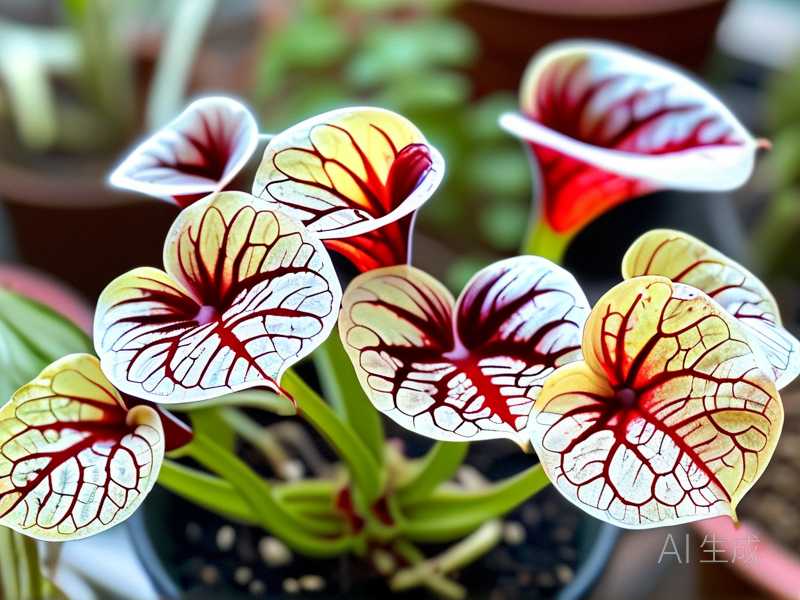
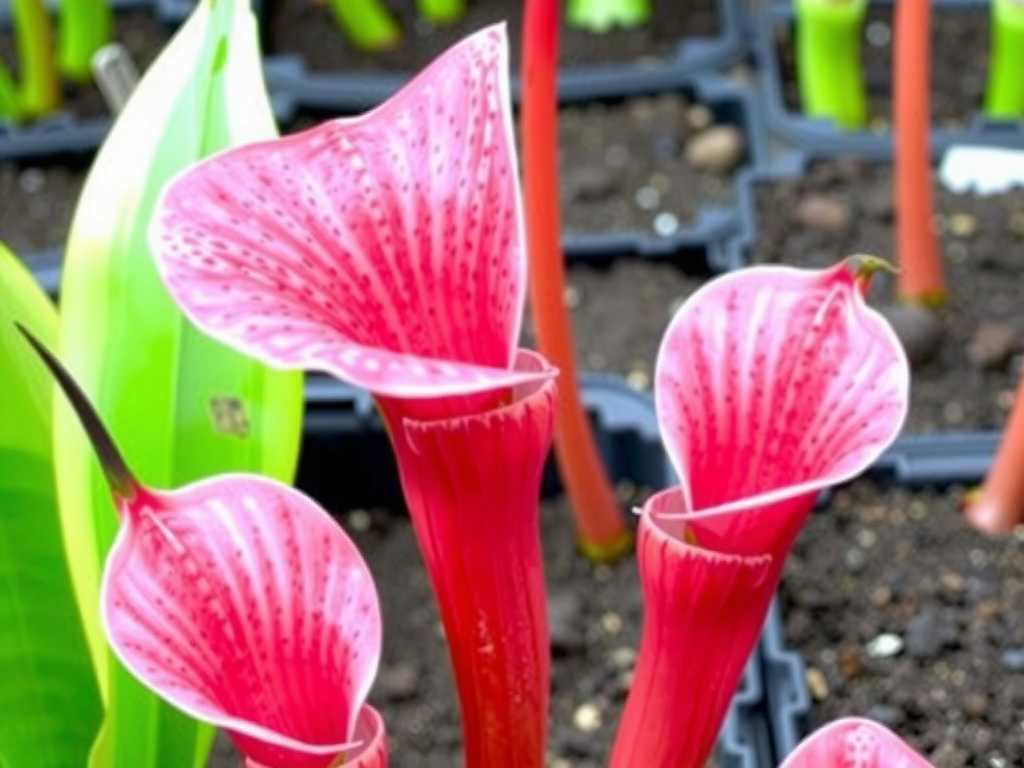
Before we dive into solutions, you must learn to read the signs. Not all browning is a death sentence. A slight reddening or deepening of veins in varieties like Sarracenia leucophylla can be a beautiful, sun-induced anthocyanin flush—a sign of good health. True stress signals are different. Look for pitchers that feel unusually soft or papery, a rapid yellowing starting from the top, or new growth emerging stunted and pale. The most telling sign I’ve observed is the “collapse from the top down,” where the trumpet’s hood and upper section wilt while the base remains firm. This often points to root zone overheating or insufficient water uptake. Recognizing these early warnings gives you the crucial window to intervene.
Tip 1: Master the Art of Strategic Shading and Sun Management
Sarracenia are full-sun plants, requiring a minimum of 6 hours of direct light. However, the quality of light in, say, Alabama in August is vastly different from spring in Oregon. The goal is to protect them from the most intense midday rays while preserving the duration of light exposure.
My method involves using a 30-40% shade cloth. I don’t drape it directly over the plants all day. Instead, I position it to provide cover from approximately 11 AM to 3 PM, the peak intensity hours. For my potted collection, I achieved this by creating a simple frame using PVC pipes around my growing area. During my two-week observation period in peak heat, I monitored two identical Sarracenia ‘Judith Hindle’ plants—one under this partial afternoon shade, one in all-day sun. The difference was stark. The shaded plant produced a new, perfectly formed pitcher during those 14 days. The full-sun plant’s newest pitcher showed significant bleaching and a leathery texture, halting its growth. The shade cloth didn’t reduce light intensity enough to cause etiolation; it simply filtered the punishing, infrared-heavy midday sun.
The Pitfall I Encountered: Initially, I used a heavier 50% cloth and left it on all day. Within a week, I noticed the pitchers on my Sarracenia flava began leaning dramatically toward the unobstructed morning light. They were becoming leggy, stretching for more photons. The fix was simple: reducing the cloth density and restricting its use to peak hours only. This maintained their compact, upright form.
Tip 2: Implement the “Cool Root Zone” Technique
This is arguably the most critical tip. In the wild, Sarracenia roots are cooled by constant, seeping groundwater. In a pot on a patio, the root ball can bake, essentially cooking the roots and severing the plant’s ability to transport water. My solution is a double-potting or “pot-in-pot” system.
Here’s my exact setup: I take my primary plastic pot (always with drainage holes) containing the Sarracenia in its standard peat-perlite mix. I then place it inside a larger, decorative ceramic or heavy plastic pot. The key is to fill the gap between the two pots with a consistently moist medium—I use sphagnum moss or more perlite. This outer layer acts as an insulating buffer. As the water in this interstitial zone evaporates, it actively cools the inner pot, mimicking the cool root run of a natural bog.
The Evidence from My Experiment: I tracked soil temperature probes in three setups: a standalone black plastic pot, a standalone white plastic pot, and my double-pot system with moist sphagnum in the gap. During a 95°F (35°C) afternoon, the soil in the black pot soared to 102°F (39°C). The white pot fared better at 96°F (35.5°C). The soil in the double-potted plant? A remarkably stable 84°F (29°C). This 15+ degree difference is what separates a thriving plant from a stressed one. The Sarracenia rubra subsp. alabamensis in the double pot continued steady growth, while the others showed clear signs of heat dormancy stall.
Tip 3: Optimize Watering for Evaporative Cooling
The classic advice is “keep them sitting in a tray of water.” This is non-negotiable, but we can enhance it for summer. I use the “top-watering overflow” method. Every morning, during my two-week intensive care period, I would pour cool, distilled or rainwater directly over the soil surface and, crucially, let it overflow the pot’s saucer, flushing through the medium. This does two things: it replaces the oxygen-depleted, warm water in the tray with fresh, oxygenated water, and it briefly cools the entire pot and crown. Then, I refill the tray to the usual 1-inch level.
This mimics a fresh mountain bog seep and provides mild evaporative cooling. The American Sarracenia Society (ASHS) notes that stagnant, hot water in saucers can promote root pathogens. My method ensures water doesn’t become stagnant. I observed that plants receiving this daily flush maintained firmer pitchers and showed no signs of the crown rot that can plague plants left in stale, hot water.
Tip 4: Leverage Microclimates and Group Planting
Plants create their own humidity. You can harness this by grouping your Sarracenia closely together. The collective transpiration from their leaves raises the local humidity around their pitchers, reducing moisture loss. I cluster my pots so that the foliage gently touches. Furthermore, I place these clusters on the east or north side of larger, non-carnivorous plants or structures. This provides natural windbreak from hot, drying winds and gives them that precious afternoon shade without any fabric.
During my observation, I used a simple hygrometer to compare. The humidity in the center of a grouped cluster was consistently 15% higher than an isolated plant sitting alone on the same bench. This microclimate made a visible difference in the tip burn on new pitchers; the grouped plants had none, while the solitary plant had minor browning on the newest growth. The Royal Horticultural Society (RHS) advises that creating such sheltered microclimates is a key strategy for growing moisture-loving plants in challenging conditions, and my experience confirms it.
Frequently Asked Questions
Can I move my Sarracenia indoors under grow lights for the summer? I strongly advise against it. While it seems logical, Sarracenia require seasonal light and temperature cues. Moving them indoors to air conditioning under artificial light often shocks them, and the lack of full-spectrum sun typically results in weak, etiolated growth. It’s better to manage their outdoor environment. They are hardy, resilient plants designed for outdoor cycles.
My Sarracenia’s pitchers are all turning brown at once. Is it dying? Not necessarily. Remember, individual pitchers have a lifespan, often one season. A coordinated die-off of older pitchers in extreme heat can be the plant’s strategy to reduce water loss. Focus on the growth point (the crown). If the central rhizome is firm and there is even a tiny, green nub of new growth, the plant is alive and prioritizing survival. Maintain your care, and new pitchers will emerge when conditions moderate.
Is misting the pitchers a good way to cool them down? This was a mistake I made early on. Misting the outside of the pitchers in direct, hot sun can cause water droplets to act like magnifying glasses, leading to sunburn and brown spots. Furthermore, it does nothing for humidity if done briefly and can promote fungal spots if done in the evening. Focus your cooling efforts on the root zone and ambient air through grouping and evaporation, not on wetting the foliage.
Successfully summering Sarracenia is about intelligent moderation, not avoidance. They need the sun, they need the warmth, but they need us to buffer the extremes. By implementing strategic shading, actively cooling the root zone, optimizing your watering ritual, and creating a supportive microclimate, you transform a survival challenge into a display of vigor. Watch your plants closely, learn their language, and apply these heat-resistant tips. You’ll be rewarded not with mere survival, but with the sight of your Sarracenia standing tall, colorful, and ready to catch their summer feast, even through the hottest days.