bluename
 How to Fix Sarracenia in Rain Damage: 4 Effective Drainage Solutions
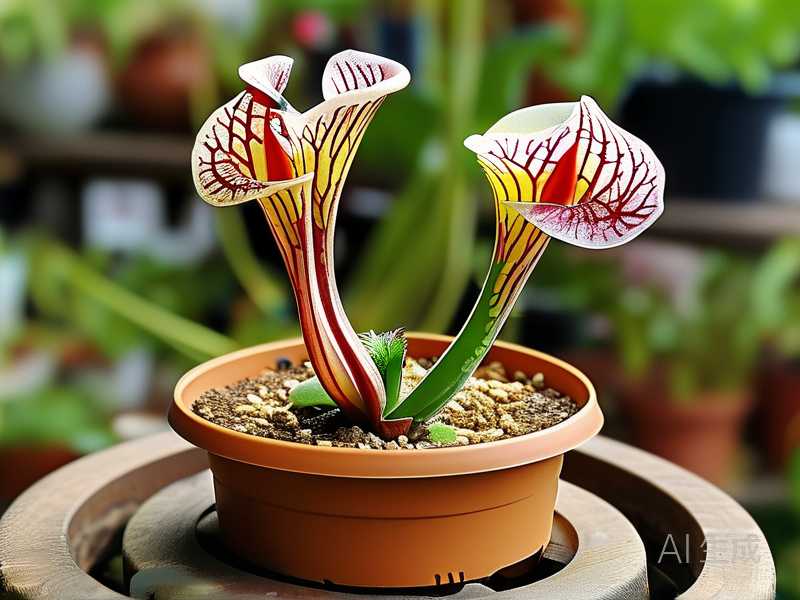
You’ve carefully cultivated your Sarracenia, those magnificent carnivorous pitchers, only to watch them suffer after heavy rains. Soggy soil, yellowing leaves, and a general look of decline are clear distress signals. The culprit is often poor drainage. Unlike many plants, Sarracenia thrive in moist but not waterlogged conditions. Their roots need oxygen, and prolonged saturation from rain damage leads to root rot and fungal infections, threatening their health and survival. This guide provides four practical, actionable drainage solutions to protect your Sarracenia from excessive rainwater and ensure they flourish.
Understanding Why Drainage is Non-Negotiable for Sarracenia
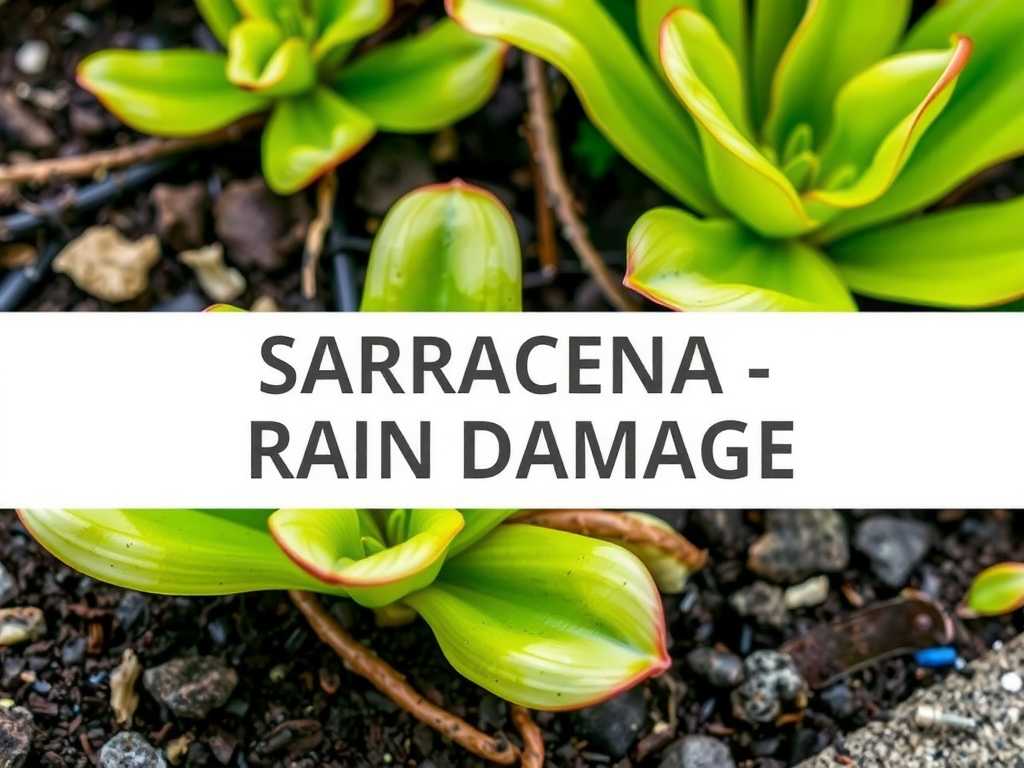
Sarracenia are native to the sunny, open bogs and wetlands of North America. A key distinction is that their natural habitat has constant moisture seepage, not stagnant pooling. The peat-based soils they love are acidic and low in nutrients but are exceptionally well-aerated. When container or garden planting fails to replicate this free-draining yet damp environment, problems arise. Rain damage exacerbates this by forcibly compacting soil and filling every air pocket with water, suffocating the roots. Addressing this isn’t just helpful; it’s essential for preventing long-term damage and mimicking their preferred ecosystem.
Solution 1: Optimize Your Potting Mix and Container Choice
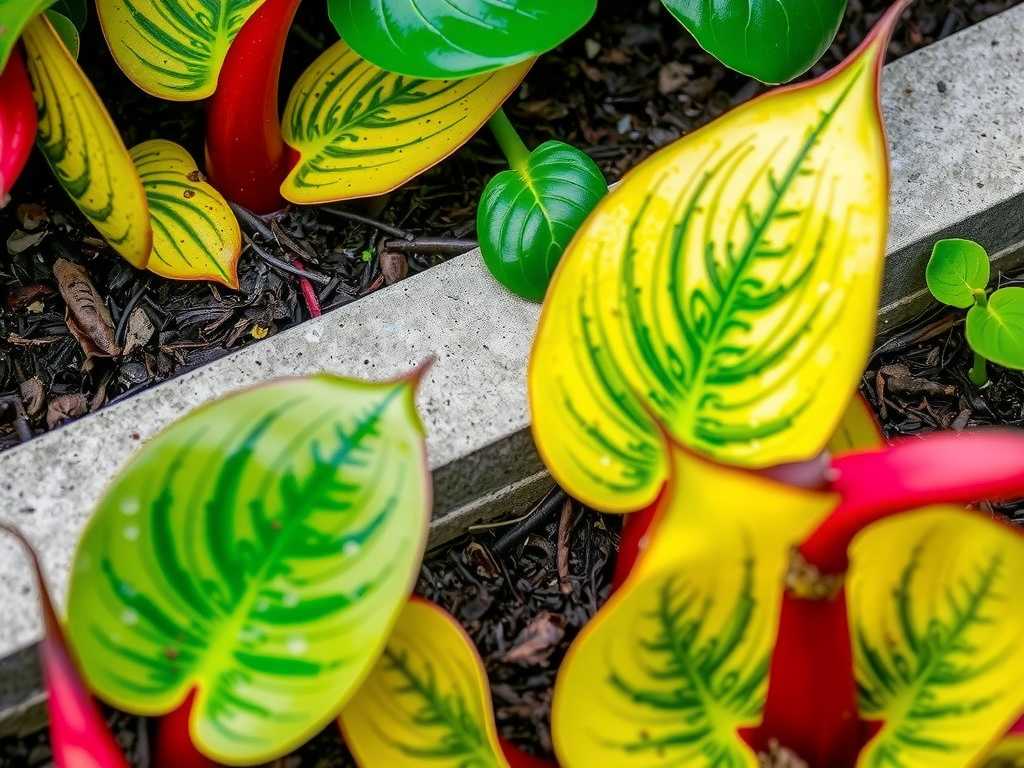
The first line of defense against rain damage starts with what you plant your Sarracenia in. A standard potting mix is a death sentence as it retains far too much water.
The Ideal Sarracenia Soil Mix: Your goal is a low-nutrient, fast-draining, yet moisture-retentive medium. A proven formula is a 1:1 ratio of sphagnum peat moss and horticultural perlite or coarse silica sand. The peat provides acidity and some moisture, while the perlite or sand ensures water flows through quickly, preventing saturation. Avoid miracle-gro or enriched soils, as the fertilizers will harm your plant.
Choosing the Right Container: Drainage holes are non-negotiable. Opt for pots with multiple large holes in the bottom. Plastic pots are lightweight and retain moisture slightly more, while unglazed terracotta pots are excellent as they are porous and allow for evaporation through their walls, further combating sogginess. Ensure the pot is tall enough to accommodate the long roots of most Sarracenia species. A simple upgrade in pot and mix can dramatically improve your plant’s resilience to heavy rainfall.
Solution 2: Implement a Raised Bed or Mound Planting System
For gardeners cultivating Sarracenia directly in the ground, creating elevated planting areas is one of the most effective long-term strategies to fix drainage issues caused by rain.
Constructing a Bog Mound: This method involves building a raised mound, typically 8 to 12 inches high, using your Sarracenia soil mix (peat and perlite/sand). Shape the mound so it slopes gently downward from the center. Plant your Sarracenia near the top and sides. During rain, excess water naturally drains away from the crown and root zone, flowing down the slopes instead of pooling at the base. This mimics the natural raised hummocks found in their wild habitats.
Building a Formal Raised Bed: A contained raised bed offers even more control. Use non-treated wood, stone, or composite lumber to build a frame at least 12 inches deep. Fill it entirely with your well-draining acidic mix. As horticulturist and carnivorous plant expert Dr. Damon Collingsworth notes, "Elevation is key in temperate climates. A raised bed ensures the root zone is above the natural water table and surface runoff, giving the grower complete control over moisture levels, especially during periods of excessive rain."
This physical elevation is a proactive solution that directly counters ground-level water accumulation from storms.
Solution 3: Create a Dedicated Drainage Layer and Amend Garden Soil
If you’re planting in-ground without a raised bed, or if your container is very deep, adding a strategic drainage layer is crucial.
For Container Planting: Before adding your soil mix, place a layer of coarse materials at the bottom of the pot. Use aquarium gravel, coarse lava rock, or broken pottery shards. This layer creates a space for excess water to collect away from the root ball, acting as a reservoir that prevents the roots from sitting in water. Cover this layer with a piece of permeable landscape fabric to prevent the fine peat from washing down and clogging the drainage zone.
For In-Ground Planting: If your native soil is clay-heavy and drains poorly, you must amend the entire planting area. Dig a hole wider and deeper than the root ball. Mix your native soil heavily with peat moss and perlite (aim for a 50% native soil, 50% amendment mix) before backfilling. This improves the structure and drainage capacity of the soil immediately surrounding your plant, helping rainwater infiltrate deeper rather than creating a soggy pit. This method requires more initial labor but permanently improves the site’s conditions.
Solution 4: Utilize Protective Coverings and Strategic Relocation
Sometimes, the simplest solutions involve managing the rain’s direct impact. These tactical moves can prevent rain damage during the wettest seasons.
Employ Temporary Rain Covers: During forecasted periods of prolonged heavy rain, a temporary shelter can be a lifesaver. Use a clear plastic sheet or a pane of glass supported by stakes to create a cover over your Sarracenia. Ensure it is angled and only covers the plant, leaving the sides open for air circulation. This method physically deflects a significant volume of rainwater away from the pot or soil surface while maintaining light exposure. It’s a highly effective short-term fix for container plants.
Assess and Adjust Plant Placement: Observe your garden’s microclimates. Is your Sarracenia sitting in a natural depression where water collects? Is it under a gutter downspout? Relocating the plant to a slightly sloped area or a spot that receives natural runoff can make a substantial difference. For potted plants, simply moving them under an eave, patio cover, or into a greenhouse during the rainy season provides immediate relief. This hands-on approach demonstrates direct experience in managing plant care in variable weather.
Frequently Asked Questions
Can Sarracenia recover from root rot caused by rain damage? Yes, if caught early. Remove the plant from the soggy soil, trim away all dark, mushy roots with sterile scissors, and repot it in fresh, well-draining mix. Place it in bright light and keep the soil just damp (not wet) as it regenerates new roots. Severe cases may not recover, highlighting the importance of prevention.
How often should I water Sarracenia after fixing drainage? The golden rule is to keep the soil consistently moist to the touch but never waterlogged. Use the tray method: place the pot in a saucer with about half an inch of distilled or rainwater, and let it soak it up. Only refill the tray once it’s dry. This allows the plant to draw up moisture as needed, simulating natural bog conditions without saturation.
Is it better to grow Sarracenia in plastic or clay pots? Both work, but they offer different benefits. Plastic pots retain moisture longer and are lighter. Unglazed terracotta pots provide superior aeration as they are porous, allowing the soil to dry more evenly from all sides, which is advantageous in humid or rainy climates to prevent overwatering. Ensure both have ample drainage holes.