bluename
 How to Fix Sarracenia Seedling Death: 4 Young Plant Care Tips
Watching your precious Sarracenia seedlings wilt and die is a heart-wrenching experience for any carnivorous plant enthusiast. You’ve nurtured them from tiny specks of dust-like seeds, only to see them falter during their most vulnerable stage. This frustrating problem is incredibly common, often stemming from subtle care mistakes that adult plants might tolerate, but young seedlings cannot. The journey from a delicate seedling to a robust, pitcher-producing plant is fraught with specific challenges. This guide is dedicated to unraveling those mysteries, providing you with actionable, expert-backed strategies to stop seedling death in its tracks and ensure your young Sarracenia not only survive but thrive.
Understanding why Sarracenia seedlings die is the first critical step toward prevention. Unlike mature plants with established root systems and energy reserves, seedlings are exquisitely sensitive to their environment. Their demise is rarely due to a single factor but is typically a combination of issues related to water, light, soil, and humidity. By mastering the care fundamentals for these juvenile plants, you can create a stable foundation for a lifetime of healthy growth.
The Critical Role of Water Quality and Moisture Management
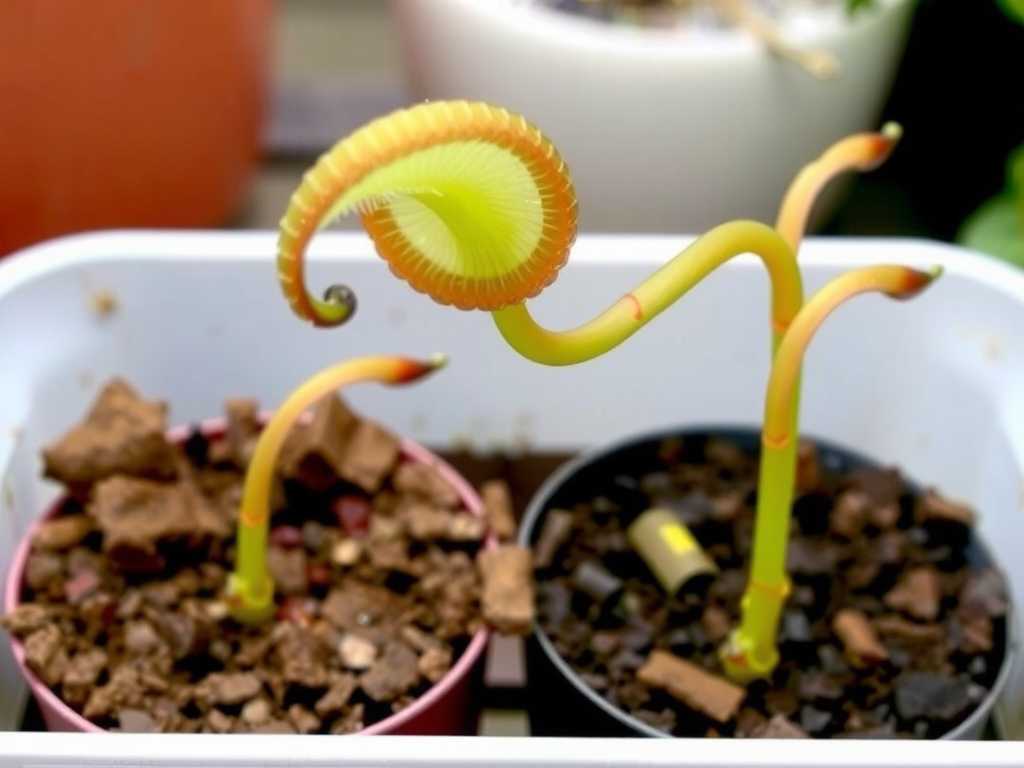
This is, without exaggeration, the number one cause of Sarracenia seedling death. Adult Sarracenia are famously tolerant of mineral-free water, but seedlings have zero tolerance for dissolved salts and minerals.
- Pure Water is Non-Negotiable: You must use only rainwater, distilled water, or reverse osmosis (RO) water. Tap water, even if labeled “soft,” contains minerals like chlorine, fluoride, and salts that will quickly accumulate in the seedling’s tiny pot and burn its delicate roots, leading to swift decline. As noted by the International Carnivorous Plant Society, total dissolved solids (TDS) should be below 50 parts per million (ppm), with under 20 ppm being ideal for seedlings.
- The “Tray Method” Adaptation: While the classic tray method works for mature plants, it requires careful adjustment for seedlings. The goal is consistently damp, never soggy, soil. A shallow tray with half an inch of water that is allowed to dry out completely before refilling is far better than a constantly waterlogged one. Overly wet conditions invite fungal pathogens like damping-off, which can wipe out a tray of seedlings overnight. Let the top layer of the medium feel slightly moist to the touch before re-watering.
Providing Optimal Light for Strong, Healthy Growth
Light is the engine of growth. Insufficient light leads to weak, etiolated seedlings that are pale, stretched, and highly susceptible to disease and collapse.
- Maximum Sunlight: Sarracenia are full-sun plants, and their seedlings crave bright light. Aim for a minimum of 6 hours of direct sunlight daily. A south-facing windowsill is the bare minimum; a greenhouse, sunroom, or outdoors in a suitable climate is vastly superior.
- Supplementing with Grow Lights: If natural light is insufficient, high-quality LED or fluorescent grow lights are essential. Position the lights 6-12 inches above the seedlings and provide a photoperiod of 14-16 hours of light per day. Strong light encourages compact, colorful growth and is crucial for developing the photosynthetic capability the seedling needs to become robust. Weak seedlings are simply not equipped to handle other environmental stresses.
Crafting the Perfect Soil Medium
The growing medium is the seedling’s home, and it must provide perfect aeration and acidity while being devoid of nutrients.
- The Standard Mix, Fine-Tuned: A typical mix of 50% peat moss and 50% perlite is excellent, but for seedlings, consider sifting the mix to remove large chunks. Some growers use a slightly higher ratio of perlite (up to 60%) for even better drainage and to prevent compaction around tiny roots. Never use potting soil, compost, or fertilizer; these are fatal.
- Sterilization for Safety: Before sowing seeds or potting seedlings, it is a wise practice to moisten your peat/perlite mix with boiling water or bake it in the oven (at 200°F for 30 minutes) to kill any fungal spores or pest eggs. This simple step can prevent a multitude of problems during the seedling’s vulnerable early life.
Mastering Humidity and Airflow for Disease Prevention
This is a delicate balancing act. High humidity aids germination and initial growth, but stagnant, humid air is a death sentence.
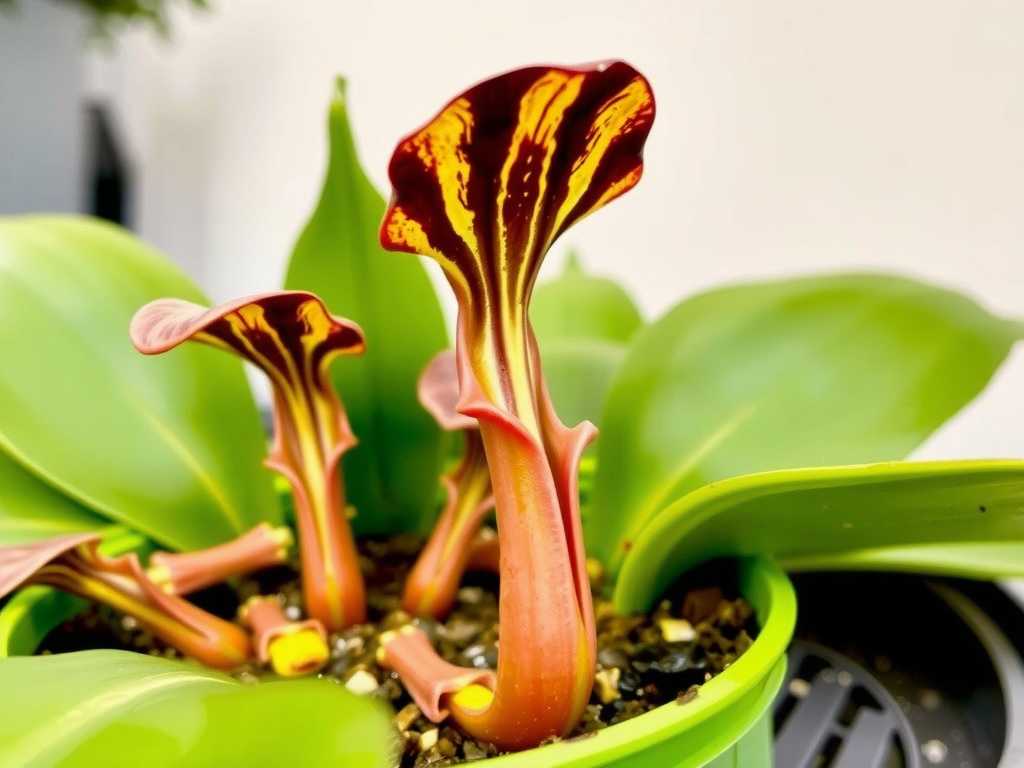
- The Germination Dome Phase: Freshly sown seeds require near-100% humidity, maintained by a clear plastic dome or sealed bag. However, the moment you see the first green sprouts, you must begin to gradually introduce air.
- The Critical Transition: Over 1-2 weeks, slowly increase ventilation by propping open the dome or unsealing the bag a little more each day. This hardens off the seedlings and prevents fungal attacks. Once true leaves (the first tiny, non-cotyledon leaves) appear, the dome should be removed entirely, provided the general growing area maintains reasonable humidity (above 50%).
- Airflow is Key: Gentle air movement from a small fan set on low, placed at a distance, is invaluable. It strengthens seedling stems and dramatically reduces the risk of fungal diseases by preventing moisture from settling on the foliage. Think of it as building their resilience.
Frequently Asked Questions
-
My seedling has turned black and mushy at the base. What happened? This is almost certainly damping-off disease, a fungal infection caused by Pythium or Rhizoctonia species. It thrives in cool, wet, stagnant conditions. Immediately remove and discard the affected seedling to prevent spread. Improve air circulation dramatically, reduce watering frequency to let the surface dry slightly, and ensure you are using sterile medium and clean water. A light dusting of powdered cinnamon on the soil surface can act as a mild natural fungicide.
-
How often should I feed my Sarracenia seedlings? Do not feed them manually. Sarracenia seedlings are fully capable of catching their own microscopic prey (like springtails or fungus gnats) if grown outdoors or in a greenhouse with access to insects. Force-feeding them or using fertilizer, even diluted, will burn their roots and kill them. Their nutritional needs are met through photosynthesis and the occasional tiny insect that finds its way into their developing pitchers.
-
When can I transplant my seedlings, and how? Wait until they have developed at least 3-4 true leaves and are robust enough to handle gently. This is often 6-12 months after germination. To transplant, carefully lift the seedling using a toothpick or tweezers, holding a leaf, not the stem. Make a small hole in the new, pre-moistened medium and gently settle the roots in. Keep them in higher humidity and slightly shadier conditions for a week after transplanting to reduce shock, then return them to their normal bright light.
Success with Sarracenia seedlings hinges on attention to detail. By providing mineral-free water, intense light, an airy and nutrient-free soil mix, and a balance of humidity with strong airflow, you address the root causes of young plant failure. Patience is your greatest ally. These are slow-growing plants that reward consistent, correct care. By applying these four core care tips, you shift the odds dramatically in your favor, transforming the challenge of seedling death into the joy of cultivating a thriving collection of these fascinating carnivorous wonders from their very first days.