bluename
 How to Fix Sarracenia in Wind Damage: 5 Protection Tricks
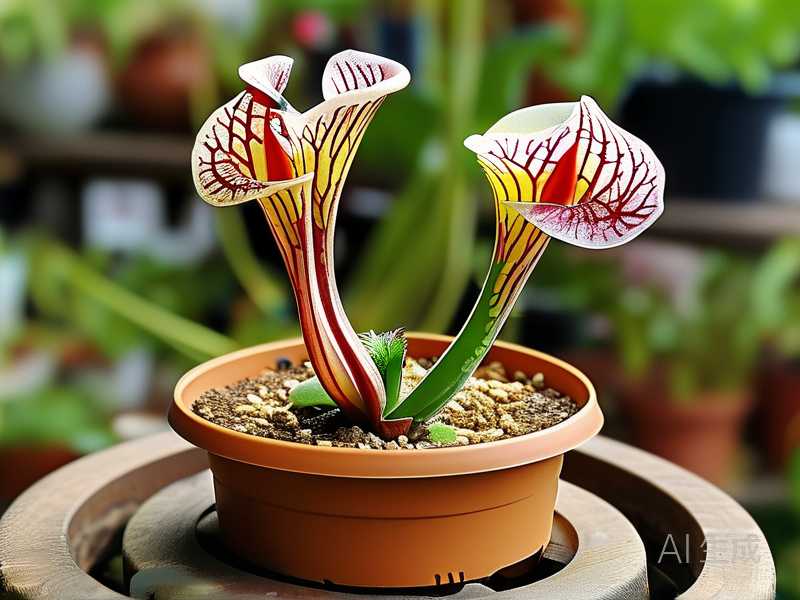
There’s nothing more disheartening for a carnivorous plant enthusiast than walking into their garden after a storm to find their prized Sarracenia, or pitcher plants, battered and broken. These architectural beauties, with their tall, elegant pitchers, are surprisingly vulnerable to strong winds. A single gust can snap flower stalks, shred delicate hoods, and topple entire plants, undoing months of careful cultivation. If you’ve ever wondered how to fix Sarracenia in wind damage and, more importantly, how to prevent it from happening again, you’re in the right place. This guide is dedicated to helping you protect your Sarracenia collection, ensuring they remain healthy and stunning despite challenging weather. We’ll explore five practical, effective protection tricks that go beyond simple staking.
Understanding why Sarracenia are so susceptible is the first step. In their natural bog habitats, they often grow in dense clumps or among sheltering grasses. In cultivation, especially when grown in open, sunny pots for optimal light, they lose that natural wind buffer. Their pitchers are designed to hold water and trap insects, not to withstand lateral force. Proactive protection is far easier than dealing with the aftermath of snapped pitchers.
1. Strategic Placement and Natural Windbreaks
The best defense is a good offense. Before you even plant or place your Sarracenia, assess your garden’s wind patterns.
Observe where the prevailing winds come from—often from the west or northwest in many regions. Position your Sarracenia where they receive a minimum of 6 hours of direct sunlight but are shielded from the strongest gusts. This doesn’t mean deep shade; it means using structures or other plants as buffers.
Create living windbreaks by planting sturdy, taller shrubs or ornamental grasses upwind of your Sarracenia bed or container display. A row of low-growing junipers, a clump of switchgrass (Panicum virgatum), or even a lattice panel covered in a lightweight vine can diffuse wind energy significantly. According to horticultural studies from institutions like the Royal Horticultural Society, a permeable windbreak (one that lets some air through) is more effective at reducing wind speed over a larger area than a solid wall, which can create turbulent eddies on the leeward side.
For container-grown Sarracenia, this trick is about mobility. Move pots to a sheltered corner of a patio, against a house wall, or into a cold frame with the lid open during windy seasons. The goal is to reduce the direct force they endure.
2. Intelligent Staking and Physical Support Systems
When natural shelter isn’t enough, physical support becomes essential. The key is to provide support without damaging the rhizome or restricting growth.
For individual, specimen-quality pitchers, use discreet, green bamboo stakes or thin metal rods. Insert the stake into the potting mix close to the rhizome but at an angle, pointing into the prevailing wind. Then, use soft, stretchy plant ties (like foam-wired tape or strips of old nylon) to loosely secure the pitcher to the stake at one or two points. Never tie tightly; allow for some natural movement.
For a clump of Sarracenia, implement a corral system. Place several stakes around the perimeter of the clump. Then, run a soft, green garden twine in a loop around all the stakes, creating a gentle “fence” that holds the pitchers together. This method supports the entire group mutually, allowing them to sway as a unit without any single stem bearing the full brunt of the wind. This approach to protecting pitcher plants from storms is both effective and aesthetically subtle.
3. The Power of Group Planting and Clumping
Sarracenia are social plants in the wild. Mimicking this density is a highly effective biological strategy for wind damage prevention for Sarracenia.
Instead of growing single pitchers in isolated pots, plant your Sarracenia closer together in larger, wider containers or in bog garden beds. As they grow and multiply, their intertwined pitchers and leaves will create a dense matrix. This collective mass helps deflect wind over and around the group. Each plant supports its neighbor, drastically reducing the chance of snapping.
In a bog garden, interplant Sarracenia with other robust bog companions like low-growing rushes (Juncus) or moss. This creates a ground-level buffer that stabilizes the microclimate and further breaks up wind at the soil surface. A densely planted Sarracenia collection is not only more resilient but also creates a breathtaking, naturalistic display.
4. Seasonal Preparation and Pre-Storm Action
Protection isn’t just a permanent setup; it’s a seasonal practice. The most vulnerable times are early spring, when new growth is tender, and late fall, when storms can be fierce.
In early spring, as new pitchers emerge, be extra vigilant with your staking and windbreak strategies. Consider temporarily moving containers to maximum shelter until the pitchers harden off.
When a severe weather warning is forecast, take immediate action. For potted plants, move them to a garage, shed, or even against the leeward side of your house. If they’re too heavy to move, lay them on their sides; a horizontal pot is less likely to blow over than an upright one. For in-ground plants, you can temporarily erect a burlap screen or pop-up plant cover secured with heavy stones. These quick, effective wind protection for carnivorous plants measures can mean the difference between minor and catastrophic damage.
5. Post-Damage Care and Recovery
Despite all precautions, damage can occur. Knowing how to properly triage your plants is crucial for their recovery.
First, assess the damage. Pitchers that are bent but not broken can often be staked and may recover. Cleanly snapped pitchers should be trimmed back to the base with sterile scissors. Do not leave torn or shredded tissue, as it can become an entry point for rot.
If a plant is uprooted, replant it immediately. Firm the soil or moss around the rhizome and water it in well to eliminate air pockets. Provide extra shade for a few days to reduce transplant stress.
Focus on supporting the plant’s overall health to encourage new growth. Ensure it has ample pure water (rain, distilled, or reverse osmosis) and is sitting in its saucer of water as usual. Avoid fertilizing; Sarracenia get their nutrients from insects. Your goal is to help the plant redirect energy into producing new pitchers from the rhizome. With proper care, a healthy Sarracenia can recover remarkably well from even significant wind damage.
Can I use a greenhouse to protect my Sarracenia from wind? Yes, a greenhouse is an excellent solution for ultimate control. It provides full sun while eliminating wind. However, Sarracenia require a winter dormancy period with cooler temperatures. Ensure your greenhouse is unheated or vented in winter to provide the necessary chill, and watch for overheating in summer, as excessive heat can be detrimental.
What is the best material to tie my pitchers to stakes? Always use soft, flexible, and non-abrasive materials. Green plastic-coated plant wire, foam-based ties, or strips of soft cloth are ideal. Avoid using plain string, wire, or zip ties directly against the plant tissue, as they can cut into and girdle the growing pitcher, especially in windy conditions when the plant is constantly rubbing against the tie.
My Sarracenia pitchers always lean and grow sideways. Is this wind damage? Not necessarily. Sarracenia often orient their pitchers to face the sun’s path (phototropism) or to optimize insect capture. A consistent lean is usually growth habit, not damage. However, if the pitchers are suddenly bent at a sharp angle or show physical tears after windy weather, then wind is the likely culprit. A gentle, uniform curve is typically normal.
Protecting your Sarracenia from wind is a blend of thoughtful garden design, timely intervention, and understanding the plant’s natural growth habits. By implementing strategic placement, providing intelligent support, utilizing the strength of group planting, preparing for seasons and storms, and knowing how to administer post-damage care, you can cultivate a thriving, resilient collection. These measures ensure that your pitcher plants stand tall and graceful, allowing you to enjoy their fascinating beauty without the constant worry of the next gust of wind.