bluename
 How to Fix Sarracenia Seed Germination Problems: 6 Sprouting Tips
You’ve carefully collected or purchased your Sarracenia seeds, prepared your pots, and waited with anticipation. Weeks, then months pass, and the soil surface remains disappointingly bare. Failed Sarracenia seed germination is a common frustration that can dishearten both new and experienced carnivorous plant enthusiasts. The unique requirements of these North American pitcher plants are often the hidden culprit. Understanding and overcoming these specific challenges is the key to unlocking a thriving nursery of seedlings. This guide provides six practical, proven tips to solve your germination problems and successfully sprout your Sarracenia seeds.
Understanding Sarracenia Seed Dormancy
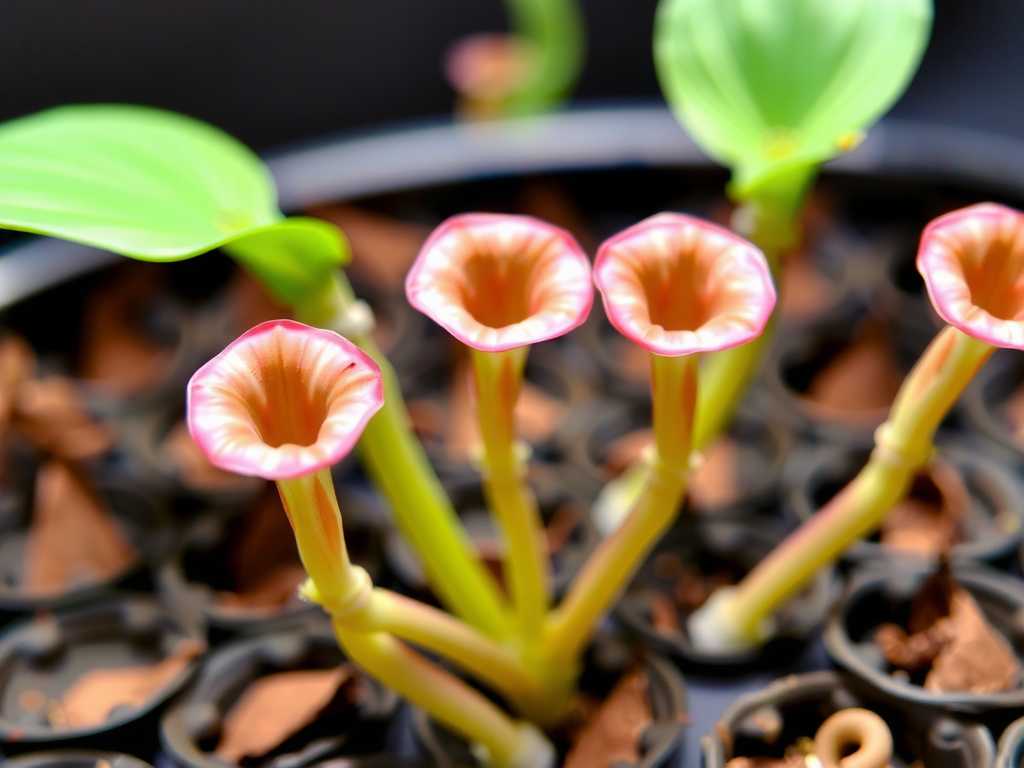
Before you sow a single seed, it’s crucial to understand why they often refuse to sprout immediately. Sarracenia seeds possess physiological dormancy, a built-in survival mechanism that prevents them from germinating at the wrong time, such as right before a harsh winter. In nature, these seeds require a period of cold, moist conditions—mimicking winter—to break this dormancy. This process is called cold stratification. Skipping or incorrectly performing this step is the number one reason for germination failure. It’s not that your seeds are dead; they are simply waiting for the correct environmental signal to wake up.
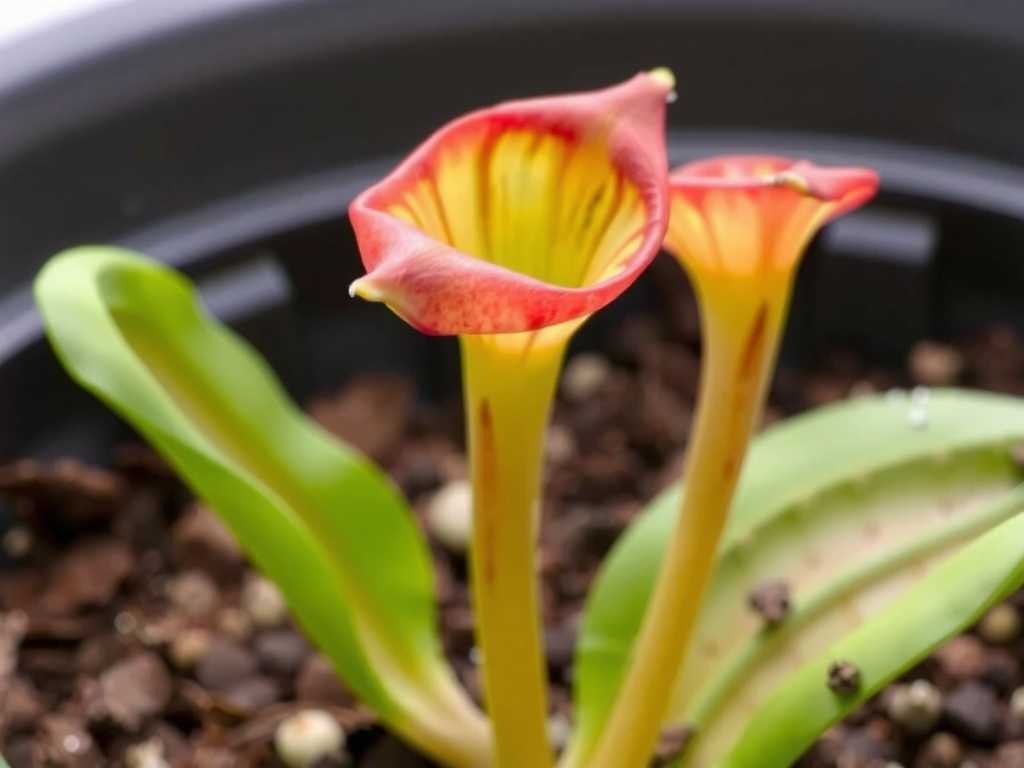
Tip 1: Master the Cold Stratification Process
This is the most critical step for reliable Sarracenia seed germination. Stratification involves exposing seeds to a prolonged period of cold and moisture. Here’s the most effective method: First, place your dry seeds in a sealed plastic bag with a handful of slightly damp sphagnum peat moss or a paper towel moistened with distilled or rainwater. The medium should be damp, not soaking wet. Label the bag with the species and date. Next, place the sealed bag in your refrigerator’s main compartment (not the freezer) for a period of 4 to 6 weeks. The ideal temperature range is between 1°C and 5°C (34°F to 41°F). This cold, moist period breaks down germination inhibitors within the seed coat. Check the bag every couple of weeks to ensure it remains moist and shows no signs of mold. If you see any fungal growth, carefully remove the affected seeds and transfer the rest to a fresh, damp medium. After the stratification period, your seeds are primed and ready for sowing.
Tip 2: Sow Seeds on the Right Medium Surface
After stratification, the sowing medium is your next make-or-break factor. Sarracenia seeds require a sterile, low-nutrient, and moisture-retentive mix. A standard blend is a 50:50 mix of sphagnum peat moss and perlite or horticultural sand. Always use distilled water, rainwater, or reverse osmosis water, as tap water minerals can harm sensitive seeds and seedlings. Crucially, do not bury the seeds. Sarracenia seeds are tiny and require light to germinate effectively. Simply scatter the stratified seeds directly onto the surface of the pre-moistened growing medium. You can gently press them into contact with the soil, but they should remain visible and uncovered. This surface sowing technique ensures they receive the light cues necessary for sprouting.
Tip 3: Provide Consistent Warmth and Light
Once sown, consistent environmental conditions trigger the final push for germination. Place your seed tray or pot in a bright, warm location. Temperature is key: Maintain a steady temperature between 21°C and 27°C (70°F to 80°F) during the day. A slight drop at night is acceptable and natural. Using a heat mat designed for seed starting can provide excellent, consistent bottom heat. Light is equally important: Provide bright, indirect light or use fluorescent or LED grow lights positioned a few inches above the tray for 14-16 hours a day. Direct, scorching sun on a small pot can dry it out too quickly, so filtered light or artificial light is often more manageable. Under these ideal conditions, you should see the first signs of germination—tiny green specks—within 2 to 4 weeks after sowing.
Tip 4: Maintain Perfect Moisture Levels Without Drowning Them
Water management is a delicate balance from sowing to seedling establishment. The goal is constant, high humidity and surface moisture without waterlogging, which causes seeds to rot. The best practice is the “tray method.” Place your sown pot into a shallow tray of distilled water, allowing the medium to wick moisture up from the bottom. Keep about 1-2 cm of water in the tray at all times. This keeps the seed zone perfectly moist and creates a humid microclimate. Covering the pot with a clear plastic dome or placing it inside a sealed plastic bag can help maintain near-100% humidity during the initial germination phase. However, once most seeds have sprouted, gradually increase ventilation over a week to prevent fungal diseases like damping off, which thrives in stagnant air.
Tip 5: Ensure Adequate Air Circulation and Prevent Fungus
As your seedlings emerge, airflow becomes your new priority. Stagnant, humid air is an invitation for mold and the fatal damping-off disease, which can wipe out a tray of seedlings overnight. After germination is established, remove any plastic coverings. Gently oscillating a fan in the room (not blowing directly on the tender seedlings) can significantly improve air circulation. This strengthens the seedlings’ stems and keeps fungal spores at bay. If you spot any white, fuzzy mold on the soil surface, act immediately. Increase airflow, reduce surface moisture slightly, and consider a gentle fungicide. A light dusting of powdered cinnamon, a natural antifungal, on the soil surface can be an effective organic treatment.
Tip 6: Be Patient and Avoid Common Post-Germination Mistakes
Sarracenia seedlings grow slowly. The first leaves will be simple, non-carnivorous sprouts. It will take several months before they develop their first tiny, functional pitchers. This slow growth tests patience and leads to common mistakes. Do not fertilize the soil. Sarracenia are adapted to nutrient-poor environments, and their roots are extremely sensitive to mineral salts. Fertilizer will burn and kill them. Resist the urge to transplant too early. Seedlings should be left undisturbed in their original community pot for at least their first full growing season, or until they are large enough to handle without damage, typically when they have several true pitchers. Continue using only pure water (distilled, rain, or RO) and provide strong light. As they grow, they can tolerate and will eventually need more direct sunlight to develop their best color and form.
Frequently Asked Questions
How long can Sarracenia seeds remain viable? If stored correctly in a cool, dry, and dark place, Sarracenia seeds can remain viable for several years. However, germination rates naturally decline over time, so sowing within 1-2 years of harvest is recommended for best results.
Do all Sarracenia species require cold stratification? While most temperate Sarracenia (like S. purpurea, S. flava, S. leucophylla) absolutely require it, some species or hybrids from warmer climates may have less stringent demands. However, applying a cold stratification period is considered best practice for all and will not harm the seeds, ensuring the highest germination success.
My seeds molded during stratification. Are they ruined? Not necessarily. If the mold is on the medium and hasn’t severely attacked the seeds themselves, you can often salvage them. Carefully remove the seeds, rinse them gently in distilled water, and place them on a new, damp medium in a clean bag before returning them to the refrigerator to complete the stratification period.
Successfully propagating Sarracenia from seed is a rewarding project that deepens your understanding of these fascinating plants. The journey from a dormant seed to a first pitcher is a lesson in patience and precision. By meticulously following these steps—mastering cold stratification, sowing on the correct surface, providing consistent warmth and light, managing moisture intelligently, ensuring good airflow, and practicing patience—you transform germination problems into a reliable process. Each tiny green seedling that emerges is a testament to creating the right conditions for life, paving the way for a thriving collection of these remarkable carnivorous plants.