bluename
 How to Fix Sarracenia Flowering Problems: 6 Bloom Support Solutions
There’s a special kind of disappointment that comes when your Sarracenia, the magnificent carnivorous pitcher plant, thrives with vibrant pitchers but stubbornly refuses to flower. You’ve provided the bog-like conditions, the sunny spot, and yet, the anticipated spring bloom is absent. This common frustration leaves many growers asking: why won’t my pitcher plant flower, and what can I do about it? Achieving a successful Sarracenia bloom is the ultimate sign of a truly healthy, mature plant. If you're facing Sarracenia flowering problems, the issue is rarely a single cause but a combination of cultural factors. This guide delves into the six most critical bloom support solutions, addressing the core needs of your plant to encourage spectacular flowering season after season.
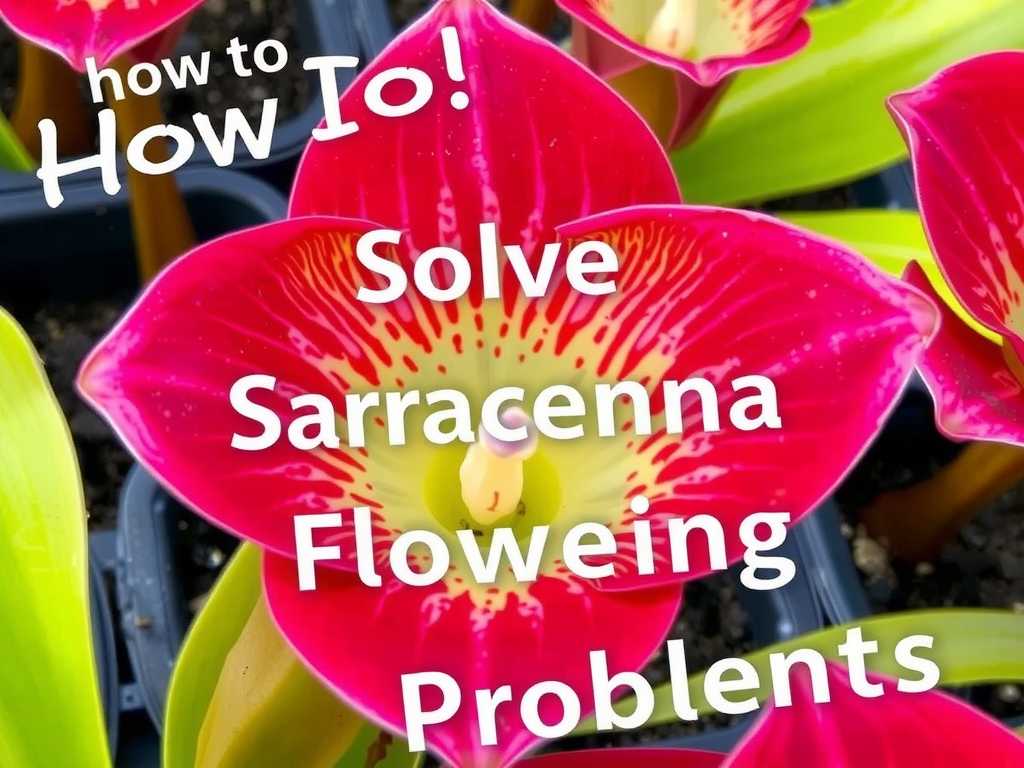
Understanding the Sarracenia Bloom Cycle
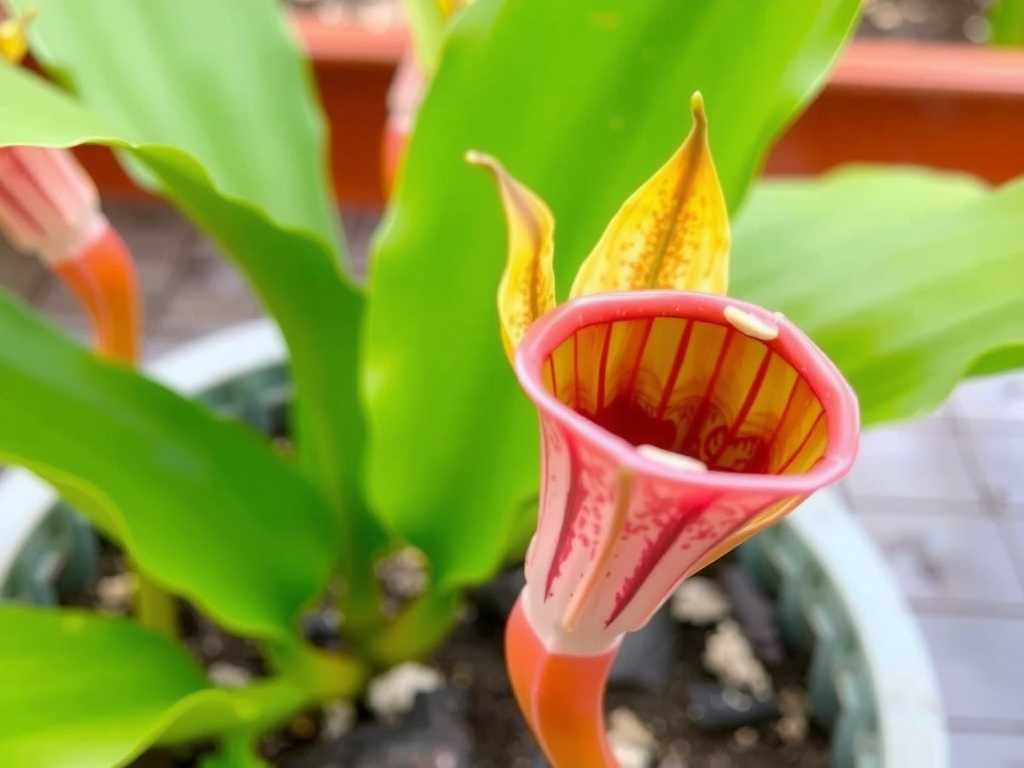
Before diving into fixes, it's crucial to understand what triggers flowering in these plants. Sarracenia are perennial plants that require a distinct winter dormancy period to reset their biological clock. Flower buds are actually formed in the late summer or fall, hidden at the growing point (the rhizome). They remain dormant through the winter cold. Come spring, if conditions are right and the plant has stored enough energy, the flower stalk emerges, often before or alongside the first new pitchers of the season. A failure to bloom, therefore, often points to a problem from the previous growing season or dormant period.
Solution 1: Maximize Sunlight Exposure – The Non-Negotiable Energy Source
Sunlight is the fundamental currency for Sarracenia health and flowering. These are not shade-tolerant plants; they are full-sun enthusiasts native to open, sunny bogs.
- The Requirement: Sarracenia need a minimum of 6 hours of direct, unfiltered sunlight daily, with 8+ hours being ideal for robust flowering. Light is the engine for photosynthesis, creating the energy (carbohydrates) that is stored in the rhizome to fuel both pitcher and flower production.
- The Fix for Flowering Problems: If your plant isn't blooming, assess its light intake. A sunny windowsill is almost always insufficient. Move outdoor plants to the brightest location possible. For indoor growers, invest in a powerful full-spectrum LED or T5 HO fluorescent grow light, positioned just a few inches above the plant and running for 12-14 hours a day during the growth season. Inadequate light leads to a weak plant that merely survives, lacking the surplus energy required to produce a bloom.
Solution 2: Honor the Essential Winter Dormancy Period
This is arguably the most common reason for a lack of flowers. Without a proper, cold dormancy, the plant's cycle is disrupted, and it will not initiate flower buds or will be too stressed to bloom.
- The Requirement: Most Sarracenia species require 3-4 months of winter dormancy with temperatures between 32°F (0°C) and 50°F (10°C). During this time, growth halts, and some pitchers may die back.
- The Fix for Flowering Problems: Do not keep your plant warm and growing year-round. For outdoor plants in suitable climates (roughly USDA zones 6-8, depending on species), this happens naturally. In colder zones, protect the rhizome with heavy mulch. For indoor or greenhouse plants, you must simulate dormancy. This can be done in an unheated garage, a cold frame, or a dedicated refrigerator (with a light source and slightly opened bag). Reduce watering but never allow the soil to dry completely. This mandatory "rest" is vital for promoting healthy Sarracenia blooms in the spring.
Solution 3: Prioritize Consistent Moisture and Water Quality
Watering practices directly impact root health and nutrient uptake, which in turn affects flowering potential.
- The Requirement: Sarracenia must sit in constant, shallow water (0.5 to 1 inch) during the active growing season. More critically, they require low-mineral water. Total dissolved solids (TDS) should be below 50 ppm.
- The Fix for Flowering Problems: Never use tap water, spring water, or bottled drinking water, as their mineral content will accumulate, poison the roots, and weaken the plant. Exclusively use rainwater, distilled water, or reverse osmosis water. Ensure the pot is always in a saucer or tray that holds water. Inconsistent moisture or toxic mineral buildup causes chronic stress, diverting energy from reproduction (flowering) to basic survival.
Solution 4: Eliminate Fertilizer and Ensure a Proper Growing Medium
Sarracenia are adapted to nutrient-poor soils. Applying standard plant fertilizer is a recipe for disaster and a surefire way to inhibit flowering.
- The Requirement: They must be grown in a nutrient-free, acidic, and well-draining mix. A standard blend is a 1:1 ratio of sphagnum peat moss and perlite or horticultural sand. No compost, no garden soil, no Miracle-Gro products.
- The Fix for Flowering Problems: Repot your plant if you suspect it's in the wrong medium or if fertilizer has been used. Flush the pot thoroughly with distilled water. Remember, these plants get all the nutrients they need from the insects they catch. Fertilizer salts burn their delicate roots and disrupt their physiology. A healthy root system in the proper medium is a cornerstone of Sarracenia flower care.
Solution 5: Practice Patience and Allow for Maturity
Sometimes, the "problem" is simply time. A young Sarracenia plant, especially one grown from seed or a small division, needs to reach sufficient maturity.
- The Requirement: Most Sarracenia species need to be 3-5 years old before they are capable of flowering. A plant must have a robust rhizome with enough stored energy to support the significant effort of producing a flower stalk, which can be as tall or taller than the pitchers.
- The Fix for Flowering Problems: If you have a young plant, focus on perfecting its core care—light, water, dormancy. Ensure it catches plenty of insects. As noted by Dr. Donald Schnell, a leading Sarracenia expert, the plant's vigor from a full growing season directly determines its reproductive success the following spring. Your patience will be rewarded when the plant matures.
Solution 6: Provide Ample Space and Consider Repotting
A congested plant can become root-bound and depleted of resources in its potting mix, leading to general decline and lack of flowers.
- The Requirement: Sarracenia benefit from being repotted every 2-3 years, typically in late winter before new growth erupts. This refreshes the acidic medium, gives the rhizome room to grow, and allows for division if needed.
- The Fix for Flowering Problems: If your plant has been in the same pot for many years and other factors seem correct, consider repotting. Gently divide large clumps, ensuring each division has a portion of the rhizome and roots. Repot into a container that is at least 6 inches deep and wider than the previous one. Fresh, appropriate soil can provide a immediate vitality boost.
Addressing Common Sarracenia Bloom Concerns
Why did my Sarracenia produce a flower stalk but the bud died or fell off? This is often due to a late frost or a sudden environmental shock (like a drastic temperature drop after the stalk emerged). The plant aborts the bloom to conserve energy. Ensure plants are protected from late spring freezes. It can also indicate the plant was ultimately too weak; review light and previous season's care.
Is it true I should cut off the flower to make pitchers grow better? This is a personal choice, not a requirement. Producing a flower does consume significant energy, which can slightly slow initial pitcher growth. However, on a healthy plant, this effect is minimal. For a mature, vigorous specimen, allowing it to flower and set seed is part of its natural cycle and is incredibly rewarding. If your plant is small or recovering, you may choose to snip the stalk to redirect energy.
My Sarracenia flowers but never produces seed. What's wrong? Sarracenia are generally not self-fertile. They require cross-pollination between two genetically different plants of the same species. If you have only one plant, or if insects aren't transferring pollen between flowers, no seed will be set. You can hand-pollinate using a small brush or by gently rubbing two different flowers' anthers and stigmas together.
Successfully fixing Sarracenia flowering issues hinges on mastering the fundamentals of their care. It is a holistic process where abundant sunlight fuels growth, an undisturbed dormancy resets the bloom clock, and pure water in the right medium sustains root health. By systematically applying these six bloom support solutions—ensuring maximum light, enforcing dormancy, using pure water, avoiding fertilizer, allowing for maturity, and providing adequate space—you transform from a frustrated grower into a confident cultivator. The sight of that unique, umbrella-like flower rising above a cluster of vigorous pitchers is the definitive proof that you have perfectly replicated a slice of the bog in your own care.