bluename
 How to Fix Sarracenia Pruning Damage: 5 Recovery Tricks
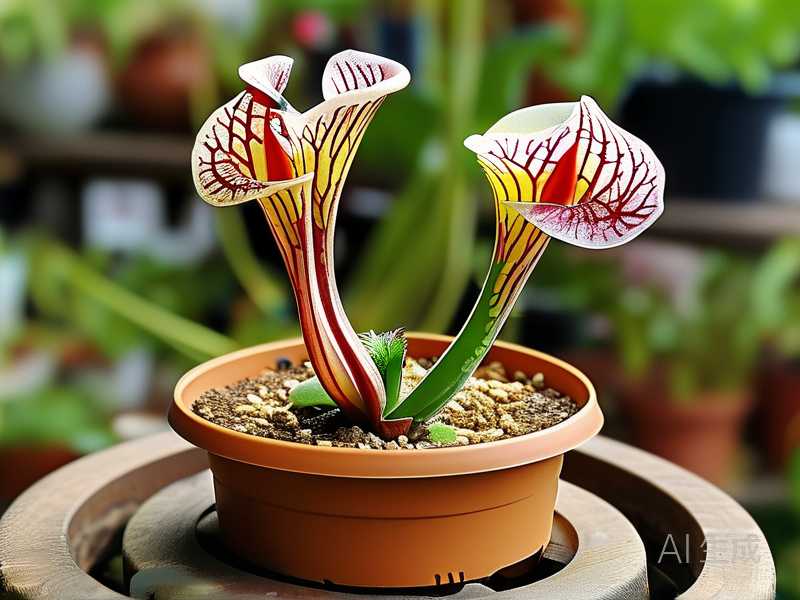
You’ve just finished pruning your prized Sarracenia, the vibrant pitcher plant that’s the jewel of your carnivorous collection. But instead of feeling accomplished, a wave of dread hits. Did you cut too much? Was that the wrong stem? The once-majestic plant now looks sparse, and a few cuts look worryingly brown. Pruning damage on these specialized plants isn't just cosmetic; it can threaten their ability to photosynthesize and trap insects. The good news is that Sarracenia are remarkably resilient. With the right intervention, you can guide your plant from a state of shock back to vigorous health. This guide is designed to walk you through five critical recovery tricks, turning your pruning mishap into a valuable learning experience for lush future growth.
Understanding the Pruning Wound and Plant Stress
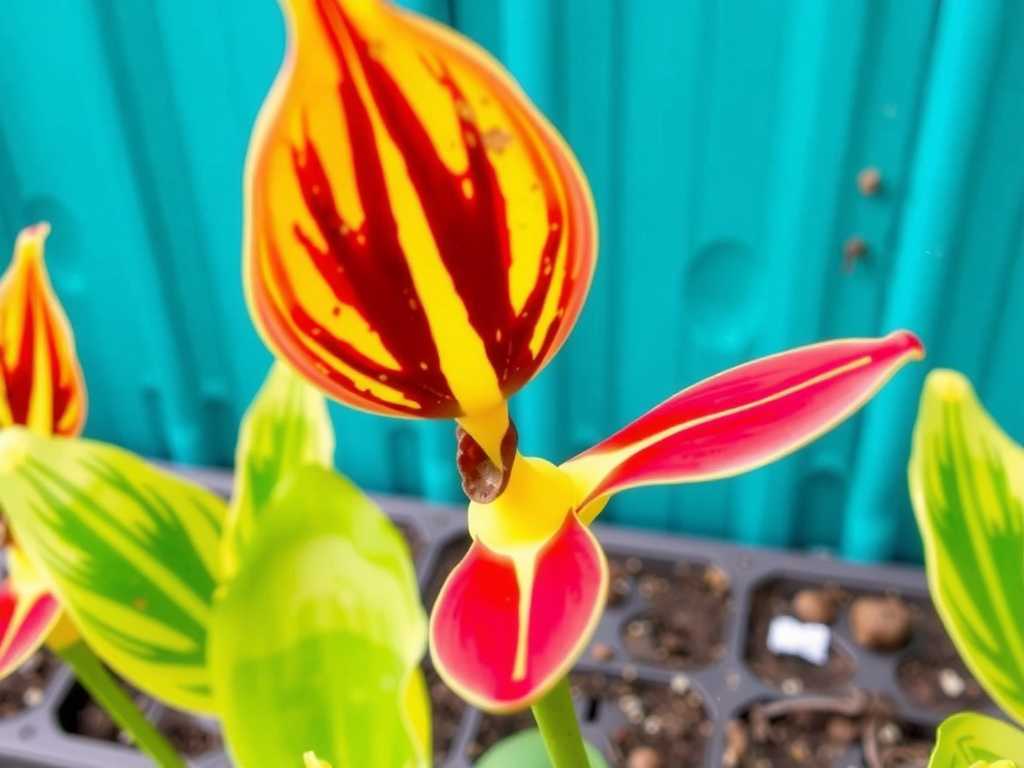
Before diving into recovery, it’s crucial to understand what your plant is experiencing. A pruning cut is an open wound. For Sarracenia, this wound isn't just a physical opening; it's an energy sink and a potential entry point for pathogens. The plant must immediately redirect resources to seal the cut site, a process that draws energy away from new pitcher development and root health. This is the primary stress you've introduced.
Furthermore, excessive pruning reduces the plant's total photosynthetic "factory." Fewer green pitchers mean less energy production, potentially weakening the entire system right before or during its key growing season. Recognizing this dual stress—physical wounding and energy deficit—is key to implementing an effective recovery strategy. Your goal is to minimize further stress and create an ideal environment for healing and regrowth.
Trick 1: Immediate First Aid for Clean Cuts
The first 24 hours are critical. Your immediate action can prevent secondary complications.
If you notice a ragged or crushed cut from dull shears, you need to act. Using a pair of sterilized, razor-sharp scissors or a blade, make a clean, angled cut about a quarter-inch above the damaged site. Sterilize your tool with isopropyl alcohol between each cut to avoid spreading any potential infection. Why an angled cut? It helps shed water away from the cut surface, reducing the risk of rot settling in the tender tissue.
Do not apply any sealants, wax, or fungicides to the wound. Unlike trees, Sarracenia pitchers and rhizomes are expert at forming their own natural seal. Introducing foreign chemicals can often interfere with this process and cause more harm. The best practice is to let the plant's own defenses work, supported by a perfect environment.
Trick 2: Optimizing the Moisture Balance
Water management becomes paramount for a recovering Sarracenia. The plant is in a vulnerable state, and its water needs are delicate.
Always use mineral-free water—rainwater, distilled, or reverse osmosis water are the only suitable options. Tap water, with its dissolved salts and minerals, will quickly build up in the soil, burning the stressed roots and further inhibiting recovery. Ensure your pot has excellent drainage. While Sarracenia thrive in wet conditions, they should never sit in stagnant water, especially when stressed. The classic "tray method" is ideal: place the pot in a saucer and keep about half an inch to an inch of water in it, allowing the medium to wick moisture upward.
Monitor the soil moisture closely. The goal is consistently damp, not soggy or dry. A recovering plant may use water slightly differently. During this period, consistency is your greatest tool to avoid adding root stress to the list of problems.
Trick 3: Strategic Light Adjustment for Energy Recovery
Light is food for your plant. After pruning, it has fewer "solar panels" (pitchers) to produce that food. Therefore, the quality of light it receives must be impeccable.
Provide bright, indirect light for the first 3-5 days post-pruning. If your plant was in direct, intense sun, consider moving it to a spot with dappled light or using a shade cloth. This temporary reduction prevents the remaining pitchers from getting sunburned while they are suddenly carrying the full photosynthetic load. Dr. Laura Miller, a botanist specializing in carnivorous plants, notes, "A stressed Sarracenia is more susceptible to light scorch. A brief period of moderated light reduces transpirational demand, allowing the plant to focus energy on wound closure."
After this short acclimation period, gradually return it to its normal full-sun conditions over a week. Full, direct sunlight (6+ hours daily) is non-negotiable for long-term Sarracenia health and is essential for fueling the production of robust new pitchers.
Trick 4: Holding Back on Fertilizers and Feeding
This is a common but critical mistake to avoid. Your instinct might be to "feed" the plant to boost its growth. Resist it.
Sarracenia derive nutrients from insects, not soil. Their roots are sensitive and adapted to nutrient-poor mediums. Applying any form of soil fertilizer, including diluted liquid fertilizers, will cause severe root burn and likely kill your already-stressed plant. Furthermore, do not manually feed it insects during recovery. The process of digesting prey requires energy. A plant focusing on healing needs to allocate all its resources to that task. Forcing it to digest food can divert energy and slow down the recovery process.
Trust that the plant will catch its own prey when it's ready. Your job is to ensure it's positioned where flying insects are present. Providing optimal light and water is far more beneficial than any added "food" at this stage.
Trick 5: Patience and the Art of Observation
The final trick is the hardest: do less and watch more. Recovery is not linear and takes time. New growth may not appear for several weeks, depending on the season and the extent of the pruning.
Resist the urge to repot, move the plant constantly, or make additional "corrective" cuts. Each action introduces new stress. Instead, establish a simple observation routine. Check the cut ends every few days. A healthy, healing cut will slowly callous over and may darken slightly. This is normal. Be on the lookout for signs of trouble: a rapidly spreading black or mushy softness down the pitcher or into the rhizome crown could indicate rot. Conversely, signs of success include firm, healthy remaining pitchers and, eventually, the emergence of small, bright green growth points from the base or rhizome.
This period of observation is your education. It teaches you how your specific plant responds and heals, making you a more attentive grower in the long run.
Frequently Asked Questions (FAQs)
Can a Sarracenia regrow a completely cut-off pitcher? No, an individual pitcher that has been completely removed will not regrow from the cut stem. New growth will emerge as brand new pitchers from the plant's rhizome (underground stem). The plant's energy will be directed into creating these new structures rather than repairing the old one.
How long does it take for a pruned Sarracenia to show new growth? The timeline varies based on the plant's health, the season, and the pruning severity. During the active growing season (spring/summer), you might see new pitcher buds within 2-4 weeks. If pruned late in the season or while dormant, you may not see visible activity until the next growing cycle begins. Consistent care is key throughout the wait.
Should I cut off the damaged or brown pitchers after a bad prune? Not necessarily. If a pitcher is only partially damaged but still has a significant amount of green, photosynthetic tissue, leave it. It is still contributing energy to the plant's recovery. Only remove it if it becomes completely brown, mushy, or is clearly decaying, as this could attract fungi. Always use sterilized tools for removal.
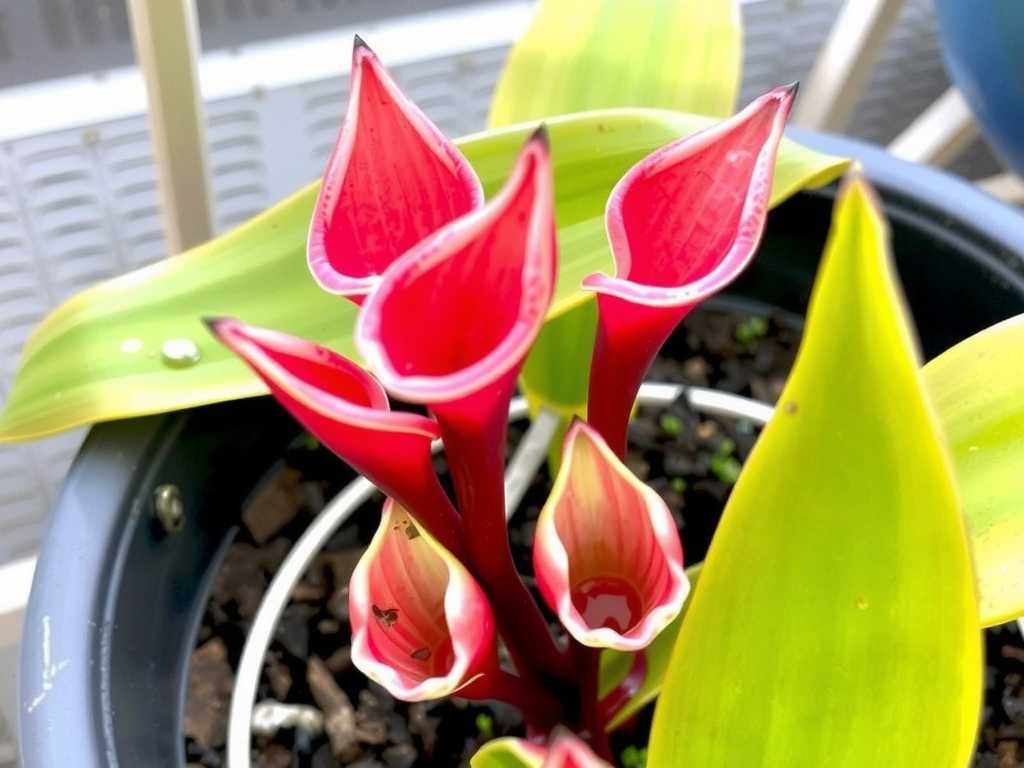
Witnessing pruning damage on your Sarracenia can be unsettling, but it is rarely a death sentence. These plants have evolved in tough environments and possess a strong will to live. By executing these five recovery tricks—administering clean first aid, perfecting your water and light strategy, withholding fertilizers, and practicing patient observation—you do more than fix a mistake. You create the optimal conditions for resilience. The true recovery begins when you see that first new, tightly coiled pitcher pushing through the soil, a sure sign that your care has guided the plant back to strength. Let this experience deepen your understanding of its needs, leading to an even more thriving carnivorous display in seasons to come.