bluename
 How to Fix Sarracenia Companion Plant Problems: 4 Plant Selection Tips
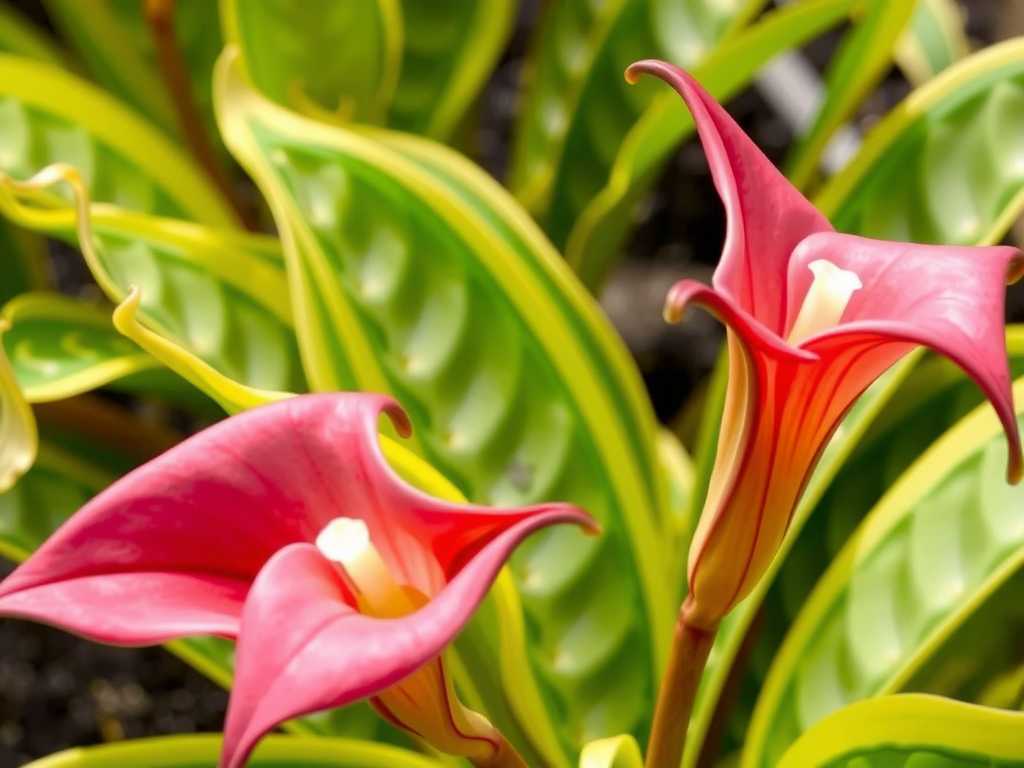
You’ve carefully chosen companion plants for your Sarracenia pitcher plants, envisioning a vibrant, low-maintenance bog garden. But instead of thriving, your setup is struggling. Perhaps the companions are outcompeting your carnivores for light, or maybe the soil moisture is all wrong, leaving your Sarracenia stressed. This common frustration stems from one core issue: selecting plants based on general aesthetics rather than specific ecological needs.
Fixing Sarracenia companion plant problems isn't about constant intervention; it's about strategic prevention through intelligent plant selection. By choosing the right neighbors from the start, you create a harmonious, self-sustaining mini-ecosystem where all plants flourish. This guide will walk you through four essential selection tips to transform your problematic planting into a successful, beautiful display.
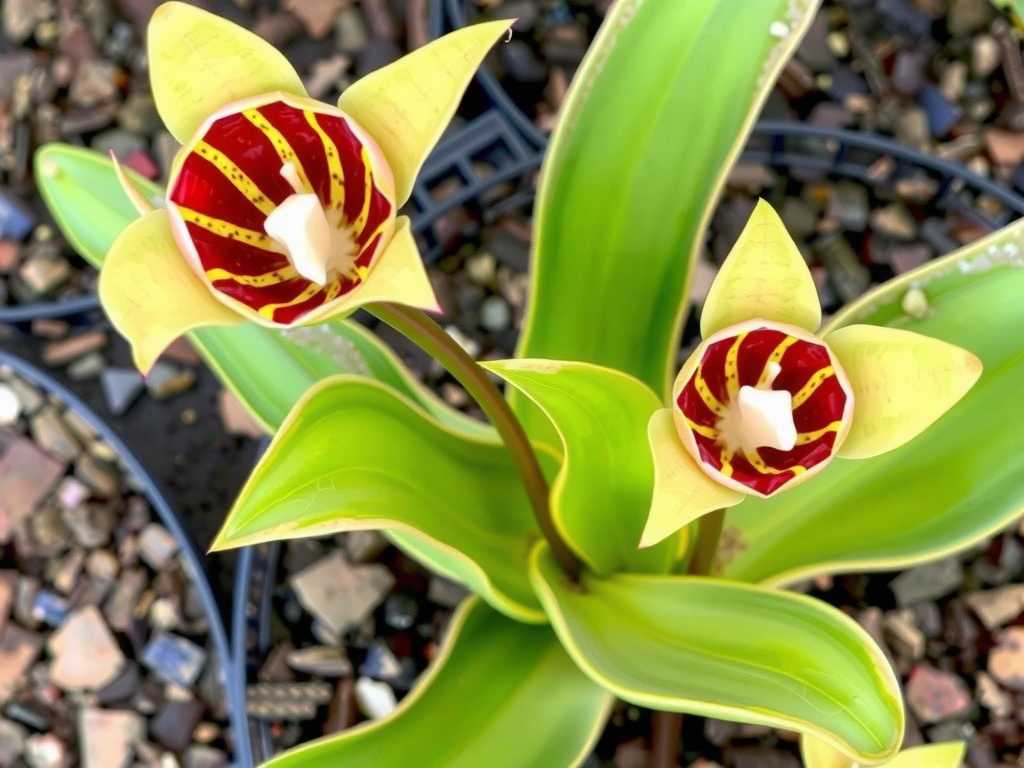
Understanding the Sarracenia's Native Habitat
To choose good companions, you must first understand what Sarracenia itself requires. These carnivorous plants are native to nutrient-poor, sunny, and perpetually moist acidic wetlands of North America. Their survival strategy—trapping insects for nutrients—evolved specifically because the soil they grow in lacks essential nitrogen and minerals. Any companion plant must thrive under these same harsh conditions without disrupting them.
The primary challenges arise when companion plants have different needs. Aggressive root systems can disturb Sarracenia's delicate roots. Tall, leafy plants can cast shade, reducing the full sun (6+ hours daily) critical for pitcher formation and coloration. Most critically, plants that require richer soil or tolerate dryness will either perish or force you to alter the environment, ultimately harming your Sarracenia. The goal is symbiotic bog gardening, where each plant benefits the collective environment.
Tip 1: Prioritize Shared Environmental Needs (Sun, Soil, Water)
This is the non-negotiable foundation. Every companion must be a true bog plant that demands the exact same cultural conditions.
- Full Sun Adherence: Only consider plants labeled as requiring full sun. Excellent examples include Sundews (Drosera species), which share the carnivorous adaptation and love for bright light, and many native bog wildflowers like Rose Pogonia (Pogonia ophioglossoides).
- Acidic, Nutrient-Poor Soil Compatibility: The growing medium must remain acidic (pH 4.0-5.5) and low in fertility. Avoid any plant that suggests "amend soil with compost" or "feed regularly." Good companions are adapted to these conditions, such as Sphagnum Moss (a living mulch that acidifies the soil) and Blue Flag Iris (Iris versicolor).
- Constant Moisture Requirement: The root zone should be consistently soggy, even waterlogged. Select plants that suffer in well-drained garden soil. Carnivorous plant companions like Venus Flytraps (Dionaea muscipula) and Temperate Butterworts (Pinguicula species) are perfect, as they require the same perpetual moisture.
Tip 2: Select for Non-Competitive Growth Habits
A plant can prefer the right conditions but still be a bad neighbor due to its growth pattern. You must manage physical competition.
- Avoid Aggressive Spreaders: Plants that rapidly colonize via runners or rhizomes, like some hardy Sedges (Carex species), can quickly overwhelm the slower-growing Sarracenia, requiring frequent division and disruption. If using such plants, plant them in submerged pots within the bog to contain their roots.
- Mind the Height and Canopy: Choose companions that are low-growing or whose foliage won't create a shading canopy. For instance, Lowbush Blueberry (Vaccinium angustifolium) offers beautiful foliage and fruit while staying relatively low. Place taller plants, like certain Prairie Blazing Star (Liatris pycnostachya), strategically at the north end of the bog so they don't cast shade on the sun-loving pitchers.
- Root System Considerations: Favor plants with fibrous, non-invasive root systems. The dense mat of Sphagnum Moss or the shallow roots of Golden Club (Orontium aquaticum) are less likely to interfere with Sarracenia's root zone than a large, woody shrub.
Tip 3: Choose Plants That Offer Ecological Benefits
Great companion planting goes beyond coexistence; it creates mutual benefits, enhancing the health and aesthetics of your entire bog garden.
- Microclimate Modulators: Living Sphagnum Moss is arguably the best companion. It retains moisture, cools the root zone, acidifies the soil, and provides a soft bed for new pitcher growth. It's a living, beneficial mulch.
- Pollinator Attraction for Cross-Pollination: While Sarracenia are insect-trapping, their flowers need pollination. Companion plants that attract the same pollinators (bees, butterflies) can increase the chance of your Sarracenia producing viable seed. Native bog wildflowers like Bog Goldenrod (Solidago uliginosa) are excellent for this.
- Seasonal Interest and Aesthetic Harmony: Select plants that provide visual interest when Sarracenia are dormant. Cranberry (Vaccinium macrocarpon) offers evergreen foliage and red berries in winter. The vibrant fall color of Sweet Flag (Acorus calamus 'Variegatus') adds beauty. This creates a year-round bog garden appeal.
Tip 4: Research and Source Responsibly
The final tip is about due diligence before you buy.
- Verify Native Status and Needs: Double-check that a plant is native to similar wetland habitats. A plant's "moisture-loving" tag might mean "damp soil," not "soggy, acidic bog." Consult reputable carnivorous plant society resources or native plant databases.
- Avoid Chemically Treated Plants: Never use plants from conventional nurseries that may have been treated with fertilizers or systemic pesticides. These chemicals can leach into the bog and kill your sensitive Sarracenia. Always source from specialized carnivorous plant nurseries or reputable native plant growers who understand chemical-free requirements.
- Start Simple: Begin with a few, well-researched companions rather than creating a complex, untested community. A simple pairing of Sarracenia, Drosera, and Sphagnum Moss is stunning and foolproof.
Common Questions About Sarracenia Companions
Can I plant Sarracenia with non-carnivorous plants? Yes, but they must be true bog plants. Many non-carnivorous natives like certain rushes (Juncus), orchids (e.g., Grass Pink - Calopogon tuberosus), and wildflowers thrive in the same conditions. The rule is "same habitat," not "same diet."
Is it safe to plant different Sarracenia species together? Absolutely. Different Sarracenia species make excellent companions for each other, as they have identical needs. Mixing tall species like S. flava with shorter ones like S. purpurea can create a beautiful, layered effect.
What is the single most common mistake in choosing companions? The most frequent error is selecting plants that merely "tolerate" wet soil instead of those that "require" perpetually saturated, acidic, and nutrient-poor conditions. This slight difference in requirement leads to long-term failure for either the companion or the Sarracenia.
Successful Sarracenia companion planting is an exercise in ecological mimicry. By rigorously applying these four tips—prioritizing shared needs, selecting non-competitive plants, choosing ecological allies, and sourcing carefully—you shift from battling problems to facilitating a naturally balanced garden. Your Sarracenia will reward you with vigorous growth and spectacular pitchers, surrounded by a community of plants that together recreate the unique beauty of a sun-drenched, nutrient-poor wetland. The result is a resilient, low-maintenance display where every plant is in its perfect place.