bluename
 How to Fix Sarracenia Underfertilization: 5 Feeding Schedule Solutions
Is your Sarracenia looking a little lackluster? Are its pitchers smaller, its colors fading, and its growth seemingly stalled? You might be dealing with a classic case of underfertilization. While these carnivorous plants are famed for catching their own food, they sometimes need a helping hand, especially in controlled environments like greenhouses or windowsills. Getting the feeding schedule right is crucial. Too little, and they starve; too much, and you risk fertilizer burn. This guide will walk you through five practical feeding schedules to fix Sarracenia underfertilization and restore your plant's vibrant health.
Understanding Sarracenia's Nutritional Needs
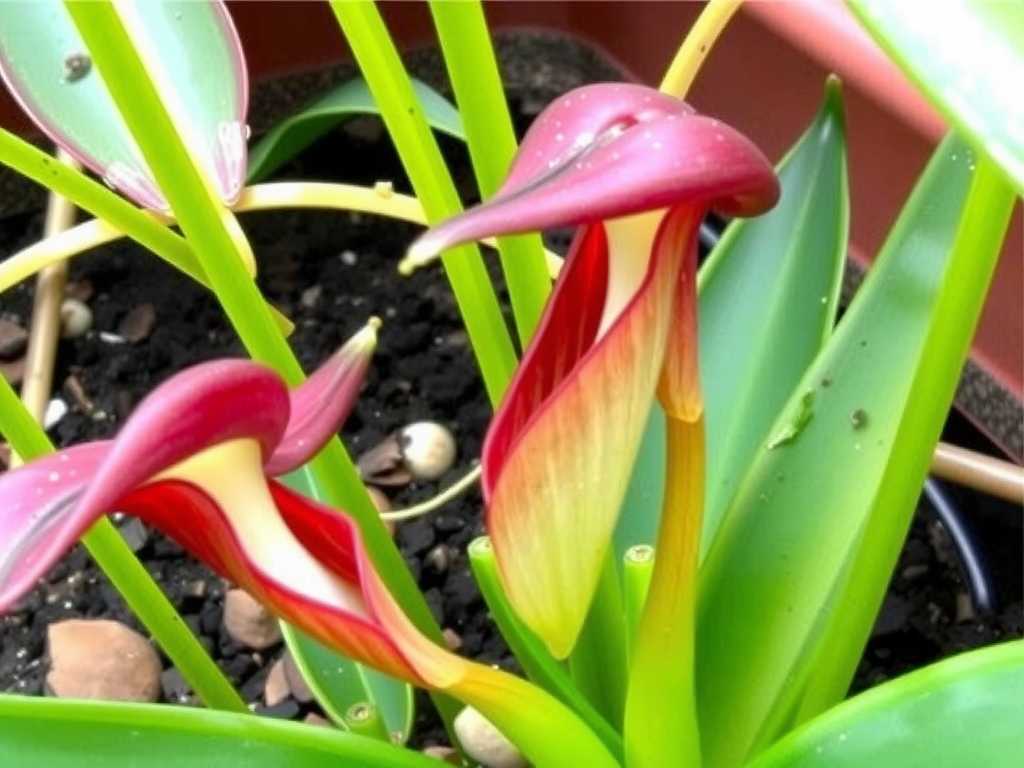
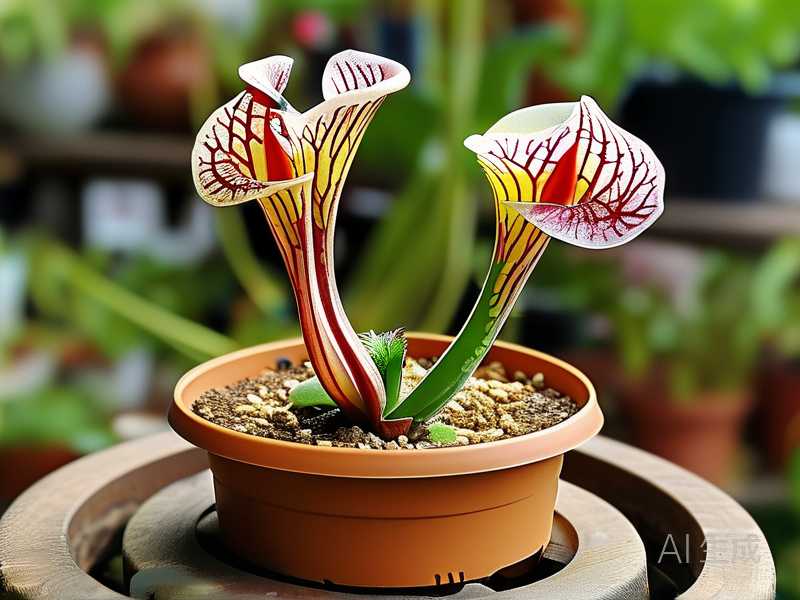
First, let's clear up a common misconception. Sarracenia are not true autotrophs that survive on sunlight and water alone. Their native habitats are nutrient-poor bogs. They evolved to trap insects to supplement the scarce nitrogen, phosphorus, and other minerals in the soil. When we grow them in cultivation, especially away from a robust insect population, we must replicate this nutrient input. Underfertilization manifests as weak, spindly growth, pale or greenish pitchers (instead of deep reds or yellows), and a general failure to thrive.
The Golden Rule: Dilution and Moderation
Before diving into the schedules, remember the cardinal rule for fertilizing carnivorous plants: always use a diluted, low-mineral fertilizer. A standard orchid or epiphyte fertilizer often works well. Never use standard garden fertilizer or pour fertilizer into the soil. The goal is to mimic the gentle nutrient input from a captured insect, not to force-feed the plant.
Solution 1: The Foliar Feed (Most Common & Recommended)
This method is widely endorsed by experts like Dr. Donald Schnell, author of Carnivorous Plants of the United States and Canada. It involves applying a very weak fertilizer solution directly to the foliage and pitchers.
The Schedule:
- Frequency: Every 2-3 weeks during the active growing season (Spring to early Autumn).
- Dilution: Use a water-soluble fertilizer at 1/4 to 1/8 of the recommended strength on the label.
- Method: Using a fine mist spray bottle, lightly mist the entire plant, focusing on the inner portions of the pitchers and the plant's crown. Do not drench the soil.
- Best For: All Sarracenia species, especially seedlings and plants showing clear signs of nutrient deficiency.
This method provides a gentle, consistent nutrient boost that the plant can absorb directly through its leaves.
Solution 2: The Pitcher Direct-Feed Method
This technique simulates natural prey capture most closely. You are essentially placing "food" directly into the pitcher's digestive fluid.
The Schedule:
- Frequency: Once every 3-4 weeks during peak growth.
- What to Use: A single, small insect (like a dried bloodworm or a tiny dead fly) or a single drop of a max-strength diluted fertilizer (1/4 strength) per large, established pitcher.
- Method: Carefully drop the insect or the single drop of fertilizer into no more than 1/3 of the plant's healthy, open pitchers. Rotate which pitchers you feed each session.
- Important: Avoid overfilling pitchers, as this can cause rot. Never use raw meat or large insects.
This is a targeted approach that provides nutrients right where the plant digests them.
Solution 3: The Soil Drench (For Advanced Growers)
This method is riskier and should be used with extreme caution. It involves applying a highly diluted fertilizer solution to the soil, mimicking mineral uptake from very mild rainwater.
The Schedule:
- Frequency: Once a month at most, and only during active growth.
- Dilution: Use an ultra-weak solution, no stronger than 1/10 to 1/20 of the label's recommendation.
- Method: Water the plant from above with this solution as you normally would, ensuring it drains through completely. Use only rainwater, distilled, or reverse osmosis water for this.
- Best For: Large, mature plants in pure sphagnum moss or peat/sand mixes. Not recommended for mineral-rich soils.
This method requires precision to avoid salt buildup, which is fatal to Sarracenia roots.
Solution 4: The Seasonal Boost Schedule
This schedule aligns feeding with the plant's natural growth cycle, providing support when it needs it most.
The Schedule:
- Early Spring (Growth Resumption): Begin foliar feeding (Solution 1) at 1/8 strength every 3 weeks as new pitchers emerge.
- Late Spring to Summer (Peak Growth): Increase to foliar feeding every 2 weeks at 1/4 strength, or employ the Pitcher Direct-Feed method monthly.
- Early Autumn: Gradually reduce feeding frequency. One final light foliar feed 6-8 weeks before the first frost.
- Winter (Dormancy): Stop all fertilization completely. The plant is resting and cannot use the nutrients.
This cyclical approach respects the plant's biology and prevents unnecessary stress.
Solution 5: The "Live Prey" Encouragement Plan
The most natural solution is to let your plant do the work. This schedule focuses on attracting insects to your Sarracenia.
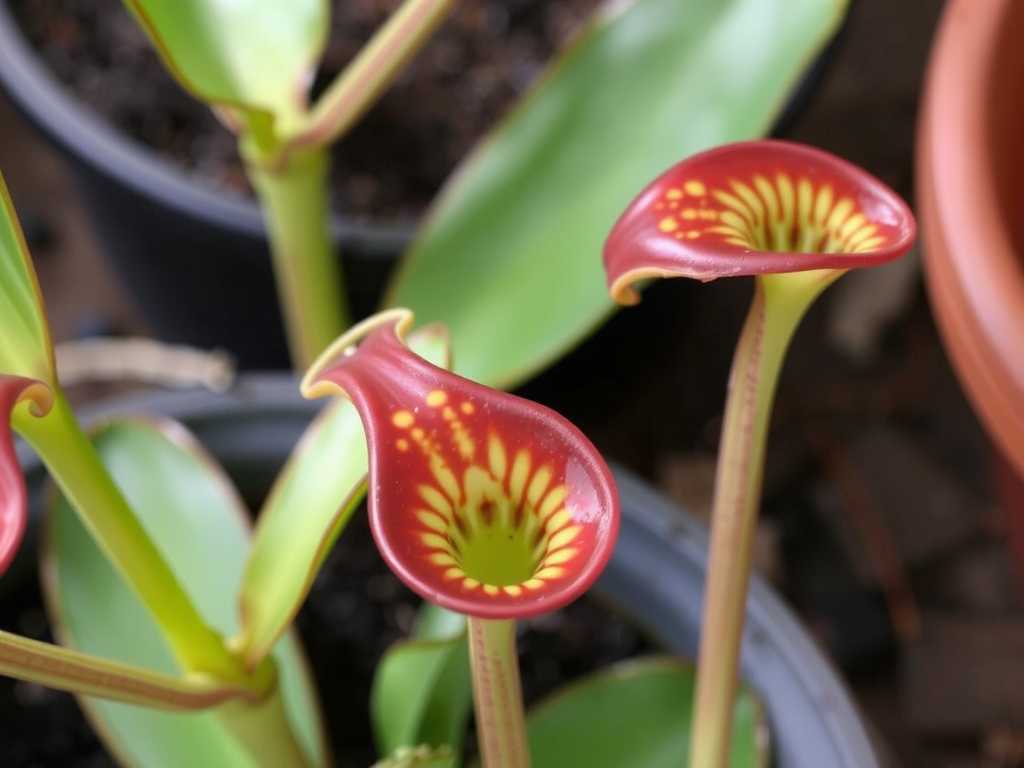
The Schedule:
- Placement: During sunny days in the growing season, place your Sarracenia outdoors in a safe, sunny spot. A patio, balcony, or open window is ideal.
- Attractants: You can place the plant near a compost bin (not too close) or use other non-carnivorous plants to attract aphids or flies nearby.
- Supplementation: If a pitcher goes 4-6 weeks without a visible catch, supplement with a single drop of the pitcher direct-feed method.
This low-intervention method often yields the best coloration and most robust growth, as noted in the International Carnivorous Plant Society's cultivation guidelines.
How often should I fertilize my Sarracenia? During the active growing season, a general rule is every 2-4 weeks, depending on the method chosen. Always err on the side of underfeeding. Observe your plant's response—if it's growing vigorously and coloring well, you can maintain or even slightly reduce the frequency.
Can I use fish emulsion or worm castings? It is not recommended. These products are often too rich in organic matter and minerals and can foster algae growth, fungus gnats, and root burn in the sensitive, low-nutrient medium Sarracenia require. Stick to diluted, water-soluble fertilizers designed for sensitive plants.
What are the signs of overfertilization? Be alert for blackened or browned pitcher tips, sudden pitcher collapse, a whitish crust on the soil surface (mineral salts), or a general look of burn and distress. If you see these, flush the pot thoroughly with distilled water and cease all feeding for at least two months.
Successfully fixing Sarracenia underfertilization is about consistency, observation, and gentle care. Whether you choose the simple foliar spray, the direct pitcher feed, or encourage natural hunting, the key is to provide a modest, regular supplement that mirrors their natural insect diet. Start with the weakest solution, monitor how your plant responds over a few weeks, and adjust accordingly. With these five feeding schedules, you can confidently address nutrient deficiencies and watch your pitcher plants return to their former glory—producing tall, colorful, and insect-trapping pitchers that are the hallmark of a healthy, well-fed Sarracenia.