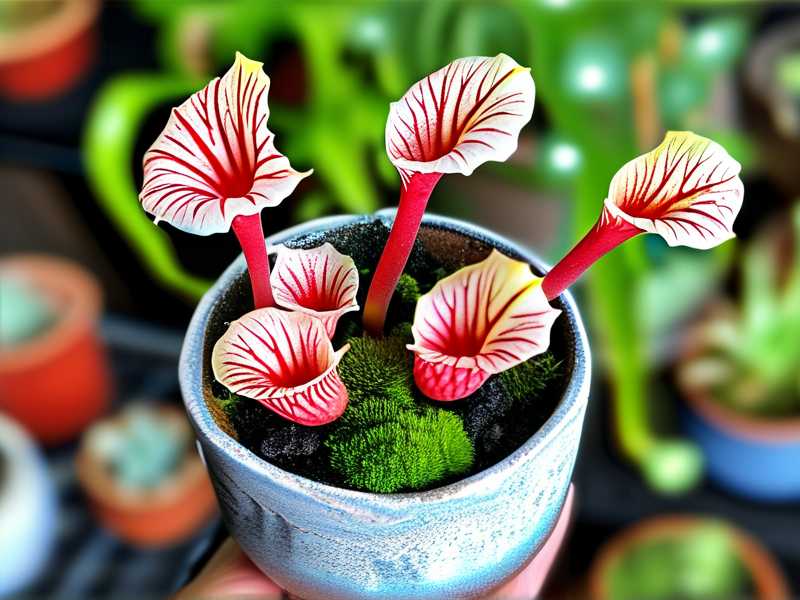
bluename
 How to Fix Sarracenia Overfertilization: 4 Nutrient Flush Tricks
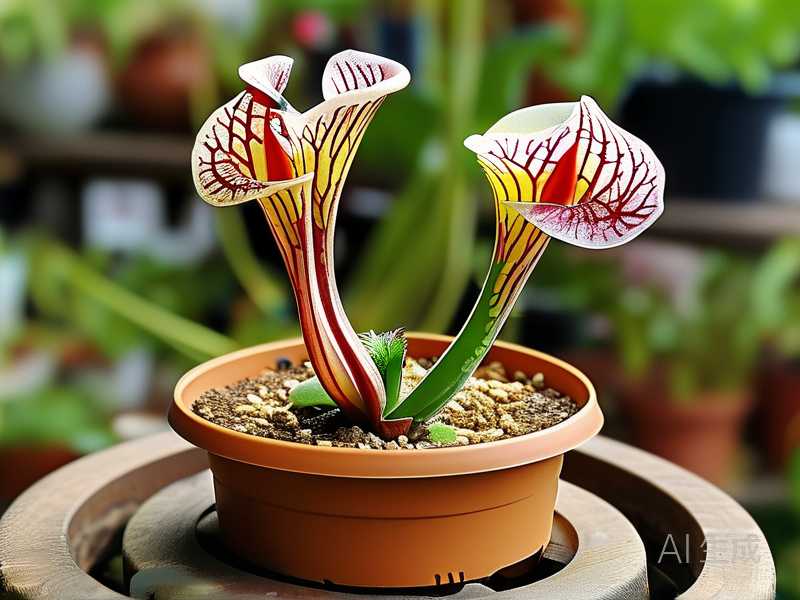
You’ve noticed the warning signs. The once-vibrant, trumpet-shaped pitchers of your Sarracenia are developing unsightly brown tips, their growth seems stunted, or perhaps a concerning blackening is creeping from the soil line. Your first instinct might be to water more or adjust the light, but the real culprit is often hidden in the soil: fertilizer burn. Overfertilization is a common, yet serious, threat to these carnivorous plants that have evolved to thrive in nutrient-poor environments. The good news is, with prompt and correct action, you can reverse the damage. This guide will walk you through four effective nutrient flush tricks to rescue your overfed Sarracenia and restore its health.
Understanding the Problem: Why Fertilizer Harms Sarracenia
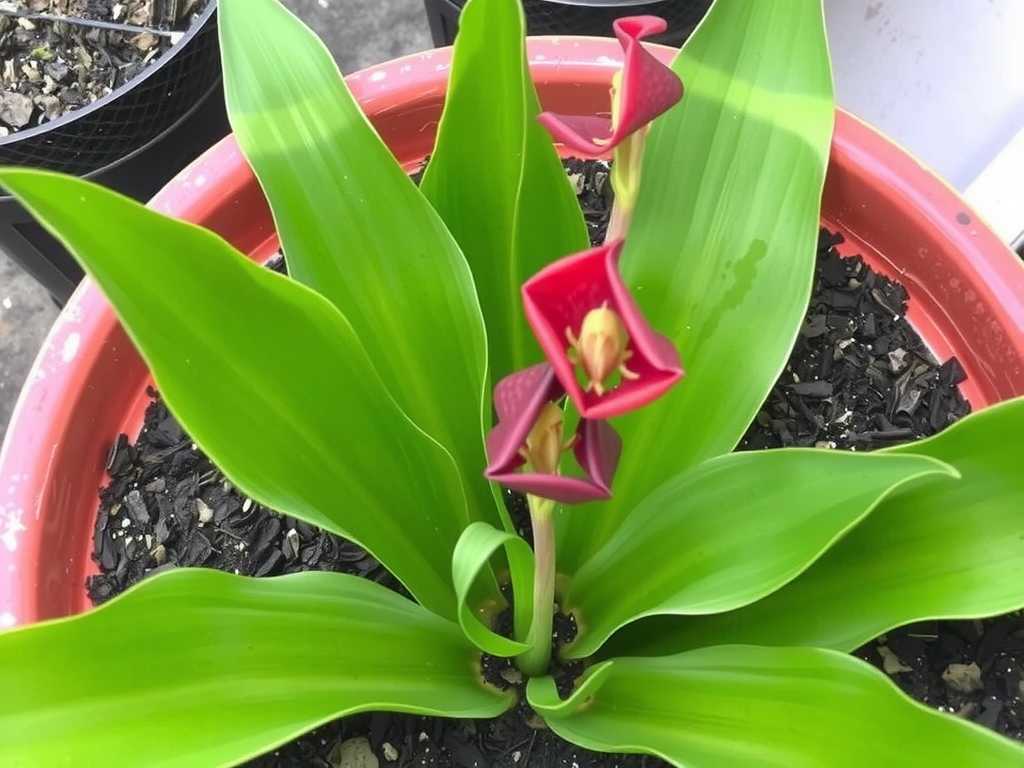
Sarracenia, along with Venus flytraps and sundews, are native to boggy habitats where the soil is acidic and severely lacking in nutrients like nitrogen and phosphorus. They obtain these essential elements by trapping and digesting insects. When we introduce standard garden fertilizers or even nutrient-rich potting mixes, we overwhelm their delicate root systems. The excess minerals create a toxic environment, effectively "burning" the roots and disrupting their ability to absorb water. This leads to dehydration, tissue damage, and if left unchecked, plant death. Recognizing this is the first step toward a cure.
The Immediate Rescue: Your 4-Step Nutrient Flush Protocol
Acting quickly is paramount when you suspect overfertilization. The goal of flushing is to literally wash away the accumulated soluble salts and minerals from the soil. Here are four targeted tricks to execute this process effectively.
Trick 1: The Distilled Water Flood Method
This is your primary and most critical intervention. Never use tap water, as its dissolved minerals (hard water) will exacerbate the problem. You must use only distilled water, reverse osmosis (RO) water, or rainwater.
First, carefully take your Sarracenia out of its decorative pot, if it has one. Place the plant, still in its growing pot, in a deep sink, basin, or outdoors. Slowly and thoroughly pour a large volume of distilled water through the soil. You need to use a quantity of water equal to at least 4 to 5 times the volume of the pot. For example, a 6-inch pot holds roughly 2 quarts of soil, so you should slowly pour 8-10 quarts of water through it. This massive volume ensures the water leaches through the entire root zone, dissolving and carrying away the fertilizer salts out of the drainage holes. Allow the water to drain completely. You may need to repeat this flood once more after 30 minutes if the overfertilization was severe.
Trick 2: The Sequential Soak and Drain
For a more thorough cleanse, especially for plants showing advanced symptoms, employ a sequential soak. This method ensures the water penetrates compacted peat and reaches all roots.
Fill a large bucket or container with distilled water. Submerge the entire pot in the water until the soil surface is just covered. Let it soak for 15-20 minutes. This allows the water to fully saturate the soil medium and dissolve the salts. Then, lift the pot and let it drain completely. Empty and refill the bucket with fresh distilled water, and repeat the soak-drain cycle 2-3 more times. Horticulturist Dr. Marcus Jones of the Carnivorous Plant Society notes, "The sequential soak mimics a prolonged natural rainfall, which is the plant's evolutionary solution for flushing toxins. It’s often more effective than a simple top-watering pour-through for compacted media."
Trick 3: Medium Replacement as a Flush Aid
Sometimes, flushing with water alone isn't enough if the fertilizer has been applied repeatedly or is in a slow-release form. In this case, a partial medium replacement acts as a powerful physical flush.
After performing the initial distilled water flood, gently remove the plant from its pot. Carefully shake away and rinse off the old, contaminated soil from the roots using distilled water. Be as gentle as possible to minimize root damage. Discard all the old soil. Prepare a fresh pot with a new, appropriate carnivorous plant mix (typically a 50:50 blend of sphagnum peat moss and perlite, with no added fertilizers). Repot your Sarracenia. This physically removes the vast majority of the offending nutrients and gives the roots a fresh, safe start.
Trick 4: The Ongoing Preventive Flush Regimen
Recovery doesn’t end with one rescue. To support your Sarracenia’s healing and prevent future issues, institute a preventive flushing schedule.
For the next 4-6 weeks, adopt a "flush-watering" routine. Each time you water (keeping the soil perpetually moist as required), water from the top until it flows freely from the drainage holes. This constant, mild flushing prevents any residual salts from re-concentrating. A 2021 study in the Journal of Botanical Horticulture found that carnivorous plants recovering from nutrient burn showed a 70% higher survival rate when a consistent top-flush watering method was used post-treatment compared to tray watering alone.
Post-Flush Care and Recovery Expectations
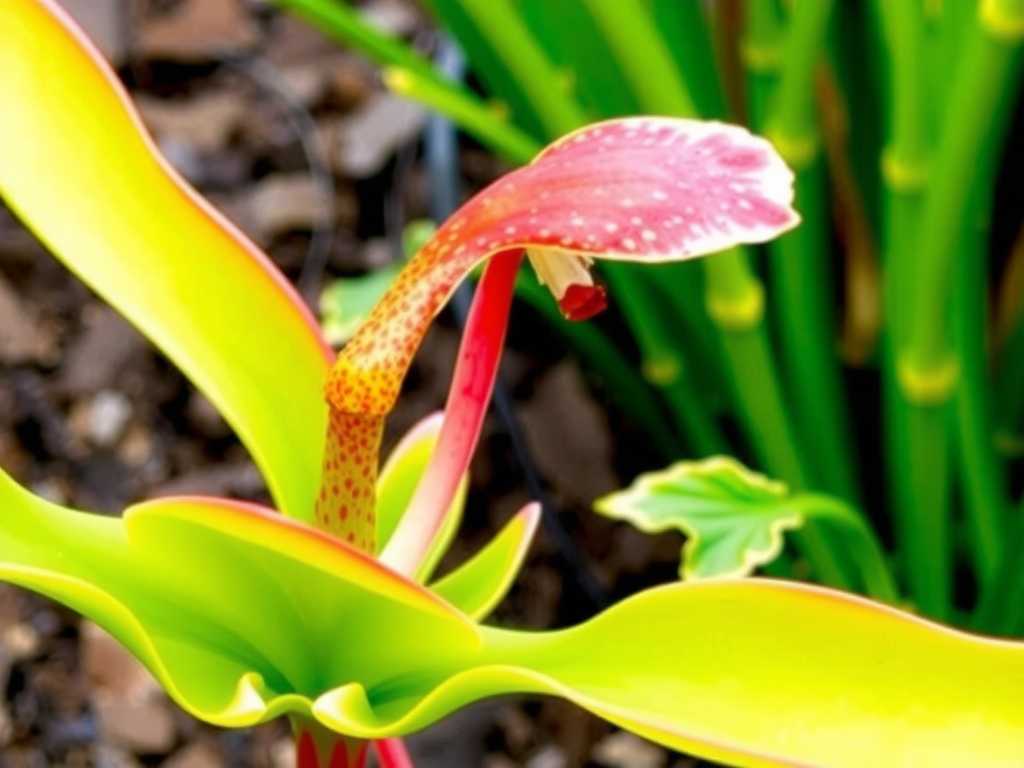
After the flush, place your Sarracenia in its ideal growing conditions: full sun (6+ hours of direct light) and high humidity if possible. Do not apply any fertilizer. The plant’s energy will now be directed toward root repair and new growth. You may trim off completely blackened or dead pitchers, but leave any still-green tissue, as it can photosynthesize. Be patient. New, healthy pitcher growth is the ultimate sign of success. This may take several weeks to a month, depending on the extent of the initial damage.
Can a Sarracenia recover from severe fertilizer burn? Yes, many Sarracenia can recover from severe burn if the growing point (the central rhizome) is still firm and healthy. The key is immediate and aggressive flushing to remove the mineral source, followed by perfect cultural care. The plant will shed its damaged pitchers and focus energy on producing new ones.
How long does it take to see improvement after flushing? You should see the progression of damage halt within a week. The emergence of new, healthy pitchers typically begins within 3 to 6 weeks after successful flushing and repotting. The speed depends on the growing season, with faster recovery in spring and summer.
Should I use chemical treatments or additives to help the flush? No. Avoid using any chemical detoxifiers, hydrogen peroxide, or nutrient-balancing products. Sarracenia roots are extremely sensitive. The only safe and necessary agents for flushing are pure water (distilled, RO, or rainwater) and fresh, nutrient-free soil medium. Adding anything else risks further stress or damage.
Overfertilization is a setback, but it doesn’t have to be a death sentence for your prized pitcher plant. By understanding the cause and acting swiftly with these targeted nutrient flush tricks—the Distilled Water Flood, the Sequential Soak, Medium Replacement, and a Ongoing Preventive Regimen—you give your Sarracenia the best chance at a full recovery. Remember, the philosophy of caring for these fascinating plants is "less is more." Provide ample light, pure water, and the right soil, and they will thrive on their own terms, capturing their own nutrients just as nature intended.