bluename
 How to Fix Sarracenia Transplanted Shock: 5 Recovery Solutions
You’ve carefully chosen a new spot, prepared the soil, and gently moved your prized pitcher plant. But instead of thriving, your Sarracenia is now wilting, its pitchers drooping or discolored. This discouraging sight is a classic sign of Sarracenia transplanted shock, a stressful period where the plant struggles to adapt to its new environment. Don’t panic—this setback is common and often reversible. With the right intervention, you can guide your carnivorous plant from shock to a full recovery. This guide provides five actionable solutions to stabilize your plant and ensure it flourishes in its new home.
Understanding why transplant shock happens is the first step to fixing it. Sarracenia have delicate root systems sensitive to disturbance. During moving, fine root hairs responsible for water and nutrient uptake can be damaged. This temporarily compromises the plant’s ability to hydrate itself, leading to the visible stress symptoms you observe. The goal isn’t just survival; it’s to create conditions that minimize root workload and maximize environmental support for regeneration.
Immediate Post-Transplant Care: The Critical First Steps
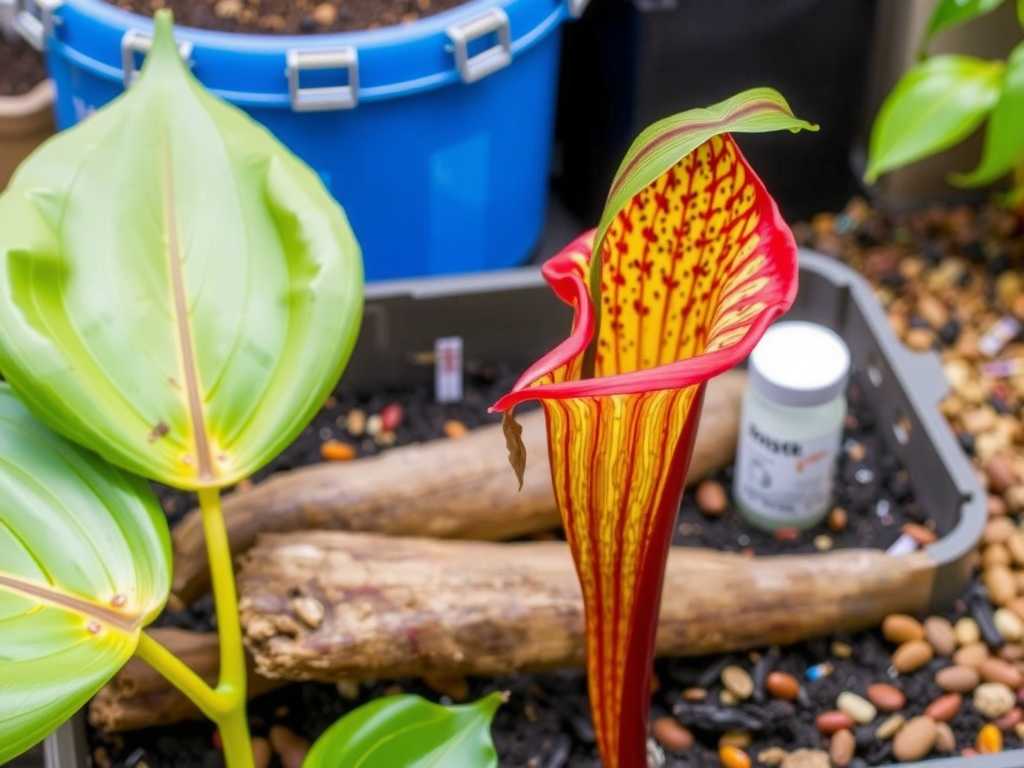
Your actions in the first 48 hours after transplanting set the stage for recovery. The primary focus is hydration and stabilization.
Prioritize Deep, Thorough Watering Immediately after settling your Sarracenia into its new pot or bog garden, water it deeply. Use distilled water, rainwater, or reverse osmosis water exclusively, as tap water minerals are harmful. The goal is to settle the soil around the roots and eliminate air pockets, ensuring root-to-soil contact for moisture absorption. As noted by horticulturists at the International Carnivorous Plant Society, proper initial hydration is crucial to mitigate the initial water deficit caused by root damage.
Provide Temporary Shade and Shelter Even if your Sarracenia is a sun-loving species, temporarily shield it from intense, direct sunlight for 3-7 days. Transplant shock reduces its ability to cool itself via transpiration. Place it in a spot with bright, indirect light or use a 30-50% shade cloth. This reduces heat stress and water loss, allowing the plant to redirect energy to root repair rather than surviving solar exposure.
Optimizing Environmental Conditions for Root Regrowth
Long-term recovery hinges on perfecting the plant’s core needs: moisture, light, and soil. Perfect conditions reduce strain on the compromised root system.
Master the Moisture Balance: Damp, Not Soggy The soil medium should remain consistently damp to the touch but never waterlogged. For potted Sarracenia, the classic “tray method” is excellent during recovery. Keep the pot sitting in a saucer with about half an inch of pure water, allowing it to wick moisture upward. Refill the tray only after it dries out for a day. This provides constant, gentle moisture without suffocating the roots, encouraging new root growth into the surrounding medium.
Acclimate Gradually to Full Sun After the initial shady recovery period, reintroduce sunlight gradually over a week. Start with a few hours of morning sun, slowly increasing exposure. Full-sun species like Sarracenia flava or S. leucophylla will eventually need 6+ hours of direct light to produce vibrant pitchers. A gradual approach prevents a secondary shock from sudden light change. Observe the plant; if new growth appears bleached or scorched, slow the acclimation process.
The Right Soil Mix is Non-Negotiable Transplant shock is exacerbated by inappropriate media. Sarracenia require nutrient-poor, acidic, and well-aerated soil. A standard mix is one part peat moss to one part perlite or horticultural sand. Ensure the peat is unfertilized. This mix retains moisture while providing crucial oxygen to the roots. As veteran grower Peter D’Amato emphasizes in The Savage Garden, “The wrong soil will doom a carnivorous plant faster than anything else.” If you used a rich or dense mix, carefully replanting into the correct medium may be the best solution.
Supportive Practices and What to Avoid
Patience and restraint are vital. Avoid the temptation to over-feed or over-handle the plant during this delicate phase.
Hold Off on Fertilizers and Feeding Do not apply any soil fertilizers or foliar sprays. Sarracenia obtain nutrients from insects caught in their pitchers. Fertilizers will burn their damaged roots and alter soil chemistry, often fatally. The plant does not need extra nutrients during recovery; its energy must be directed toward root and leaf regeneration. Let it catch its own prey naturally.
Minimize Further Disturbance and Prune Strategically Resist checking the roots or moving the plant again. Physical stability allows new roots to anchor. You may remove any pitchers or leaves that turn completely brown or black, as they will not recover. However, leave any partially green tissue, as it still contributes to photosynthesis. Pruning dead matter improves aesthetics and reduces the risk of fungal rot.
Monitoring Progress and Signs of Recovery
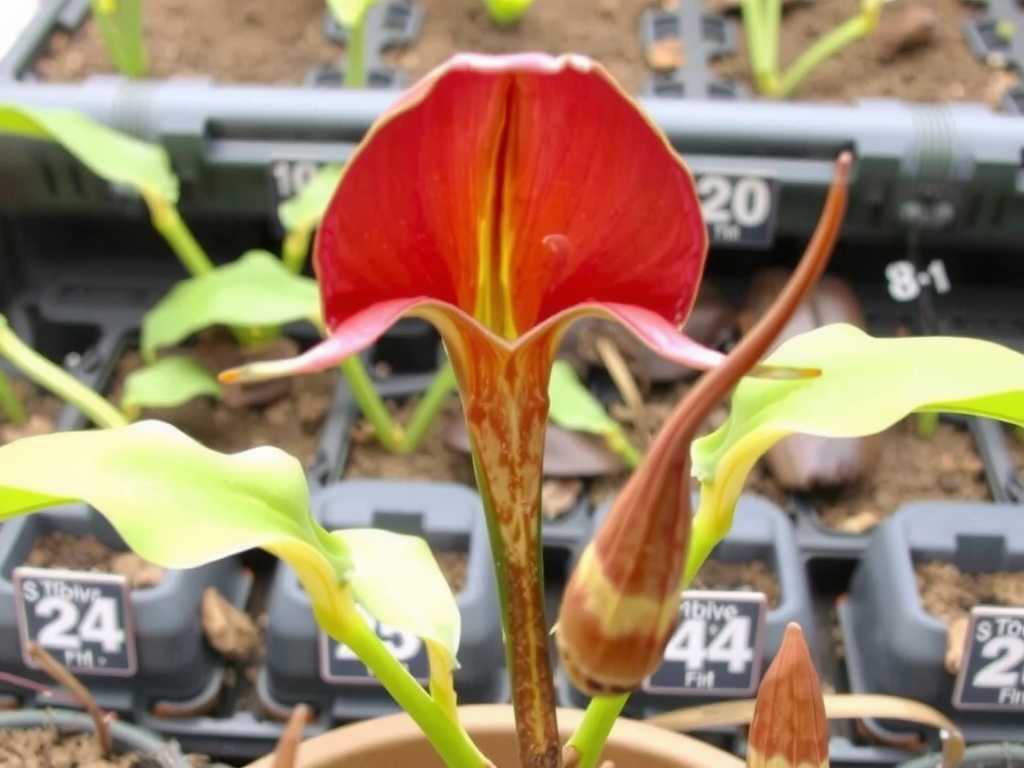
Recovery is not instantaneous. Look for positive indicators over the coming weeks.
New growth is the ultimate sign of success. A small, green bump at the crown will eventually unfurl into a new pitcher. This signals that the root system is functional again. Existing pitchers may remain stressed, but focus on the emergence of new ones. The plant’s overall turgidity should also improve, with remaining foliage appearing firmer.
Frequently Asked Questions
How long does Sarracenia transplant shock last? The visible wilting phase typically lasts 1-2 weeks with proper care. However, full recovery and the resumption of normal, vigorous growth can take 4-8 weeks. The timeline depends on the extent of root disturbance, the season (spring transplants recover fastest), and the consistency of aftercare.
Should I mist my Sarracenia after transplanting? Misting is generally not recommended. It provides only superficial moisture and can promote fungal growth on the foliage. Far more effective is ensuring the soil root zone is properly hydrated through the tray method. The key is watering the roots, not the leaves.
My transplanted Sarracenia’s pitchers are turning brown. Is it dying? Not necessarily. Some browning or die-back of existing pitchers is a common sacrifice as the plant reallocates resources. As long as the central growth point (the crown) remains firm and green, and you see signs of new growth emerging, the plant is likely on the path to recovery. Focus on the health of new growth rather than old.
Transplant shock can test any gardener’s resolve, but for Sarracenia, the formula for recovery is clear. By immediately providing gentle hydration and shade, then meticulously optimizing long-term conditions of water, light, and soil, you create a supportive environment for root regeneration. The process demands patience—avoiding fertilizers and unnecessary interference is as important as the active care you provide. By following these focused solutions, you transform a period of stress into an opportunity, ultimately securing a stronger, better-situated pitcher plant for seasons to come.