bluename
 How to Fix Sarracenia Color Fading: 4 Light and Nutrient Tricks
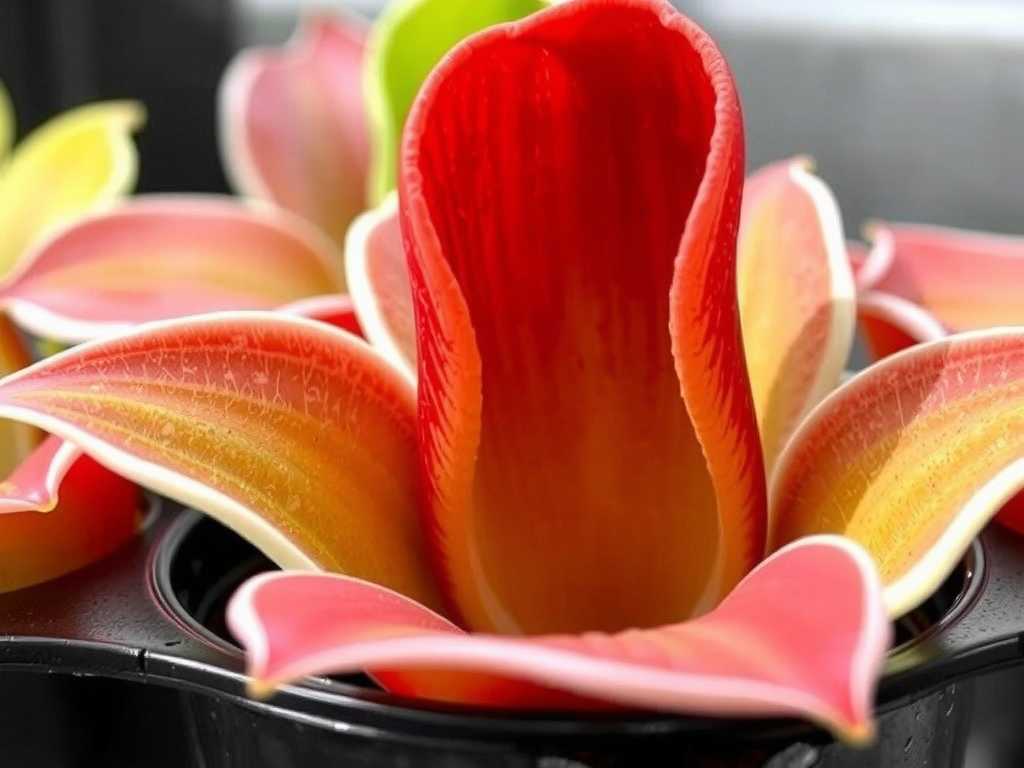
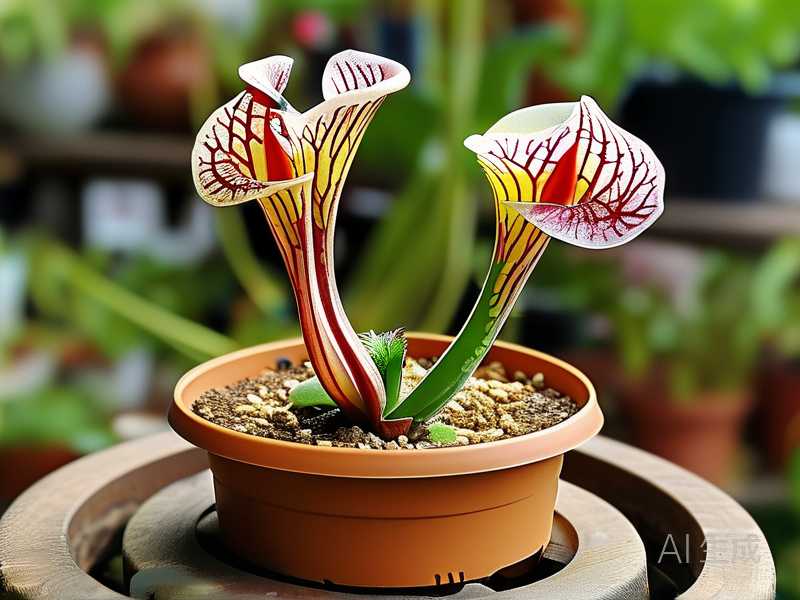
There's nothing more disheartening for a carnivorous plant enthusiast than watching a vibrant Sarracenia, once a masterpiece of deep reds, purples, and rich greens, slowly fade into a pale, washed-out version of itself. You provide the water, you offer the soil, yet the spectacular coloration that makes these pitcher plants so captivating seems to drain away. If you're struggling with Sarracenia color fading, know this: you are not alone, and the problem is almost always fixable. The brilliant hues in Sarracenia are not just for show; they are a direct reflection of the plant's health and its sophisticated survival strategy. Fading typically signals that one or two critical environmental needs are not being fully met. The good news? By mastering the interplay of light and nutrients, you can restore and intensify those stunning pigments. This guide will walk you through four essential tricks to bring back the dazzling color your plant deserves.
Understanding Why Sarracenia Color Develops
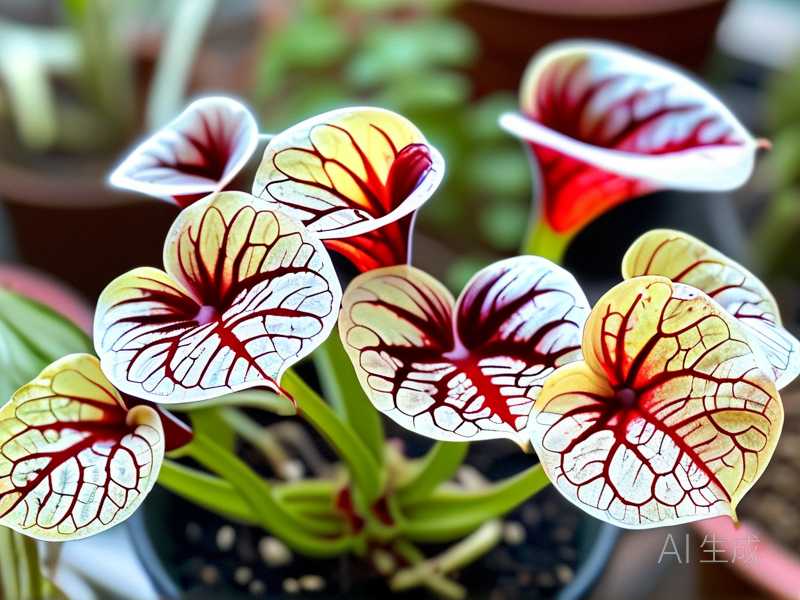
Before we dive into the solutions, it's crucial to understand the "why." Sarracenia produce their intense colors primarily through pigments called anthocyanins. These are the same compounds that give blueberries, red cabbage, and autumn leaves their vibrant reds and purples. For the pitcher plant, these pigments serve a vital purpose: they enhance the attractiveness of the pitcher to insect prey and help protect the plant tissue from solar radiation stress.
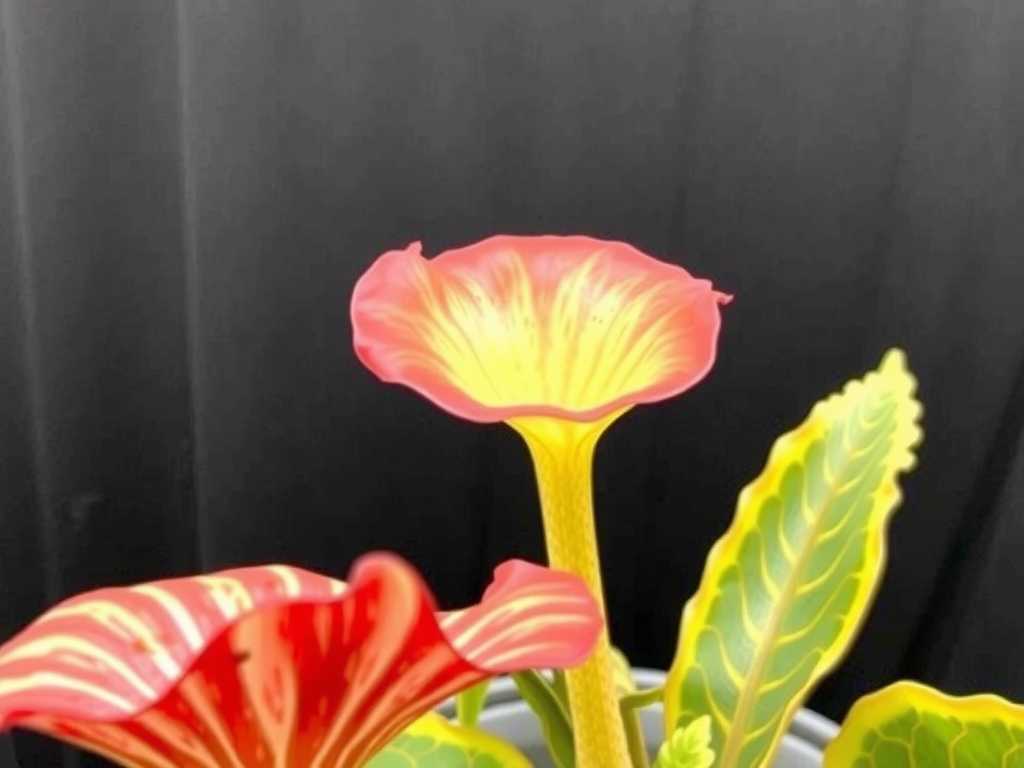
When a Sarracenia loses its color, it's often because the environmental triggers for anthocyanin production are insufficient. The two most powerful triggers are high-intensity light exposure and specific nutrient management. Essentially, the plant isn't receiving the signal it needs to produce its natural sunscreen and insect lure. Let's correct that.
Trick 1: Maximize Light Intensity and Duration
This is the single most important factor. Sarracenia are full-sun plants, native to open, boggy habitats with virtually no shade.
- The Goal: Provide a minimum of 6-8 hours of direct, unfiltered sunlight daily. For truly spectacular color, aim for 10+ hours.
- The Fix: If your plant is fading, reassess its location. A south-facing window is rarely enough, even for the sunniest indoor spot. The glass filters out crucial light spectra. The most effective solution is to grow your Sarracenia outdoors during the growing season. For indoor growers, investing in a high-quality, full-spectrum LED grow light is non-negotiable. Position the light 6-12 inches above the plant and run it for 12-14 hours a day. As noted by horticulturist Dr. Damon Collingsworth of California Carnivores, "Light is the paintbrush for Sarracenia. Without enough of it, the canvas remains bland. We see the most intense venation and solid coloration in our outdoor full-sun beds, without exception."
- Sign of Success: Initially, you may see a slight reddening or bronzing on the edges of new growth. Over subsequent pitchers, the color will deepen from the veins outward.
Trick 2: Master the Nutrient Balance in Soil and Water
Sarracenia thrive in low-nutrient, acidic media. However, "low-nutrient" does not mean "no-nutrient," and the wrong minerals can lock out others or directly cause fading.
- The Water Rule: Use only low-mineral water. Rainwater, distilled water, or reverse osmosis water are perfect. Tap water, even if left to sit, contains dissolved salts (like calcium and magnesium) that will accumulate in the soil, raise the pH, and can lead to chlorosis (yellowing) and faded color.
- The Soil Mix: A standard blend is 50% peat moss and 50% perlite or horticultural sand. Ensure all components are unfertilized. Avoid regular potting soil or miracle-gro products at all costs; their fertilizer load is fatal.
- The Nutrient Paradox: While you should never fertilize the soil, Sarracenia get their nutrients from captured insects. If your plant is in a sealed terrarium or a location without insect access, its overall health—and thus its ability to produce color—may suffer. Allowing it outdoor access or occasionally offering a small, dried insect to a pitcher can provide the nitrogen boost needed for vigorous, colorful growth.
Trick 3: Leverage Seasonal Temperature Drops
In nature, Sarracenia experience distinct seasons. The shift from summer heat to cooler fall nights acts as a secondary trigger for anthocyanin production in many varieties.
- The Strategy: If you grow your plants outdoors, this happens naturally. The autumn pitchers are often the most brilliantly colored of the year. For indoor growers, you can simulate this by placing your plant in a cooler room or near a window where night temperatures can drop by 10-15°F (5-8°C) compared to daytime during the late growing season.
- A Note of Caution: This should be a gentle cooling, not a frost. The goal is to mimic the crisp nights of early fall, not winter dormancy (which is a separate, essential process).
Trick 4: Ensure a Proper Dormancy Period
A healthy, colorful growing season is built on the foundation of a proper winter rest. Dormancy allows the plant to reset and store energy.
- The Process: Most Sarracenia require 3-4 months of cold dormancy (temperatures between 32°F and 50°F / 0°C and 10°C). During this time, they may look somewhat ragged, with many pitchers dying back.
- The Color Connection: A plant denied dormancy becomes exhausted. It will struggle to produce vigorous growth in spring, and that new growth will often be weak, small, and poorly colored. Think of dormancy as the plant's essential recharge period. A well-rested Sarracenia erupts in spring with robust, colorful pitchers ready to capitalize on the increasing light.
Putting It All Together: A Seasonal Color-Care Checklist
- Spring (Post-Dormancy): Move plant into full, direct sunlight. Resume watering with pure water as growth accelerates.
- Summer: Maintain maximum light exposure. Ensure the plant sits in a saucer of pure water at all times (the tray method). Monitor for pests.
- Fall: Enjoy peak coloration triggered by cool nights. Begin to reduce watering slightly as growth slows. Prepare for dormancy.
- Winter (Dormancy): Provide cold, bright, and damp conditions. Protect from hard freezes if in pots. Color is not a concern during this rest phase.
Frequently Asked Questions
My Sarracenia is getting lots of light but is turning yellow instead of red. What's wrong? This is likely chlorosis, often caused by incorrect water or a pH imbalance in the soil. The minerals in tap water can lock up iron, preventing the plant from producing chlorophyll. Flush the pot thoroughly with distilled water and switch your water source immediately. The new growth should show improvement.
Can I use fertilizer to boost color in my pitcher plants? Directly fertilizing the soil is strongly discouraged and will likely damage the roots or kill the plant. The only safe way to provide a nutrient boost is through the pitchers themselves—allowing the plant to catch insects or placing a small, dead insect inside one. The plant is adapted to digest this, not absorb minerals through its roots.
How long will it take to see improvements in color after changing my care routine? Patience is key. You will not change the color of existing pitchers. The improvements will be visible in the new pitchers that develop after you correct the conditions. Depending on the growth speed of your species, this could take several weeks to a couple of months. The first new pitcher grown under correct, high-light conditions will show you the path forward.
Seeing your Sarracenia regain its deep, mesmerizing colors is one of the most rewarding experiences in carnivorous plant care. The process underscores a fundamental truth about these remarkable species: their beauty is a direct dialogue with their environment. By providing the intense light they crave, the pure water and lean soil they require, and respecting their natural cycles, you are not just fixing a problem. You are partnering with the plant to reveal its most spectacular, natural state. Start with light, refine the nutrients, and let the seasons guide you. The vibrant results will speak for themselves.