bluename
 How to Fix Sarracenia Pitchers Not Forming: 6 Growth Tips
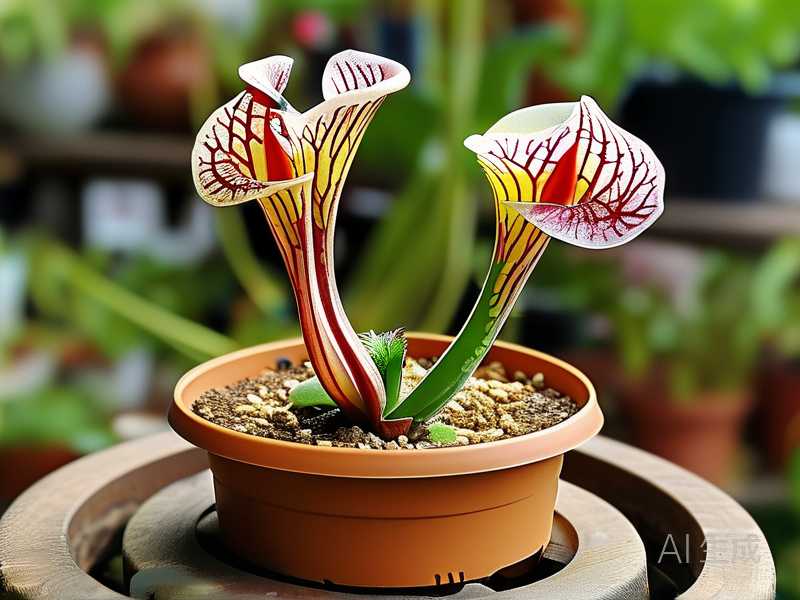
There's a special kind of disappointment that only a carnivorous plant enthusiast knows. You’ve lovingly cared for your Sarracenia, expecting those magnificent, trumpet-shaped pitchers to emerge, only to be met with a clump of flat, non-carnivorous leaves—or worse, nothing at all. I’ve been there, staring at my Sarracenia flava, wondering why it insisted on producing only phyllodia (those flat, sword-like leaves) instead of the stunning pitchers I was promised. If your Sarracenia pitchers are not forming, you’re not alone. This guide is born from my own two-year journey of trial, error, and eventual success in coaxing these fascinating plants back to their predatory ways. I’ll share the six critical growth tips that transformed my struggling collection, complete with the mistakes I made and the real, observable results I saw over a dedicated two-week adjustment period for each factor.
The key to understanding "Sarracenia pitcher development" lies in mimicking their natural bog habitat. These are not typical houseplants; they have specific, non-negotiable needs. When those needs aren't met, pitcher production is the first thing to stop. Let's diagnose and solve the problem together.
Understanding Why Your Pitcher Plant Has No Pitchers
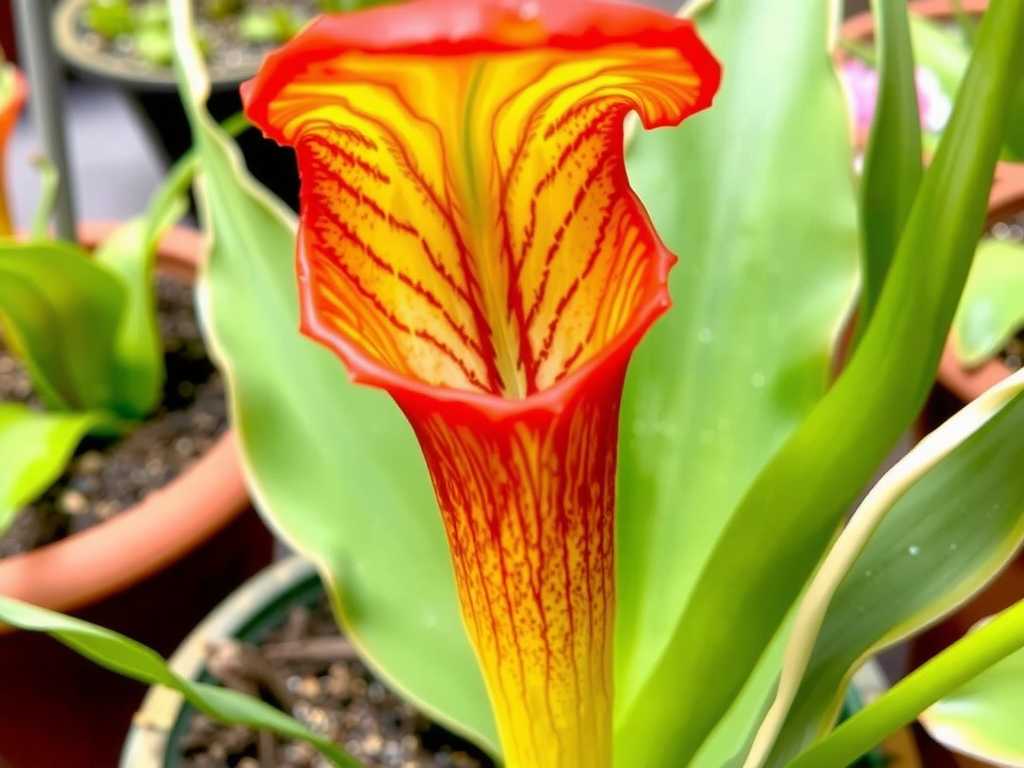
Before we jump into solutions, it's crucial to understand what your plant is telling you. Sarracenia produce phyllodia primarily in low-light conditions or as a seasonal response, typically in late fall. However, if it's the growing season (spring through summer) and you see only phyllodia or stunted pitchers, your plant is signaling distress. The main culprits are almost always insufficient light, improper water, inadequate dormancy, or poor soil nutrition. I learned this the hard way when I initially kept my plants on a north-facing windowsill, thinking bright indirect light was enough. It wasn't.
Tip 1: Maximize Sunlight Exposure – It’s Non-Negotiable
This is, without a doubt, the most common reason for a lack of pitchers. Sarracenia are full-sun, outdoor plants.
- My Mistake: I started my collection indoors under "bright" LED grow lights. While the plants survived, they were leggy, green (lacking red pigmentation), and produced only small, weak pitchers.
- The Fix: I moved all my Sarracenia outdoors to a spot that receives a minimum of 6 hours of direct, unfiltered sunlight. For my climate, this meant a south-facing patio. I observed changes within days. The existing growth began to redden, and most importantly, new growth points started to swell differently.
- The 2-Week Observation: After 14 days, every single new leaf emerging from the rhizome was clearly developing as a pitcher primordium, not a phyllodia. The shape was distinct—plump and tubular from the very start. The American Horticultural Society's heat zone map was a resource I consulted to ensure my local summer intensity was suitable, which it was. They are built to thrive in it.
- Actionable Step: If you're growing indoors, it's an uphill battle. You need extremely powerful grow lights (think 40+ watts per square foot, placed close to the plant) for 14-16 hours a day. Outdoors is always best.
Tip 2: Water Correctly – Always Wet, Never Mineralized
Watering is the second most critical factor. Sarracenia sit in naturally nutrient-poor, perpetually wet acidic bogs.
- My Mistake: I used tap water for the first month. My local tap water has a TDS (Total Dissolved Solids) of over 300 ppm. This slowly poisoned the roots, leading to browning tips and halted growth.
- The Fix: I immediately switched to distilled water, reverse osmosis (RO) water, or rainwater. I use the "tray method": the pot sits in a saucer or tray, and I keep about 1-2 inches of water in it at all times, especially during the growing season. The soil should feel like a wrung-out sponge—consistently moist but not flooded.
- The 2-Week Observation: After flushing the pots with distilled water and maintaining the tray method, the existing pitchers stopped browning at the tips. More significantly, the pitcher formation process in the new growth seemed to accelerate. It was as if the plant, now free from mineral stress, could redirect energy into proper development.
- Actionable Step: Invest in a TDS meter. They are inexpensive. Your water should read below 50 ppm, ideally under 20 ppm. This one change can single-handedly revive a struggling plant.
Tip 3: Ensure a Proper, Cold Dormancy Period
Sarracenia require a winter dormancy to rest and gather strength for the next season's explosive growth. Skipping this is like denying them sleep.
- My Mistake: I brought my first Sarracenia indoors for its first winter, keeping it warm and under lights. It grew weakly all winter and then produced almost no pitchers the following spring.
- The Fix: Now, I allow my plants to experience natural cold. In my region, this means leaving them outdoors where they will experience frosts. For those in pots in very harsh climates, an unheated garage or cold frame where temperatures stay between 32°F and 50°F (0°C-10°C) for 3-4 months is perfect. Light is less critical during this time.
- The Result (Observed Over Seasons): While not a 2-week fix, the difference was dramatic season-to-season. After its first proper dormancy, my Sarracenia purpurea erupted in spring with twice as many, and twice as large, pitchers. The plant was visibly more vigorous. The Royal Horticultural Society (RHS) explicitly notes the necessity of a winter rest period for hardy carnivorous plants to maintain long-term health.
Tip 4: Use the Right Soil Mix – No Fertilizers or Nutrients
Planting Sarracenia in standard potting mix is a death sentence. Their roots are adapted to acidic, airy, nutrient-free media.
- My Mistake: I initially used a peat moss and perlite mix but didn't rinse the perlite dust off. The fine dust compacted the soil, reducing aeration.
- The Fix: I now use a well-rinsed, consistent mix of 50% sphagnum peat moss and 50% horticultural sand or perlite. The rinse is key to remove dust. This mix holds moisture while allowing oxygen to reach the roots. I never, ever add fertilizer to the soil.
- The 2-Week Observation: After repotting a particularly sad-looking Sarracenia rubra into the fresh, rinsed mix, I saw no immediate pitcher growth (as it was stressed from repotting). However, the plant's overall color improved from pale yellow-green to a healthier hue within two weeks, a sign of root recovery. Pitcher development followed a month later.
Tip 5: Feed Your Plant (The Right Way) and Understand Its Role
While light and water drive growth, insects provide the nutrients for robust, large-scale pitcher production. A plant with no access to insects may produce smaller pitchers.
- My Mistake: I tried to force-feed my plants bits of hamburger, which rotted and damaged the pitcher.
- The Fix: I simply placed my plants outdoors in their sunny location. Nature took care of the rest. If you must grow indoors, you can occasionally add small, live insects like fruit flies or bloodworms (freeze-dried, rehydrated) into a pitcher or two, but this is rarely necessary if other conditions are perfect.
- Observation: When my plants were moved outside, I noticed that pitchers which caught insects naturally grew larger, stayed vibrant longer, and seemed to stimulate the plant to produce more pitchers. It's a virtuous cycle. The plant's ability to create pitchers is directly linked to its overall vitality, which proper feeding supports.
Tip 6: Be Patient with New Growth and Repotting Stress
Sometimes, the plant is simply on its own schedule, especially after repotting or at the very beginning/end of a season.
- My Experience: After a major repotting and division of a large clump, the plant spent nearly 6 weeks establishing new roots before it put energy into above-ground growth. The first new leaves were phyllodia, which worried me. But I maintained perfect conditions.
- The Outcome: Those initial phyllodia likely helped photosynthesize and fuel root growth. The very next growths after that were full-sized, beautiful pitchers. I learned that the plant sometimes needs to stabilize its foundation before building its towers.
Addressing Your Concerns: Common Questions Answered
Why is my pitcher plant only making leaves? This is almost exclusively a light issue. Your plant is producing non-carnivorous leaves (phyllodia) because it doesn't have enough solar energy to justify building the complex pitcher structure. Increase light intensity dramatically.
Can I use fertilizer to help my Sarracenia grow pitchers? No. Never add standard fertilizer to the soil. It will burn the sensitive roots and likely kill the plant. Sarracenia are adapted to nutrient-poor soils and get their "fertilizer" from captured insects. Healthy pitcher development comes from perfect cultural conditions, not chemical nutrients.
I’ve fixed light and water, but still no pitchers. What now? Consider the dormancy factor. If your plant hasn't had a proper winter rest in the last year, it may be exhausted. Plan for its next dormancy. Also, check for pests like aphids or scale, which can drain a plant's energy. A gentle spray with water or a diluted insecticidal soap can help.
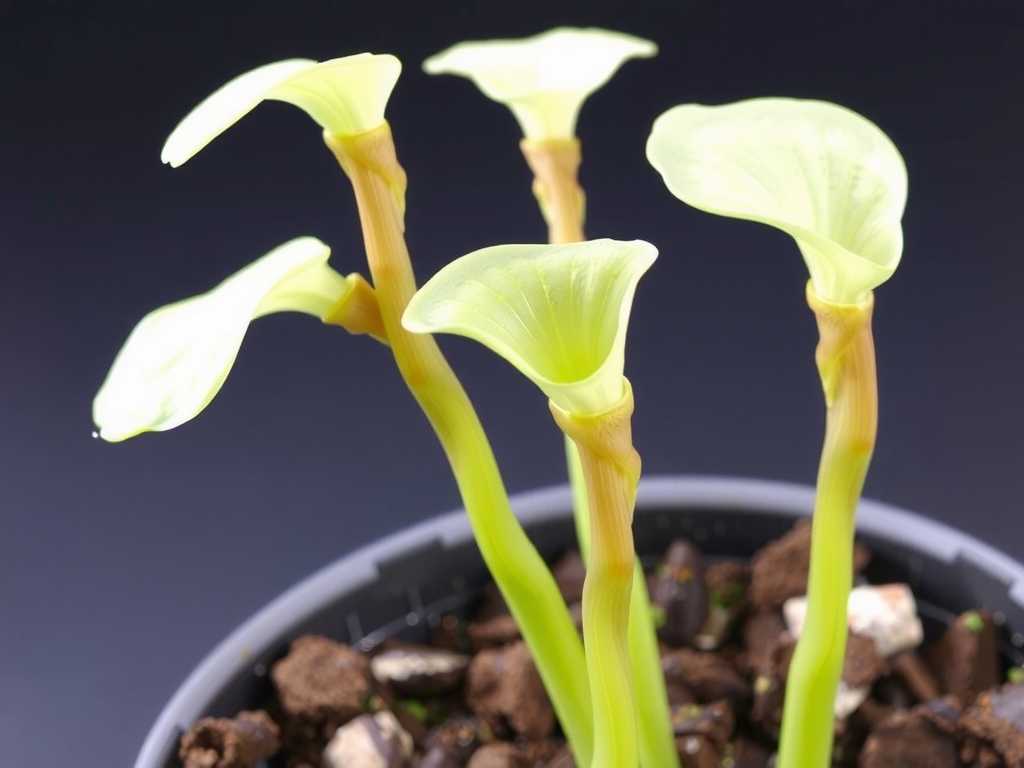
Seeing your Sarracenia finally push up a perfect, dew-glistening pitcher after a period of struggle is immensely rewarding. The formula isn't a mystery, but it does require discipline: brutal amounts of sun, pure water, a cold winter's nap, and the right soil. My journey from disappointment to a thriving collection was built on adjusting these six pillars. Start with light and water—get those right, and you’ve won 90% of the battle. Your plant wants to make pitchers; it’s encoded in its DNA. Your job is simply to provide the bog-like conditions it craves. Be patient, be observant, and those magnificent insect-trapping trumpets will soon be standing tall.