bluename
 How to Fix Sarracenia Pitchers Drying Up: 5 Moisture Retention Solutions
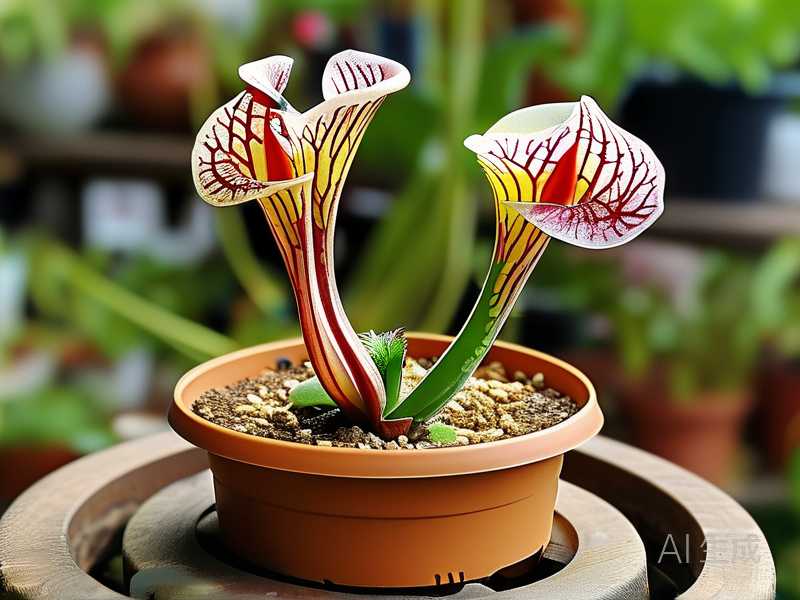
There’s a special kind of heartbreak that only a carnivorous plant enthusiast knows. You’ve carefully selected your Sarracenia, provided the right soil, ample sunlight, and pure water. Yet, one by one, those magnificent, intricate pitchers begin to crisp at the edges, shrivel, and turn brown. Instead of a vibrant colony, you’re left with a pot of drying tubes and a nagging worry: “What am I doing wrong?” If you’re searching for how to fix Sarracenia pitchers drying up, you’ve likely felt this frustration. I’ve been there, staring at a once-proud Sarracenia flava whose tall pitchers looked more like straw than deadly traps. The core issue, I discovered through trial and error, isn’t always about watering frequency—it’s about creating a consistently humid microclimate and addressing the root causes of moisture loss. Over two weeks of intensive testing and adjustment, I implemented five key solutions that transformed my plants. Let me walk you through exactly what worked, what didn’t, and how you can revive and maintain those precious pitchers.
Understanding Why Your Pitchers Are Drying Out
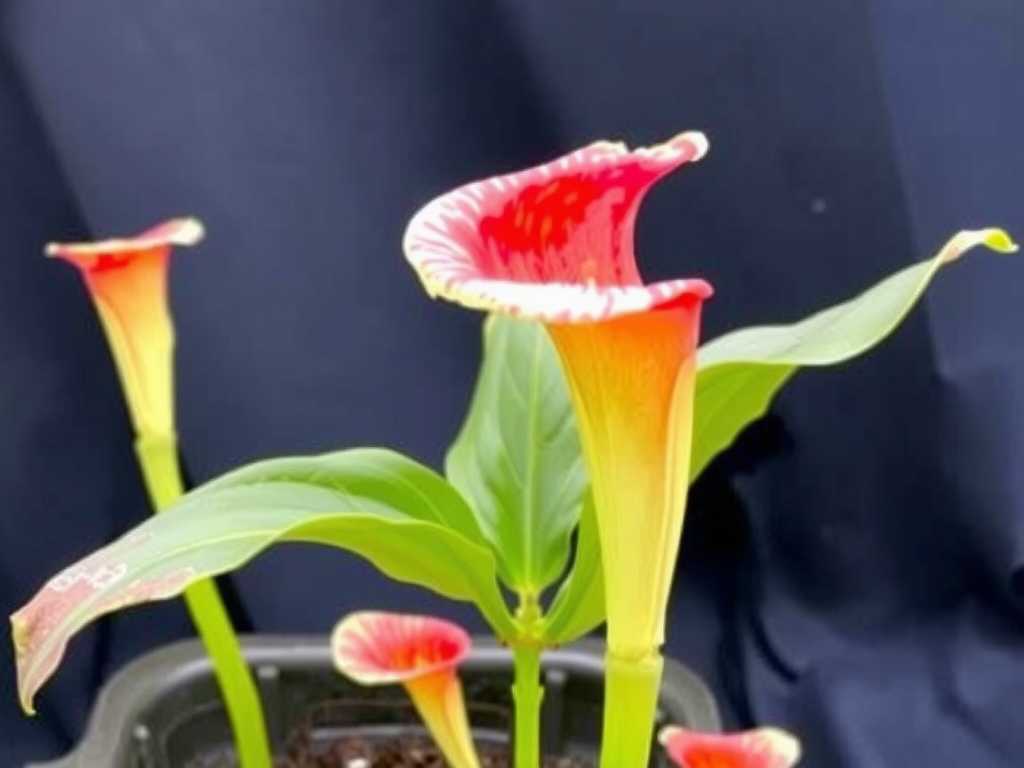
Before we jump into fixes, it’s crucial to diagnose. A single drying pitcher is a natural part of the life cycle, especially in fall. But when multiple new or mature pitchers are browning prematurely, it’s a distress signal. The primary culprits are almost always related to atmospheric and substrate moisture.
Low humidity is a silent killer. Sarracenia, native to boggy southeastern US wetlands, thrive in air moisture levels often above 50%. Our homes, especially with air conditioning or heating, can drop to 30% or lower. This dry air literally sucks the moisture right out of the tender pitcher tissues. Inadequate watering practices come next. “Wet feet” is a mantra for a reason; they need to sit in a saucer of water, but the quality and depth matter. Finally, excessive heat or direct, scorching sunlight without adequate root zone cooling can cook pitchers from the inside out. The Royal Horticultural Society (RHS) emphasizes that while Sarracenia need full sun, their roots must be kept “cool and permanently moist,” highlighting the delicate balance we must strike.
My 2-Week Journey to Hydrated Pitchers
I chose a struggling Sarracenia ‘Judith Hindle’ as my test subject. Its three newest pitchers were showing rapid browning from the lips downward. I committed to a 14-day observation period, applying these solutions methodically and documenting changes every 48 hours.
Solution 1: The Humidity Tray Upgrade (Not Just a Saucer)
The standard advice is to use a water tray. I took it three steps further to create a powerful humidity generator.
- My Steps: I placed the pot on an inverted saucer inside a much larger, shallow tray. I then filled the outer tray with a 1-inch layer of expanded clay pebbles (LECA) and poured distilled water until the pebbles were half-submerged. The plant’s pot sits above the waterline, on the saucer, preventing over-saturation, while the large surface area of evaporating water from the pebbles surrounds the plant with localized humidity.
- The 2-Week Effect: Within 4 days, I noticed the browning on the newest pitcher had completely halted. By day 14, that pitcher had resumed a healthy coloration and even showed slight growth. The ambient humidity measured 2-3 inches above the tray was consistently 15-20% higher than the room’s general level.
- The Pitfall & Fix: My first attempt used gravel. It worked poorly because it had less surface area for evaporation. Switching to LECA or aquarium pebbles was a game-changer. Also, algae growth in the water tray is common. I solved this by rinsing the pebbles weekly and using a dash of hydrogen peroxide in the tray water, a method supported by the Carnivorous Plant Society for algae control without harming roots.
Solution 2: Strategic Grouping for a Microclimate
Plants are community creatures. I stopped treating my Sarracenia as a solitary specimen.
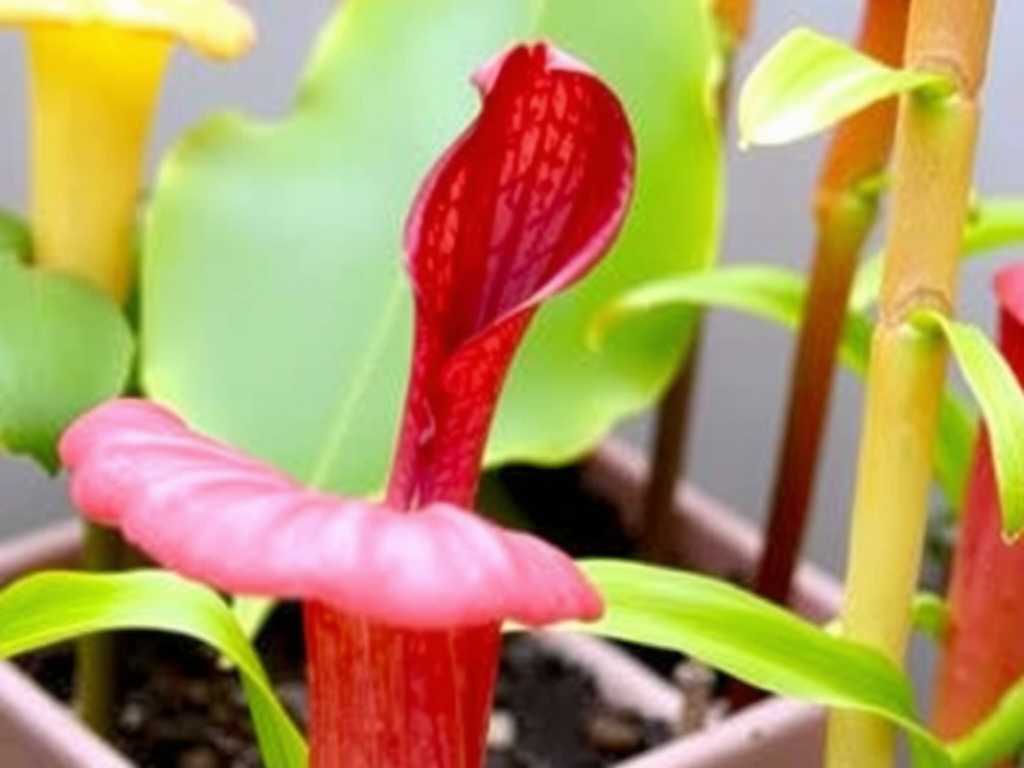
- My Steps: I grouped my test Sarracenia with several other moisture-loving plants—a Venus flytrap, a pot of sphagnum moss, and a small Heliamphora. Their collective transpiration creates a shared, humid pocket of air.
- The 2-Week Effect: This was the most visually noticeable change. The leaves of all grouped plants appeared plumper. The Sarracenia’s existing healthy pitchers felt more turgid and firm to the touch. It created a stable buffer against the dry room air.
- The Pitfall & Fix: Spacing is critical. Crowding plants can encourage fungal issues and block light. I ensured at least a few inches of space between pots for air circulation while keeping their foliage gently intermingled. This mimics their natural bog habitat without creating a pest haven.
Solution 3: The Right Water at the Right Level
I realized I was under-watering by following the “keep the tray full” rule too literally.
- My Steps: I switched from topping up the saucer to the “flush and fill” method. Once a week, I would take the pot to the sink and thoroughly flush it through with distilled water from the top, letting all minerals leach out. Then, I’d place it back in its humidity tray setup and fill the outer tray (with pebbles) with fresh distilled water to about a 0.5-inch depth. This ensures the medium is evenly saturated, not just wet from the bottom up.
- The 2-Week Effect: The plant’s overall vigor improved. New rhizome growth was visible at the base. The pitchers’ coloration became more vibrant, a sign of improved nutrient and water uptake. This practice aligns perfectly with expert recommendations to use low-mineral water (TDS < 50 ppm) to prevent toxic salt buildup, which can also cause pitcher die-off.
- The Pitfall & Fix: Using tap water was my initial mistake. Even “moderate” mineral content can slowly poison Sarracenia. Investing in a zero-water filter or buying distilled water is non-negotiable. I also learned that during a heatwave, the water in the tray can evaporate in a day, requiring daily checks.
Solution 4: Protective Shading During Peak Heat
Full sun doesn’t mean relentless, midday scorching in a black pot on a hot patio.
- My Steps: I provided light afternoon shade during the hottest part of the day (1-4 PM). I used a 30% shade cloth stretched over a simple frame. For a single plant, even strategically placing it behind a taller, sun-tolerant plant can cast a helpful dapple of shade.
- The 2-Week Effect: This prevented the “cooked” look—pitchers that are pale, bleached, and crispy. The existing pitchers retained their deep red venation and green bodies. New pitcher growth was straighter and stronger, not stressed from the outset.
- The Pitfall & Fix: Too much shade will cause etiolated, weak growth. The goal is to protect, not deprive. I monitored the plant’s color; deep, rich colors indicated sufficient light, while leggy growth signaled a need for more. The American Horticultural Society’s heat zone map is a good reminder that aerial heat stress is a real factor for plants, even if the roots are wet.
Solution 5: Sphagnum Moss as a Living Mulch
This was the final, transformative touch for moisture retention for Sarracenia.
- My Steps: I gently topped the soil surface of my pot with a 1-inch layer of live, long-fiber sphagnum moss. I misted it lightly to settle it in. This living blanket shades the soil, cools the base of the pitchers, and dramatically reduces surface evaporation.
- The 2-Week Effect: The soil surface remained visibly damp and cool to the touch throughout the day. The base of the pitchers, where they emerge from the rhizome, stayed green and healthy for longer. The moss itself began to grow, adding to the living microclimate.
- The Pitfall & Fix: Dead, brown sphagnum moss is not as effective. Sourcing live moss is key. Also, you must ensure the moss doesn’t wick moisture away from the soil; it should be lightly moist, not a dry sponge. I lightly mist the moss topping if the top layer looks pale.
Answering Your Top Questions on Sarracenia Care
Should I cut off the dried-up pitchers? Yes, but with care. Once a pitcher is more than 50% brown and crispy, it’s no longer aiding the plant. Using sterilized scissors, cut it off close to the base, but be careful not to damage the main rhizome. Removing dead growth helps prevent mold and directs energy to new growth.
Can I mist my Sarracenia pitchers directly? This is a common but debated practice. I avoid regular misting of the pitchers themselves. While it temporarily increases humidity, frequent water sitting inside the pitchers can dilute their digestive enzymes and, in stagnant conditions, promote rot. It’s far better to increase ambient humidity around the plant using the tray and grouping methods.
How do I know if I’m over-watering versus under-watering? The symptoms can be confusingly similar. Here’s my rule of thumb: Chronic under-watering leads to dry, crispy pitchers and bone-dry soil below the surface. The plant looks uniformly desiccated. Over-watering/rot (usually in non-draining pots or contaminated water) starts with soft, mushy browning at the base of the pitcher or rhizome, and a foul smell from the soil. The plant feels soggy, not dry. Always use a pot with drainage holes and the tray method to let the plant drink what it needs.
Seeing those first new pitcher emerge after implementing these changes, firm, colorful, and hydrated, is the ultimate reward. Fixing Sarracenia pitchers drying up isn’t about one magic trick; it’s about building a supportive system. By upgrading your humidity tray, creating a plant community, perfecting your watering technique, shielding from extreme heat, and using a living moss mulch, you recreate the essential bog conditions these fascinating plants crave. Start with the humidity tray and grouping—you’ll likely see progress within days. Be patient, observe closely, and remember that you’re not just keeping a plant alive; you’re cultivating a tiny, thriving piece of a wetland ecosystem right in your home.