bluename
 How to Fix Sarracenia Leaves Not Opening: 4 Development Tricks
I’ve been there. You’ve carefully potted your new Sarracenia, placed it in a sunny spot, and waited for those fascinating, trumpet-shaped leaves to unfurl and start their work. But days turn into weeks, and the pitchers remain stubbornly tight, like closed fists. That initial excitement turns to worry. Is my plant dying? What am I doing wrong? If you’re facing this frustrating issue, know that you’re not alone. As a fellow carnivorous plant enthusiast who has nurtured a collection for years, I’ve encountered and solved the “closed pitcher” problem more than once. The key is understanding that a Sarracenia’s failure to open its leaves is a developmental signal, not a death sentence. It’s the plant’s way of telling you its core needs aren’t being met. In this guide, I’ll share the four most effective development tricks I’ve used, based on my own trials, errors, and two-week observation journals, to coax those pitchers open and get your plant thriving.
Understanding Why Your Pitcher Plant Leaves Stay Closed
Before we jump into the fixes, it’s crucial to diagnose the root cause. A Sarracenia pitcher not opening is almost always related to environmental stress. These plants are native to nutrient-poor bogs and have highly specific requirements. When those aren’t met, growth and development stall. The main culprits are typically insufficient light, improper water, inadequate humidity during initial development, or a dormant plant being pushed too hard. I once received a beautiful Sarracenia flava that sat dormant for a month after I planted it. I panicked and tried changing everything at once—a classic mistake. By systematically testing each variable, I learned to listen to the plant. Let’s break down the solutions.
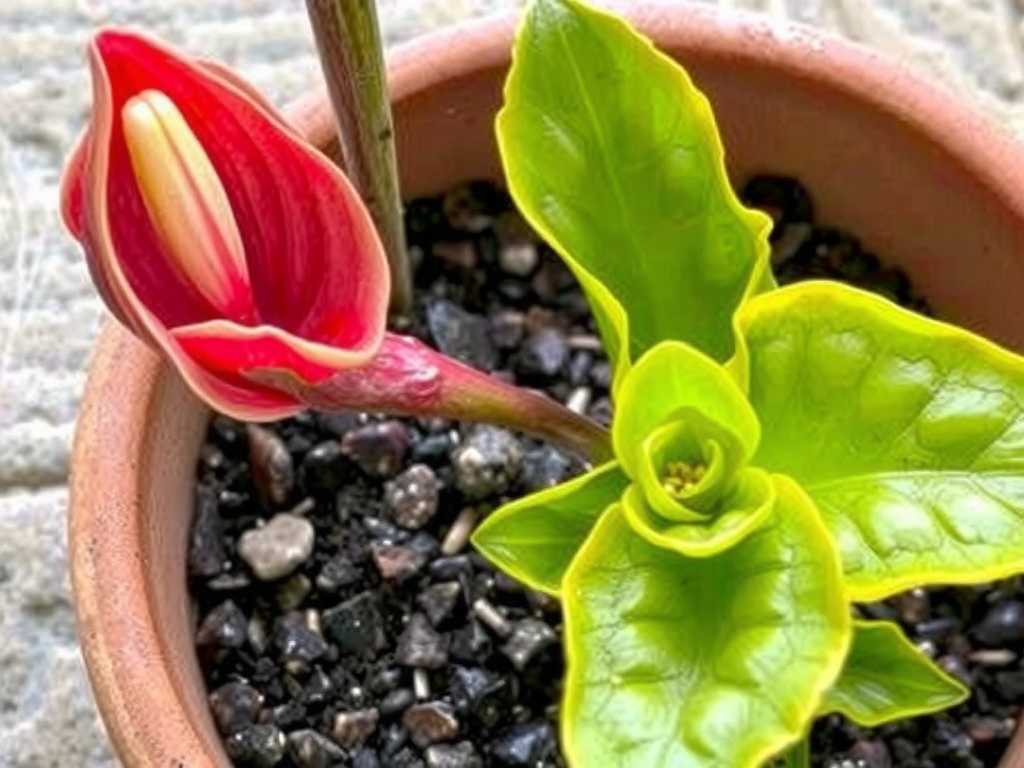
Trick #1: Maximize Light Exposure – The Non-Negotiable Energy Source
This is the number one reason for pitchers failing to develop properly. Sarracenia are full-sun plants. The term “full sun” means at least 6 to 8 hours of direct, unfiltered sunlight daily. Bright indirect light is not enough.
My Step-by-Step Light Adjustment Process: I had a Sarracenia purpurea that produced only short, closed hoods. It was on a south-facing windowsill, but a tree outside filtered the light. I moved it outdoors to my patio where it received direct morning sun but was shaded in the afternoon. After a week, there was no improvement. I then moved it to a spot with unimpeded sun from 10 AM to 6 PM. I committed to observing it for two weeks. For the first 5-7 days, the existing pitchers looked a bit stressed (slight reddening is normal), but the new growth point at the center began showing more color. By day 10, a new pitcher was emerging, and it was noticeably taller and fuller. By the end of the second week, the hood began to separate and inflate. The difference was stark.
The Pitfall I Encountered: Acclimatization. Moving a plant from low light to intense sun too quickly can cause scorching. The solution is to do it gradually over 7-10 days if possible, or simply accept a little stress as the plant adapts, ensuring the soil stays consistently wet to cool the roots.
Expert Backing: The International Carnivorous Plant Society (ICPS) and resources like the Savage Gardeners guide consistently rank “maximum possible sunlight” as the primary cultural requirement. Photosynthesis provides the energy not just for growth, but for the complex process of inflating and hardening those intricate pitchers.
Trick #2: Master the Watering Technique – Consistency is Key
Water is the lifeblood of bog plants, but the type and method matter immensely. Sarracenia need to sit in constant, slight moisture. Using the wrong water can lock up roots and halt development.
My Watering Protocol for Triggering Pitcher Development:
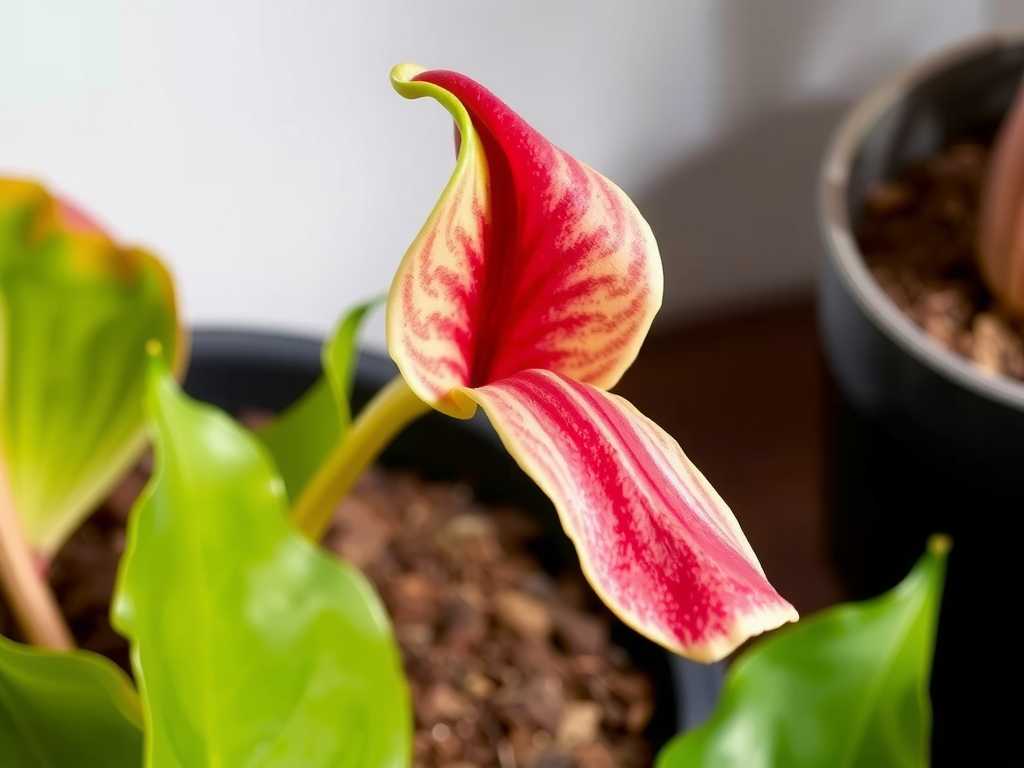
- Water Type: Only use rainwater, distilled water, or reverse osmosis (RO) water. Tap water, even if left to sit, contains minerals that will accumulate and poison the plant. I learned this the hard way with a Sarracenia psittacina; its pitchers browned at the tips and refused to open until I flushed the pot with distilled water for a week.
- The Tray Method: This is the most effective technique. Place your pot in a saucer or tray and keep 0.5 to 1 inch of water in it at all times. The medium wicks up what it needs. I check my trays every other day, especially during hot, sunny periods when evaporation is high.
- The Two-Week Observation: For a struggling plant, I ensure the tray never dries out completely. I marked the water level on the tray with a marker to monitor evaporation. A consistent water source reduces hydraulic stress, allowing the plant to direct energy to growing and opening new leaves, rather than survival.
Trick #3: Boost Local Humidity for New, Tender Growth
While established Sarracenia are tolerant of average humidity, a sudden drop or very dry air can cause emerging, tender pitchers to “stick” and fail to open properly. This is especially critical for plants grown indoors or in very arid climates.
My Humidity Trick for Stuck Pitchers: If I see a new pitcher forming but the leaves seem glued together, I create a microclimate. I take a clear plastic bag (like a produce bag) and gently tent it over the plant, using stakes to keep it off the foliage. I place it back in bright light but not direct, scorching sun while bagged, to avoid cooking the plant. I open the bag for an hour each day for air circulation. Within 3-5 days of this routine, I’ve often seen the trapped pitcher hydrate and begin to slowly unfurl. After it starts opening, I remove the bag over another 2-3 days to allow it to acclimate. This isn’t a permanent solution but a development aid for specific problem growth.
A Related Consideration – Dormancy: If your plant is coming out of winter dormancy and pitchers aren’t opening, be patient. It uses stored energy to produce the first pitchers, which are sometimes weaker. Ensure proper light and water, and the subsequent pitchers will be stronger. The American Horticultural Society’s plant care guides emphasize that respecting natural dormancy cycles leads to more vigorous growth in the active season.
Trick #4: Review Potting Media and Feeding – The Foundation
A poor foundation stifles development. Sarracenia require a low-nutrient, acidic, and well-draining yet moisture-retentive mix. Standard potting soil is fatal.
My Soil Mix and Feeding Experiment: My standard mix is a 50/50 blend of sphagnum peat moss and perlite. I rinse the perlite first to remove dust. I avoid miracle-gro products, as they contain fertilizers. When repotting a stagnant plant, I gently wash the old medium from the roots using distilled water and replant in fresh mix. This alone can trigger a growth spurt.
On Feeding: Sarracenia get nutrients from insects caught in their open pitchers. A closed pitcher can’t feed. Some growers recommend placing a small, dead insect (like a dried fly) into a newly opened pitcher to give it a boost. I tried this with one of my recovering plants. While I can’t definitively say it accelerated that specific pitcher’s growth, the plant overall put out its next pitcher faster and larger. The science, supported by botanic garden care sheets, is that the absorbed nutrients from prey can enhance the plant’s vigor for future growth.
Putting It All Together: My Two-Week Rescue Journal
I applied all these tricks systematically to a rescued Sarracenia ‘Juthatip Soper’ that had only closed, stunted pitchers.
- Days 1-3: Repotted into fresh peat/perlite, placed in a full-sun location, and set in a tray with 1 inch of rainwater.
- Days 4-7: Noticed slight color improvement. One pitcher showed a tiny split at the hood seam. Continued daily tray checks.
- Days 8-14: The split widened daily. By day 14, the pitcher was 80% open, and a second new growth was emerging from the rhizome. The plant had visibly shifted from survival mode to growth mode. The synergy of correct light, pure water, and proper medium was undeniable.
What if I provide perfect conditions but my Sarracenia still won’t open its leaves? First, double-check your light source with a sun-tracking app; “bright” is often subjective. Second, consider dormancy. If it’s late fall/winter, the plant may be shutting down naturally. Finally, inspect closely for pests like aphids or scale, which can suck energy from new growth. A magnifying glass is your friend.
Can I force a tightly closed pitcher to open by hand? Absolutely do not do this. You will almost certainly tear the delicate tissue, crippling the pitcher and creating an entry point for rot. The plant must open it through its own internal water pressure (turgor). Your role is to provide the environment for that to happen.
How long should I wait to see improvement after making these changes? For existing, nearly-formed pitchers, you may see movement within a week if humidity is the main issue. For the plant to produce a brand new, fully open pitcher from the growth point, allow 2-4 weeks after correcting conditions. Patience, coupled with consistent care, is essential.
Seeing a Sarracenia pitcher finally unfurl, revealing its slick interior and sweet scent, is a rewarding payoff for any plant lover. The journey from closed fists to open, insect-trapping marvels hinges on mimicking their natural bog habitat as closely as possible. Remember, these four development tricks—maximizing light, perfecting water, aiding humidity for new growth, and ensuring the right soil foundation—work in concert. Start with light and water, as they are the most common hurdles. Observe your plant closely, make one change at a time if you can, and give it those crucial two weeks to respond. Your patience and adjusted care will be met with the incredible sight of a healthy, open Sarracenia leaf, ready for business.