bluename
 How to Fix Sarracenia Dormancy Problems: 5 Winter Care Tips
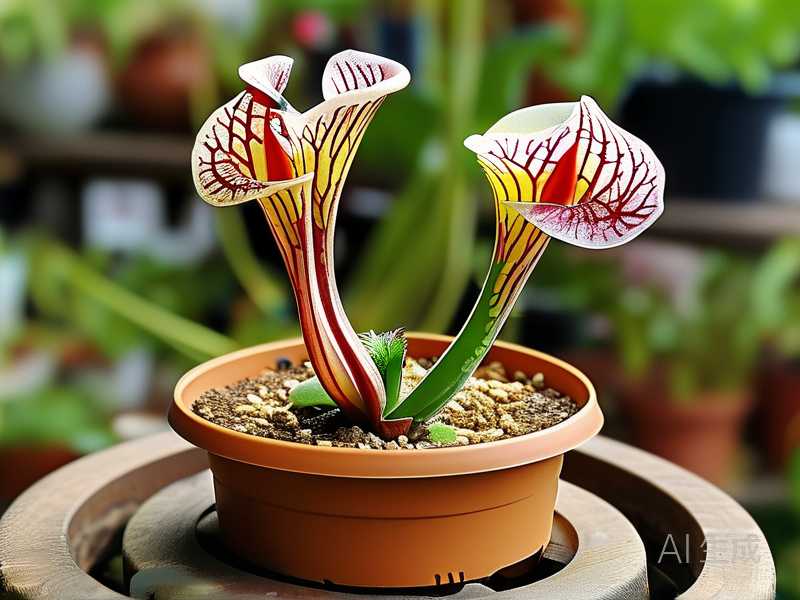
You’ve nurtured your pitcher plant all summer, watching it produce those magnificent, insect-trapping tubes. But as winter approaches, a familiar anxiety sets in. Your Sarracenia’s vibrant growth slows, some pitchers turn brown, and it looks like it’s dying. You wonder: Is this normal, or am I doing something wrong? This is the central Sarracenia dormancy problem that plagues many growers. Without the correct winter rest period, these carnivorous perennials become weak, fail to thrive in spring, and may eventually perish. This guide cuts through the confusion, offering five actionable winter care tips to ensure your plant emerges from dormancy vigorous and ready for a spectacular growing season.
Understanding why dormancy is non-negotiable is the first step to success. Sarracenia are native to temperate regions of North America, where they experience distinct cold seasons. Dormancy is a crucial physiological rest, not a sign of illness. It’s a survival strategy to conserve energy during shorter, colder days when insect prey is scarce. Denying them this rest is like forcing someone to work 24/7 without sleep—it leads to exhaustion and collapse. A plant that skips dormancy will often put out weak, etiolated growth, become susceptible to pests and disease, and lose its vitality within a few years.
Tip 1: Recognize the Natural Dormancy Signals
Before you change anything, learn to read your plant’s language. Misinterpreting natural dormancy signs as problems often leads to harmful over-care.
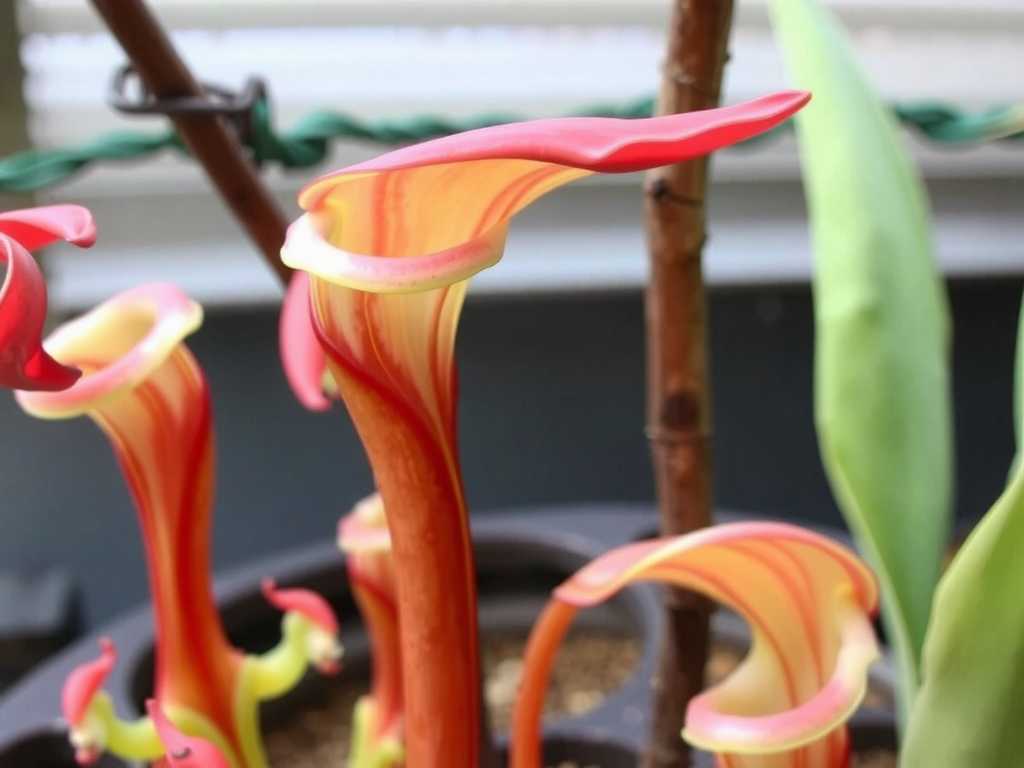
In late autumn, you’ll notice your Sarracenia’s growth slowing significantly. It will stop producing new pitchers. Many of the existing pitchers, particularly the older ones, will begin to brown and wither from the top down. The foliage may take on a more subdued, sometimes reddish hue. This is all perfectly normal. The plant is redirecting resources to its rhizome (the underground stem). Do not panic and fertilize, repot, or overwater at this sight. Your job is to facilitate this process, not fight it.
As expert grower and author of The Savage Garden, Peter D’Amato, notes, “Dormancy is the most misunderstood aspect of growing temperate carnivorous plants. That period of ‘doing nothing’ is when the plant is doing its most important work underground, preparing for next year’s explosion of growth.”
Tip 2: Provide the Essential Cold Period
The core of fixing Sarracenia dormancy issues is providing an adequate cold period. Most Sarracenia species require a minimum of 3-4 months of winter rest at temperatures between 32°F (0°C) and 50°F (10°C).
For growers in climates with mild winters (USDA zones 7-8), your plants can often stay outdoors. A light frost is beneficial. Simply trim off completely dead pitchers in mid-to-late winter to prevent mold. In colder zones (6 and below), you may need to provide extra mulch or move potted plants to an unheated garage or shed to protect them from extreme, prolonged freezes that could freeze the root ball solid.
For indoor growers, this is the biggest challenge. A warm, sunny windowsill will prevent dormancy. The solution is to simulate winter. An unheated porch, a cold frame, or even the bottom shelf of a refrigerator (for small, potted plants) can work. Place potted plants in a plastic bag with a few air holes to prevent desiccation if using the fridge method. The goal is cold, not dark; some light is still beneficial.
Tip 3: Master the Winter Watering Balance
Overwatering is the single greatest threat during dormancy. A waterlogged, cold rhizome will rot quickly.
As growth ceases, reduce watering. The goal is to keep the soil just barely damp to the touch, not soggy. For plants in outdoor bogs or trays, allow the water level to drop. For potted plants, switch from the tray watering method to top-watering sparingly only when the top layer of soil feels dry. Always use low-mineral water (rain, distilled, or reverse osmosis). The plant’s water needs are minimal when it’s not actively growing, so err on the side of dryness. Checking moisture levels every couple of weeks is usually sufficient.
Tip 4: Prioritize Light Over Warmth
While temperature drops, light remains an important signal. Your dormant Sarracenia still needs access to light, even if the intensity and duration are reduced.
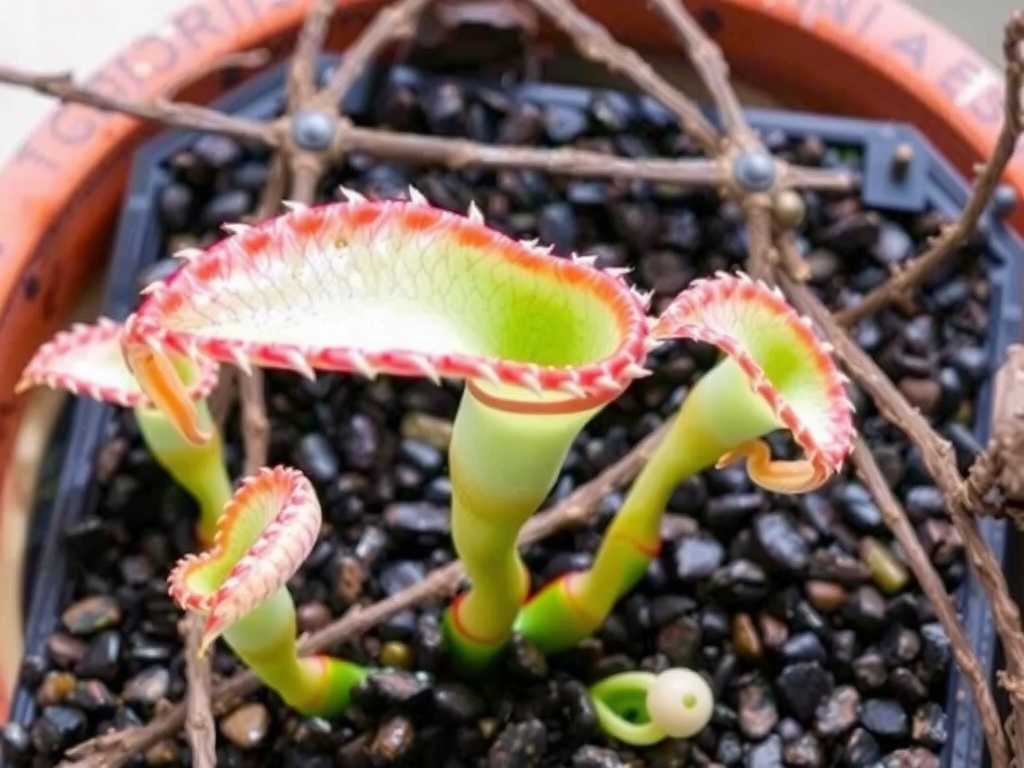
Avoid the temptation to place a dormant plant in a dark basement or closet. Instead, choose a location that is cold but receives natural, indirect light, like an unheated sunroom or a sheltered spot outdoors. This continued light exposure helps maintain the plant’s circadian rhythms and prepares it to respond instantly to lengthening days in late winter. If using a refrigerator or garage with no light, a period of 2-3 months is the maximum; after that, the plant should be brought back to light, even if still cool, to prevent it from depleting all its energy reserves.
Tip 5: The Critical Late-Winter Transition & Rhizome Care
The end of dormancy is a delicate time. Knowing how to care for Sarracenia in winter includes knowing how to wake them up properly.
In late winter or early spring, as days noticeably lengthen and temperatures begin a mild, upward trend, you’ll see the first signs of life: small, knobby flower buds or flat, non-carnivorous leaves (phyllodia) poking from the rhizome. This is your cue to gradually increase watering, returning to the tray method as active growth resumes. Move plants back to their prime growing locations.
This is also the ideal time for division or repotting if needed. Gently remove the plant from its pot, rinse the soil, and inspect the rhizome. Healthy rhizomes are firm and white or pinkish inside. Using a sterile knife, you can cut apart sections that have their own growth points. Repot in a fresh 50:50 mix of peat moss and perlite. This refresh, done as the plant exits dormancy, minimizes shock and aligns with its natural growth surge.
Why are all my Sarracenia pitchers turning brown and dying in fall? This is almost certainly a natural part of the dormancy process. The plant is shedding its old, energy-costly pitchers to conserve resources for the rhizome. Trim away the completely brown material for tidiness and to prevent mold, but leave any still-green portions.
Can I skip dormancy if I keep my Sarracenia under grow lights indoors? It is strongly discouraged. While you might force growth for a season or two, you will gradually weaken the plant. It needs the rest period to reset its growth cycle. Without it, you risk stunted growth, lack of flowers, and eventual death. Providing a simulated cold period is essential for long-term health.
My plant got frosted hard and looks mushy. Is it dead? The above-ground growth (pitchers) is very frost-sensitive and will die back. The key is the rhizome below the soil. If it was properly mulched or protected and the soil didn’t freeze solid, the rhizome may still be alive. Wait until spring. If the rhizome is firm, there is hope. Cut away all dead growth and wait for new shoots to emerge from the base as temperatures warm.
Success with Sarracenia is a marathon, not a sprint. Embracing the dormancy period, rather than fearing it, is the mark of a seasoned grower. By recognizing the signals, providing the essential cold rest, adjusting your watering, ensuring adequate light, and managing the spring transition, you transform the winter from a season of worry into a quiet, necessary phase in your plant’s life cycle. Follow these five tips, and you’ll be rewarded with a resilient, thriving pitcher plant that returns each spring more vigorous than the last.