bluename
 How to Choose Sarracenia varieties: 5 Best for Beginners
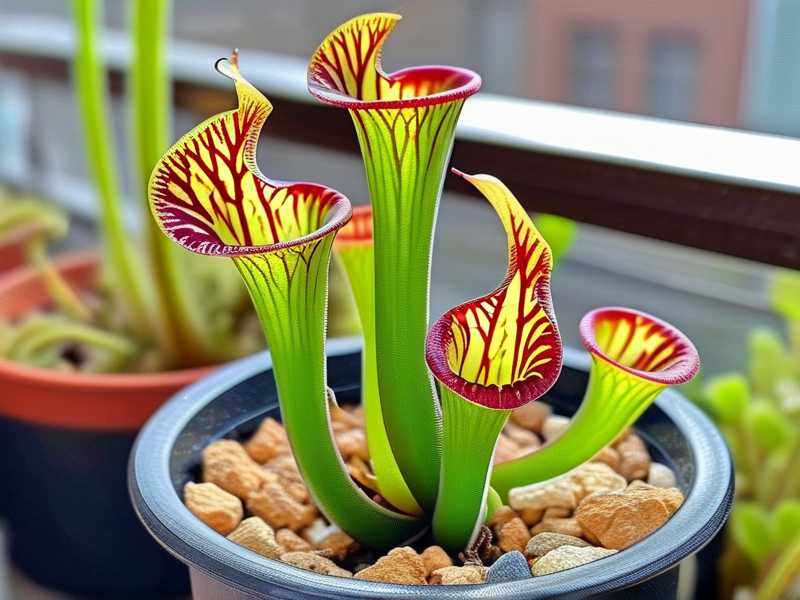
Entering the world of carnivorous plants can be both exciting and overwhelming, especially when faced with the diverse array of Sarracenia varieties available. For beginners, the challenge often lies in identifying which pitcher plants are not only visually striking but also manageable in terms of care. This guide aims to demystify the process, offering a curated list of the five best Sarracenia varieties for those just starting their carnivorous plant journey. By focusing on hardiness, adaptability, and unique characteristics, we’ll help you make an informed choice that aligns with your growing environment and commitment level.
Understanding Sarracenia: A Quick Primer
Before diving into specific varieties, it’s essential to grasp the basics of Sarracenia. These North American pitcher plants thrive in nutrient-poor soils, using their modified leaves to trap and digest insects for sustenance. Most species require full sun, consistent moisture, and a dormancy period—factors that significantly influence their suitability for beginners. According to horticultural experts, selecting varieties that mimic natural habitat conditions closely can drastically reduce cultivation challenges.
Top 5 Sarracenia Varieties for Beginners
Sarracenia purpurea: The Hardy Classic
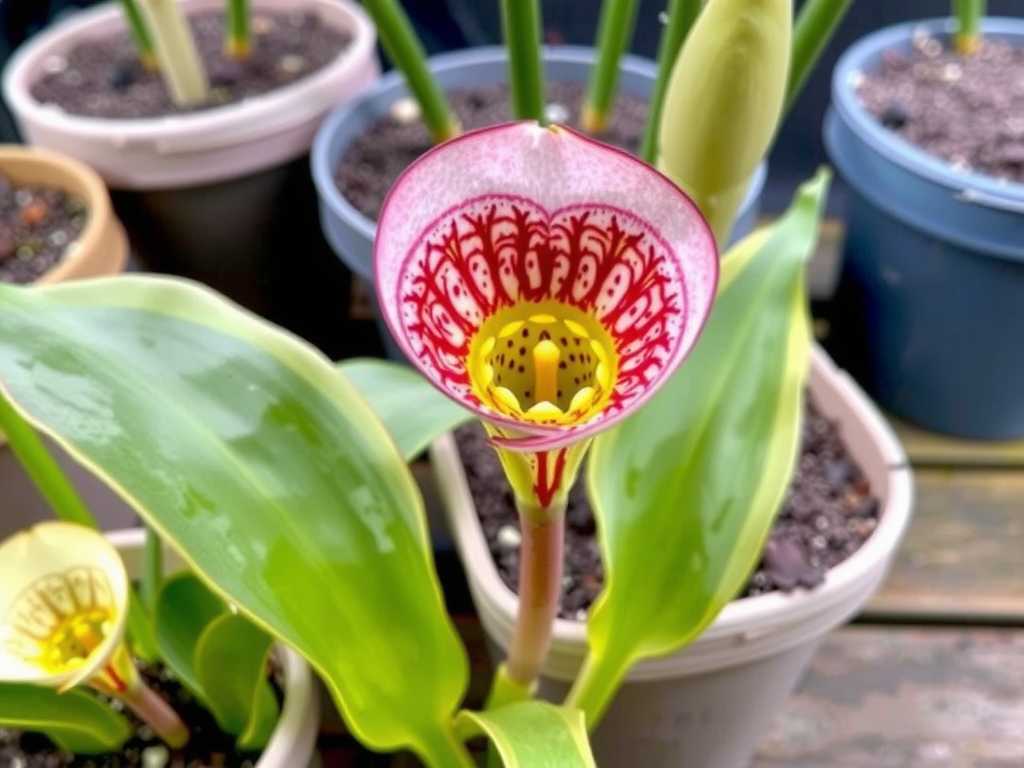
Often hailed as the most beginner-friendly, Sarracenia purpurea boasts broad, low-growing pitchers that remain green year-round. Its tolerance for variable temperatures and occasional neglect makes it ideal for novices. This variety thrives in bog gardens or containers, requiring only distilled water and a sunny spot. Experts from the International Carnivorous Plant Society recommend it as a gateway plant due to its resilience.Sarracenia leucophylla: The Elegant White Pitcher
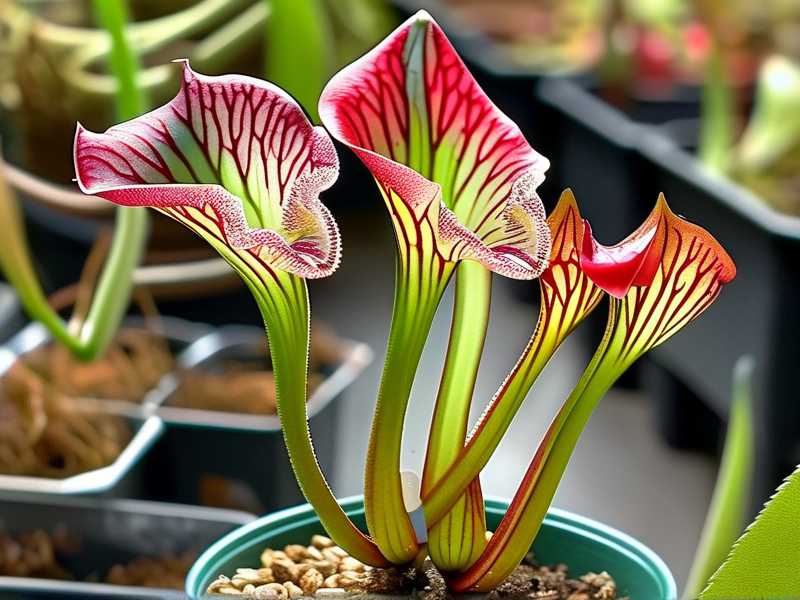
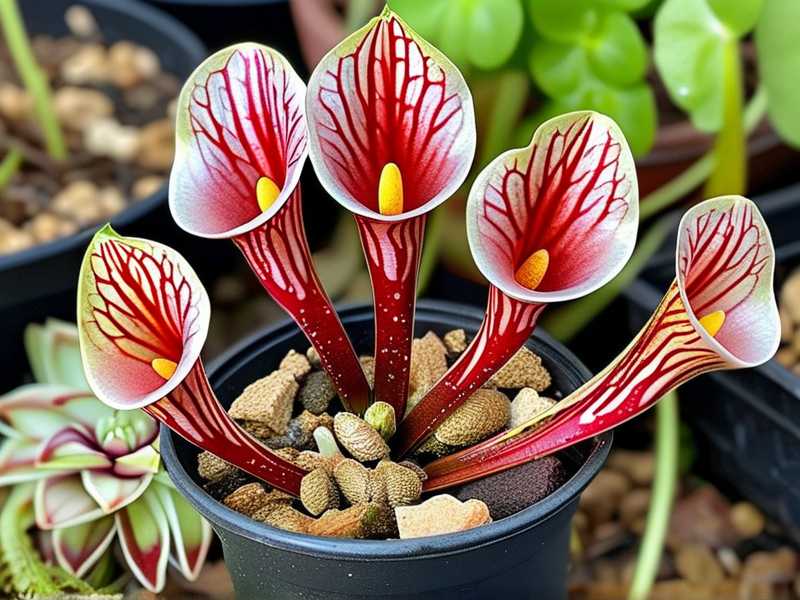
With striking white pitchers adorned with red veins, Sarracenia leucophylla adds dramatic flair to any collection. While slightly less forgiving than purpurea, it adapts well to container cultivation if provided with consistent humidity. Its moderate growth rate and visual appeal strike a balance between uniqueness and manageability, making it a favorite among new growers seeking aesthetic diversity.Sarracenia flava: The Sunny Yellow Beauty
Known for its bright yellow pitchers and honey-like fragrance, Sarracenia flava thrives in full sun—a trait that aligns perfectly with beginner-friendly care routines. This variety is less prone to root rot if watered correctly and offers a rewarding display of carnivorous beauty. Recent studies by botanical gardens highlight its adaptability to indoor grow lights, expanding its accessibility.Sarracenia rubra: The Compact Charmer
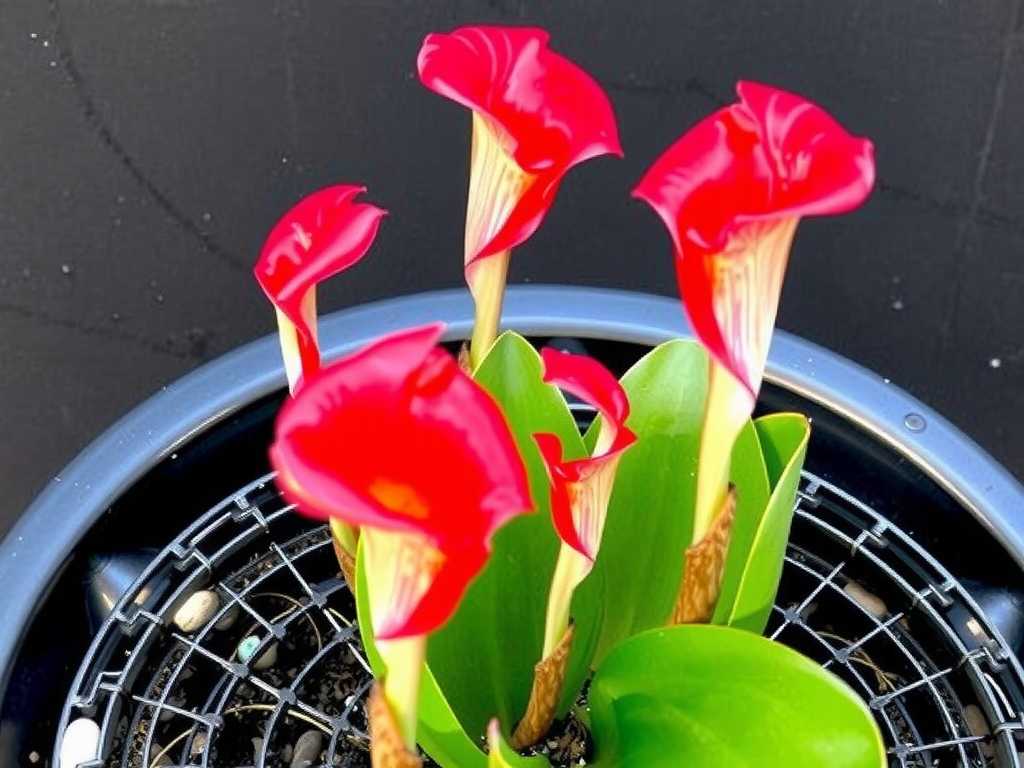
Sarracenia rubra’s smaller stature and vivid red pitchers make it a space-efficient choice for windowsills or terrariums. It tolerates minor fluctuations in moisture better than many relatives, though it still demands acidic, nutrient-free soil. Its compact growth habit and vibrant colors appeal to beginners eager to observe pitcher formation up close.Sarracenia alata: The Winged Wonder
Named for its winged pitcher ridges, Sarracenia alata combines visual intrigue with robust health. This variety resists common pests and adapts to various potting methods, from traditional bogs to self-watering containers. Growers appreciate its reliability, especially in regions with shorter growing seasons, as it enters dormancy predictably.
Key Considerations for Selection
When choosing Sarracenia varieties, assess your local climate, available space, and willingness to maintain specific conditions. Most beginners benefit from starting with hybrids or species labeled “nursery-grown,” as these are acclimated to cultivation. Avoid varieties requiring precise temperature control until you’ve mastered basic care techniques like watering and dormancy management.
FAQ Section
How often should I water my Sarracenia?
Sarracenia thrive in consistently moist soil but dislike stagnant water. Use the tray method—place pots in a saucer filled with distilled water—to maintain humidity without overwatering. Refill the tray as needed, typically every 2-3 days in warm weather.Do Sarracenia need fertilizer?
No. These plants evolved to thrive in nutrient-poor environments. Fertilizing can burn roots and disrupt their natural feeding process. Instead, rely on trapped insects or occasional supplemental feedings with diluted fish emulsion, applied sparingly.Can I grow Sarracenia indoors?
Yes, but success depends on light and humidity. Place them in a south-facing window or under grow lights for 12-14 hours daily. Increase humidity using a pebble tray or humidifier, especially in dry indoor environments.
By prioritizing varieties like Sarracenia purpurea and leucophylla, beginners can build confidence while enjoying the unique beauty of carnivorous plants. Remember, patience and attention to basic care—sunlight, water, and dormancy—are the keys to a thriving collection. Start small, observe closely, and let your Sarracenia journey unfold naturally.