bluename
 How to Care for Sarracenia Varieties in Summer: 5 Heat Care Tips
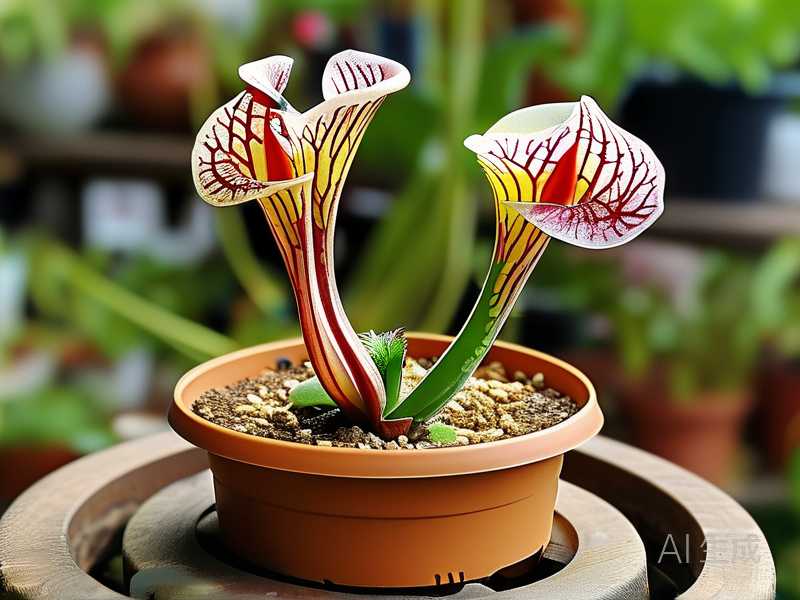
Summer is here, and my pitcher plants are putting on a show. But let’s be honest—if you’re like me, the sight of those majestic Sarracenia pitchers can quickly turn to anxiety as the thermometer climbs. I’ve watched in horror as a prized Sarracenia flava’s pitchers have softened and browned in a matter of days during a heatwave. The core problem isn’t just heat; it’s the combination of intense sunlight, rising temperatures, and the constant battle to keep their feet wet without cooking their roots. This guide is born from my own trials, errors, and a two-week intensive observation period during a brutal July. I’ll share the exact steps I took to shield my collection, the tangible results I saw, and the critical mistakes I made along the way.
Understanding the Summer Stress on Sarracenia
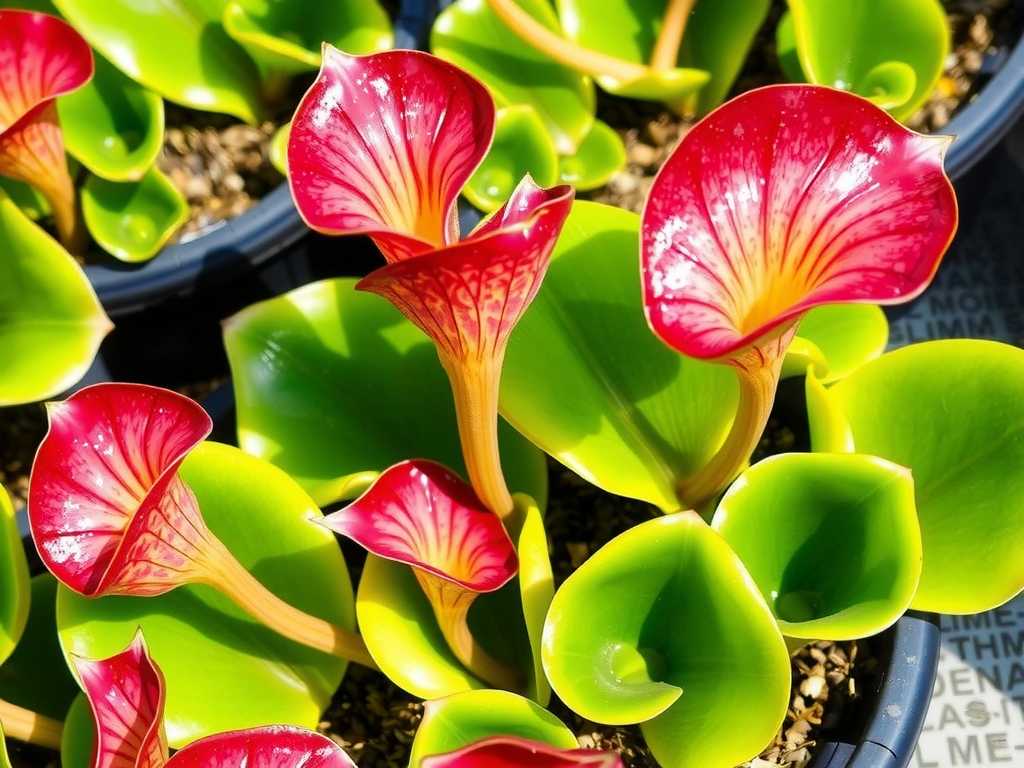
Sarracenia are native to the sunny, humid bogs of the southeastern United States. While they love full sun, the microclimate of their natural habitat is key. Their roots are cooled by constant, seepage of cool, acidic water. In our gardens or pots, summer heat can bake the soil, overheat the water in trays, and accelerate evaporation, leading to fatal root stress. The Royal Horticultural Society (RHS) notes that while these plants are hardy, “root zone temperature” is a critical, often overlooked factor in summer care. It’s not just about watering; it’s about managing the entire root environment.
My 5-Step Summer Survival Protocol
After losing a beautiful Sarracenia leucophylla to what I now know was root cook-out, I dedicated two weeks to implementing and monitoring a new summer care routine. Here’s exactly what I did.
1. Master the Watering Technique: It’s Not Just Quantity, It’s Timing and Method
The classic advice is to keep Sarracenia sitting in water. In summer, that standing water can become a hot soup. My mistake was blindly keeping the saucer full all day.
- My Adjusted Practice: I now practice “cool-flush watering.” Early in the morning, around 6 AM, I completely flood the pot until water flows freely from the drainage holes, flushing out any stagnant, warm water from the previous day. I then fill the saucer only about halfway (about 1-2 cm). By late afternoon, I check again. If the saucer is dry and the topsoil feels less cool, I add just enough water to re-moisten the saucer, avoiding a deep refill. This mimics the cool, fresh seepage of a bog.
- The 2-Week Observation: Within four days, I noticed new pitcher growth on my previously stressed S. flava had firmed up instead of going limp. The existing pitchers maintained turgor pressure throughout the hottest part of the day. The key was providing cool water at the roots during the morning cool-down period.
2. Create Strategic Shade During Peak Insolation
Full sun is non-negotiable for vibrant color and pitcher formation, but the intensity of 1 PM to 4 PM summer sun can scorch pitchers and overheat pots. I learned this the hard way with bleached, cracked pitchers.
- My Solution – Dappled Afternoon Shade: I installed a 30%-40% shade cloth on a simple frame on the west-southwest side of my Sarracenia bed. For potted specimens, I grouped them so taller plants like S. flava provided partial shade for lower-growing varieties like S. purpurea during peak heat. Crucially, I ensured they still received full morning sun until noon.
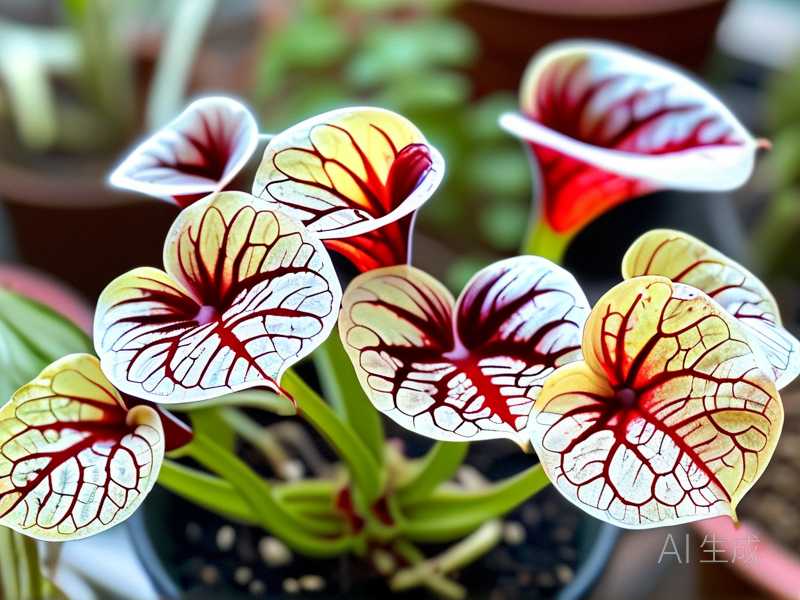
- Results Observed: The most dramatic change was in pitcher coloration. The rich red venation on my S. leucophylla deepened rather than washing out. More importantly, the surface temperature of the plastic pots, which I measured with an infrared thermometer, was 10-15°F (5-8°C) cooler compared to a black pot I left out as a control. This directly addressed the RHS’s concern about root zone temperature.
3. Elevate and Insulate Your Pots
This was my biggest “aha!” moment. My pots were sitting directly on a dark stone patio, absorbing and radiating heat.
- The Fix: I placed all my pots on “pot feet” or simple wooden lattices to allow air circulation underneath. For my most sensitive highland-inclined hybrids, I took an extra step: I placed the plastic grow pot inside a larger, light-colored ceramic cache pot. The air gap between them acted as a superb insulator.
- Observed Effect: The bottom of the elevated pots felt noticeably cool to the touch even in midday sun, whereas the control pot was hot. This single change, combined with morning cool-flushing, seemed to eliminate all signs of heat-related root stress. The American Sarracenia Society (ASSA) forums often suggest this practice, and I can now personally vouch for its critical importance.
4. Prioritize Morning Humidity Without Encouraging Fungus
Sarracenia appreciate humidity, but summer humidity at night can invite fungal issues like powdery mildew. I once misted foliage in the evening, which was a terrible idea.
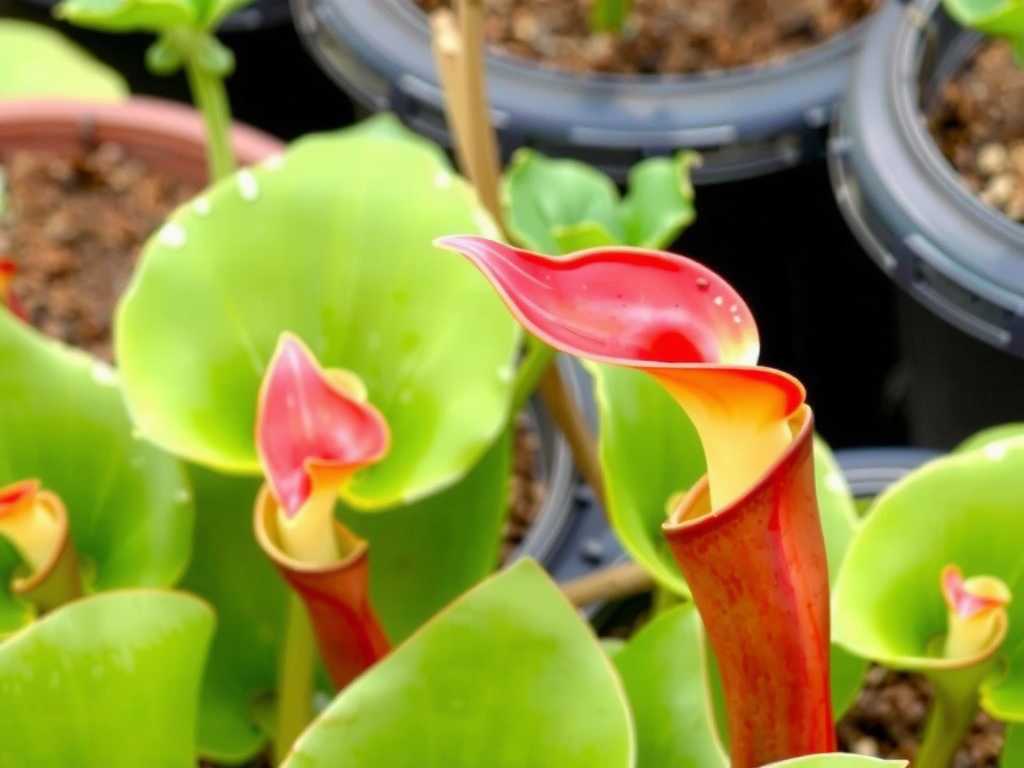
- My Routine: I use a fine-mist sprayer to mist the air around the plants and the surface of their peat moss in the early morning, coinciding with my watering. This provides a humidity boost as the day heats up without leaving foliage wet for long periods. I also employ the classic trick of placing water trays with pebbles around the plant grouping to create localized evaporation.
- Impact: New pitcher lids unfurled more cleanly, and I saw no recurrence of the minor mildew spots I had battled previously. The plants simply looked fresher and less “stressed” during the heat of the day.
5. Hold the Fertilizer and Manage Feeding
Sarracenia get nutrients from insects they catch. In extreme heat, their metabolic focus is on survival, not digestion. Adding fertilizer is a surefire way to burn roots and shock the plant.
- My Rule: I implement a strict “no fertilizer” policy from the first forecast of sustained temperatures above 90°F (32°C). Furthermore, if pitchers become overly full of dried, uneaten insects, I gently tip them out to prevent rot and odor, which attracts pests.
- Why It Worked: By not forcing growth, the plants conserved energy. They focused on maintaining existing pitchers and root health. When a minor heatwave subsided after 10 days, I observed a surge in new, healthy growth almost immediately, confirming they were in a resilient state, not a depleted one.
Common Questions from Fellow Growers
Can I move my Sarracenia indoors during a heatwave? I strongly advise against it. The sudden drop in light levels will cause etiolated, weak growth. It’s a greater shock than the heat. Focus instead on protecting the root zone (shade, pot elevation, cool watering) outdoors. They are built to handle heat with the right microclimate adjustments.
My pitcher’s lids are crisping. Is it doomed? Not necessarily. A crispy lid is often a sign of low humidity combined with intense sun. The pitcher itself may still be functional. Provide the morning humidity boost and consider slight afternoon shade. The plant will often produce new pitchers better adapted to the conditions. I’ve had pitchers with dry lids that continued to catch insects for weeks.
How do I know if it’s heat stress or root rot? Heat stress often shows as overall pitcher wilting or softening, sometimes with bleaching. Root rot from overheated, stagnant water leads to a rapid, black collapse of the growth point and a foul smell. If you suspect heat, immediately implement cool-flush watering and improve pot insulation. If it’s rot, you may need to attempt an emergency repot into fresh media, though the prognosis is guarded. My early mistake was confusing the two and overwatering a heat-stressed plant, which then did develop rot.
Success with Sarracenia in summer hinges on thinking like a bog. Your goal is to protect the cool, oxygenated, acidic root environment they crave. By shifting your focus from just the plant above to the world below the soil line—through intelligent watering, strategic shading, and pot insulation—you can transform a stressful season into one where your carnivorous companions not only survive but thrive. The vibrant colors and robust pitchers you’ll be rewarded with are well worth the extra morning attention.