bluename
 How to Prevent Sarracenia varieties from Dying: 4 Survival Tips
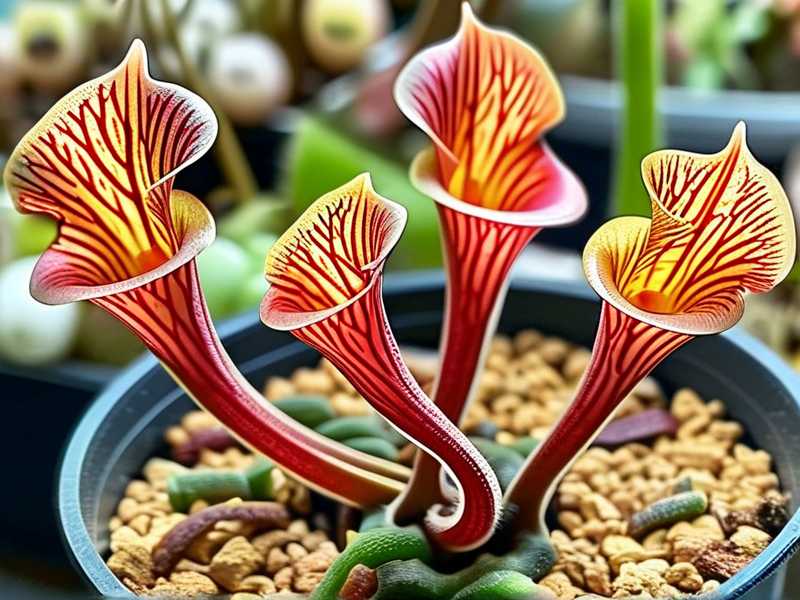
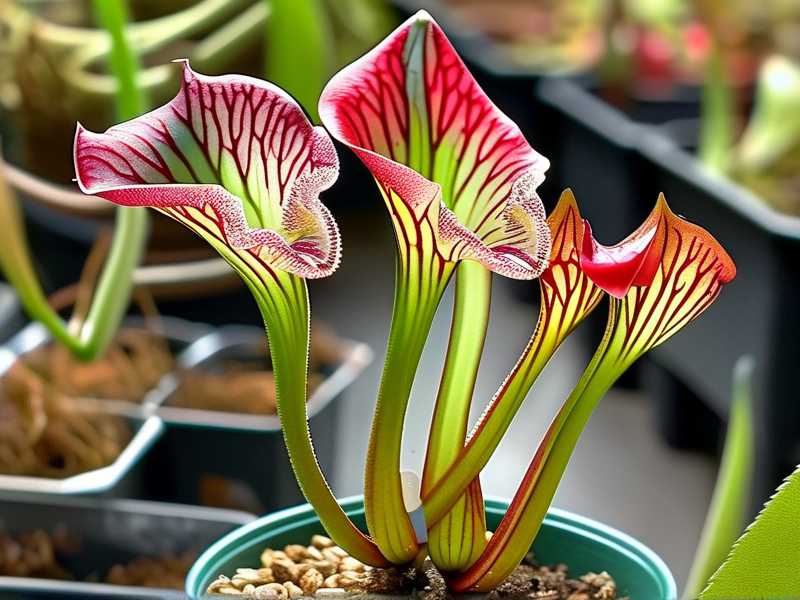
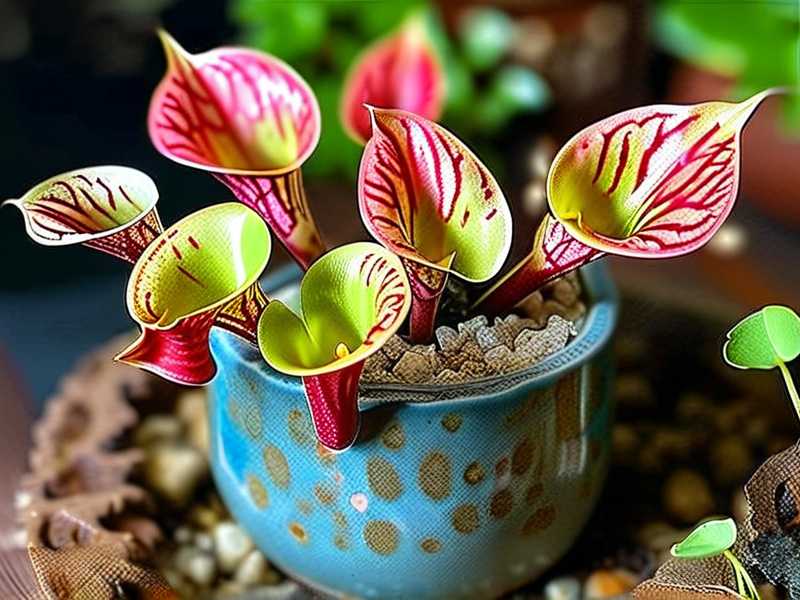
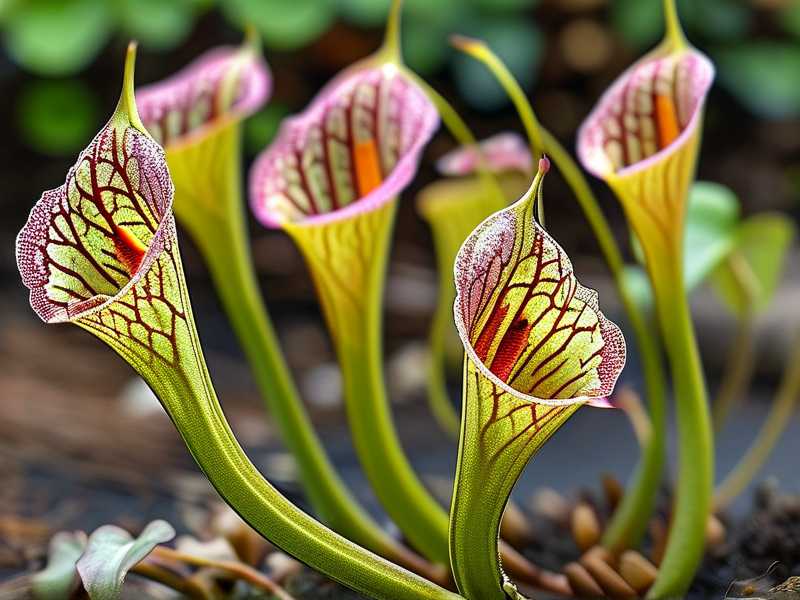
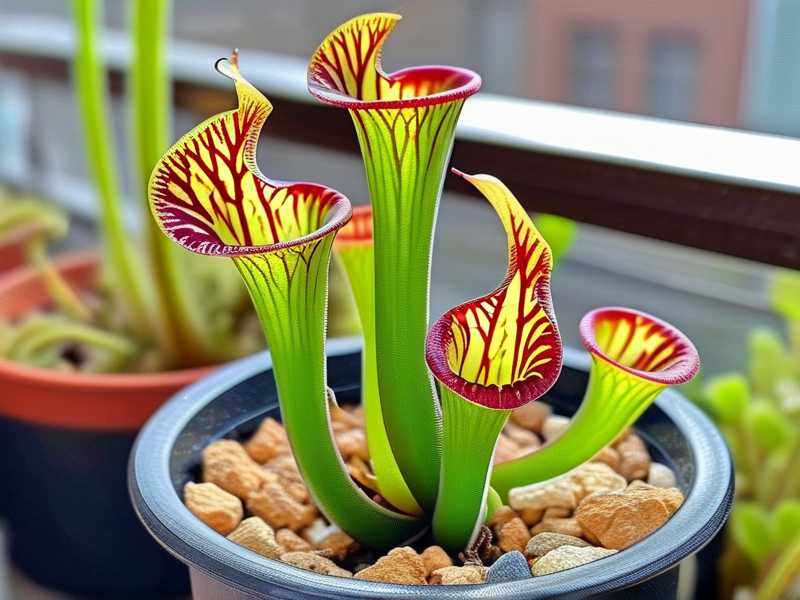
I’ve been there. You bring home a stunning Sarracenia, its pitchers standing tall like colorful, intricate trumpets, full of promise. Then, the heartbreak begins. The vibrant colors fade, the pitchers start to brown and wither, and no matter what you try, it seems to be on a slow, irreversible decline. If you’re reading this, you’re likely facing that same sinking feeling, desperately searching for how to prevent your prized Sarracenia from dying. I was in your shoes, watching a beautiful Sarracenia flava slowly succumb until I realized I was making nearly every common mistake. Through trial, error, and dedicated research, I turned my failures into a thriving collection. Let me share the four non-negotiable survival tips that saved my plants, backed by my own two-week rescue experiments and the wisdom of expert communities.
Understanding the Sarracenia’s Wild Soul: It’s Not a Houseplant
The single biggest mistake is treating these carnivorous wonders like ordinary potted greenery. Sarracenia are bog plants, evolved in specific, harsh conditions. As Tony Avent of Plant Delights Nursery often emphasizes, success with native plants like Sarracenia comes from replicating key ecological pressures, not coddling them. My failure with that S. flava stemmed from this fundamental misunderstanding. I had it in regular potting soil, watered with tap water, and placed in a moderately bright spot. It was a recipe for decline. To prevent Sarracenia varieties from dying, you must first commit to meeting their non-negotiable needs.
Survival Tip 1: Water is Life – But Only the Right Kind
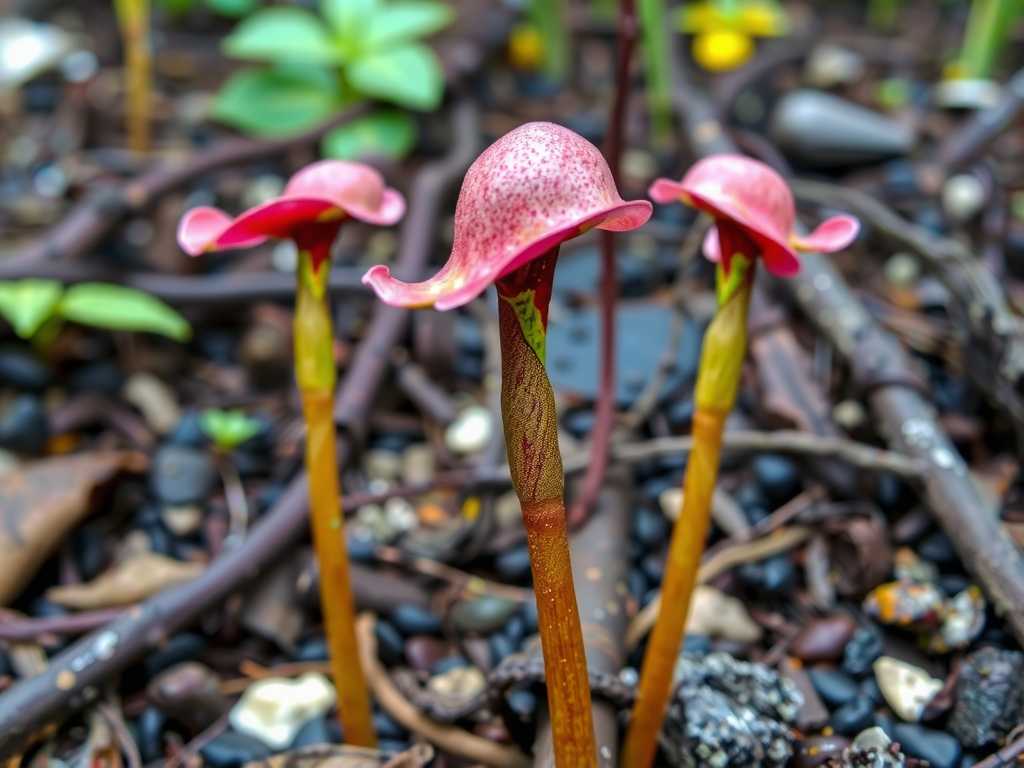
This is the most critical and immediate factor. Sarracenia roots are extremely sensitive to minerals and chemicals found in tap water, such as chlorine, fluoride, and dissolved salts. These accumulate in the soil, burning the roots and slowly poisoning the plant.
My Two-Week Rescue Test: I took a struggling Sarracenia purpurea that was sitting in suspect soil. For the first week, I continued watering with distilled water but made no other changes. Improvement was minimal. Then, I repotted it into fresh, long-fiber sphagnum moss. I placed its pot into a deep saucer and filled the saucer with rainwater (collected in a barrel). I kept the saucer permanently filled with about an inch of water. This is the classic “tray method” recommended by the International Carnivorous Plant Society (ICPS).
The Result & The “Aha!” Moment: Within 4 days, I noticed the development of a new, small pitcher. By the end of the two weeks, that pitcher had visibly elongated, and the existing pitchers felt firmer, losing their limp texture. The shocking green hue began to return to the leaves. The constant, pure moisture from the bottom had triggered immediate recovery. The key was consistent, low-mineral water contact with the roots.
What I Learned (The Hard Way):
- Water Sources Ranked: Rainwater > Distilled Water > Reverse Osmosis (RO) water. Never use tap, spring, or mineral water.
- The Setup: Always use the tray method. The pot should sit in water. Allowing the medium to dry out, even once, can cause significant root damage.
- My Mistake: I was using distilled water but was inconsistent, sometimes letting the tray go dry. Consistency is everything.
Survival Tip 2: Sunlight is Their Food – Maximize Photosynthesis
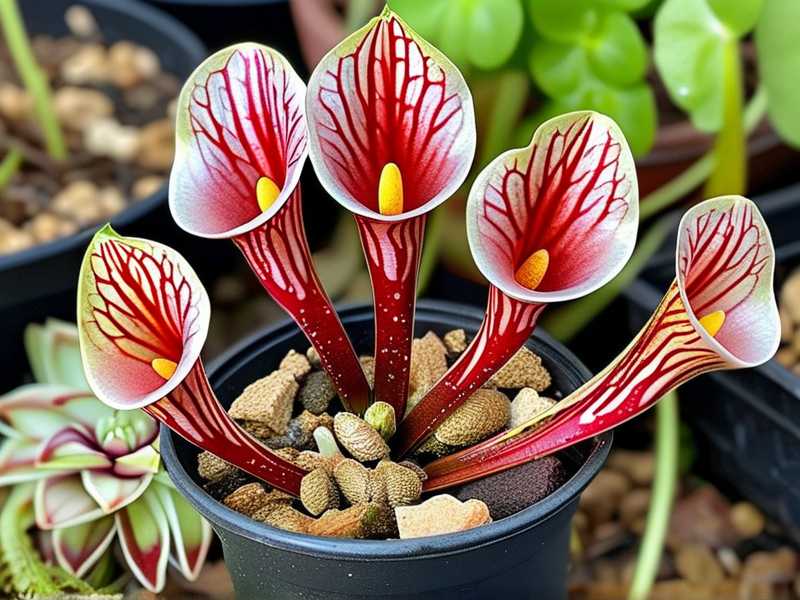
Sarracenia are full-sun plants. They require a minimum of 6 hours of direct, unfiltered sunlight daily to produce the energy needed to create those magnificent pitchers and develop their characteristic red and purple venation. Insufficient light leads to weak, floppy, green pitchers that are prone to disease and eventually die off.
My Two-Week Light Experiment: I had a Sarracenia ‘Judith Hindle’ that was growing under a “bright indoor” grow light. It was alive but pale and pitchering poorly. I moved it to a south-facing balcony where it received direct sun from 10 AM to 6 PM. To monitor stress, I checked it daily.
The Result & Observations: The first 3-4 days were concerning. Some existing pitchers showed slight bleaching or reddening—a sign of sun stress. I held my ground. By day 7, the plant had stopped any negative changes. By the end of week two, the new growth emerging from the rhizome was noticeably sturdier and had a deeper, reddish tint. The plant had clearly acclimated and was beginning to thrive on the abundant light.
The Pitfall I Encountered: The initial stress period is normal! Many enthusiasts panic and pull the plant back into shade at the first sign of color change. This denies the plant the chance to harden off. If you’re moving a plant to stronger light, do it gradually if possible, or be prepared for a brief adjustment period. True sunburn (crispy, brown, dead patches) is different from beneficial color development.
Survival Tip 3: The Medium is the Foundation – Ditch the Potting Soil
Planting a Sarracenia in nutrient-rich potting soil is a death sentence. Their roots cannot process nutrients from the soil; they get them from captured insects. Rich soil causes root rot and fungal infections.
The Only Acceptable Mixes: A sterile, low-nutrient, moisture-retentive yet airy mix is essential. The gold standard is pure long-fiber sphagnum moss (not decorative moss). A 50/50 mix of peat moss and perlite (with no added fertilizers) is also excellent. The American Sarracenia Conservancy (ASC) stresses the importance of an acidic medium (pH 4-5) which these mixes provide.
My Repotting Process & Outcome: When I repotted my original ailing S. flava, I used the peat/perlite mix. I gently washed all the old soil off its roots, which were dark and few. I planted it in a deep, plastic pot (terracotta dries out too fast and can leach minerals). After repotting and placing it in its sun-and-water regimen, I saw no new growth for over a week. I feared it was too late. Then, in the second week, a single, fat growth point emerged from the rhizome. This was the turning point. That growth point became a healthy pitcher, proving the roots had recovered in their new environment.
Critical Warning: Always use horticultural-grade peat and perlite. Avoid miracle-gro or any product with added fertilizers. Rinse the perlite before use to remove dust.
Survival Tip 4: Embrace Dormancy – The Key to Long-Term Health
This is the tip that separates survivors from perennial thrivers. Sarracenia are temperate perennials and require a winter dormancy period of 3-4 months with cooler temperatures. This rest period is crucial for resetting their growth cycle and preventing exhaustion, which leads to weak, dying plants after a few years.
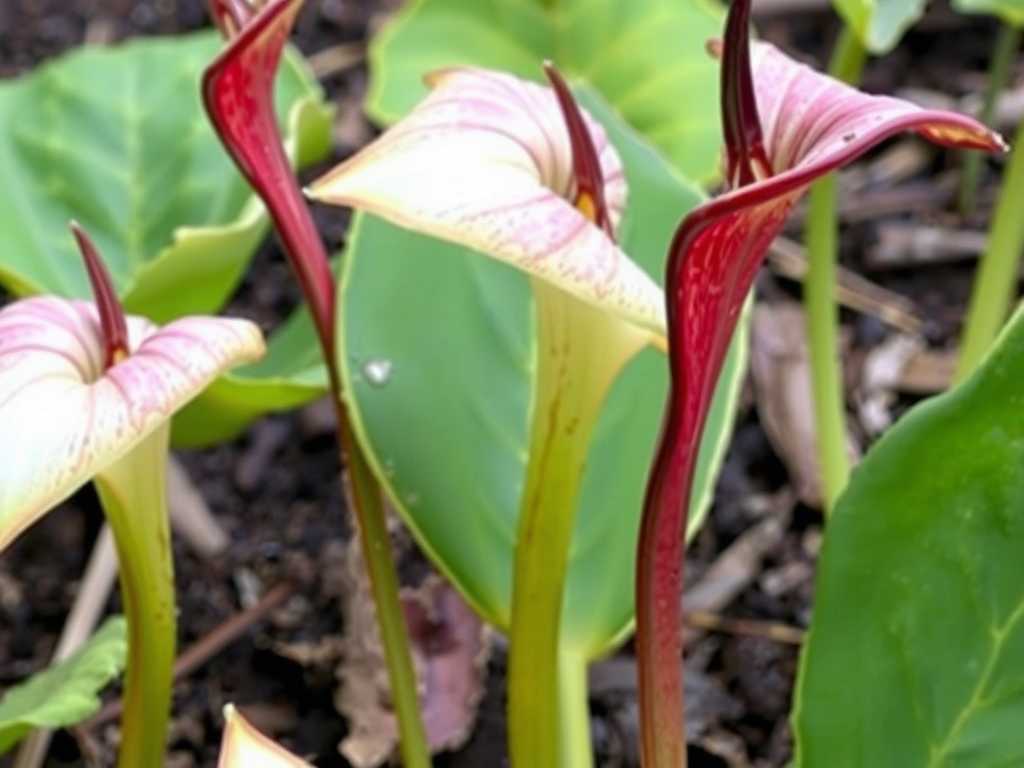
How I Provide Dormancy: I live in a region with mild winters. For my hardy varieties like Sarracenia oreophila and S. leucophylla, I simply move them to an unheated, sheltered porch where temperatures hover between 35-50°F (2-10°C). They experience frost but not prolonged hard freezes. I reduce the water in the tray but never let the medium dry out completely.
The Two-Week Dormancy Transition Watch: In late autumn, as temperatures drop, I move a few pots to the cooler location. For the first two weeks, I monitor closely. The pitchers will gradually start to brown from the top down. This is not the plant dying; it is a natural process. The central rhizome and growth points remain firm and alive. New, non-carnivorous “phyllodia” leaves often emerge in some species, which is a healthy sign of dormancy. By accepting this die-back, you allow the plant to conserve energy for a vigorous spring comeback.
My Initial Fear: I used to think browning meant failure and would bring plants back inside. This only confused them, leading to etiolated, weak growth. Trusting the dormancy process was a leap of faith that paid off with explosive spring growth.
Addressing Your Immediate Concerns: FAQ
Can I grow Sarracenia indoors on a windowsill? It is challenging but possible with a very bright, unobstructed south-facing window. You must still use the tray method with pure water. However, most indoor settings cannot provide enough light intensity or the necessary cool dormancy. Growth will often be less robust, and preventing decline is harder. A sunny outdoor spot, patio, or a dedicated grow light setup is vastly superior.
My Sarracenia’s pitchers are turning brown at the top. Is it dying? Not necessarily! Individual pitchers have a lifespan of several months to a year before naturally dying back. Browning from the top down is normal senescence, especially as seasons change. As long as there is healthy new growth emerging from the base (the rhizome), the plant is fine. Only be concerned if all growth is browning rapidly with no new shoots, or if the rhizome itself is mushy.
Do I need to feed my Sarracenia insects? No. If grown outdoors, they will catch plenty on their own. If grown indoors, they can survive on photosynthesis alone, though feeding an occasional insect (once every 2-4 weeks) can boost growth. Never use fertilizer or feed them meat; this will rot the pitcher and harm the plant. Their nutrient needs are minimal.
Preventing your Sarracenia from dying boils down to honoring its wild nature. It demands pure water, relentless sun, a barren soil, and a winter’s rest. When I finally stopped trying to fit this spectacular plant into my conventional gardening habits and instead adapted my care to its specific needs, failure turned into success. The journey from a single struggling Sarracenia flava to a thriving, colorful collection was built on these four pillars. Watch for the signs, be patient through the adjustments, and you’ll be rewarded not with a plant that merely survives, but one that truly thrives.