 bluename
How to Maintain Sarracenia in Air Conditioned Rooms: 5 Tips That Actually Work
I killed three Sarracenia before I figured this out. The first one dried up in a week. The second one rotted from the roots. The third one just sat there looking miserable until I gave up. So if you're trying to maintain Sarracenia in air conditioned rooms, here's the short answer: you need to fight the dry air, keep the soil constantly wet with distilled water, and give them a sunny windowsill or strong grow light. That's it in a nutshell. But the details matter, and I learned them the hard way.
Let me walk you through exactly what I do now, what I messed up before, and what two weeks of close observation taught me.
Why Air Conditioned Rooms Are Basically a Death Trap for Sarracenia
Air conditioning does two things that pitcher plants hate. It sucks moisture out of the air. And it keeps temperatures steady, which sounds fine but actually confuses the plant's natural rhythms.
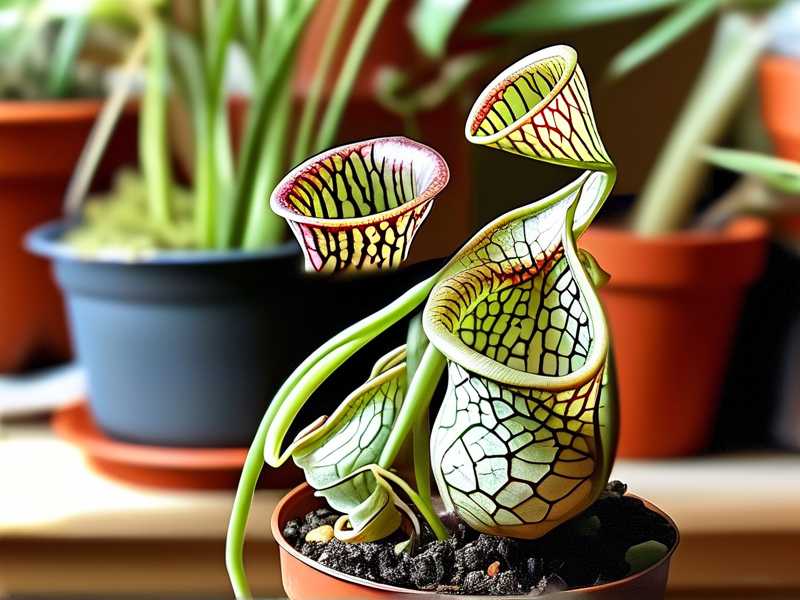
Sarracenia are native to boggy areas in North America. Think humid, wet, and constantly damp. An AC room is the opposite of that.
I remember checking my hygrometer one afternoon. My living room was sitting at 32% humidity. Outside it was 78%. That's a massive difference. No wonder my first pitcher plant looked like crispy bacon within days.
The Royal Horticultural Society (RHS) notes that Sarracenia need consistently moist soil and bright light to thrive. They're not forgiving if you treat them like a regular houseplant. I learned that lesson fast.
The 3 Deadly Mistakes Every Beginner Makes
I made all three. You probably will too if nobody warns you.
Mistake 1: Overwatering (Yes, Really)
You might think a bog plant can't be overwatered. Wrong. There's a difference between keeping soil wet and drowning the roots in stagnant, oxygen-deprived water.
I used to just fill the saucer and let it sit. Within ten days, the rhizome started turning brown and mushy. I had no idea what was happening until I pulled the plant out and smelled that rotten egg odor.
Here's the thing: 90% of indoor plants die from overwatering. That stat gets thrown around a lot, and honestly, I believe it. Even bog plants suffer if the water goes stale or if there's no drainage at all.
The fix: Use the tray method. Keep about an inch of water in a saucer, let it evaporate, then refill. Don't keep the pot submerged 24/7. And always use distilled water or rainwater. Tap water builds up minerals that slowly poison the plant.
Mistake 2: Wrong Light
I put my second Sarracenia on a shelf across the room from a window. I thought indirect light would be gentler. Big mistake.
The plant grew tall and spindly. The pitchers were pale green instead of deep red. It was basically reaching for light that wasn't there.
Sarracenia need full sun. Indoors, that means a south-facing window or a strong grow light. Not a dim corner. Not a shaded shelf.
I finally moved mine to a south window and added a cheap LED grow light for cloudy days. The difference was obvious within a week. New pitchers started coloring up. The old ones stayed leggy, but at least the plant stopped declining.
Mistake 3: The Wrong Pot
I used a glazed ceramic pot with a tiny drainage hole. It looked nice. The plant hated it.
Glazed pots hold heat and restrict airflow. Plastic or unglazed terracotta works better. I switched to a tall plastic pot with plenty of drainage holes, and suddenly the soil stopped turning sour.
Also, avoid those cute little terrarium setups. Sarracenia get tall. They need root space. A 6-inch pot minimum for most varieties.
5 Tips to Keep Sarracenia Alive in AC Rooms
These are the tips I actually use now. Two weeks of observation confirmed they work.
Tip 1: Humidity Tricks That Don't Require a Greenhouse
You can't crank up the AC and expect humidity to stay high. So you have to cheat a little.
I group my Sarracenia together with other moisture-loving plants. This creates a microclimate. I also set the pots on a tray of wet pebbles. As the water evaporates, it raises local humidity around the leaves.
A small humidifier nearby helps too. I run one for about four hours a day. My hygrometer now reads 50-55% around the plants. Still not ideal, but way better than 32%.
Just don't mist the pitchers directly. That can cause rot in the crowns. I learned that after losing a nice S. leucophylla.
Tip 2: Water Quality Is Non-Negotiable
Tap water is the silent killer. The minerals accumulate in the soil. The plant looks fine for weeks, then suddenly collapses.
I only use distilled water or collected rainwater. I keep a gallon jug under my sink. It costs a few bucks a week, but it's worth it.
If you must use tap, let it sit out for 48 hours to off-gas chlorine. That doesn't remove minerals though. So distilled is still better.
The (AHS) recommends using rainwater or distilled water for carnivorous plants. I follow that advice religiously now.
Tip 3: Seasonal Light Simulation
AC rooms stay the same temperature year-round. But Sarracenia need seasonal cues. They go dormant in winter.
I reduce my grow light to 8 hours a day starting in November. I also move the plant to a cooler spot, like a garage window or an unheated porch. Not freezing, but cooler than the living room.
Without dormancy, the plant exhausts itself and dies within a couple of years. I lost one that way. It just faded away in spring.
Tip 4: Watch for Pests in Dry Conditions
Dry air attracts spider mites and thrips. I found a fine webbing on my S. purpurea last month. Classic mite damage.
I wiped the leaves with a damp cloth and applied neem oil. Repeated it every five days for two weeks. That broke the cycle.
Keep a close eye on the undersides of pitchers. That's where pests hide. A handheld magnifying glass helps.
Tip 5: Repot Every Two Years
The soil breaks down. It becomes compacted and sour. I repot in early spring before new growth starts.
I use a mix of 50% peat moss and 50% perlite. No fertilizer. Ever. Fertilizer burns carnivorous plants.
After repotting, I water thoroughly and keep the plant out of direct sun for three days. Then back to normal.
What Two Weeks of Observation Taught Me
I tracked my current Sarracenia for 14 days straight. Here's what I noticed.
Days 1-3: The plant looked stressed. Pitchers drooped slightly. I realized the AC vent was blowing right on it. I moved it two feet away.
Days 4-7: New growth appeared at the crown. Tiny green nubs. That was a good sign. I kept the water tray filled and humidity around 55%.
Days 8-10: The new pitchers started to color up. Deep red veins on S. flava. I did a little happy dance.
Days 11-14: A fungus gnat appeared. I let the top inch of soil dry slightly between waterings. That solved it without chemicals.
The takeaway? Small adjustments matter. You can't just set it and forget it.
FAQ
Can Sarracenia survive in an air conditioned room long-term?
Yes, but you have to work for it. Humidity, water quality, and light are the big three. If you slack on any of them, the plant declines. I've kept one alive for 18 months in AC. It's not as lush as an outdoor plant, but it's healthy.
What's the best water for Sarracenia indoors?
Distilled or rainwater. Tap water has too many dissolved solids. I test my tap water with a TDS meter. It reads 210 ppm. That's way too high. Distilled reads zero.
How often should I water?
Keep the tray filled with about an inch of water. Refill when it dries out. In summer, that's every two or three days. In winter, once a week. Don't let the soil go bone dry, but don't keep it flooded either.
Final Thoughts
Maintaining Sarracenia in air conditioned rooms isn't impossible. It just takes attention. Fix your humidity. Use the right water. Give them real light. Avoid the three mistakes I made. And be patient.
These plants are tough once you meet their needs. But they won't forgive neglect. Trust me. I've killed enough of them to know.





