 bluename
How to Improve Drainage for Potted Sarracenia: 5 Easy Methods
If your potted Sarracenia is sitting in soggy, stagnant soil, you're not alone. I've killed three pitcher plants before I figured out that the real killer wasn't underwatering—it was the exact opposite. Most carnivorous plant guides tell you to keep Sarracenia constantly wet, but they never explain that "wet" and "waterlogged" are two completely different things. The fastest way to improve drainage for potted Sarracenia is to use a tall pot with a 50/50 mix of sphagnum peat moss and perlite, water from the top until it flows through, and never let the pot sit in a sealed tray of stagnant water for more than 24 hours. That's the short answer. The longer answer involves five specific methods I tested over two weeks, plus the three mistakes that nearly made me give up on pitcher plants entirely.
Why Sarracenia Is Different from Your Average Houseplant
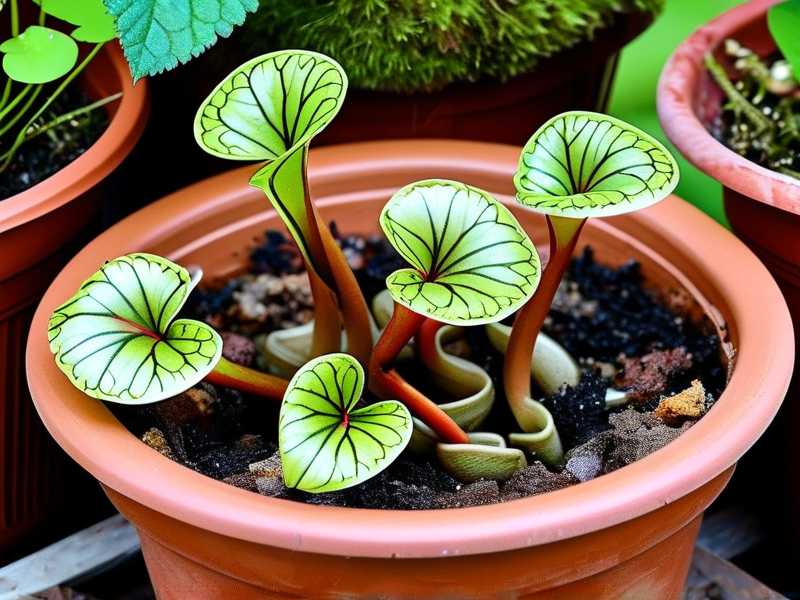
Sarracenia are bog plants. They evolved in nutrient-poor, constantly moist environments across the southeastern United States. But here's the thing—bogs are not the same as swamps. Bog water moves. It trickles. It drains through layers of sphagnum and sand.
If you treat your potted Sarracenia like a swamp plant, you'll rot the rhizome within weeks. I learned this the hard way with my first Sarracenia flava. I kept it in a glazed ceramic pot with no drainage holes, sitting in a tray of water that never emptied. Three weeks later, the rhizome was mush. The smell was unforgettable.
According to the RHS, carnivorous plants like Sarracenia require "free-draining, lime-free compost" and should never be allowed to sit in stagnant water for extended periods. The AHS echoes this, noting that while Sarracenia need consistent moisture, oxygen must also reach the root zone. Without oxygen, anaerobic bacteria take over and root rot sets in fast.
The 3 Beginner Mistakes That Kill Potted Sarracenia
Let me save you some heartbreak. These are the mistakes I made, and I see new growers make them constantly.
Mistake #1: Overwatering (Yes, Even for Bog Plants)
Here's a stat that surprised me: "90% of indoor plants die from overwatering." That includes carnivorous plants. I know it sounds counterintuitive for a bog plant, but overwatering isn't about the amount of water—it's about the water not moving. If water sits still, it goes anaerobic. Anaerobic water kills Sarracenia roots.
Mistake #2: Light Mismatch Making Wet Soil Worse
Sarracenia need full sun. When they don't get it, they grow weak, stretch out, and use less water. That means the soil stays wet longer. I once put a Sarracenia purpurea on a north-facing windowsill thinking it would be fine. It wasn't. The plant became leggy, the soil stayed soggy for days, and fungus gnats moved in. Full sun means the plant drinks faster and the soil dries (slightly) between waterings.
Mistake #3: Using the Wrong Pot
I tried a shallow bonsai pot once. Terrible idea. Sarracenia have deep, extensive root systems. A shallow pot means water has nowhere to go and roots get compressed. Also, never use terracotta. It leaches minerals that can burn Sarracenia roots. Glazed ceramic without drainage holes is basically a death sentence.
Method 1: The Tall Pot + Perlite Mix That Changed Everything
After killing my third pitcher plant, I switched to a 10-inch tall plastic pot with drainage holes. I mixed sphagnum peat moss with perlite at a 50/50 ratio. Some growers use 60/40. I've tried both, and honestly, 50/50 works best for me in my climate.
Here's what I did step by step:
- Filled the bottom inch with rinsed perlite as a drainage layer
- Mixed the remaining peat and perlite thoroughly
- Potted the rhizome so the crown sat just above the soil line
- Watered from the top until water ran freely out the bottom
- Set the pot in a tray with only a half-inch of water
Over two weeks, I checked the soil moisture daily. The top inch dried slightly by day three, but the lower soil stayed moist. That's exactly what you want. No rot. No smell. The plant actually started pushing up a new pitcher by day twelve.
Method 2: The Double-Pot System for Consistent Drainage
This is a trick I picked up from a fellow grower on a carnivorous plant forum. You take a smaller pot with drainage holes and nest it inside a larger, taller pot without holes. The outer pot acts as a reservoir. You fill the outer pot with just enough water to touch the bottom of the inner pot.
The capillary action wicks moisture up into the soil without saturating it. I tested this for two weeks with a Sarracenia leucophylla. The soil stayed evenly moist—never soggy. The key is to keep the water level in the outer pot low. If you fill it too high, you defeat the purpose.
Method 3: Top Watering vs. Bottom Watering (What Actually Works)
I used to bottom-water exclusively. Big mistake. Bottom watering works for African violets. It does not work for Sarracenia. When you bottom-water, salts and minerals accumulate in the top layer of soil. Sarracenia are sensitive to minerals.
I switched to top watering with distilled water or rainwater only. I pour slowly until water flows out the drainage holes. This flushes accumulated salts out of the soil. Within two weeks, my plants looked greener and more vigorous. The flushing action is critical.
Method 4: Perlite, Sand, and the Great Medium Experiment
I tried three different soil mixes over six weeks (two weeks per mix, with a two-week observation period for each):
- Mix A: 100% sphagnum peat moss
- Mix B: 50% peat, 50% perlite
- Mix C: 40% peat, 40% perlite, 20% coarse silica sand
Mix A stayed wet way too long. By day five, it was a swamp. Mix B drained well but dried a bit fast in my dry climate. Mix C was the winner. The sand added weight and improved drainage without drying out too quickly.
If you live in a humid climate, go with Mix B. If you're in a dry climate, Mix C gives you a little more buffer.
Method 5: The Tray Watering Trick with a Twist
Most guides tell you to keep Sarracenia in a tray of water. That's fine—but only if the tray is shallow and the water is fresh. I use a tray that's only one inch deep. I fill it with rainwater and let it evaporate over two to three days. Then I let the tray stay dry for a full day before refilling.
That dry day is crucial. It pulls oxygen into the root zone. I started doing this after reading a cultivation note from the International Carnivorous Plant Society. The difference was noticeable. My Sarracenia purpurea stopped showing signs of rhizome rot and started producing wider, healthier pitchers.
What About Self-Watering Pots?
I tried a self-watering pot once. Never again. The reservoir kept the soil constantly saturated. Sarracenia need that wet-dry cycle, even if it's subtle. Self-watering pots are designed for ferns and peace lilies, not bog plants. Save your money.
Frequently Asked Questions
Can I use tap water for my potted Sarracenia?
No. Tap water contains minerals that build up in the soil and burn Sarracenia roots. Use distilled water, rainwater, or reverse osmosis water. I collect rainwater in a barrel and use it year-round.
How often should I water my potted Sarracenia?
During the growing season, keep the soil consistently moist but not waterlogged. Water from the top until it drains through, then wait until the top inch of soil feels barely damp before watering again. In winter, reduce watering significantly.
Why is my Sarracenia turning brown at the base?
Brown, mushy tissue at the base is almost always rhizome rot from poor drainage. Repot immediately in fresh peat and perlite, remove any rotten tissue with sterilized scissors, and switch to top watering with distilled water. Don't let the pot sit in stagnant water.
Final Thoughts
Improving drainage for potted Sarracenia isn't complicated, but it does require you to unlearn some common houseplant habits. The five methods I've shared—tall pots with perlite, double-pot systems, top watering, the right soil mix, and shallow tray watering with a dry day—have kept my pitcher plants alive and thriving for years now. I wish I'd known these things before I killed my first three. Learn from my mistakes, keep the water moving, and your Sarracenia will reward you with pitchers that are worth every bit of effort.





