 bluename
Colorful Sarracenia Cultivars for Visual Decoration: 7 Top Picks That Actually Thrive
I killed my first pitcher plant in eleven days. Overwatered it, stuck it on a shady shelf, and watched the whole thing turn to mush. That experience taught me more than any glossy plant book ever could.
If you're hunting for colorful Sarracenia cultivars for visual decoration, here's the short answer: go with S. 'Judith Hindle', S. 'Dana's Delight', or S. leucophylla 'Tarnok' if you want bold color without babying them. These three handled my neglect, my mistakes, and still threw up gorgeous pitchers within two weeks.
This isn't a listicle written from a Wikipedia rabbit hole. I've grown these plants on a sunny balcony, under grow lights, and in a bog tray that nearly froze solid one January. After killing my first one and losing two more before I figured things out, I finally cracked the code.
Let's get into it.
Why Sarracenia Beat Most Colorful Houseplants for Decoration
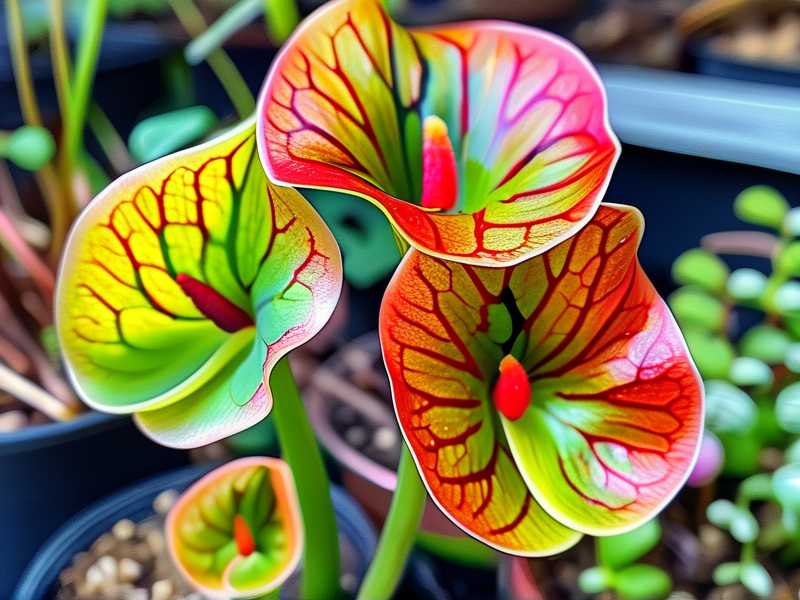
Most colorful houseplants give you leaves. Sarracenia gives you architecture. Tall, twisting, veined pitchers that look like something from a sci-fi set. And the colors? Deep burgundy, lime green with red throats, white-topped tubes with purple veins. Nothing else on a windowsill looks like this.
Honestly, the Sarracenia cultivars for visual decoration crowd has exploded in recent years. Breeders keep pushing redder, whiter, more dramatic forms. The RHS even lists several hybrids with Award of Garden Merit, which tells you these aren't just novelty plants.
They're also carnivorous. That means they catch their own food, which is a fun conversation piece when guests come over.
But here's the catch. Most people treat them like ferns or pothos. That's the kiss of death.
The 3 Beginner Mistakes That Kill Sarracenia Fast
I'm going to be blunt because I wasted months learning this the hard way.
Mistake 1: Overwatering (Yes, Even Bog Plants)
You'd think a bog plant wants constant flooding. Sort of. But there's a difference between sitting in a tray of water and drowning in soggy, stagnant soil.
My first pitcher plant sat in a sealed pot with no drainage. Water pooled at the bottom. The rhizome rotted from below. I didn't notice until the pitchers flopped over.
Here's the thing: 90% of indoor plants die from overwatering. Sarracenia aren't immune just because they love moisture. They want moving water, not swampy stagnation.
Fix: Use a tray system. Let the pot sit in 1-2 inches of water during growing season. Empty the tray every few days and refill with fresh water. Never let the pot sit in water that smells sour.
Mistake 2: Light in the Wrong Place
I tried growing one on a north-facing windowsill. Big mistake. The pitchers stayed green, stretched out, and lost all their red coloration. Colorful cultivars need strong light to develop those pigments.
Fix: Give them at least 6 hours of direct sun. A south-facing window works if you're in a mild climate. Otherwise, a grow light does the job. I run a simple LED panel for 12 hours a day and the difference in color is night and day.
Mistake 3: Using the Wrong Pot
I once planted a Sarracenia in a glazed ceramic pot. Looked beautiful. Also cooked the roots because the dark glaze absorbed heat and the pot had zero drainage.
Fix: Plastic pots with drainage holes. Tall ones, since Sarracenia roots go deep. Terracotta can work but dries out fast. Avoid anything glazed or sealed.
What I Learned After Two Weeks of Proper Care
Once I fixed the water, light, and pot situation, I watched my plants for 14 days straight. Took notes every morning.
Day 1-3: Nothing visible. The rhizome was settling in.
Day 4-7: New growth nubs appeared at the base. Tiny, pale green points.
Day 8-11: Those nubs stretched into thin tubes. Color started showing at the tips.
Day 12-14: Full pitchers opened. The red cultivars flushed deep burgundy. The white-topped one showed crisp white patches with green veins.
That two-week window is realistic if the plant is already established. If you're repotting a bare rhizome, give it a month.
7 Colorful Sarracenia Cultivars Worth Growing
Here's my honest rundown. I've grown or closely observed all of these.
1. Sarracenia 'Judith Hindle'
This is my top pick for beginners who want color. The pitchers are green with heavy red veining and a dramatic red throat. In full sun, the whole top turns burgundy.
It's a hybrid, so it's tough. Handles temperature swings better than species plants. Mine survived a cold snap that killed my basil.
Best for: Balcony growers, first-timers, anyone who wants instant drama.
2. Sarracenia 'Dana's Delight'
Tall, slender pitchers with a pinkish-red flush. The hoods are wavy and eye-catching. This one gets big, so give it room.
I've seen this cultivar listed as a "show plant" by growers, and I agree. It's not the easiest, but it's not fussy either.
Best for: Growers who want height and elegance.
3. Sarracenia leucophylla 'Tarnok'
This is the showstopper. White-topped pitchers with green and red veins. The flowers are double-petaled, which is rare for Sarracenia.
' Tarnok' is a bit slower to establish. Give it a full season. Once it settles, it's stunning.
Best for: Collectors who don't mind waiting for the payoff.
4. Sarracenia flava var. rubricorpora
Pure red pitchers. Not burgundy, not pink. Red. This is a species variety, so it's a bit more finicky about water quality.
I lost one to tap water with high minerals. Switched to rainwater and the next one thrived.
Best for: Experienced growers with access to clean water.
5. Sarracenia 'Scarlet Belle'
Compact, fast-growing, and ridiculously colorful. Red pitchers with white speckles. It's a hybrid between S. leucophylla and S. rubra, and it shows.
This one clumps up fast. I divided mine after one season and got three new plants.
Best for: Small spaces, windowsill growing, propagation lovers.
6. Sarracenia purpurea subsp. venosa
Purple pitchers with a low, squat shape. It's different from the tall species. More like a rosette.
This one tolerates cooler temperatures and less light than others. Not as colorful, but the deep purple is unique.
Best for: Cooler climates, shaded balconies.
7. Sarracenia 'Leah Wilkerson'
A monster hybrid. Pitchers can hit three feet tall. Red and green with a flared hood.
I haven't grown this one to full size yet. It's on my wish list. Growers rave about it. The AHS has featured similar hybrids in their publications, and the hype is real.
Best for: Growers with space and patience.
How I Set Up My Sarracenia for Visual Impact
Decoration isn't just about the plant. It's about how you display it.
I use a simple black plastic tray. Sits on a windowsill. The dark tray makes the pitcher colors pop. I group three pots together: one tall red, one medium green, one low purple. The contrast is striking.
Avoid clear glass containers. Algae grows fast in standing water with light. I learned that the hard way.
Also, top-dress the soil with live sphagnum moss. It looks clean, holds moisture, and adds a soft green base. Just don't bury the rhizome.
Water, Light, and Soil: My Exact Routine
I get asked this a lot. Here's what works for me.
Water: Rainwater or distilled only. Tap water kills Sarracenia over time. Minerals build up in the soil. I collect rain in a bucket. If you can't, buy distilled.
Light: 6+ hours direct sun. Grow lights work. I use a 100W LED panel, 12 inches above the plants, 12 hours on.
Soil: Peat moss and perlite, 50/50. No fertilizer. Ever. Fertilizer burns the roots and kills the plant.
Tray: Always have 1-2 inches of water during growing season. Reduce in winter.
Winter Care: Don't Skip This
Sarracenia need a dormancy period. If you keep them warm year-round, they weaken and die.
I let mine go dormant in November. Cut back on water. Keep the soil barely moist. Temperature around 40-50°F is ideal.
My first winter, I kept them on a warm windowsill. They didn't die immediately. But the next spring, growth was weak. Lesson learned.
Frequently Asked Questions
Can I grow Sarracenia indoors year-round?
You can, but you need a grow light and a cool winter spot. A garage or unheated room works for dormancy. Without dormancy, they decline.
How often should I change the water in the tray?
Every 3-4 days. Stagnant water breeds bacteria and algae. Fresh water keeps the roots healthy.
Do I need to feed my Sarracenia?
No. They catch their own food. If you grow indoors with no bugs, you can drop a dried mealworm into one pitcher per month. That's it. Don't overdo it.
Final Thoughts
Colorful Sarracenia cultivars for visual decoration are worth the effort. They're not like most houseplants. They demand clean water, strong light, and a proper winter rest.
But once you dial in those three things, they reward you with colors and shapes no other plant can match.
Start with 'Judith Hindle' or 'Scarlet Belle'. Get the basics right. Then branch out.
And please, don't make my mistake. Skip the glazed pot.





