 bluename
Sarracenia Winter Dormancy Mistakes to Avoid: 6 Common Errors That Nearly Killed My Pitcher Plants
If your Sarracenia looks like it's dying right now, relax. It's probably not dying. It's going dormant, and if you mess up Sarracenia winter dormancy, that's when things actually go wrong. I've killed three pitcher plants over five winters before I figured this out. Here's the short answer: keep them cold, keep them barely damp, and don't baby them. That's it. The rest of this article is me showing you exactly where I screwed up, so you don't repeat my mistakes.
Why Dormancy Isn't Optional for Sarracenia
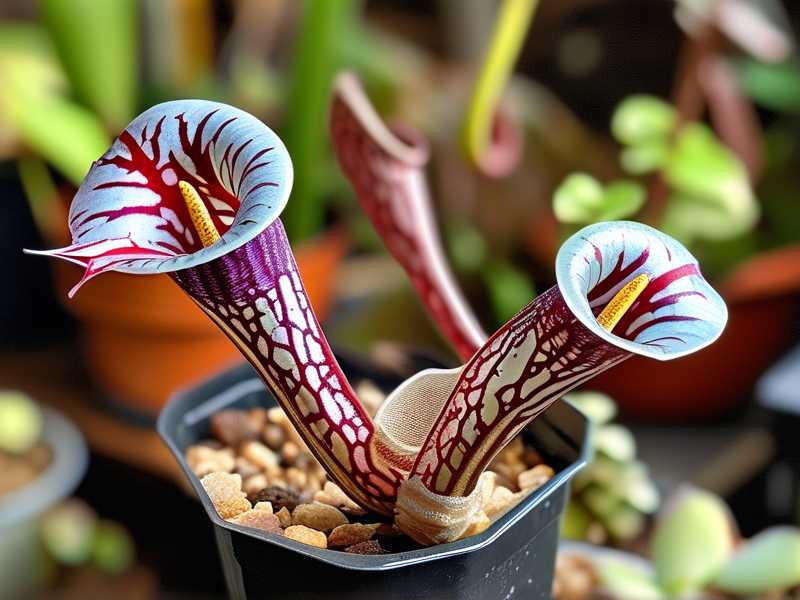
Sarracenia are temperate perennials. They're not tropical houseplants, and that's the first thing most beginners get wrong.
In the wild, these plants experience real winters. Freezing nights, short daylight, soggy but cold soil, and months of doing basically nothing.
Skip dormancy and the plant weakens. It grows spindly, gets diseased, and eventually collapses mid-season. I learned this the hard way with a Sarracenia leucophylla that I kept warm all winter. It looked fine in March, then died in July.
The Royal Horticultural Society (RHS) notes that temperate carnivorous plants require a cool rest period to maintain vigor. The American Horticultural Society (AHS) similarly emphasizes seasonal cycling for perennial health. So this isn't some niche grower opinion. It's basic plant biology.
Mistake #1: Overwatering During Dormancy
This is the big one. Honestly, it's the big one for almost every plant.
"90% of indoor plants die from overwatering." That stat gets thrown around a lot, and while it's usually applied to houseplants, it absolutely applies to dormant Sarracenia too.
Here's what happens. You bring your pitcher plant inside for winter. You keep watering it like it's July. The soil stays soggy in cool temperatures. Roots rot. Rhizome turns to mush.
I did this to a beautiful Sarracenia flava in my second year. Watered it every three days out of habit. By January the rhizome was brown and squishy. Gone.
What dormancy watering should actually look like
During winter, I water maybe once every 10 to 14 days. Sometimes less.
The soil should be barely moist, not wet. Think wrung-out sponge, not dripping.
If you're growing indoors in a cool garage or unheated room, the lower temps mean slower evaporation. So you need way less water than you think.
I also stop using the tray method entirely during dormancy. Standing water plus cold equals rot. Simple as that.
Mistake #2: Wrong Light Placement
Light is tricky during dormancy because the plant doesn't need much, but it still needs some.
I've tried three different setups. A dark basement. A south-facing window. And a cool garage with a cheap LED shop light.
The basement killed a plant. Complete darkness for two months turned the rhizome weak. It never recovered.
The south window worked but got too warm during the day. Temperature swings stressed the plant.
The garage with a basic LED? That's my current setup and it's been working for three winters now.
What I do now
I give dormant Sarracenia about 6 hours of weak light. Not intense. Just enough to keep the rhizome from completely shutting down.
A cheap fluorescent or basic LED is plenty. You're not trying to grow leaves. You're just maintaining minimal metabolic function.
Also, keep the photoperiod short. If your light runs 14 hours, the plant thinks it's summer. That defeats the whole purpose. I run mine 8 hours max.
Mistake #3: Using the Wrong Pot
I never thought the pot mattered. Then I lost a plant to a ceramic glazed pot that held moisture way too long.
Sarracenia need drainage. During dormancy, that need gets even more critical because evaporation slows down.
What not to use
Glazed ceramic. Plastic pots without drainage holes. Anything that traps water at the bottom.
What actually works
Unglazed terracotta breathes and dries out faster. Tall plastic nursery pots with big drainage holes work great too. I've been using standard 1-gallon nursery pots for years now.
If the pot sits in a saucer, empty the saucer. Don't let it sit in water during winter.
Another thing. Don't repot right before dormancy. I tried that once. The plant went into shock, then into dormancy, and never came out. Wait until early spring.
Mistake #4: Keeping Them Too Warm
Temperature is where indoor growers really struggle.
Your house is 68 to 72°F. That's tropical weather to a Sarracenia. It won't trigger dormancy, and if the plant is already dormant, warmth wakes it up too early.
I've seen people keep pitcher plants on a sunny windowsill in a heated living room and wonder why they never thrive. The plant is confused. It's getting mixed signals.
What temperatures actually work
Aim for 35 to 50°F. That's the sweet spot.
An unheated garage. A cold frame. A screened porch in milder climates. Even a refrigerator works if you bag the rhizome properly (I've done this with smaller plants).
The key is consistency. Don't let it bounce between 40°F and 70°F. That's worse than just keeping it warm.
Mistake #5: Cutting Back Too Aggressively
I used to chop all the pitchers off in fall. Big mistake.
Those dying pitchers are still photosynthesizing. They're feeding the rhizome. Cutting them too early starves the plant going into winter.
What I do now
I let the pitchers die back naturally. When they're brown and crispy, I trim them. Not before.
If the pitchers are still green in November, leave them. They'll die back on their own.
I made this mistake with a Sarracenia purpurea. Cut everything in October. The rhizome was weak all winter. Took two growing seasons to recover.
Mistake #6: Ignoring Humidity and Airflow
This one's subtle. Dormant plants don't need high humidity. But they do need airflow.
Stagnant, damp air plus cold temps equals fungal problems. I lost a rhizome to mold one winter because I kept the plant in a sealed plastic bin with no ventilation.
What works for me
I keep a small fan running on low in the garage. Just enough to move air around.
If you're using a refrigerator method, open the bag every week or so for a few minutes. Let things breathe.
Don't seal dormant plants in airtight containers. That's asking for trouble.
My 2-Week Observation: What Dormancy Actually Looks Like
I started tracking my Sarracenia dormancy last November. Here's what I saw over two weeks.
Week 1: Pitchers turned brown and shriveled. Growth stopped completely. Soil stayed moist but not wet.
Week 2: No visible change above soil. The rhizome stayed firm. No mold. No rot. No new growth.
That's normal. Dormancy is boring. If nothing happens for weeks, you're doing it right.
What's not normal is mush. Or mold. Or a rhizome that feels hollow.
A Quick Note on Different Sarracenia Species
Not all Sarracenia handle dormancy the same way.
Sarracenia purpurea is tough. It handles cold and wet better than most.
Sarracenia leucophylla is less cold-hardy. I give mine extra protection.
Sarracenia flava and Sarracenia oreophila need a solid dormancy or they sulk all summer.
If you're growing hybrids, check the parentage. That tells you a lot about cold tolerance.
Frequently Asked Questions
Can I skip dormancy if I grow Sarracenia indoors under grow lights?
No. Grow lights don't replace the cold rest period. The plant needs the temperature drop, not just reduced light. Skip it and you'll get a weak plant that declines over time.
What if my Sarracenia starts growing during dormancy?
If you see new growth in December or January, your temps are too warm. Move it somewhere colder. If it's already put up a pitcher, don't cut it. Just fix the temperature and hope the plant resets.
How do I know if my dormant Sarracenia is dead or just dormant?
Check the rhizome. Firm and white inside means alive. Brown, mushy, or hollow means dead. You can also scratch the surface lightly. Green underneath means it's still kicking.
Final Thoughts
Sarracenia winter dormancy isn't complicated. But it's easy to mess up if you treat these plants like regular houseplants.
Keep them cold. Water sparingly. Use a pot that drains. Give weak light for a short period. Leave the pitchers alone until they're fully dead. And don't seal them in a box.
I've killed three plants learning this. You don't have to. Follow the mistakes I've laid out here, flip them, and your pitcher plant will come back stronger every spring.





