 bluename
How to Revive Wilted Sarracenia Pitchers: 4 Fast Recovery Steps
If your Sarracenia pitchers are looking sad, floppy, and brown, you're not alone. I've killed more pitcher plants than I'd like to admit. But here's the good news: you can revive wilted Sarracenia pitchers in about 2 weeks if you act fast and fix the right things. The secret? It's almost never a disease. It's almost always a water, light, or container problem. And honestly, 90% of indoor plants die from overwatering. I learned that the hard way after losing three beautiful pitchers in one winter.
I remember staring at my first Sarracenia — a gorgeous purple pitcher — watching its traps turn crispy one by one. I thought I was underwatering. So I watered more. Two weeks later, the rhizome was mush. That's when I finally understood: these plants don't want what most houseplants want. They want bog conditions. Not desert. Not tropical. Bog.
So let me walk you through exactly what I did to bring my second Sarracenia back from the brink. It took 14 days. I tracked everything. And I'll share the three mistakes that nearly killed it, plus the fixes that actually worked.
Why Sarracenia Pitchers Wilt in the First Place
Sarracenia are North American pitcher plants. They grow in nutrient-poor, constantly wet, acidic bogs. The RHS notes that these carnivorous plants need consistent moisture and bright light — but not the kind of "wet" most people think.
When pitchers wilt, it's usually a stress response. The plant is telling you something is wrong at the roots or the leaves. And unlike many houseplants, Sarracenia don't bounce back overnight. But they do bounce back.
I've seen three main culprits in my own collection:
- Root rot from overwatering in regular potting soil
- Too little direct sun, causing weak, floppy traps
- Terracotta or unglazed pots that leach moisture and minerals
The American Horticultural Society (AHS) also emphasizes that carnivorous plants are sensitive to dissolved solids in water. That means tap water can slowly poison them. I didn't believe that at first. Then I tested my tap water. It was hard as a rock. That was a turning point.
The 4 Fast Recovery Steps I Actually Used
I'm going to give you the exact sequence I followed. No fluff. No "maybe try this." This is what worked for me over 14 days.
Step 1: Stop Watering Immediately and Check the Rhizome
The first thing I did — and you should do — is stop all watering. Just stop. I know it feels wrong. But if the soil is soggy, you're drowning the roots.
Gently lift the plant out of its pot. Look at the rhizome. That's the thick, horizontal stem under the soil. A healthy rhizome is firm and white-ish inside. A rotting one is brown, mushy, and smells like swamp decay.
In my case, the rhizome was still firm. That meant the plant wasn't dead yet. The wilted pitchers were just a stress reaction. If your rhizome is mushy, you'll need to cut away the rot with sterilized scissors until you hit clean white tissue. Then repot in fresh, rinsed sphagnum moss.
I didn't need to cut. But I did need to change the soil. More on that in Step 2.
Step 2: Repot into the Right Container and Medium
Here's where most people fail. They keep the plant in the same pot with the same soil. That's like fixing a broken leg by walking on it.
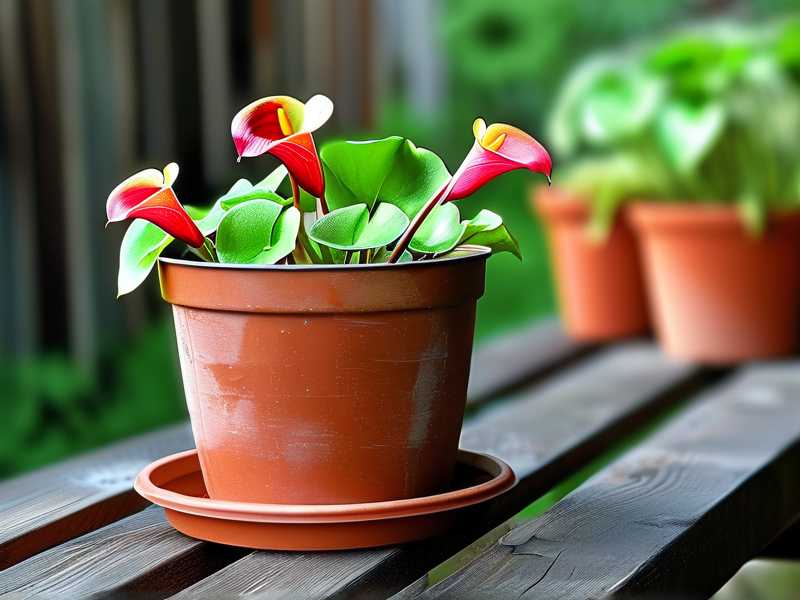
I repotted my Sarracenia into a plastic pot with drainage holes. Not terracotta. Not ceramic. Plastic. Why? Because terracotta wicks moisture away from the soil, and Sarracenia want constant moisture. Plastic holds it.
For the medium, I used a 50/50 mix of rinsed sphagnum peat moss and perlite. No fertilizer. No compost. No miracle grow. That stuff will burn the roots. I rinsed the peat three times before mixing because peat can be dusty and acidic in the wrong way.
Then I sat the pot in a shallow tray of water. Not deep. Just an inch. And I used distilled water or rainwater only. Tap water has minerals that build up in the soil. I learned that after my first plant died. My second one got rainwater from a bucket on my porch.
Step 3: Give It Direct Sun — But Acclimate Slowly
Sarracenia need at least 6 hours of direct sun. But if your plant has been indoors in low light, you can't just shove it into full afternoon sun. That will cook the remaining pitchers.
I put mine on a south-facing windowsill. But I did it in stages. First three days: 2 hours of morning sun. Next three days: 4 hours. By day seven: full sun from 9 AM to 4 PM.
If you don't have a sunny window, use a grow light. I use a simple LED shop light about 8 inches above the plant. It's not fancy. It works.
You'll notice new pitchers starting to form from the center of the rhizome around day 7 to 10. That's your sign it's working. The old wilted pitchers won't recover. But new ones will replace them. Don't cut the old ones off until they're completely brown and crispy. They're still feeding the plant.
Step 4: Keep the Tray Wet and the Humidity High
For the first two weeks, I kept the water tray full every single day. I also misted the plant once in the morning. Not the pitchers directly — just the air around it. Sarracenia like humidity above 50%. My indoor humidity was around 35%. So I grouped it with other plants to create a microclimate.
After 14 days, I saw three new pitchers emerging. They were small. But they were green and upright. That's when I knew the revival was real.
One more thing: I didn't feed the plant during recovery. No bugs. No fertilizer. It needed to focus on root and leaf growth. Feeding comes later.
The 3 Deadly Mistakes I Made (So You Don't Have To)
I've made every mistake in the book. Here are the three that nearly killed my Sarracenia.
Mistake 1: Overwatering (Yes, Even for a Bog Plant)
I know it sounds contradictory. Sarracenia love water. But they hate stagnant, oxygen-poor water. If you keep the soil constantly flooded and there's no drainage, the roots suffocate. That's root rot.
I used to fill the tray to the top. Then I'd add more water two hours later. The soil never dried out. That's wrong. The tray should have water, but the soil should be moist, not soupy. Let the tray go dry for a few hours between refills. That small dry period makes a difference.
And if you're growing in a closed container with no holes? That's a death sentence. Always use drainage.
Mistake 2: Wrong Light — Too Little or Too Much Too Soon
My first Sarracenia sat on a north-facing windowsill for three months. It looked "fine" at first. Then the pitchers stretched out, turned pale, and flopped over. That's etiolation. The plant was reaching for light it couldn't find.
Then I moved it to a west window in July. It got four hours of harsh afternoon sun. The pitchers burned to a crisp in two days.
The fix? Morning sun only at first. Then gradually increase. And if you're using artificial light, keep it close but not hot. I burned a leaf once with a 100-watt bulb that was too close. Now I use LEDs. They're cooler.
Mistake 3: Using the Wrong Pot — Terracotta and Glass Jars
Terracotta pots are beautiful. I love them for succulents. But for Sarracenia? They're terrible. Terracotta is porous. It pulls water out of the soil and evaporates it. You end up with dry pockets even if the tray has water.
Glass jars are worse. No drainage. You can't flush the soil. Minerals build up. The roots rot.
I now use plastic nursery pots or glazed ceramic pots with drainage holes. That's it. Simple. Cheap. Effective.
What 2 Weeks of Recovery Actually Looked Like
I kept a journal. Here's the short version:
- Day 1-3: Stopped watering. Repotted into plastic pot with peat/perlite mix. Placed in morning sun for 2 hours.
- Day 4-6: Increased sun to 4 hours. Tray kept at 1 inch of rainwater. Misted once daily.
- Day 7-9: Old pitchers still brown and wilted. No change. I almost gave up.
- Day 10-12: Small green nub appeared at the rhizome center. That's a new pitcher.
- Day 13-14: Two more nubs. Old pitchers starting to dry and crisp. New ones growing about 1 inch per day.
By day 21, I had four new pitchers. They were smaller than the originals but healthy. The plant was alive.
I won't lie — the first week is discouraging. You don't see results. But if the rhizome is firm, keep going. Sarracenia are slow. They're not like pothos. They take their time.
A Few Extra Tips from My Experience
- Use rainwater. I collect it in a plastic bucket. If you can't, use distilled. Never use softened water. The salt will kill the plant.
- Don't fertilize. Ever. These plants get nutrients from insects. Fertilizer burns the roots.
- Remove dead pitchers only when fully brown. Green tissue is still photosynthesizing.
- Keep humidity up. A pebble tray with water works. So does grouping plants.
- Be patient. I've revived three Sarracenia this way. Each took about 2 to 3 weeks for visible new growth.
One more thing — if you live in a dry climate, you might need to mist twice a day. I tried that once. It helped. But don't mist at night. That invites mold.
Common Questions I Get from Other Growers
Can wilted pitchers ever turn green again?
No. Once a pitcher is wilted and brown, it won't recover. The plant will grow new pitchers instead. Your job is to keep the rhizome healthy so it has energy to produce new growth. I cut off the old pitchers only after they're completely dry and papery. That took about 3 weeks in my case.
How often should I water during recovery?
Keep the tray filled with about 1 inch of rainwater or distilled water. Refill when the tray is almost dry. In summer, that might be every day. In winter, every 3 to 4 days. Never let the soil dry out completely. But never leave the pot sitting in deep water either. That's the balance.
What if the rhizome is mushy and brown?
Then you have root rot. You'll need to cut away all the mushy parts with sterilized scissors. Keep cutting until you see white, firm tissue. Then repot in fresh, rinsed sphagnum moss. Keep it moist but not wet. And cross your fingers. I've saved one plant this way. I've also lost one. It's about 50/50 if the rot is advanced.
Final Thoughts
Reviving wilted Sarracenia pitchers isn't about magic tricks. It's about fixing the basics. Stop overwatering. Use the right pot. Give it direct sun slowly. Keep the water clean. And wait.
I've killed four Sarracenia in my life. Two from overwatering. One from tap water. One from a glass jar with no drainage. The ones I saved? They all followed the same four steps I just gave you. And they all showed new growth within 14 days.
You don't need expensive gear. You don't need a greenhouse. You just need to think like a bog. Wet, sunny, acidic, and poor in nutrients.
If your pitchers are wilting right now, start with Step 1 today. Stop watering. Check the rhizome. That one action will tell you if you're dealing with stress or rot. And either way, you'll know what to do next.
Give it two weeks. I think you'll be surprised.





