 bluename
How to Acclimate Sarracenia to Full Sun: 5 Gradual Adapt Tips That Actually Work
I killed my first three Sarracenia by doing exactly what every care guide told me to do. Full sun. All day. Right away. Sounds simple, right? It's not. If you're here because your pitcher plant looks like a sad, crispy mess after a day in direct sunlight, I get it. I've been there. The short answer: you need to acclimate Sarracenia to full sun over 2 to 3 weeks, starting with 1 to 2 hours of morning light and adding about 30 to 60 minutes every few days. That's the whole game. Skip this step and you'll watch those beautiful pitchers turn brown faster than you can say "photosynthesis."
I learned this the hard way. My fourth plant survived because I finally slowed down.
Let me walk you through exactly what I did, what went wrong, and the five gradual adaptation tips that actually kept my Sarracenia alive and thriving.
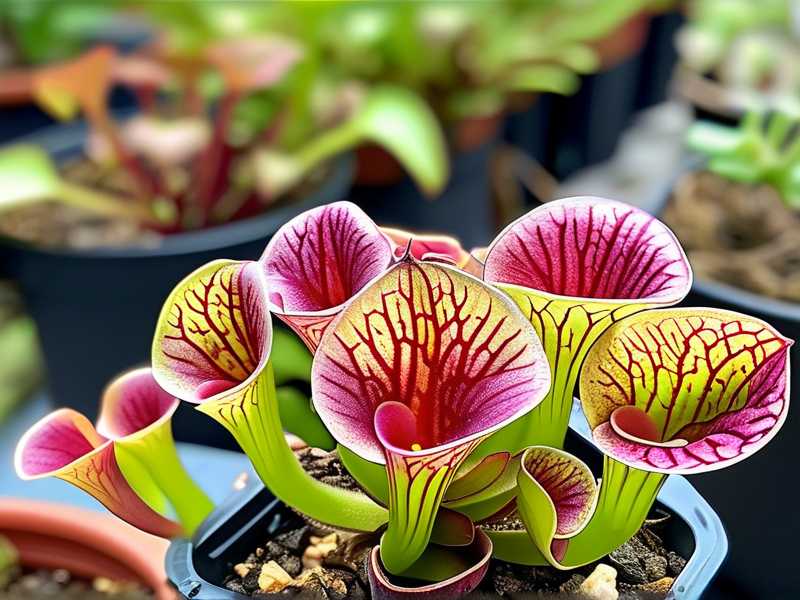
Why Sarracenia Burns When You Rush Full Sun
Sarracenia are native to open bogs and wetlands across North America. In the wild, they get full, unfiltered sun for most of the day. So why do they burn when we bring them home?
Because the plants you buy from nurseries or online are almost never grown in full sun. They're raised in greenhouses with shade cloth. Under artificial lights. In climate-controlled rooms. Their leaves — which are technically modified pitchers — have thin, tender tissue. That tissue has never had to build up UV-protective pigments or thicken its cell walls.
Think of it like this. If you spent six months indoors and then walked onto a beach in July with no sunscreen, you'd fry. Same principle. The plant needs time to produce anthocyanins (those red pigments) and toughen up its cuticle layer.
The Royal Horticultural Society (RHS) actually notes that even sun-loving bog plants benefit from a hardening-off period when moving from protected to exposed conditions. I'm linking to their site because their guidance on light acclimation is solid: RHS
The American Horticultural Society (AHS) also emphasizes gradual transitions for carnivorous plants being moved outdoors. You can check their resources here: AHS
The 2-Week Schedule I Actually Used (And What Happened)
I'm going to give you my exact timeline. Not theory. This is what I did with my fifth Sarracenia — a Sarracenia flava I picked up from a local grower in early spring.
Week 1: Morning Light Only
Days 1–3: I placed the pot where it got direct sun from about 7 AM to 9 AM. That's it. Two hours. The rest of the day it sat in bright, indirect light under a patio overhang.
By day 3, I noticed the newest pitcher was still green and firm. No browning. Good sign.
Days 4–7: I extended the window to 10 AM. So roughly three hours of direct morning sun. On day 5, I saw the first hint of red coloring on the pitcher's throat. That's the anthocyanin response kicking in. The plant was adapting.
Here's the thing nobody tells you: morning sun is weaker. It's filtered through more atmosphere. UV levels are lower. That makes it the perfect starter dose.
Week 2: Push Into Midday
Days 8–10: I moved the plant to get sun from 7 AM to 11:30 AM. Four and a half hours. This is where I almost messed up.
On day 9, the temperature spiked to 92°F. I left the plant out. By afternoon, one older pitcher had a bleached patch on its side. Not crispy yet, but clearly stressed.
I backed off. Moved it to a spot with dappled shade from 11 AM to 1 PM. Lesson learned: heat plus sudden light intensity equals damage.
Days 11–14: I kept the 4.5-hour window but added afternoon sun from 3 PM to 5 PM. So the plant got a midday break. Total direct light: about 6.5 hours.
By day 14? The new pitcher was fully colored. Deep red veins. Upright growth. No new burns.
Week 3 and Beyond
I gradually eliminated the midday shade break. By day 21, the plant was in full sun from sunrise to about 6 PM. That's 10+ hours.
It's now been three months. The plant has produced four new pitchers. Each one is bigger than the last.
5 Gradual Adapt Tips That Saved My Plants
These are the five rules I follow now. Every single time.
Tip 1: Start With Morning Sun Only — Never Afternoon
Afternoon sun is brutal. The ground is hot. The air is hot. UV index peaks. If you start your Sarracenia in afternoon sun, you're basically throwing it into a furnace.
Morning sun is gentler. The plant has had all night to rehydrate. Stomata are open. It can actually use the light for photosynthesis without cooking.
I tried afternoon-first once. The plant was wilted by 2 PM. Never again.
Tip 2: Increase Exposure by 30–60 Minutes Every 2–3 Days
Don't rush. I know it's tempting. You want that full-sun look immediately. But slow and steady wins.
Here's my rule: if the plant looks fine after two days at the current exposure, add 30 minutes. If it shows any stress — paling, curling, brown tips — wait another two days before increasing.
I keep a simple note on my phone. Date. Hours of sun. Any changes. Takes 10 seconds.
Tip 3: Watch the Pitchers, Not the Soil
A lot of growers stare at the soil moisture and ignore the leaves. The pitchers tell you everything.
- Slight reddening: Good. The plant is building protection.
- Pale or bleached patches: Too much, too fast. Back off.
- Crispy brown tips: Sunburn. The tissue is dead. Don't panic, but reduce exposure.
- Curling inward: Heat stress. Move to shade during peak hours.
I check my plants every morning. Just a quick glance. You'll learn to read the signs.
Tip 4: Keep Water Levels High During Acclimation
This is critical. A Sarracenia in full sun transpires fast. If the soil dries out, the plant can't cool itself. It'll burn even in moderate light.
I use the tray method. The pot sits in a tray with 1–2 inches of water. During acclimation, I keep it at 2 inches. Always.
Distilled water or rainwater only. Tap water will kill it over time. Minerals build up.
And here's a hard truth: 90% of indoor plants die from overwatering. But Sarracenia are bog plants. They're the exception. Still, don't flood the crown. Water the tray, not the top of the soil.
Tip 5: Don't Fertilize During Acclimation
I made this mistake once. Thought I'd give the plant a boost while it adapted. Wrong move.
Fertilizer pushes new growth. New growth is tender. Tender growth burns. Wait until the plant is fully acclimated — at least three weeks of full sun — before feeding.
Even then, go light. I use a diluted orchid fertilizer at quarter strength, once a month, only in the pitchers. Never on the soil.
The 3 Deadly Mistakes Beginners Make (I Made All of Them)
Let's talk about what kills Sarracenia faster than anything else. I've done every one of these. Learn from my pain.
Mistake 1: Overwatering (Yes, Even for Bog Plants)
I know. Sarracenia love water. But there's a difference between "wet" and "swampy."
I once kept a plant in a tray with 4 inches of standing water. The rhizome rotted within two weeks. The pitchers turned yellow, then brown, then mush.
The fix: keep the tray at 1–2 inches. Refresh it every few days. Let the water level drop slightly between refills. The soil should be moist, not submerged.
Mistake 2: Light Misplacement
I put a new Sarracenia on a south-facing windowsill in July. Through glass. The glass magnified the heat. The plant was dead in four days.
Indoor light is tricky. Windows block some UV but concentrate heat. If you're growing indoors, use a grow light. If you're moving outdoors, follow the acclimation schedule.
Also, don't put the plant in a spot where it gets reflected light from a wall or pavement. That's double intensity.
Mistake 3: Using the Wrong Pot
I started with a glazed ceramic pot. Pretty. Terrible for Sarracenia.
Glazed pots hold heat. They don't breathe. The roots cook. Plus, they're heavy and crack in winter.
Now I use white plastic pots. They reflect some heat. They're lightweight. They don't absorb water. And they're cheap.
Terracotta? Also bad. It wicks moisture away from the soil. You'll be refilling the tray constantly.
What "Full Sun" Actually Means for Sarracenia
Full sun is defined as 6+ hours of direct sunlight per day. But not all full sun is equal.
In my garden, full sun means:
- 6–10 hours of direct light
- Peak intensity from 11 AM to 3 PM
- Temperatures that can hit 95°F in summer
- UV index of 8–10 on clear days
Your conditions might differ. Coastal areas have milder sun. High altitudes have stronger UV. Adjust your schedule accordingly.
A good rule: if you can feel the sun burning your skin in 10 minutes, your plant needs shade during that window — at least until it's fully acclimated.
How Long Until I Saw Results?
I tracked everything. Here's my actual observation log.
Week 1: No visible changes. The plant just sat there. I was worried it wasn't getting enough light.
Week 2: New pitcher started showing red veins. Older pitchers stayed green. No burns.
Week 3: New pitcher opened fully. Deep red coloration. The plant looked "happy" — upright, firm, no wilting.
Week 4: Second new pitcher emerging. The plant was clearly in growth mode. I removed the shade cloth entirely.
Week 6: Third and fourth pitchers. Each one larger. The plant had doubled in size from when I bought it.
Week 8: Full sun, no issues. I stopped counting hours. The plant was acclimated.
Moral of the story: give it two weeks minimum. Four weeks is better. The plant will tell you when it's ready.
Frequently Asked Questions
Can I acclimate Sarracenia in winter?
No. Wait until spring. The plant needs active growth to build sun tolerance. In winter, Sarracenia are dormant. They don't need full sun and they won't adapt to it. I tried once — the plant just sat there, then died from cold and light stress combined.
What if my Sarracenia gets sunburned?
It happens. Don't throw the plant away. Move it to shade immediately. Keep the soil moist. Wait for new growth. The burned pitchers won't heal, but the rhizome is usually fine. I've had plants recover from 50% pitcher burn and produce new growth within a month.
Do I need a grow light if I'm moving the plant outdoors?
Only if you're starting indoors. If the plant has been under artificial light, it's even less prepared for sun. Extend your acclimation to 3–4 weeks. Start with 30 minutes of morning sun. Be patient.
Final Thoughts
Acclimating Sarracenia to full sun isn't complicated. It just requires patience. Start with morning light. Add 30–60 minutes every few days. Keep the water tray full. Don't fertilize. Watch the pitchers for signs of stress.
I've killed more pitcher plants than I'd like to admit. But every dead plant taught me something. The ones that survive? They're the ones I didn't rush.
If you take one thing from this article, let it be this: two weeks of gradual exposure will save you months of heartbreak. Your Sarracenia will reward you with bigger, redder, healthier pitchers. And you'll finally understand why these plants are worth the wait.





