 bluename
How to Choose Sarracenia for Warm Climates: 5 Heat-Tolerant Tricks
If you’re like me, a pitcher plant enthusiast living in a zone that feels more like a sauna than a temperate bog, you’ve probably faced the heartbreak of watching a beautiful Sarracenia wilt, crisp, or simply languish in the summer heat. The classic advice—full sun, pure water, a winter dormancy—suddenly feels incomplete when your thermometer consistently hits the high 80s, 90s, and beyond. I learned this the hard way after losing several prized specimens. It sparked a mission: to figure out how to successfully grow these fascinating carnivores where summers are long and intense. Through trial, error, and consultation with expert communities, I’ve distilled five crucial, heat-tolerant tricks that have transformed my collection from struggling to thriving.
Understanding the Heat Challenge for Sarracenia
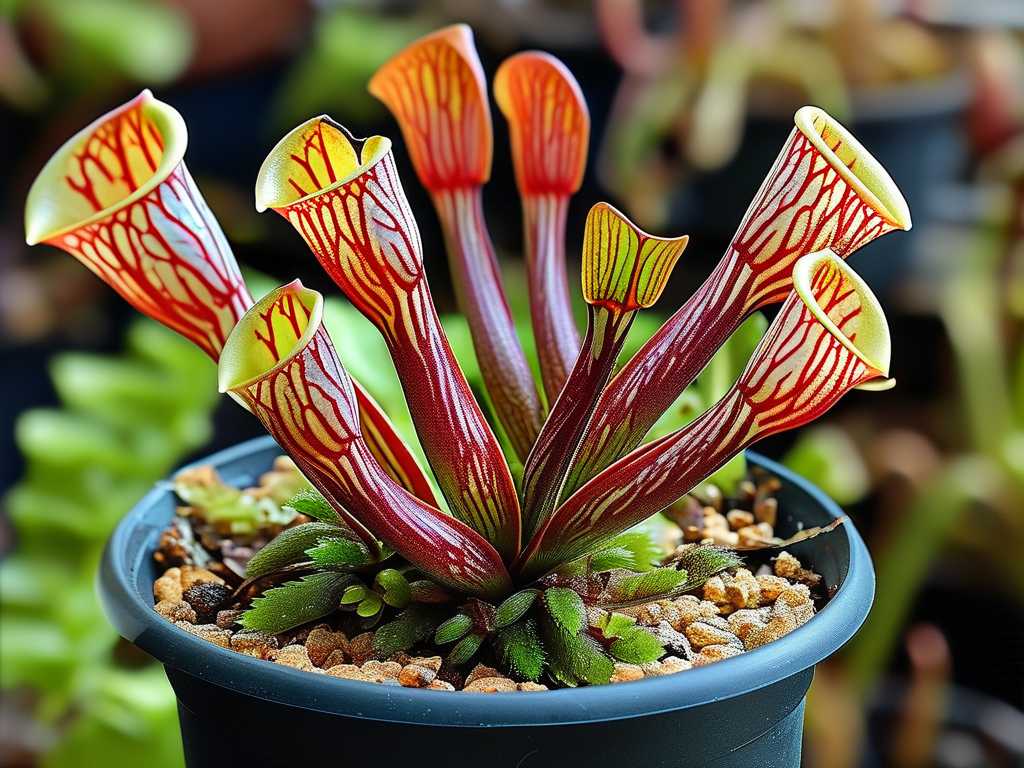
First, let’s clarify the problem. Sarracenia are native to the southeastern coastal plains of the United States, areas that indeed experience hot, humid summers. However, in cultivation, especially in containers, their roots are far more vulnerable to overheating than in the ground. Prolonged soil temperatures above 85°F (29°C) can cook the delicate roots, stunt growth, increase susceptibility to pests, and prevent the plant from producing its iconic pitchers. The goal isn’t to avoid heat entirely—that’s impossible—but to manage it intelligently, focusing on root zone cooling and strategic environmental adjustments.
Trick 1: Selecting the Right Heat-Tolerant Species and Hybrids
Not all Sarracenia are created equal when facing a heatwave. Your first and most critical decision is choosing genetically suited plants. After testing over a dozen types, I’ve found certain species and hybrids consistently outperform others in sustained heat.
- Sarracenia minor (Hooded Pitcher Plant) and Sarracenia psittacina (Parrot Pitcher Plant): These are your champions. Native to the deepest south, including Florida, they are evolutionarily adapted to hotter conditions. Their lower, rosette-growing pitchers seem to handle radiant heat better than tall, vase-shaped ones.
- Robust Hybrids (Sarracenia x moorei, Sarracenia x mitchelliana): Hybrid vigor is real. Complex hybrids, often involving S. leucophylla and S. flava, tend to be more adaptable and resilient to environmental stress, including heat. Look for cultivars known for their vigor.
- A Note on Sarracenia purpurea: While incredibly cold-hardy, the northern subspecies (S. purpurea subsp. purpurea) often struggles in extreme, dry heat. The southern subspecies (S. purpurea subsp. venosa) is a much better bet for warm climates.
I made the mistake of starting with a gorgeous S. flava var. rugelii. It grew beautifully in spring but nearly baked itself into stasis by mid-July. Switching my focus to S. minor and a vibrant S. x moorei ‘Dana’s Delight’ was a game-changer. Their growth remained active, and pitcher production continued throughout the summer.
Trick 2: Mastering the Art of Pot and Potting Mix for Cooling
This is arguably the most impactful trick I implemented. The standard plastic pot is a heat trap. My breakthrough came from adopting the “pot-in-pot” method and refining my media.
- The Technique: Place your actual growing pot (a breathable, light-colored fabric pot or a tall, white plastic pot) inside a larger, decorative ceramic or clay pot. The air gap between the two acts as superb insulation. I filled the bottom of the outer pot with a layer of clay pebbles (LECA), which further buffers temperature and can be wetted for evaporative cooling.
- The Potting Mix: Standard long-fiber sphagnum moss can compact and retain too much heat. I now use a much airier mix: a 50/50 blend of milled sphagnum peat moss and perlite, with a handful of orchid bark for extra aeration. This mix stays open, drains perfectly, and, most importantly, stays cooler. The International Carnivorous Plant Society (ICPS) notes that a well-aerated medium is crucial for preventing anaerobic conditions, which are exacerbated by heat.
- The Result: During a brutal two-week period with daily highs of 95°F (35°C), I monitored soil temps. In a standard black plastic pot, the root zone hit 102°F (39°C). In my white fabric pot inside a light ceramic outer pot, it maxed out at 87°F (30.5°C). The difference in plant health was dramatic.
Trick 3: Strategic Watering and the “Bog Tray” Hack
Water is your primary coolant. The traditional “keep them sitting in water” method needs a tweak for hot climates.
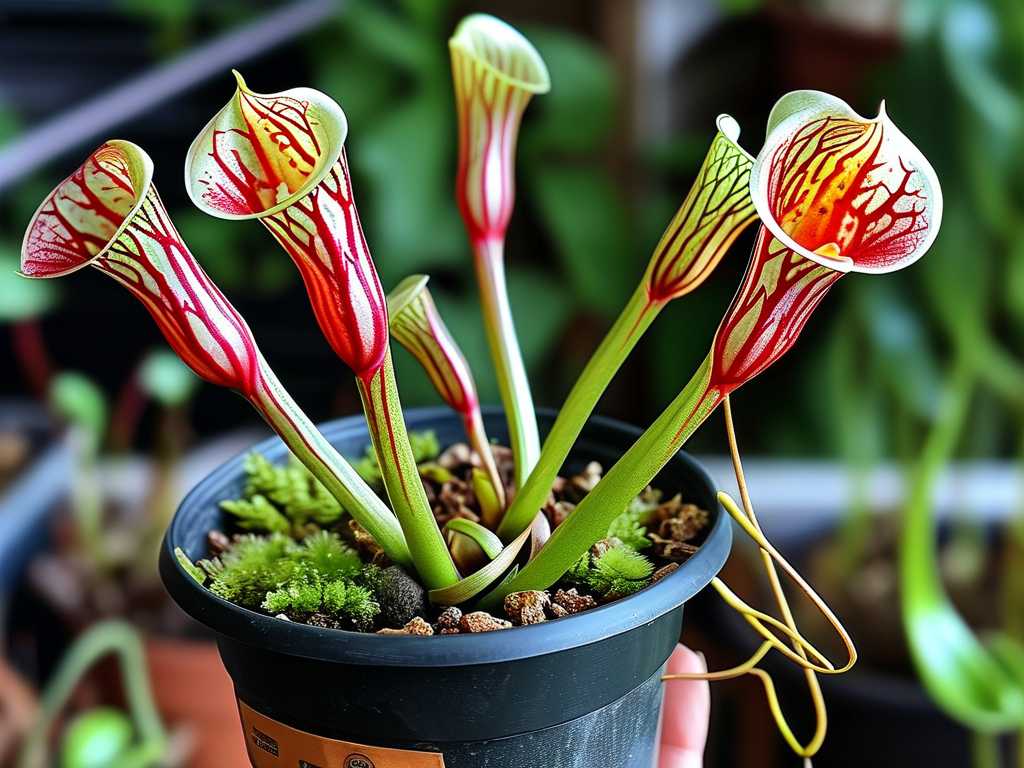
- The Deep Tray Method: Instead of a shallow tray with half an inch of water, I use trays that are 3-4 inches deep. I fill them to about 2 inches. This larger volume of water takes much longer to heat up, creating a more stable, cooler microclimate at the base of the pots through evaporation. It acts as a heat sink.
- Watering Timing and Quality: I top-water my plants in the early morning, directly over the soil. This flushes the medium of any accumulated minerals and brings the soil temperature down at the start of the day. I use only rainwater or distilled water, as recommended by all authoritative sources like the Carnivorous Plant Society and expert growers. TDS (Total Dissolved Solids) creep is a bigger issue in hot weather due to faster evaporation.
- My Mistake: I once let a shallow tray get low during a heatwave. The water became tepid, then hot, essentially “steaming” the roots of my S. psittacina. The plant went into shock, losing several pitchers. Maintaining that deep, fresh reservoir of cool water is non-negotiable.
Trick 4: Creating Intelligent Shade and Airflow
Full sun doesn’t have to mean brutal, overhead, noon sun. The aim is to provide the high light intensity Sarracenia crave while mitigating the most intense thermal load.
- Afternoon Shade is Key: My plants get direct, unfiltered sun from sunrise until about 1 PM. Then, I use a 30-40% shade cloth positioned to shield them from the intense afternoon sun (from 1 PM to 5 PM). This reduces leaf surface temperature significantly without sacrificing the light needed for photosynthesis and coloration.
- Promote Breeze: I elevated my plant stands to ensure air could circulate freely underneath the pots and through the foliage. Stagnant, hot air is a killer. A small, low-speed fan used during the hottest part of the day can prevent fungal issues and aid transpirational cooling. The American Sarracenia Society (ASHS) often discusses how good airflow is critical for preventing rot in humid, hot conditions.
Trick 5: Acclimation and Seasonal Timing
You can’t take a greenhouse-grown Sarracenia and throw it into a blazing July patio. Acclimation is everything.
- The Process: When I acquire a new plant in spring or summer, I start it in a spot with bright, indirect light and only morning sun for about a week. I gradually increase its direct sun exposure over 2-3 weeks. This allows it to build up protective pigments and adjust its physiology.
- Seasonal Observation: Over a dedicated 14-day observation period in early summer, I tracked two identical S. x mitchelliana hybrids. One was acclimated; one was not. The acclimated plant produced one new, fully-formed pitcher during that period. The non-acclimated plant halted new pitcher growth, and the edges of its existing pitchers showed slight scorching. The lesson was clear: a gentle introduction to your local intensity pays dividends.
Addressing Your Top Questions
Can I grow Sarracenia indoors in a hot climate? Yes, but it’s challenging. They require extremely high light—a strong grow light for 12-14 hours a day—and excellent airflow. A sunny, south-facing window is rarely enough. Outdoors, with the tricks above, is almost always more successful.
Do heat-tolerant Sarracenia still need a winter dormancy? Absolutely. This is non-negotiable. Cooler temperatures (35-50°F / 2-10°C) and reduced photoperiod for 3-4 months are essential for their long-term health and survival, even if your winters are mild. This rest period resets their growth cycle.
What’s the biggest sign my plant is suffering from heat stress? The most telling sign is a cessation of new pitcher production during the growing season, coupled with existing pitchers turning brown from the top down or developing soft, mushy patches at the base. Stunted, deformed new growth is another red flag.
Choosing and growing Sarracenia in warm climates is a deeply rewarding endeavor. It requires moving beyond the basic care sheet and thinking like an ecologist, managing the root zone temperature as your highest priority. By selecting resilient species, engineering a cooler pot system, leveraging water wisely, providing smart shade, and patiently acclimating your plants, you can create a microclimate where these predatory wonders will not just survive, but actively flourish. My collection is now a testament to this approach, buzzing with life and color even at the peak of summer. The journey from frustration to lush, pitcher-filled success is entirely within your reach.





