bluename
How to Choose Sarracenia for Cold Climates: 6 Frost-Hardy Tips
I’ve lost count of the times I’ve heard fellow plant enthusiasts sigh, “I’d love to grow pitcher plants, but our winters would kill them.” For years, I believed that too. The stunning Sarracenia, with their elegant, insect-trapping tubes, seemed destined only for warmer gardens. That was until I moved to a region with harsh, freezing winters and made it my mission to grow these carnivorous wonders successfully. Through trial, error, and a two-week observation period during a brutal cold snap, I’ve learned that selecting and caring for the right Sarracenia for cold climates is not only possible but incredibly rewarding.
The core challenge isn’t just about survival; it’s about helping these plants thrive and return each spring with vigor. The key lies in making informed choices from the very beginning. You can’t just pick any Sarracenia off the shelf and hope for the best. You need a strategy built on understanding their natural hardiness, providing the right soil, and mastering the art of winter protection. This guide is born from my hands-on experience, including the mistakes I’ve made and the solutions I’ve proven in my own garden.
Understanding Sarracenia Cold Hardiness: It’s in Their Genes
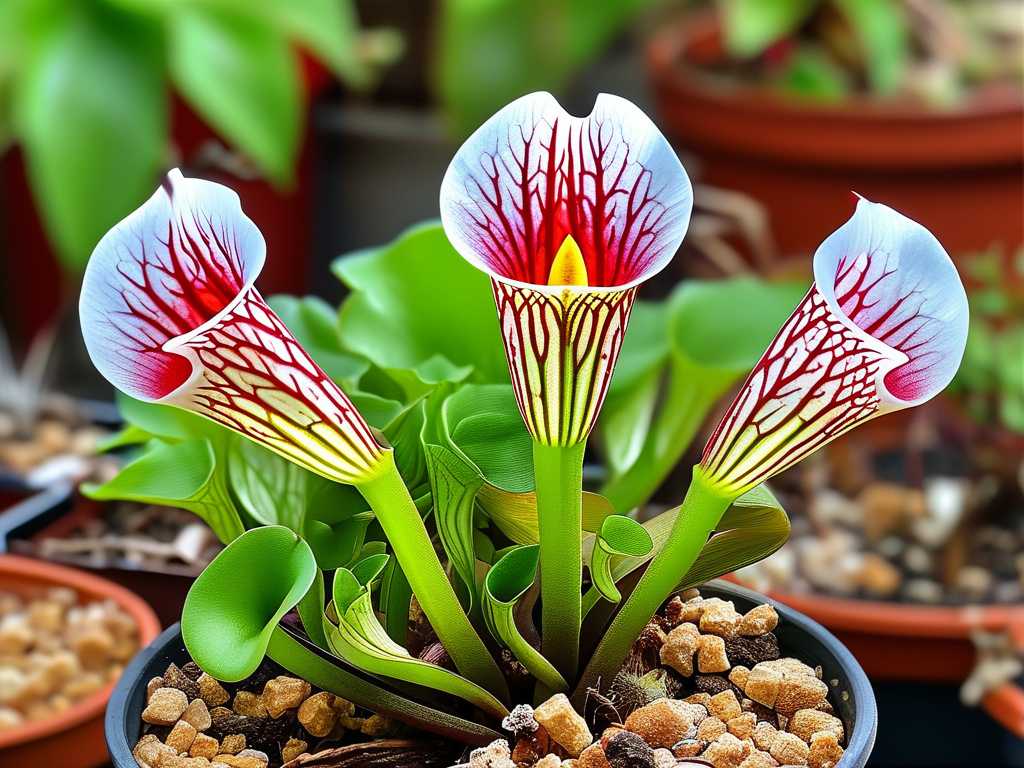
Not all pitcher plants are created equal when it comes to tolerating frost. Their ability to withstand cold is deeply encoded in their species origin. As experts from the International Carnivorous Plant Society (ICPS) and the North American Sarracenia Conservancy (NASC) emphasize, provenance is everything. Plants sourced from or bred from stock originating in northern parts of their native range (like the Great Lakes region or Canada) will inherently possess greater cold tolerance than those from the Gulf Coast.
During my research, I made my first major mistake. I purchased a beautiful Sarracenia psittacina (Parrot Pitcher Plant), lured by its unique form, without checking its origin. It was a Gulf Coast genotype. That plant struggled through its first mild winter and succumbed to a later frost. The lesson was clear: start with the tough guys.
My Top 6 Frost-Hardy Tips for Choosing and Growing Sarracenia
1. Select the Right Species and Hybrids
This is the most critical step. Focus on species known for their cold resilience. My top performers, which have weathered temperatures down to -20°F (-29°C) under mulch, are:
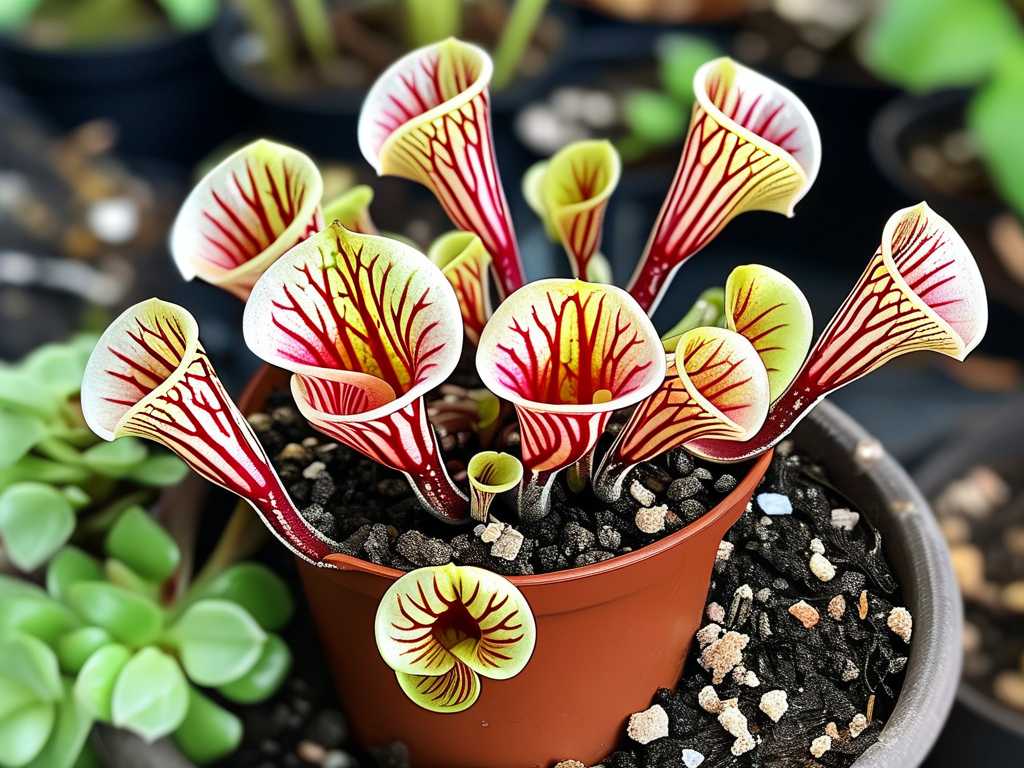
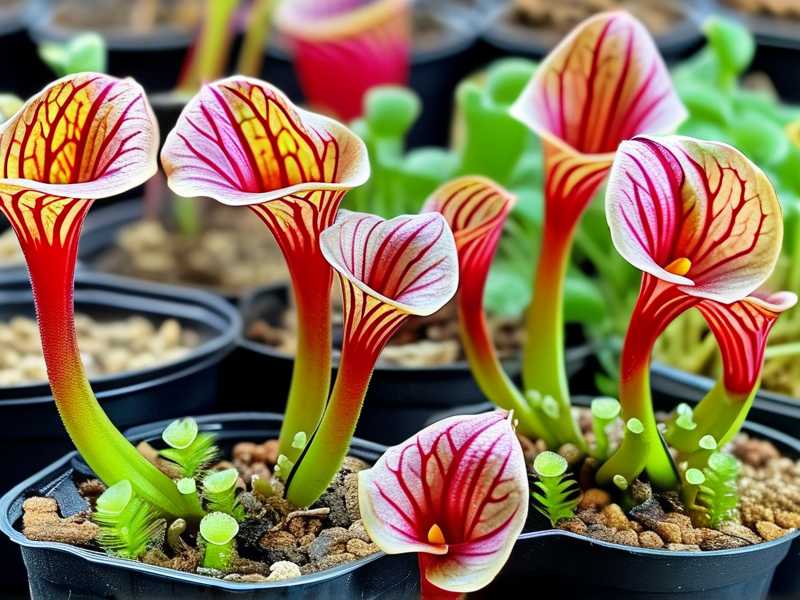
- Sarracenia purpurea subsp. purpurea: The champion of cold hardiness. This is the northernmost species, found naturally in Canadian bogs. Its low-growing, sprawling pitchers are built to handle deep freezes.
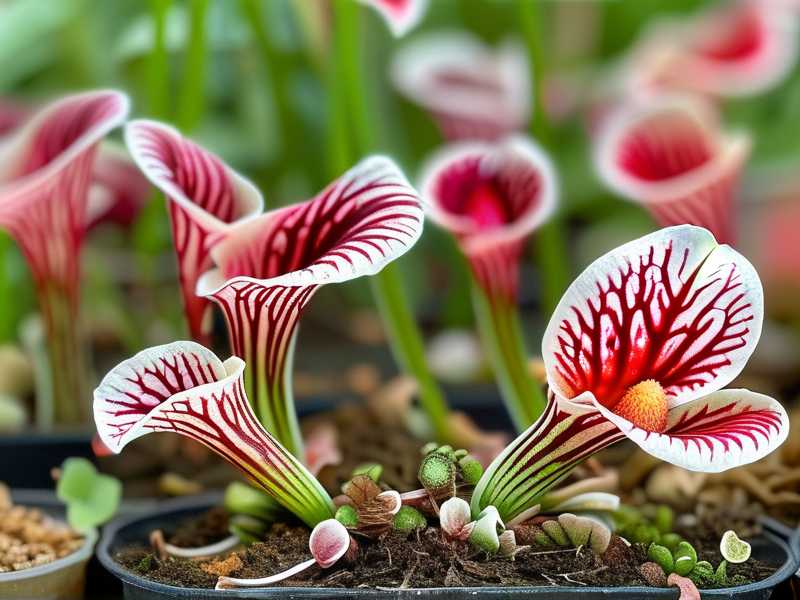
- Sarracenia rosea (formerly S. purpurea subsp. venosa): While slightly less hardy than its northern cousin, it’s still exceptionally tough and offers beautiful veination.
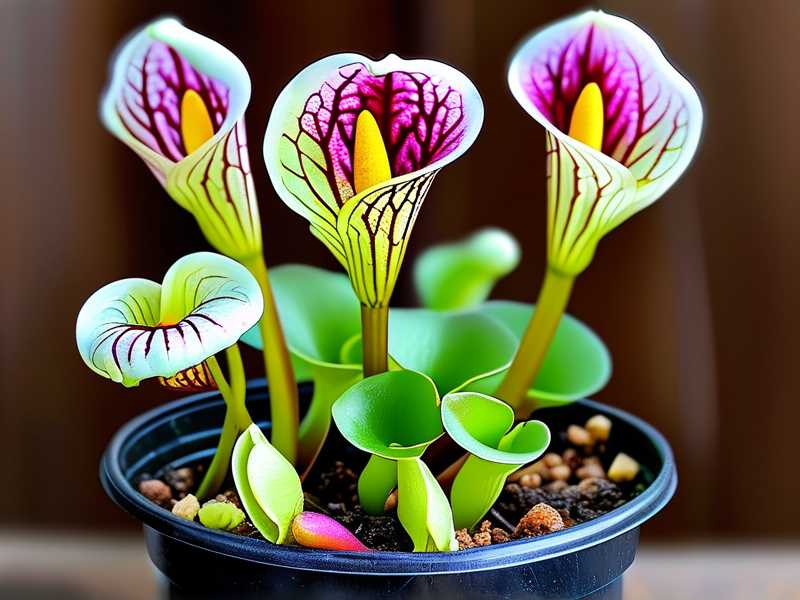
- Sarracenia flava (Yellow Pitcher Plant): Many clones, particularly from inland/mountainous populations, are surprisingly frost-tolerant. They add fantastic vertical accent.
- Hybrids with S. purpurea in their lineage: Look for hybrids like S. × catesbaei (flava × purpurea) or S. × readii (leucophylla × purpurea). The purpurea genetics confer significant hardiness.
I now have a bed dedicated to S. purpurea and S. flava hybrids. Watching their vibrant colors emerge unscathed every spring is my ultimate reward.
2. Prioritize Dormancy – It’s Non-Negotiable
Sarracenia require a winter dormancy period of 3-4 months with cooler temperatures. This isn’t a hardship; it’s a vital part of their life cycle that rejuvenates them for the next growing season. In cold climates, this happens naturally. The pitfall to avoid is trying to “protect” them by bringing them into a warm house. This deprives them of rest and will weaken or kill them over time.
I learned this through a two-week experiment. One winter, I left half my collection outdoors under protection (as I’ll describe next) and brought a few “favorite” pots into an unheated garage that occasionally warmed above 50°F (10°C). After two weeks, the outdoor plants were firmly dormant. The garage plants showed signs of etiolated, weak growth. By spring, the outdoor plants exploded with energy, while the garage plants were sluggish and prone to pest issues.
3. Master the Art of Winter Mulching
The goal isn’t to keep the plants warm, but to keep them consistently cold and insulated from damaging freeze-thaw cycles. Here’s my proven method:
- After the first few hard frosts, when the plants are fully dormant (pitchers may be partly brown), I cut back the old growth to about an inch above the rhizome. This prevents mold.
- I mound a thick, loose, non-compacting insulation over them. The best material I’ve used is pine needles or chopped oak leaves. They stay airy, don’t mat down, and are slightly acidic. I avoid peat moss for this top layer as it can smother when wet.
- The mound should be 6 to 12 inches deep. For potted plants, I also insulate the sides of the pot with bubble wrap or burlap and leaves.
- A simple plastic cover (like a clear storage bin lid propped up on sticks) over the mound prevents winter wetness—soggy, frozen crowns are a bigger killer than dry cold.
4. Plant in the Ground Where Possible
In-ground plantings offer superior temperature buffering compared to pots. The earth’s mass protects the rhizome from extreme temperature swings. I converted a sunny, boggy corner of my garden into a Sarracenia bed. After amending the native clay soil with a massive amount of peat moss and perlite (about a 50/50 mix by volume) to create an acidic, low-nutrient medium, I planted my hardy species directly. Their winter survival rate jumped from ~70% in pots to nearly 100% in the ground.
5. Source Plants from Reputable, Climate-Aware Nurseries
Always ask where the nursery’s parent stock originates. Specialist carnivorous plant nurseries that grow their plants from seed or division, and can tell you the provenance, are worth their weight in gold. I seek out nurseries that explicitly label plants as “cold-hardy” or “northern genotype.” This single practice has saved me more disappointment than any other.
6. Spring Uncovering: Patience is a Virtue
Resist the urge to uncover your plants at the first sign of warm weather in March. Late frosts can damage tender new growth. My rule is to wait until nighttime temperatures are consistently above freezing and the threat of a hard freeze has passed. I then gently remove most of the mulch, leaving a light scatter to suppress weeds. The plants know when to wake up.
Addressing Your Top Questions
Can I grow Sarracenia in pots in a cold climate? Absolutely. Follow the mulching and side-insulation tips closely. Use deep pots (at least 6-8 inches) to give the rhizome room and buffer temperature. The major drawback is that pots freeze solid more quickly than the ground, so consistent mulch coverage is even more critical.
My Sarracenia looks dead after winter. Is it? Don’t panic! They often look quite rough. Wait until late spring or even early summer before declaring it a loss. The rhizome underground is often still alive. I’ve had plants I’d given up on send up new pitchers in June. Gently dig around the rhizome; if it’s firm and white or pinkish, it’s alive.
Do I need to water them in winter? Almost never. Dormant plants in consistently cold, moist (not soggy) conditions require no additional water. The plastic cover trick prevents excessive wetness. Only if you have an unusually dry winter with no snow cover might you lightly water once, but this is rare.
Growing Sarracenia in cold climates is a deeply satisfying endeavor that shatters the myth that these plants are delicate. It comes down to a simple formula: choose genetically hardy plants, respect their need for dormancy, and protect them not from the cold, but from its extremes. By focusing on species like Sarracenia purpurea, providing intelligent insulation with mulch, and sourcing your plants wisely, you can enjoy the otherworldly beauty of frost-kissed pitchers and their vibrant return each spring. My garden, once thought too harsh, is now a testament to their resilience, filled with thriving pitchers that are the envy of visitors from much warmer zones.