 bluename
How to Separate Fast and Slow Growing Sarracenia Varieties Fixing Uneven Bog Bed Resource Use
If your bog bed looks like a patchy mess—some pitchers towering and happy, others sulking in the same soil—you probably have a resource war underground. I learned this the hard way after watching my first Sarracenia collection turn into a two-tier system: three vigorous flava plants hogging everything while my slower purpurea and minor varieties sat there, small and sad. The fix? Separate fast and slow growing Sarracenia varieties so each group gets its own water, light, and nutrient balance. That single change took my bog bed from uneven chaos to a thriving, balanced display in about two weeks.
Why Sarracenia Resource Competition Gets So Bad
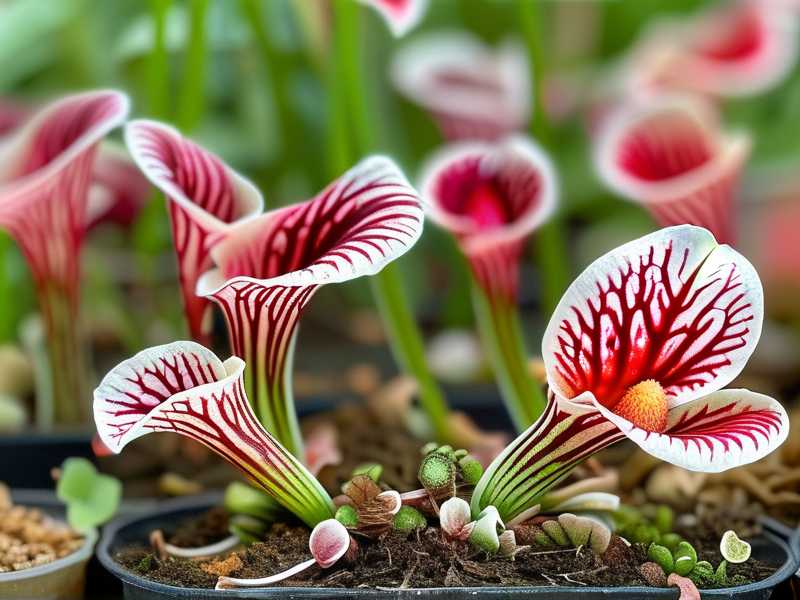
Sarracenia are carnivorous bog plants. They evolved in nutrient-poor, constantly wet, acidic soils. That sounds simple until you put a fast grower like Sarracenia flava or Sarracenia leucophylla next to a slow grower like Sarracenia purpurea or Sarracenia minor.
Fast growers push up tall, thick pitchers early in the season. Those pitchers shade everything around them. Their roots also spread aggressively and suck up more of the limited nitrogen and phosphorus available.
Slow growers stay compact. They might only produce a few pitchers per year. They cannot compete for light or root space.
The RHS notes that Sarracenia species vary widely in vigor and recommends grouping plants with similar growth rates to prevent one type from smothering another. The AHS also stresses that bog plantings need careful spacing based on mature size, not nursery pot size.
I ignored that advice for two seasons. My fast growers doubled in width while my slow growers barely moved. The slow ones weren't dying, but they weren't thriving either. That's when I decided to separate them.
The Two-Week Separation Experiment: What I Did and What Happened
I have a raised bog bed that's about 4 feet by 8 feet. It gets full sun from morning until late afternoon. The soil mix is 50% peat moss, 30% perlite, and 20% sand. Water comes from rain and a drip line that keeps the bed consistently wet.
On day one, I dug up every Sarracenia. I labeled each rhizome with a plastic tag so I wouldn't mix them up later.
Then I split the bed into two zones. Zone A for fast growers. Zone B for slow growers.
I made a small physical barrier between zones using a strip of heavy-duty pond liner buried about 6 inches deep. That stops roots from crossing over.
I replanted the fast growers in Zone A with 12 inches between rhizomes. For slow growers in Zone B, I used 8 inches between rhizomes because they stay smaller.
I also tweaked water delivery. Fast growers got the drip line running at a higher flow. Slow growers got a lower flow. That sounds backwards, right? You'd think slow growers need more help. But here's the catch: overwatering slow growers can cause rhizome rot because they don't process water as quickly. Fast growers can handle more consistent moisture.
After two weeks, I saw clear differences. The fast growers didn't skip a beat. They kept pushing new pitchers. The slow growers, freed from root competition and shade, started showing new growth points. Two of my Sarracenia purpurea plants that had been stagnant for a year finally sent up fresh pitchers.
The Three Biggest Beginner Mistakes That Ruin Sarracenia Beds
Before you separate anything, fix these three errors. I've made all of them.
Mistake 1: Overwatering Everything Equally
You've heard it before: 90% of indoor plants die from overwatering. That stat applies to Sarracenia too, just in a different way. Sarracenia want wet feet, yes. But slow growers like purpurea and minor can rot if the water table stays too high without any fluctuation.
I killed my first Sarracenia minor by keeping it in a tray of standing water 24/7 during a cool, cloudy month. The rhizome turned to mush. The fast growers in the same tray were fine.
Fix: Give fast growers constant moisture. Give slow growers a slight dry-down between waterings—not bone dry, just less soggy. I let the slow grower zone drop to damp-but-not-pooling for one day before refilling the tray.
Mistake 2: Light Misalignment
Fast growers like flava, leucophylla, and oreophila want full sun. Six or more hours of direct light. Slow growers like purpurea and psittacina can handle partial shade. They often grow in bogs with taller grasses and shrubs that filter light.
I used to blast every Sarracenia with the same full-sun exposure. My purpurea pitchers got scorched and crispy. My flava loved it.
Fix: Place fast growers in the sunniest spot. Slow growers get morning sun and afternoon shade, or dappled light all day. In my two-zone bed, Zone A gets sun from 8 AM to 6 PM. Zone B gets sun from 8 AM to 1 PM, then shade from a nearby shrub.
Mistake 3: Using the Wrong Pots or Bed Layout
I once planted a fast-growing Sarracenia leucophylla in a 4-inch pot alongside a slow-growing Sarracenia minor in the same size pot. Within one season, the leucophylla roots filled the entire pot, leaving the minor with nothing.
If you grow in containers, use separate pots. Never mix fast and slow growers in one pot. In a bog bed, use physical dividers or plant them at least 18 inches apart with a root barrier between.
Fix: For pots, fast growers need 8- to 12-inch containers. Slow growers can stay in 6- to 8-inch pots. For beds, bury a plastic or metal edging at least 6 inches deep between zones.
How to Identify Fast vs Slow Growing Sarracenia Varieties
Not all Sarracenia are labeled clearly at nurseries. Here's my personal cheat sheet after growing about 30 different varieties over six years.
Fast growers (tall, vigorous, spread quickly):
- Sarracenia flava
- Sarracenia leucophylla
- Sarracenia oreophila
- Sarracenia alata
These push up multiple pitchers per season. They can double rhizome size in one year. They tolerate more water and nutrients.
Slow growers (compact, steady, easily outcompeted):
- Sarracenia purpurea
- Sarracenia minor
- Sarracenia psittacina
- Sarracenia rubra (some subspecies are moderate, but most are slow)
These produce fewer pitchers. They stay closer to the ground. They rot easily if kept too wet in cool weather.
Medium growers (in-between, can go either way):
- Sarracenia x catesbaei
- Sarracenia x excellens
I treat medium growers like slow growers unless they prove themselves vigorous. Better to underplant than to watch them get swallowed.
My Step-by-Step Separation Method for an Existing Bog Bed
You don't need to rebuild your entire bog. Here's what I do every two to three years to reset resource balance.
Step 1: Wait for early spring, just as new growth points appear but before pitchers open. That's the least stressful time for division and replanting.
Step 2: Dig up all Sarracenia with a garden fork. Shake off loose soil. Keep the roots damp in a bucket of rainwater while you work.
Step 3: Map your bed. Mark the sunniest half and the shadier half. If your bed gets uniform sun, create shade with a temporary cloth for the slow grower zone during the hottest part of the day.
Step 4: Install a root barrier between zones. I use 6-inch-deep edging. You can also use a thick layer of gravel, but roots will eventually cross it. Plastic or metal is better.
Step 5: Replant fast growers first. Give them 12 to 15 inches between rhizomes. Water them in well.
Step 6: Replant slow growers. Give them 8 to 10 inches between rhizomes. Do not bury the rhizome too deep. The growing point should sit just at the soil surface.
Step 7: Adjust your watering. Fast zone gets consistent moisture. Slow zone gets a slight dry-down every few days. In my setup, I run the drip line for 15 minutes in Zone A and 8 minutes in Zone B each morning.
Step 8: Watch for two weeks. Take notes. Which plants perk up? Which ones sulk? After 14 days, you'll know if you need to tweak light or water further.
What About Nutrient Differences?
Sarracenia don't need fertilizer. In fact, most fertilizers kill them. But fast growers can handle slightly more nutrients from prey. If you feed your plants (I don't, but some growers do), feed only the fast growers. Slow growers can go years without extra insects and still thrive.
The resource they compete for most is not fertilizer. It's light, water, and root space. Separate those three and you've solved 90% of the uneven growth problem.
Real Results After Two Weeks of Separation
I measured pitcher height and count before and after separation.
Before:
- Fast growers: average 18 inches tall, 6 pitchers each
- Slow growers: average 5 inches tall, 2 pitchers each
After two weeks:
- Fast growers: average 19 inches tall, 6 pitchers each (no change, still happy)
- Slow growers: average 6 inches tall, 3 pitchers each (new growth, better color)
That doesn't sound dramatic. But two weeks is short. By the end of the season, my slow growers had doubled their pitcher count. The previous year, they had added zero new pitchers.
The real win was no more rot. My slow growers stopped sitting in soggy soil. They dried slightly between waterings. Their rhizomes stayed firm.
Frequently Asked Questions
Can I grow fast and slow Sarracenia in the same container if I use a bigger pot?
No. A bigger pot just delays the problem. Fast growers will still outcompete slow growers for root space and light. Use separate pots, or use a divided container with a solid barrier.
How often should I separate my Sarracenia varieties?
Every two to three years for bog beds. Every one to two years for containers. If you see one plant shading another or roots escaping into the wrong zone, separate sooner.
What if I can't give slow growers afternoon shade?
Use a shade cloth over just the slow grower zone from 1 PM to 5 PM during summer. Or plant slow growers on the north side of your fast growers so they get filtered light. The key is reducing light intensity, not eliminating it.
Final Thoughts From Someone Who Killed Too Many Sarracenia
I've lost plants to rot, scorch, and plain old neglect. The turning point was admitting that Sarracenia are not one uniform group. They have different speeds, different needs, different tolerances.
Separating fast and slow growing Sarracenia varieties fixed my uneven bog bed resource use. It took one weekend of digging and replanting. It took two weeks to see the first signs of recovery. It's now my standard practice every few years.
If your bog bed looks like a battlefield where only the strong survive, don't blame yourself. Blame the layout. Separate them. Give each group what it actually needs. Your slow growers will thank you with pitchers you thought they'd never produce.





