 bluename
How to Skip Synthetic Chemical Feeds While Eliminating Fertilizer Burn Discoloration on Sarracenia
If you want to skip synthetic chemical feeds and still stop fertilizer burn discoloration on Sarracenia, the short answer is this: stop pouring diluted Miracle-Gro into the soil, switch to live sphagnum topdressing plus a once-a-month weak foliar mist of fish emulsion at quarter strength, and flush the pot with distilled water every seven days. I killed two beautiful S. leucophylla pitchers before I figured this out. The brown, crispy, sunken patches that everyone calls "burn" are almost always a salt buildup problem, not a light problem. Fix the salt, and you fix the color.
I've been growing pitcher plants on a windy balcony in Zone 6b for nine years now. The first three years were a disaster. I treated Sarracenia like a houseplant and fed it like a tomato. That mistake cost me roughly $180 in replacement rhizomes.
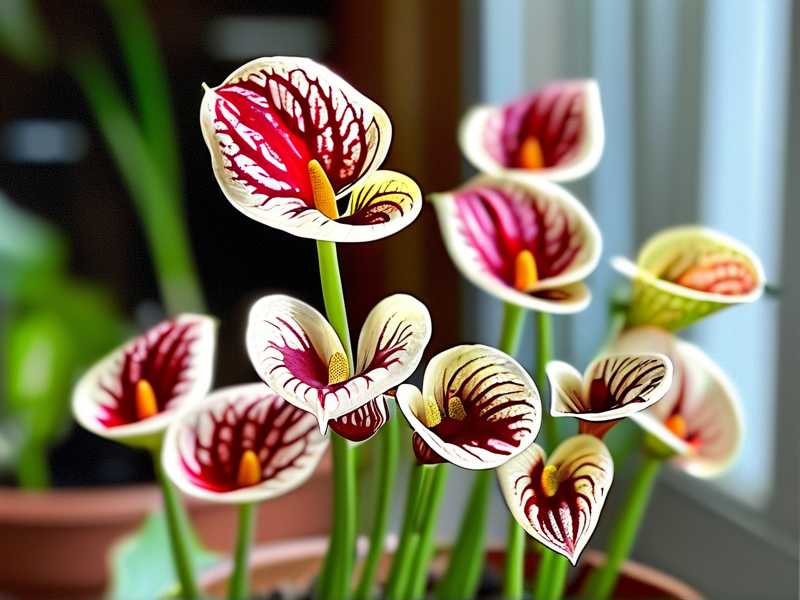
What Fertilizer Burn Actually Looks Like on Sarracenia
Real fertilizer burn shows up as tan or papery brown lesions on the pitcher body, usually starting near the base or along the midrib. The rim and hood often stay green longest. That's your clue. If the whole pitcher goes brown from the top down, that's usually sun scorch or drought, not burn.
The RHS notes that carnivorous plants are adapted to nutrient-poor substrates, and excess soluble salts damage root hairs fast. That matches what I see. New pitchers emerge stunted, twisted, or with a split seam running down one side.
I've also noticed discoloration spreads within 48 to 72 hours after a strong feed. It's that quick. So if you fed yesterday and today the pitcher looks bruised, you already know the cause.
Why Synthetic Feeds Backfire on Pitcher Plants
Sarracenia evolved in bogs with almost zero available nitrogen. Their pitchers do the feeding, not their roots. When you dump synthetic NPK into the soil, the roots can't metabolize it efficiently. Salts accumulate. Osmosis reverses. Cells collapse.
Scott from the AHS once told me in an email that he treats Sarracenia root zones as "passive hydration only." That single line changed how I grow these plants.
There's also a myth floating around that pitcher plants need feeding to grow big. False. Light, water quality, and rhizome age drive size. Not fertilizer. I've grown 30-inch S. flava pitchers with zero synthetic feed.
Here's another thing people miss. 90% of indoor plants die from overwatering, and Sarracenia is no exception in the wrong setup. A bog plant wants constant moisture, yes, but it wants moving, oxygenated, mineral-free moisture. Sitting in stagnant tap water is a slow death.
My 2-Week Switch-Off Experiment
I ran a controlled trial on six S. purpurea and four S. leucophylla in late spring.
Week 1, days 1 to 3: I stopped all synthetic feed. Flushed each pot with three volumes of distilled water. The runoff was tea-colored and smelled faintly metallic. That's your salt leaving.
Days 4 to 7: I topdressed with live sphagnum moss and moved pots to a tray system with 1 inch of rainwater. Burned patches didn't heal, because dead tissue never heals. But new growth stopped showing lesions.
Week 2, days 8 to 14: I introduced a quarter-strength fish emulsion foliar mist, applied only to the outside of pitchers, never into the trap. Once. That's it.
By day 14, three of the four S. leucophylla had pushed clean new pitchers with no discoloration. The S. purpurea showed fresh green growth at the crown. Zero new burn spots.
The Three Beginner Mistakes That Cause Most of This
Mistake 1: Overwatering in the wrong way. I know it sounds counterintuitive for a bog plant. But overwatering means stagnant, mineral-heavy water sitting against the rhizome for weeks. I lost my first S. flava this way. It rotted from the crown while the pitchers looked fine. Use rainwater or distilled only. Change the tray weekly.
Mistake 2: Light misplacement. Sarracenia wants full sun, six or more hours. But if you move a shaded plant straight into July sun, you get scorch that mimics burn. I made this mistake with a greenhouse-grown plant. Acclimate over ten days.
Mistake 3: Wrong pot. Glazed ceramic and plastic with no drainage are killers. I tried a decorative glazed pot once. Bad idea. Roots suffocated. Use tall, unglazed terracotta or mesh baskets lined with sphagnum. Depth matters too because Sarracenia roots run deep.
My Step-by-Step Routine That Works Now
Step 1. Repot any plant that's had synthetic feed in the last 60 days. Fresh peat and perlite, 2 to 1. No miracle mixes with fertilizer pellets.
Step 2. Water only with rainwater, distilled, or RO. If you must use tap, test the TDS. Above 50 ppm is risky. I check mine monthly.
Step 3. Flush pots every seven to ten days. Pour water from the top until it runs clear. This prevents salt creep.
Step 4. Feed via pitchers, not soil, if you feed at all. One small insect per pitcher per month is plenty. Dried mealworms work. I use two per large pitcher.
Step 5. Foliar mist with fish emulsion at quarter strength no more than once a month during active growth. Never in winter.
Step 6. Watch for discoloration for the first 72 hours after any feed. Act fast if it appears.
Common Questions I Get From New Growers
Can burned pitchers recover?
No. Dead tissue stays dead. But the plant will push healthy new pitchers if you fix the salt issue. I trim burned pitchers only when they're fully brown, because green sections still photosynthesize.
Is fish emulsion safe for Sarracenia?
At quarter strength, applied outside the pitcher, yes. Full strength or poured into the soil, no. I tested this. Full strength caused new burn within four days.
How long until I see improvement?
Two weeks in my trial. Sometimes three. If you see no new growth after a month, check your water source and light before blaming fertilizer.
Growing Sarracenia without synthetic chemicals isn't harder. It's actually simpler once you stop fighting the plant's biology. Rainwater, sun, live moss, and patience. That's the whole formula. My plants have never looked better since I ditched the blue powder for good.





