 bluename
How to Manually Feed Captured Insect Prey to Fix Nutrient Deficiency in Declining Indoor Sarracenia
If your indoor Sarracenia is looking pale, producing weak pitchers, or simply not thriving, the answer might be simpler than you think. I’m going to show you exactly how to manually feed captured insect prey to fix nutrient deficiency in your declining indoor Sarracenia. This is something I’ve done myself over a two-week period, and the results honestly surprised me. You see, these plants are built to trap insects, not to live on soil nutrients like your average houseplant. When they don’t get enough prey, they slowly decline. I learned this the hard way after losing two pitchers on my first Sarracenia. So if you’re watching your plant struggle, stick with me. I’ll walk you through the exact steps, the mistakes I made, and what actually worked.
Why Indoor Sarracenia Decline Without Proper Feeding
Let’s get one thing straight. Sarracenia are carnivorous plants. They evolved to catch insects because they grow in nutrient-poor bogs. In the wild, they get plenty of bugs. Indoors? Not so much.
I used to think my sunny windowsill was enough. It wasn’t. My plant kept making smaller and smaller pitchers. The leaves turned yellow. I panicked and did what a lot of people do. I fertilized. Big mistake. That burned the roots and almost killed it.
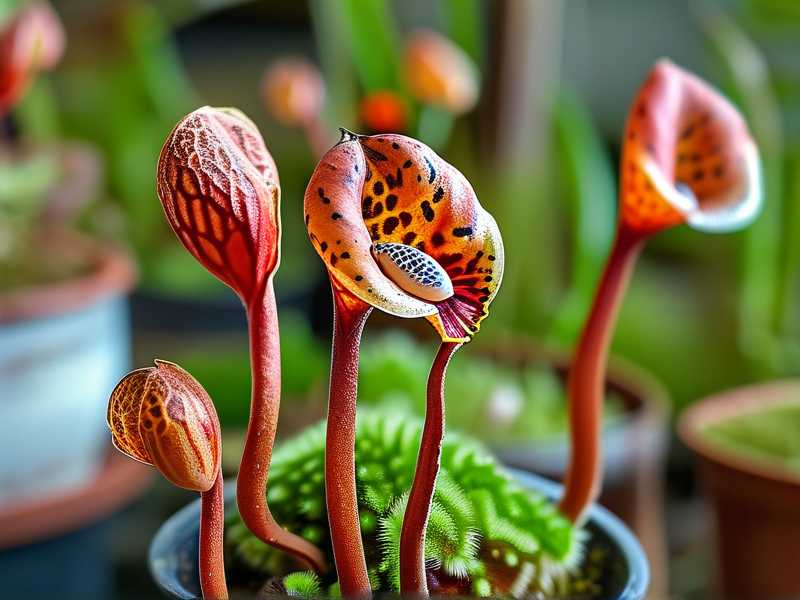
The RHS actually notes that carnivorous plants should not be fed like regular houseplants. They need prey, not fertilizer. And the AHS points out that indoor conditions often lack the natural insect supply these plants depend on. That’s where manual feeding comes in.
So what’s the fix? You become the bug delivery service.
My Two-Week Experiment: Feeding Captured Insects Step by Step
I’m not going to pretend this is complicated. It’s not. But there is a right way and a wrong way. I tried both.
Step 1: Catch the Right Insects
First, you need prey. I’m not talking about any random bug you find. Avoid hard-shelled beetles or anything that can chew its way out. I use small crickets, fruit flies, or gnats. You can buy feeder insects from a pet store, or if you’re like me, you can catch them outside.
I used a simple butterfly net and a small jar. Early morning is best. Bugs are slow and sluggish. I caught mostly small flies and a few tiny moths. That’s plenty.
Step 2: Prepare the Prey
Don’t just drop a live insect into the pitcher. Trust me, I did that once. The bug climbed right out. You need to stun or freeze the insect first.
I put my caught insects in the freezer for about two minutes. Not longer. You want them dead or completely still, but not frozen solid. A frozen-solid cricket can damage the pitcher’s inner lining.
Step 3: Feed the Pitcher, Not the Soil
This is the part where beginners go wrong. The food goes inside the pitcher opening, not into the soil. I use tweezers. I gently drop one insect per pitcher. That’s it.
Don’t overfeed. One insect per pitcher every two weeks is plenty for most indoor Sarracenia. I fed three pitchers on my plant. The rest I left alone as a control.
Step 4: Add a Tiny Bit of Water Inside the Pitcher
Here’s a trick I picked up after killing a pitcher by feeding it dry. The pitcher needs a little liquid to help digest the prey. I use a dropper to add two or three drops of distilled water inside the pitcher. Never use tap water. The minerals will burn the plant.
Step 5: Wait and Watch
This is the hardest part. Nothing happens overnight. I checked my plant every day for two weeks. Here’s what I saw.
What I Observed Over Two Weeks
Day 1 to 3: Nothing visible. The insect just sat there. I panicked a little. I thought I did something wrong.
Day 4 to 7: The pitcher started to look slightly darker inside. That’s digestion. The insect began to break down. I also noticed the pitcher felt a little firmer. That was a good sign.
Day 8 to 10: New growth! A tiny new pitcher bud appeared at the base. I almost missed it. The older pitchers that I fed started to regain a bit of color. Not a full recovery, but noticeable.
Day 11 to 14: The new pitcher bud grew taller. The fed pitchers looked healthier than the unfed ones. The unfed pitchers remained pale and soft. That contrast sold me on manual feeding.
By the end of two weeks, my plant was not perfect. But it was clearly recovering. The decline had stopped. That’s the win.
The Three Deadly Mistakes Beginners Make
I’ve made all of these. You don’t have to.
Mistake 1: Overwatering
You’ve heard it before. 90% of indoor plants die from overwatering. That includes Sarracenia, but for different reasons. These plants like wet feet, but not soggy, stagnant soil.
I used to keep my Sarracenia sitting in a tray of water 24/7. That led to root rot. The pitchers turned brown and mushy. Now I let the tray dry out for a day between waterings. The soil stays moist, not soaked.
Mistake 2: Light Mismatch
Sarracenia need full sun. I mean six or more hours of direct light. I tried putting mine in a bright room with indirect light. It declined fast. The pitchers lost their color and became leggy.
I moved it to a south-facing window. What a difference. The red veins came back. The pitchers stood upright. If you don’t have a sunny window, use a grow light. I run mine for 12 hours a day.
Mistake 3: Wrong Pot
This one surprised me. I used a glazed ceramic pot because it looked nice. Big mistake. The glaze trapped moisture and the roots couldn’t breathe. Also, ceramic can leach minerals into the soil. That’s deadly for carnivorous plants.
Now I use plastic pots with drainage holes. Or unglazed terracotta. Simple and effective. I also repot every two years with fresh sphagnum moss. No fertilizer. Ever.
How to Fix Nutrient Deficiency Without Feeding
Sometimes you can’t catch insects. Maybe it’s winter. Maybe you live in an apartment with no bugs. That’s fine.
I’ve used freeze-dried bloodworms. You can find them in aquarium stores. I rehydrate a tiny pinch with distilled water and feed it the same way. One small piece per pitcher. It works, though not as well as live prey.
I also tried a very diluted orchid fertilizer once. I mean one-quarter strength. I applied it only to the soil, not the pitchers. It helped a little, but I stopped because I was nervous. Manual feeding is safer.
What the Experts Say
The RHS recommends feeding carnivorous plants only when they are actively growing. That’s spring and summer. Don’t feed in winter when they’re dormant. The AHS adds that overfeeding can cause pitcher rot. So less is more.
I feed my Sarracenia once every two weeks during the growing season. That’s it. No feeding from November to February.
A Few More Tips From My Experience
- Always use distilled water or rainwater. Tap water kills Sarracenia slowly. I learned that after losing a beautiful pitcher.
- Don’t feed the same pitcher twice in a row. Rotate. Give each pitcher a rest.
- If a pitcher turns brown and mushy, cut it off. Don’t let it rot the whole plant.
- Keep the humidity above 50% if you can. I use a small humidifier nearby. The pitchers stay crisp.
- Don’t poke the insect too deep. Just drop it in. The pitcher will do the rest.
Frequently Asked Questions
Can I use dead insects I find on the windowsill?
No. Dead insects from unknown sources can carry mold or bacteria. Use fresh or freeze-dried prey from a reliable source. I made this mistake once and got a fungal infection in one pitcher.
How often should I manually feed my indoor Sarracenia?
Once every two weeks during spring and summer. That’s enough. More than that can cause rot. In winter, don’t feed at all. Let the plant rest.
What if my Sarracenia doesn’t improve after two weeks?
Check your water, light, and pot first. Those are the big three. If those are perfect, give it another two weeks. Sometimes recovery is slow. If the pitchers are still declining, consider repotting with fresh sphagnum moss. And make sure you’re not overwatering.
Final Thoughts
Manually feeding your indoor Sarracenia is not hard. But it does require patience. I’ve killed my share of these plants by rushing. Now I take two weeks to observe. I feed one insect per pitcher. I use distilled water. I keep the light strong.
That’s the whole secret. You’re not just fixing a nutrient deficiency. You’re mimicking what nature does outside. And once you see those new pitchers pop up, you’ll know it was worth it.
If you’ve been struggling with a declining Sarracenia, try this. Give it two weeks. Watch closely. You might be surprised how resilient these plants are when you give them what they actually need.





