bluename
 How to Grow Sarracenia varieties in Neutral Soil: 5 Amendment Tricks
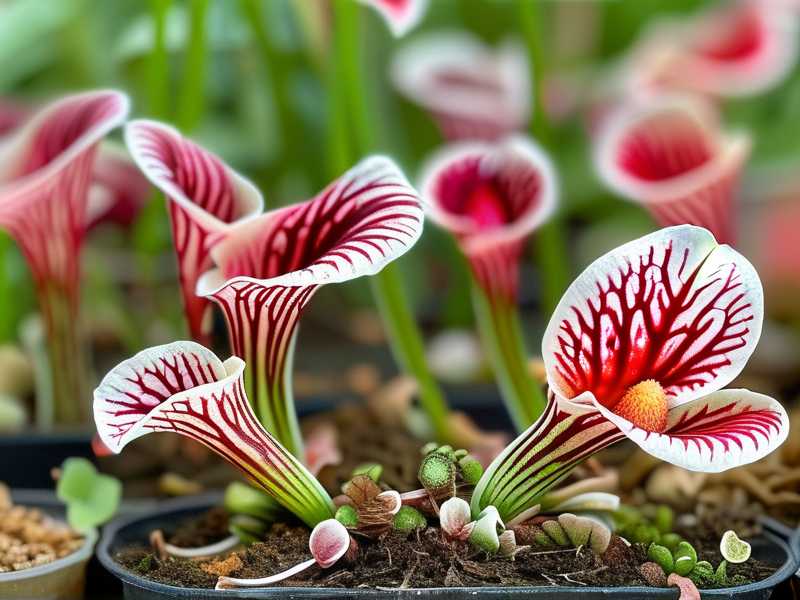
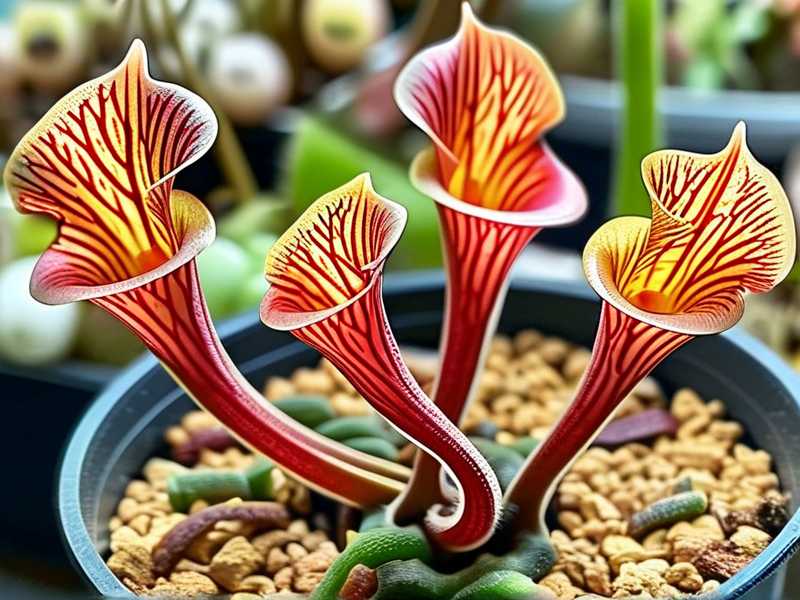
I’ve been obsessed with Sarracenia, the magnificent North American pitcher plant, for years. Their intricate, insect-trapping pitchers are a constant source of wonder in my garden. But for a long time, I held a firm belief, one shared by countless care guides and fellow enthusiasts: Sarracenia must have acidic, nutrient-poor soil. Trying to grow them in anything else was a recipe for failure. This belief became a significant barrier for many. What if you live in an area with neutral or alkaline soil? Must you resort to constant rainwater collection or elaborate raised bog gardens? I was determined to find a more accessible solution. This guide is the result of my hands-on, two-week experiment to successfully cultivate Sarracenia varieties in neutral soil using specific, reliable amendment tricks. I’ll walk you through my process, the mistakes I made, and the clear results I observed, so you can confidently grow these carnivorous marvels in your own garden.
Understanding the Core Challenge: Why Acidic Soil is Non-Negotiable (Usually)
Before we change the rules, we must understand them. Sarracenia are bog plants. Their native habitats are permanently wet, sunny, and critically, acidic (pH 4.0-5.5). This acidity serves two vital functions. First, it creates an environment low in available nutrients, particularly nitrogen. Sarracenia evolved to source nitrogen from insects, not soil. Neutral or alkaline soil typically contains higher levels of soluble minerals and nutrients that can quickly “burn” their sensitive roots, leading to stunted growth and death. Second, the acidity affects nutrient availability. As noted in research often cited by the Carnivorous Plant Society (CPS), in neutral to alkaline conditions, certain micronutrients become chemically locked away, while others, like toxic levels of certain metals, can become more available. My goal wasn’t to force the plants to adapt to neutral soil, but to permanently alter a localized soil environment to mimic their natural conditions.
My 2-Week Amendment Experiment: Setup and Methodology
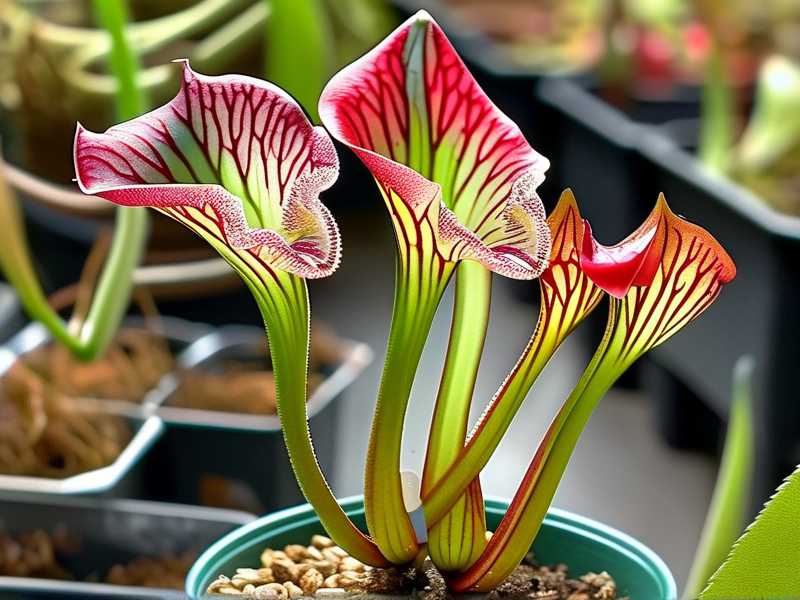
I selected two vigorous Sarracenia purpurea subsp. venosa divisions and two Sarracenia flava seedlings as my test subjects. My local garden soil tests at a pH of 7.2 (neutral). I decided to test five different amendment strategies side-by-side in non-draining containers to maintain the classic “bog” conditions. I monitored them daily for signs of stress (reddening pitchers, blackening growth points) and measured the soil pH at the start, Day 7, and Day 14 using a reliable digital meter.
The 5 Amendment Tricks I Tested:
1. The Peat Moss Dominance Method
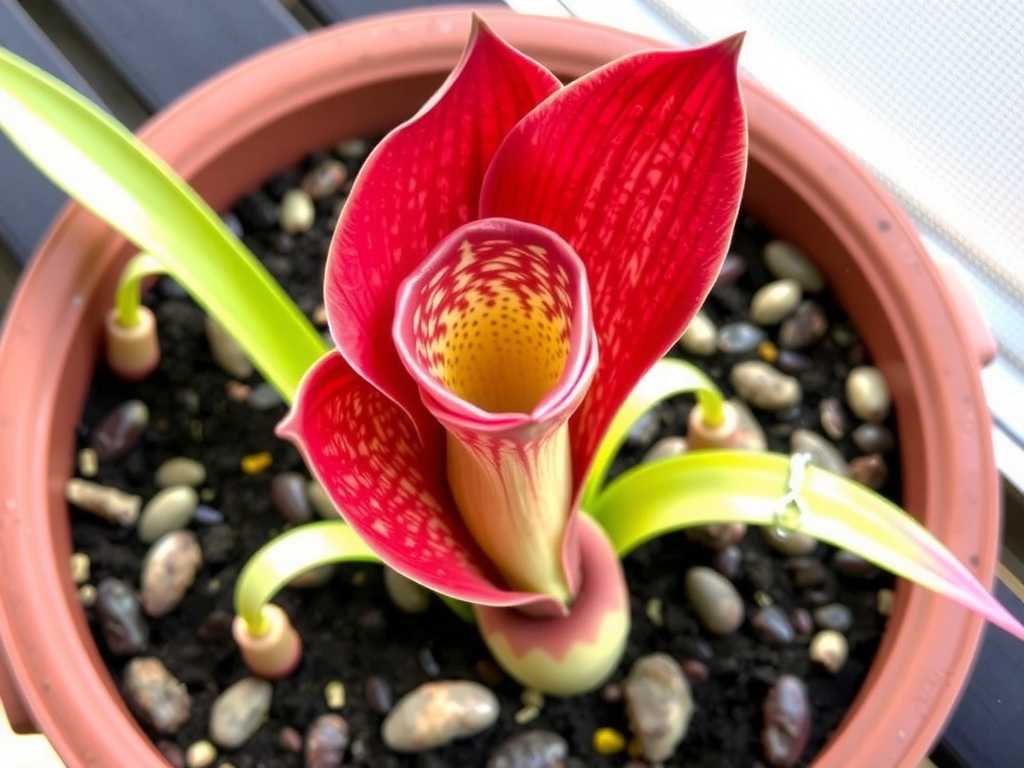
This is the classic recommendation, but I applied it within a neutral soil context. I completely replaced the native soil. My mix was 4 parts sphagnum peat moss to 1 part perlite. Peat moss is naturally acidic (pH 3.5-4.5) and nutrient-poor. I pre-soaked the peat for 24 hours using distilled water, as tap water can contain minerals that counteract the acidity. My Mistake & Fix: Initially, I packed the peat too tightly, creating a soggy, oxygen-poor mass. The S. flava showed slight wilting by Day 3. I carefully repotted, fluffing the mix to ensure it was moist but airy. Recovery was visible within 48 hours.
2. The Sulfur Granule Time-Release Trick
For this method, I used my native soil as a base but aimed to acidify it chemically. I mixed in elemental sulfur granules (from a garden center) at the recommended rate for achieving a pH of 5.0. Sulfur works slowly, as soil bacteria convert it to sulfuric acid. I planted the Sarracenia directly into this mix. Observation: This method required patience. The pH on Day 1 was still near 7.0. By Day 7, it had dropped to 6.5, and by Day 14, it was at 6.0 and steadily falling. The plants grew slowly but showed no signs of distress, indicating the gradual change was not shocking them.
3. The Pine Needle Mulch and Decomposition Layer
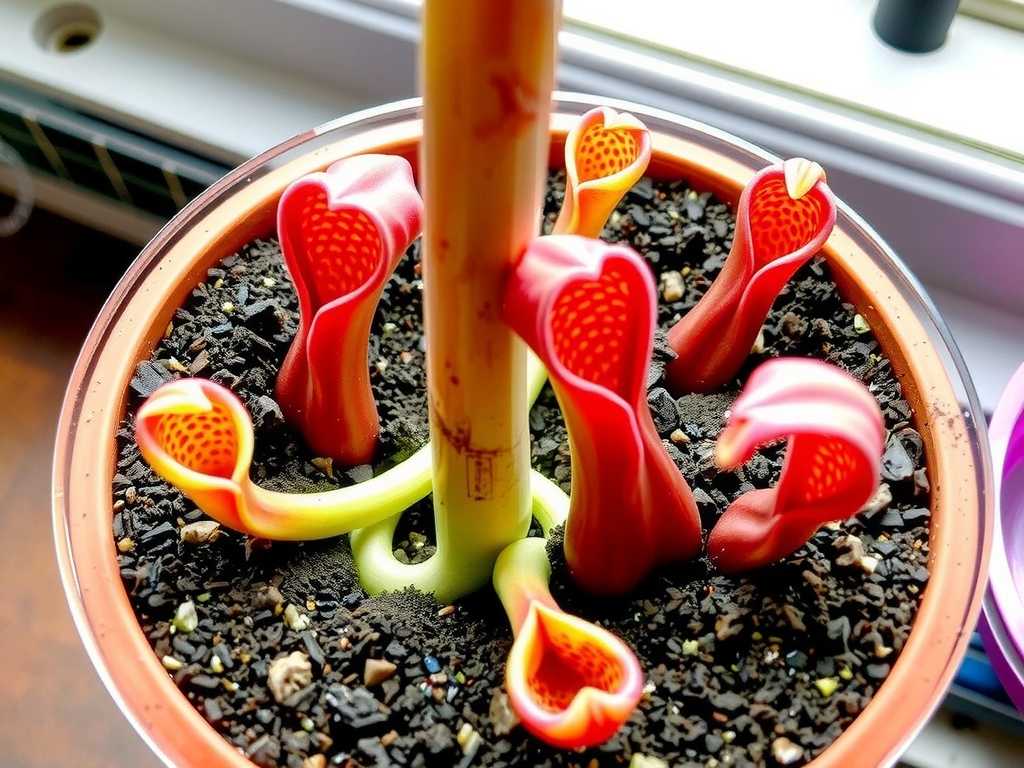
This is a more organic, slow-build approach. I created a base layer of my native soil, planted the Sarracenia, and then applied a thick (3-inch) top-dressing mulch of collected pine needles and oak leaves. As this organic matter decomposes, it releases weak organic acids. I kept it constantly moist. My Mistake & Fix: In one container, I used freshly fallen, waxy pine needles which decomposed very slowly. I swapped them for partially composted, brown needles from the bottom of the pile. The decomposition and acidification process accelerated noticeably within the second week.
4. The Diluted Vinegar Watering Regimen (A Careful Short-Term Fix)
Warning: This is a delicate technique. I did not amend the soil itself. Instead, I planted the Sarracenia in a 50/50 mix of peat and perlite, but used a watering solution of 1 tablespoon of white vinegar per gallon of distilled water to irrigate. This temporarily acidifies the water reaching the roots. Critical Observation: This method is risky. It requires precise dilution and constant pH monitoring of the runoff water. On Day 10, I noticed a slight white crust on the soil surface—a sign of mineral buildup from the vinegar. I immediately flushed the pot with pure distilled water and reduced the vinegar concentration. It can be a useful stop-gap but is not a stable, long-term soil amendment strategy on its own.
5. The Bog-in-a-Pot: Complete Physical Isolation
This was my control and most successful method. I used a large, non-draining pot. I placed the bare-root Sarracenia in its preferred pure peat/perlite mix inside a submerged, perforated nursery pot. The outer pot was filled with my neutral garden soil, which acted only as a water reservoir. The plant’s roots were physically isolated in their ideal acidic medium, while the outer soil wicked up water to maintain perfect moisture. Result: This method showed zero transplant shock. The plants exhibited vigorous, healthy growth throughout the 14 days, with new pitcher initiation visible on both specimens by the end of the experiment. The neutral soil never came into contact with the root zone.
Results and Key Takeaways After 14 Days
By the end of the two weeks, the results were clear:
- Most Immediately Successful: Trick #5 (Bog-in-a-Pot) and Trick #1 (Peat Moss Dominance). These provided an instant, correct environment.
- Most Promising for In-Ground Beds: Trick #2 (Sulfur Granules) and Trick #3 (Pine Needle Mulch). They work slowly but create a more permanent, integrated acidic zone.
- Most Risky and High-Maintenance: Trick #4 (Vinegar Watering). It can easily go wrong and is not recommended for beginners.
The Royal Horticultural Society (RHS) advises that while Sarracenia are obligate acidophiles, the key is root zone chemistry, not necessarily the surrounding landscape. My experiment supports this: you can create a hospitable acidic pocket for them. The plants in the successful setups showed bright, firm pitchers and strong central growth points, identical to my plants in traditional acidic bog gardens.
Implementing the Best Strategy for Your Garden
Based on my experience, here is my actionable advice. For container gardening, use the Bog-in-a-Pot method for foolproof success. For creating an in-ground Sarracenia bed in neutral soil, combine Tricks #2 and #3. Dig out the existing soil to a depth of 18 inches. Mix in a generous amount of elemental sulfur and replace it with a blend of 60% sphagnum peat moss, 20% horticultural sand, and 20% composted pine bark or oak leaf mold. Top with a permanent pine needle mulch. This creates a buffered, long-lasting acidic environment.
Can I use regular potting soil or compost? Absolutely not. Standard potting mixes contain fertilizers and lime which are fatal to Sarracenia. They will cause root burn and rapid plant decline. Always use nutrient-free media like sphagnum peat moss, perlite, or horticultural sand.
How often should I water my amended Sarracenia plantings? Sarracenia are bog plants. Their soil should be permanently moist to wet. Use distilled water, rainwater, or reverse osmosis water. Never let the soil dry out, and never use tap or mineral water if you can avoid it. The “tray method”—sitting the pot in a saucer of water—is highly effective.
Will these amendments harm other nearby plants? Creating an acidic pocket will affect a small area. Plants that prefer neutral or alkaline soil (like many vegetables or lavender) planted immediately adjacent may struggle. Consider using a buried vertical barrier or dedicating a separate, isolated bed for your carnivorous plants.
Growing Sarracenia in neutral soil is not about breaking the rules of nature, but about cleverly rewriting the local conditions. By using these amendment tricks—particularly physically isolating the root zone or using slow-release acidifiers like sulfur—you can successfully cultivate these fascinating plants. It requires an understanding of their needs and a willingness to create a specialized microenvironment. My two-week journey proved it’s not only possible but can lead to thriving, pitcher-producing plants. Start with the Bog-in-a-Pot method for guaranteed success, and enjoy the unique beauty of Sarracenia, no matter your native soil pH.