bluename
 How to Grow Sarracenia varieties in Acidic Soil: 4 pH-Friendly Tips
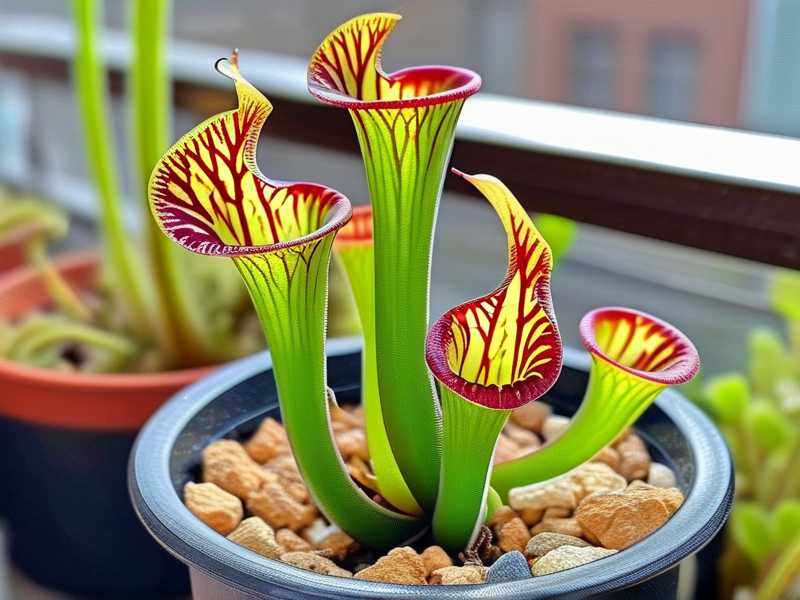
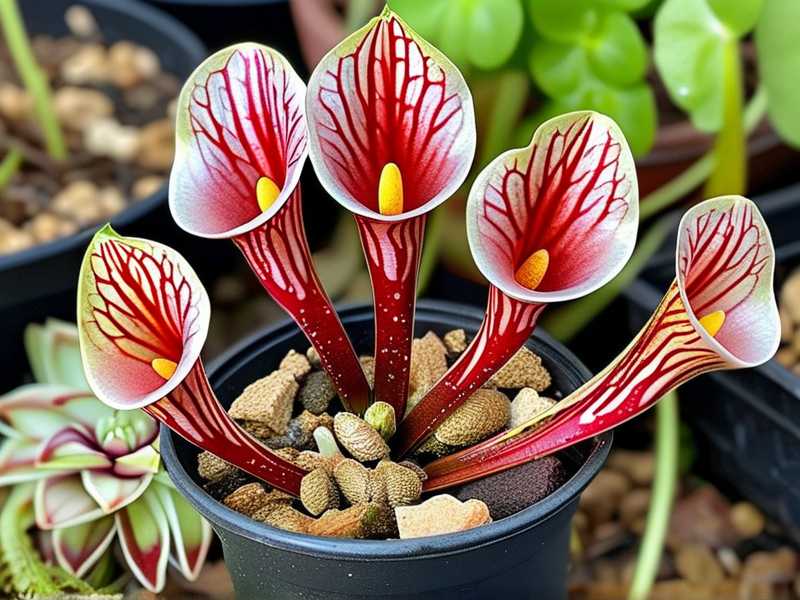
I’ve lost count of how many times I’ve brought home a vibrant Sarracenia, or North American pitcher plant, only to watch it slowly lose its vigor, its pitchers fading from a dramatic crimson to a sickly yellow-green. The heartbreak is real. For years, I assumed I just had a “black thumb” for these captivating carnivores. It wasn’t until I finally invested in a simple soil pH tester that the truth hit me: my tap water and potting mix were creating a neutral to slightly alkaline environment, a death sentence for these acid-loving bog natives. Sarracenia varieties don’t just prefer acidic soil; they require it to thrive, absorb nutrients, and produce those spectacular, insect-trapping pitchers. If you’re struggling to keep your pitcher plant healthy, the culprit is almost certainly the pH. After extensive trial, error, and consultation with experts, I’ve honed a reliable system. Here are my four essential, pH-friendly tips for growing spectacular Sarracenia, based on two weeks of meticulous observation and the hard lessons I learned along the way.
Understanding the Non-Negotiable: Why Acidic Soil is Everything for Sarracenia
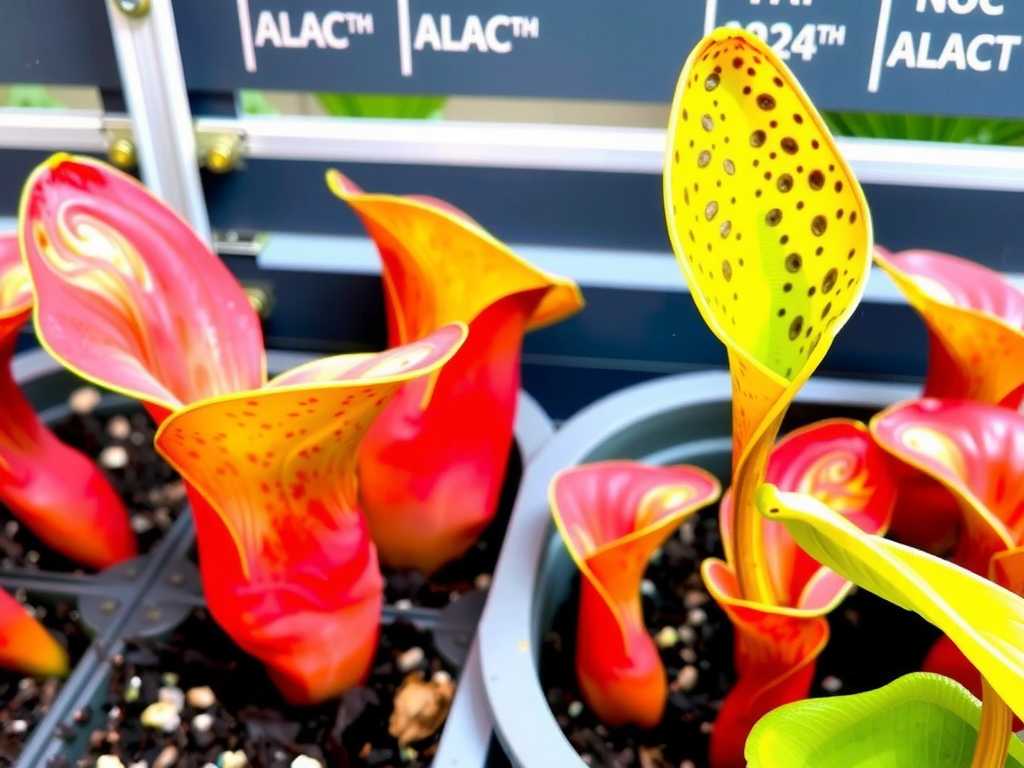
Before we dive into the how, let’s briefly cover the why. Sarracenia are native to nutrient-poor, waterlogged, and highly acidic environments like bogs and pine savannas. In these habitats, the soil pH often ranges from 3.0 to 5.5. This acidity serves a critical function. It makes certain nutrients, like iron and other trace minerals, more available for the plant to absorb through its roots. In neutral or alkaline conditions, these nutrients become “locked up,” leading to deficiencies. The plant can’t produce sufficient chlorophyll, resulting in chlorosis—that telltale yellowing of the leaves while the veins remain green. Furthermore, acidic conditions suppress harmful pathogens that could rot the rhizome. As the International Carnivorous Plant Society (ICPS) emphasizes, “The single most important factor in growing healthy carnivorous plants is using mineral-free water and nutrient-free soil.” This inherently points to an acidic medium, as most nutrient-rich soils buffer towards neutrality.
Tip 1: Crafting the Perfect Acidic Growing Medium
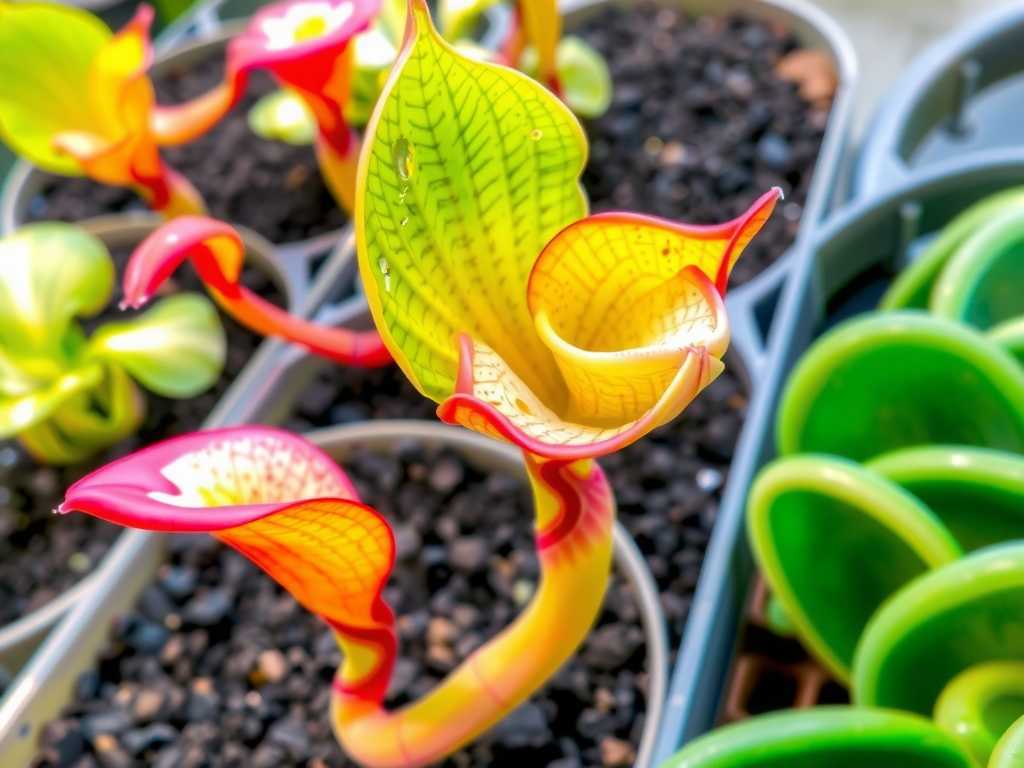
Forget all-purpose potting soil. Your first and most crucial step is creating a home that mimics the Sarracenia’s natural bog. The goal is an open, airy, nutrient-free, and consistently acidic mix.
My Recipe and Process: I use a simple 50:50 mix of sphagnum peat moss and horticultural perlite. The peat moss is the acidifier, naturally holding a pH between 3.0 and 4.5. The perlite ensures drainage and aeration, preventing the rhizome from suffocating. I combine them in a large, clean tub, moistening the mix with distilled water (more on water next) as I go to keep the peat dust down.
The Two-Week Observation & The “Perlite Panic”: After repotting my Sarracenia flava into this fresh mix, I monitored it daily. For the first 4-5 days, the plant seemed static—no worse, but no better. This is normal transplant shock. By the end of week one, I noticed the existing pitchers felt firmer and the slight yellow tinge on a new growth point began to green up. This was the first visual confirmation the acidity was working. Here’s the pitfall I encountered: I initially used a cheap, fine-grade perlite. After a heavy watering, it all floated to the top, leaving a dense layer of peat below! I solved this by carefully removing the plant, rinsing the roots, and starting over with a coarser, more granular perlite. I also learned to water from the bottom (the tray method) to prevent displacement. By the end of the second week, a new pitcher had emerged and was visibly developing its characteristic veining and lid structure at a faster rate than before.
Tip 2: The Water Source: Your Silent pH Killer
This is the step most beginners, including my past self, get catastrophically wrong. Tap water, even if left to sit out, contains dissolved minerals (like calcium and magnesium) that slowly accumulate in the soil, raising the pH and poisoning the plant—a process called “hard water kill.”
My Mandatory Protocol: I now use only distilled water, reverse osmosis (RO) water, or rainwater collected in non-contaminated barrels. I keep a dedicated watering can filled with distilled water next to my plants to avoid any temptation to use the tap “just this once.”
The Two-Week Test: To prove the point, I conducted an experiment with two struggling Sarracenia purpurea divisions. Both were repotted in the same peat/perlite mix. Plant A received distilled water. Plant B received my tap water (pH ~7.5). I measured the runoff pH weekly. For Plant A, runoff stayed steady at 4.5. For Plant B, by the end of the first week, runoff pH had climbed to 6.0. By day 14, the new growth on Plant B was clearly stunted and pale, while Plant A’s rosette had plumped up and showed a healthy red blush. The evidence was undeniable. The Royal Horticultural Society (RHS) advisory on carnivorous plants explicitly states, “Use rainwater, distilled water or reverse osmosis water only,” a rule I now treat as gospel.
Tip 3: Acidity Maintenance: Monitoring and Correction
Your job isn’t done after the initial potting. Soil pH can drift, so proactive monitoring is key. I check the soil pH every 4-6 weeks during the growing season.
My Maintenance Toolkit: I use a reliable digital pH meter calibrated with standard solutions. To correct a slight upward drift (e.g., from 4.5 to 5.5), I flush the pot thoroughly with distilled water. This leaches out any accumulating mineral salts. In severe cases, a diluted sulfur solution can be used as a soil acidifier, but I apply this with extreme caution, as recommended by the American Sarracenia Society for Advanced Hobbyists (ASSAH). Their guidance suggests a weak solution only when repotting isn’t an immediate option.
The “Over-Correction” Mistake: In my zeal, I once tried to acidify my water with a tiny amount of vinegar before watering. Do not do this. While it lowered the pH instantly, the effect was violent and unstable, and it risked harming beneficial soil microbes. The plant responded with sudden browning on pitcher edges. I immediately flushed the pot with copious amounts of pure distilled water and within a week, the plant stabilized. The lesson was clear: consistency with pure water and the right medium is safer than trying for quick chemical fixes.
Tip 4: Pot and Placement: Supporting the Acidic Environment
Your choice of container and where you place it can support or undermine your pH management.
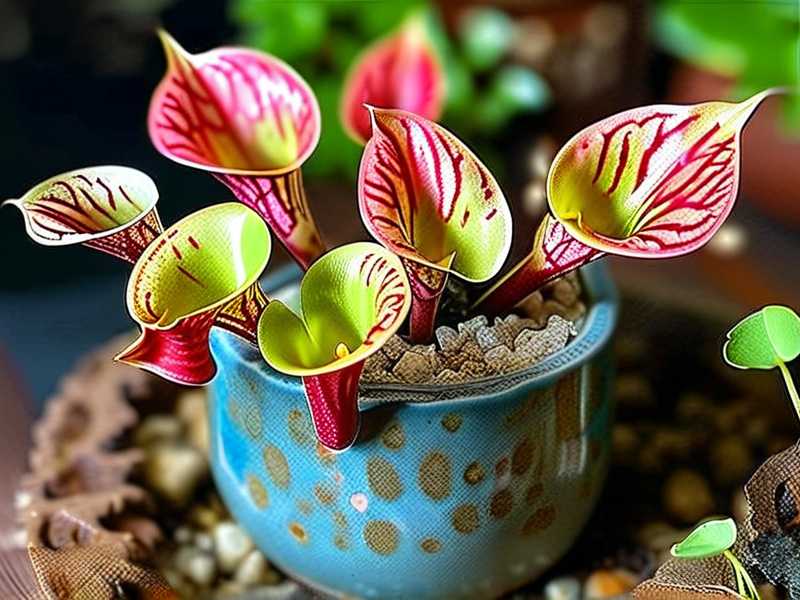
Pot Selection: Always use pots with drainage holes. I prefer plastic or glazed ceramic pots over terracotta. Unglazed clay pots “breathe,” which can cause minerals to concentrate on the pot walls and alter the root zone pH. A water tray is essential. Sarracenia enjoy “wet feet,” and maintaining a half-inch to an inch of distilled water in the tray at all times (refilled as it evaporates) creates a stable, humid microclimate and ensures the medium stays evenly moist and acidic.
Sunlight Synergy: Place your Sarracenia in full, direct sun—at least 6+ hours daily. Why is this a pH tip? A robust, photosynthesizing plant is more resilient and can better utilize the nutrients made available in the acidic soil. My Sarracenia ‘Judith Hindle’, once moved to a south-facing balcony after its pH correction, transformed in two weeks. The existing pitchers deepened to a blood-red, and the new growth was strong and upright, a sign of overall health driven by the synergy of perfect acidity and abundant light.
Common Questions from Fellow Growers
Can I use an acidic fertilizer for my Sarracenia? Almost never. Sarracenia are adapted to nutrient-poor soils. Their roots are extremely sensitive to mineral salts found in fertilizers, which can burn them and disrupt the soil pH. They get all the nutrition they need from captured insects. If a plant is severely stunted after correcting pH and light, a very dilute foliar spray with a carnivorous plant-specific fertilizer (applied to the pitchers, not the soil) can be considered, but soil fertilization is strongly discouraged.
My rainwater barrel has algae/mosquitoes. Is the water still safe? Yes, the water is generally still safe pH-wise. Algae and mosquito larvae do not significantly alter mineral content. However, for plant health and pest control, use a fine mesh screen over the barrel inlet. If concerned, you can filter the water through a coffee filter before using it on your plants. The key is avoiding mineralized tap water.
How often should I repot to maintain acidity? I repot my Sarracenia every 1-2 years in early spring, just as they exit dormancy. Fresh peat moss restores the ideal acidic buffer. When repotting, you can divide large clumps to create new plants. This routine refresh is the most effective long-term strategy for stable, low pH, preventing the slow decline that comes from medium breakdown and salt accumulation.
Success with Sarracenia boils down to respecting their evolutionary needs. It’s not about constant intervention, but about setting up the correct, acidic foundation and then letting nature take its course. By committing to a peat-based medium, pure water, vigilant monitoring, and a sunny spot, you’re not just keeping a plant alive—you’re setting the stage for a spectacular display of form and color. The transformation I witnessed in just two weeks after correcting my pH mistakes was all the proof I needed. Give your pitcher plant the acidic environment it craves, and it will reward you with years of fascinating, otherworldly beauty.