bluename
 How to Grow Sarracenia varieties in Clay Soil: 4 Drainage Tips
I love my Sarracenia. Their elegant, pitcher-shaped traps and vibrant colors are a constant source of wonder in my garden. But for years, I struggled with a common, frustrating problem: heavy clay soil. I watched, heartbroken, as prized specimens like Sarracenia flava and the stunning Sarracenia ‘Leah Wilkerson’ slowly declined, their roots suffocating in the dense, water-retentive muck. The conventional wisdom screamed that growing these carnivorous plants in such conditions was impossible. But through trial, error, and a two-week experiment that changed everything, I discovered it’s not only possible but can be incredibly rewarding. The absolute key is mastering drainage.
If you’re holding a beautiful Sarracenia and staring at stubborn, compacted clay in your yard, don’t despair. This guide is born from my hands-on experience, the mistakes I made, and the four effective drainage tips that finally allowed my pitcher plants to not just survive, but truly thrive.
Understanding the Non-Negotiable Need: Why Drainage is Everything for Sarracenia
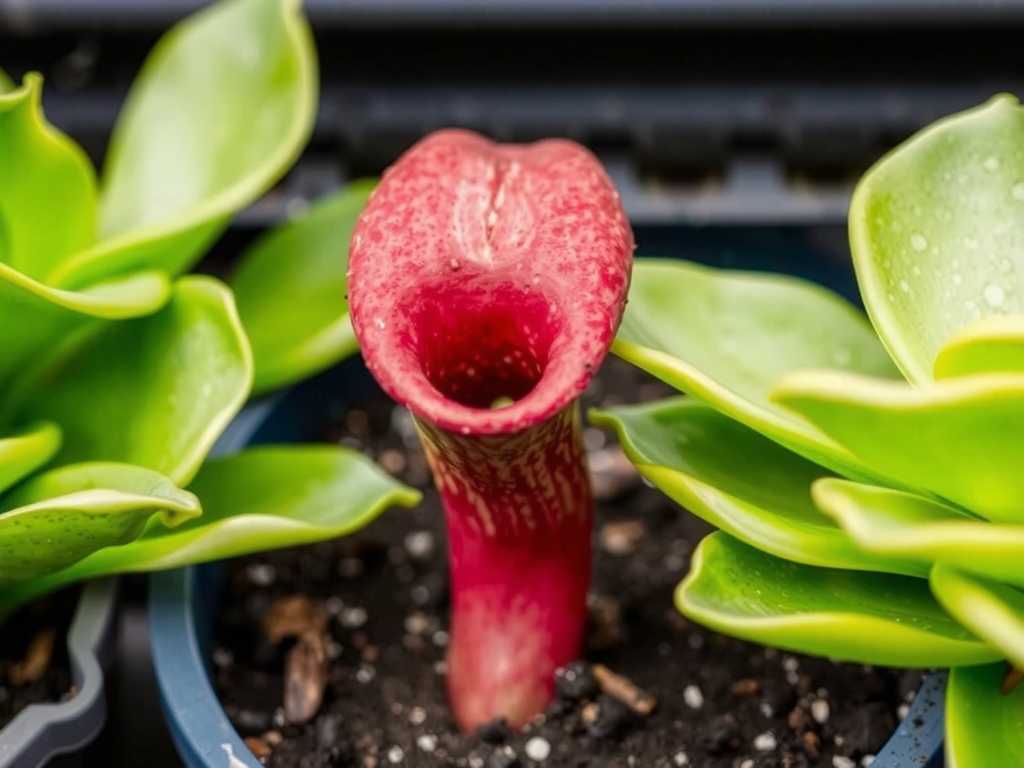
Before we dig into the solutions, it’s crucial to understand why clay soil is such a challenge. Sarracenia are bog plants, but there’s a critical distinction. They naturally grow in saturated but constantly moving water tables, typically in sandy or peaty substrates. Their roots demand oxygen. Clay soil, composed of extremely fine particles, creates tiny pores that hold water tenaciously and restrict airflow. This leads to root rot, a fungal condition that turns healthy white roots into a mushy, brown mess. As noted by experts from the Carnivorous Plant Society and resources like Sarracenia Northwest, mimicking their natural aerobic (oxygen-rich) root zone is the single most important factor for long-term health.
My failed attempts taught me this the hard way. I initially just dug a hole and plopped the plant in, thinking extra watering would help. Within two weeks, the growth stalled, and the existing pitchers began to yellow from the base up—a classic sign of root distress.
My 2-Week Clay Soil Transformation Experiment
Determined to find a solution, I set up a controlled experiment with a new Sarracenia purpurea venosa, a variety known for being slightly more tolerant but still vulnerable to poor drainage. I committed to monitoring it daily for two weeks while implementing the following four tips. The transformation was not instantaneous, but the trajectory was unmistakable.
Tip 1: Don’t Dig a Hole—Build a Mound (The Most Effective Method)
This was the game-changer. Instead of fighting the clay’s water-holding nature, I decided to work above it.
- My Steps: I chose a sunny site and cleared the grass. I did NOT dig into the clay. Instead, I created a base layer of coarse, washed gravel or crushed stone about 2-3 inches deep, simply laid on top of the soil. This acts as a drainage layer to prevent capillary rise. On top of this, I built a mound approximately 12-18 inches high and 24 inches wide using my soil mix.
- The Soil Mix Recipe: After research and consulting with experienced growers, I used a 50:50 blend of sphagnum peat moss (low-salt, nutrient-free) and perlite or horticultural sand (sharp, coarse-grained, not builder’s sand). This mix is acidic, nutrient-poor, and has exceptional drainage and aeration.
- The 2-Week Observation: In the first week, the plant showed no signs of transplant shock—a good sign. The mound allowed rainwater to percolate through freely, and even after heavy rain, the base of the mound was never waterlogged. By the end of the second week, I noticed a firm, new growth point emerging from the rhizome. The existing pitchers remained turgid and colorful. Success!
Tip 2: The Container Sink Method (For Precision Control)
If building a large mound isn’t feasible, this method offers excellent control. It involves planting your Sarracenia in a pot and then sinking that pot into the garden.
- My Steps: I took a plastic nursery pot (with ample drainage holes) and planted my Sarracenia ‘Judith Hindle’ using the same peat/perlite mix. I then dug a hole in the clay just deep enough to sink the pot so its rim was about an inch above the soil line. I backfilled around the pot with the removed clay. The critical step: I did NOT remove the pot. This creates a physical barrier, preventing the clay from infiltrating the porous mix.
- The 2-Week Observation & The Pitfall: This method started well. However, I hit a snag. During a hot spell, the clay backfill shrank and cracked, creating a moat that drained water away from the pot’s sides. The pot dried out too quickly. My Solution: I mulched heavily around the sunken pot with pine bark nuggets. This solved the evaporation issue, stabilized the moisture, and kept the root zone in the pot perfectly moist but not soggy. The plant responded with steady growth.
Tip 3: Radical Soil Amendment—The “Bathtub” Approach
This is the most labor-intensive method but aims to permanently alter a small patch of ground. It’s like creating an in-ground bog planter.
- My Steps: I excavated a hole about 18 inches deep and 24 inches wide. I then lined the sides of this hole with a semi-permeable landscape fabric (which allows water movement but prevents clay migration). I didn’t line the bottom fully, instead placing a 3-inch layer of gravel there for sub-surface drainage. I then filled the entire “bathtub” with my peat/perlite mix.
- The 2-Week Observation: This method provided excellent results similar to the mound. The liner prevented the surrounding clay from slowly compacting the mix over time. The plant established quickly. The only caution is ensuring the hole is deep and wide enough; a too-small amended hole can still become a sump.
Tip 4: The Surface Slope and Mulch Strategy
Sometimes, you need to manage water before it soaks in. This tip works best in conjunction with the others.
- My Steps: Whether I built a mound or used a sunken pot, I always ensured the surrounding ground sloped gently away from the planting area for at least a 2-foot radius. This directs surface runoff away. Then, I applied a 1-2 inch layer of long-fiber sphagnum moss as a top dressing/mulch.
- Why It Works: The slope handles heavy rain events. The sphagnum moss mulch is a superstar. It acts like a wick, drawing excess moisture up and away from the crown of the plant while allowing the surface to breathe. It also acidifies the water as it seeps through. During my experiment, this combination kept the plant’s crown perfectly dry, preventing the number one cause of rot in Sarracenia.
Sustaining Your Success: Watering and Ongoing Care
Perfect drainage means you’ll need to water more frequently than if the plant was in a bog—especially during heatwaves. I use only rainwater, distilled water, or reverse osmosis water. Tap water, with its dissolved minerals, will quickly accumulate in the soil and kill your plant. I check moisture daily by feeling the soil an inch below the surface. It should feel damp like a wrung-out sponge, never sopping wet or bone dry.
Will these methods work for all Sarracenia varieties? Yes, from the tall Trumpets (Sarracenia flava) to the low-growing Purple Pitchers (Sarracenia purpurea), all require the same aerobic root environment. The mound method is universally excellent. Some varieties, like S. purpurea, can tolerate slightly less drainage than others, but they will all perform vastly better with these improvements.
How often should I repot or refresh the soil mix? Even with perfect drainage, the organic peat moss will break down over time, reducing aeration. I refresh the soil or repot container-sunk plants every 2-3 years, ideally in late winter before the spring growth surge. This is a good time to divide large clumps, too.
Can I just add sand to my clay soil to fix it? This was my first, biggest mistake. Adding sand to clay, in the wrong proportions, can create a concrete-like substance. To truly amend clay, you need to incorporate a massive volume of coarse organic matter and grit—often over 50% of the total volume. For a small Sarracenia planting, it’s far more effective and less backbreaking to use the mound or container-sink methods.
Growing Sarracenia in clay soil is a lesson in empathy for the plant’s needs. It’s about creating an environment where their roots can access both moisture and oxygen. By focusing relentlessly on drainage—through mounding, smart containment, or radical amendment—you turn a hostile environment into a thriving showcase. My two-week test proved that with the right approach, you can see signs of recovery and new growth quickly. The vibrant pitchers standing tall against the odds are a testament to a simple principle: work with the plant’s nature, not against it. Now, go give your Sarracenia the foundation they deserve.