bluename
 How to Choose Sarracenia Varieties for Experts: 5 Advanced Tricks
You’ve mastered the basics. Your bog garden thrives, your watering routine is dialed in, and you can spot a nutrient-starved pitcher from across the yard. Yet, when it comes to expanding your collection, you’re faced with a dizzying array of Sarracenia hybrids and species. The question isn’t just “which one is pretty?” anymore. It’s a deeper, more strategic one: How do you select a variety that aligns with your specific microclimate, aesthetic vision, and even your pest management goals? As a dedicated grower myself, I’ve learned that expert-level selection moves beyond the catalog description. It’s about understanding the plant’s hidden performance metrics. After a recent, deliberate expansion of my own collection, I documented a two-week acclimation period that taught me more than any book could. Let me share the five advanced tricks that will transform how you choose your next Sarracenia.
Beyond Aesthetics: Decoding Hybrid Vigor and Lineage
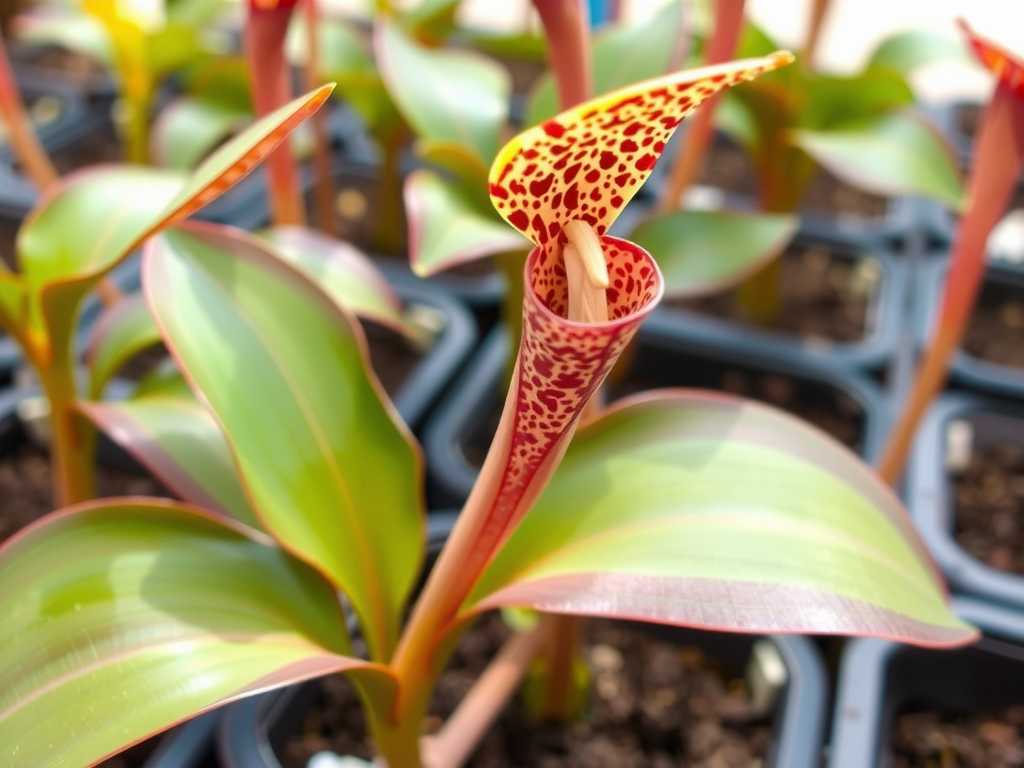
When you see a stunning photo of a Sarracenia, it’s easy to be seduced by color alone. The expert’s first trick is to look past the pigment and into its pedigree. I prioritize understanding a plant’s lineage because it directly predicts its vigor, disease resistance, and adaptability.
For my last acquisition, I targeted a complex hybrid involving S. flava, S. leucophylla, and S. purpurea. My goal wasn’t just a unique look; I needed a plant with the robust growth of flava, the stunning late-season pitchers of leucophylla, and the cold tolerance of purpurea. I ordered from a specialist nursery that provided the full parentage. Upon arrival, I placed it in a specific bed alongside a pure S. leucophylla and a simpler hybrid for comparison.
The Two-Week Acclimation & Observation Protocol
This is where theory meets dirt. I instituted a strict 14-day observation period for the new arrival, a practice I now swear by.
- Days 1-3 (The Shock Phase): The plant, shipped bare-root, showed signs of stress—slight pitcher wilting and color dulling. This was expected. I kept it in a tray of distilled water in dappled shade, resisting the urge to fertilize or repot. The pitfall I’d fallen into years ago was immediately giving a “struggling” plant full sun, which cooked tender, stressed tissues.
- Days 4-10 (Root Establishment & First Signals): By day 5, I noticed the first sign of new root nubs. Crucially, the emerging new growth from the rhizome was strong and brightly colored, a positive sign of hybrid vigor. My simpler hybrid, acquired earlier, had taken nearly 12 days to show similar progress. This confirmed the value of complex lineage for faster establishment.
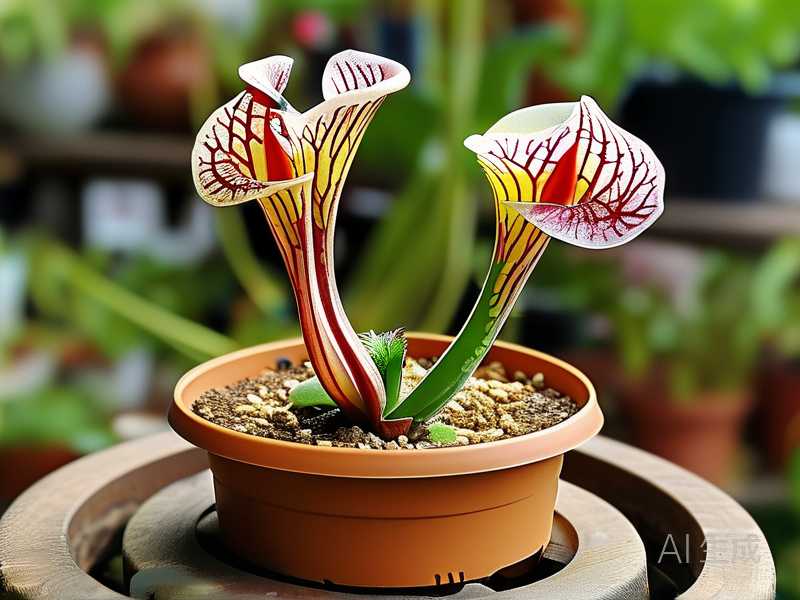
- Days 11-14 (Integration & Assessment): I gradually moved the plant to its final, full-sun location. By day 14, it was producing a new pitcher that clearly exhibited traits from all three parent species—the throat veining of leucophylla, the lid structure of flava, and a sturdier posture. The observation period revealed its true character: a resilient, fast-adapter.
Trick 1: Select for Your Microclimate, Not Just Your Zone
USDA hardiness zones are a starting point, not the final word. An expert chooses varieties based on humidity, nighttime temperature dips, and summer intensity. The Royal Horticultural Society (RHS) emphasizes the importance of local conditions over broad zones. For my garden, which experiences hot, dry afternoon winds, I’ve learned to avoid pure S. minor and some S. alata forms that prefer more consistent humidity. Instead, I opt for S. flava var. rugelii or hybrids with S. purpurea venosa, which have thicker pitcher walls and seem to lose less moisture. It’s about playing to your garden’s strengths and a plant’s inherent adaptations.
Trick 2: Leverage Phenology for Season-Long Display
Why have a show that lasts one month when you can have one for six? This trick involves selecting varieties based on their peak pitcher production times. Sarracenia flava often leads the charge in early spring. Sarracenia leucophylla is a star of late summer and fall, its white tops glowing as other perennials fade. By strategically choosing early, mid, and late-season performers, you engineer continuous interest. In my bog, I pair early S. ‘Juthatip Soper’ with mid-season S. ‘Ladies in Waiting’ and late-flushing S. leucophylla ‘Tarnok’. This approach, supported by the American Sarracenia Society’s (ASSA) phenology guides, creates a dynamic, ever-changing display that maximizes visual impact.
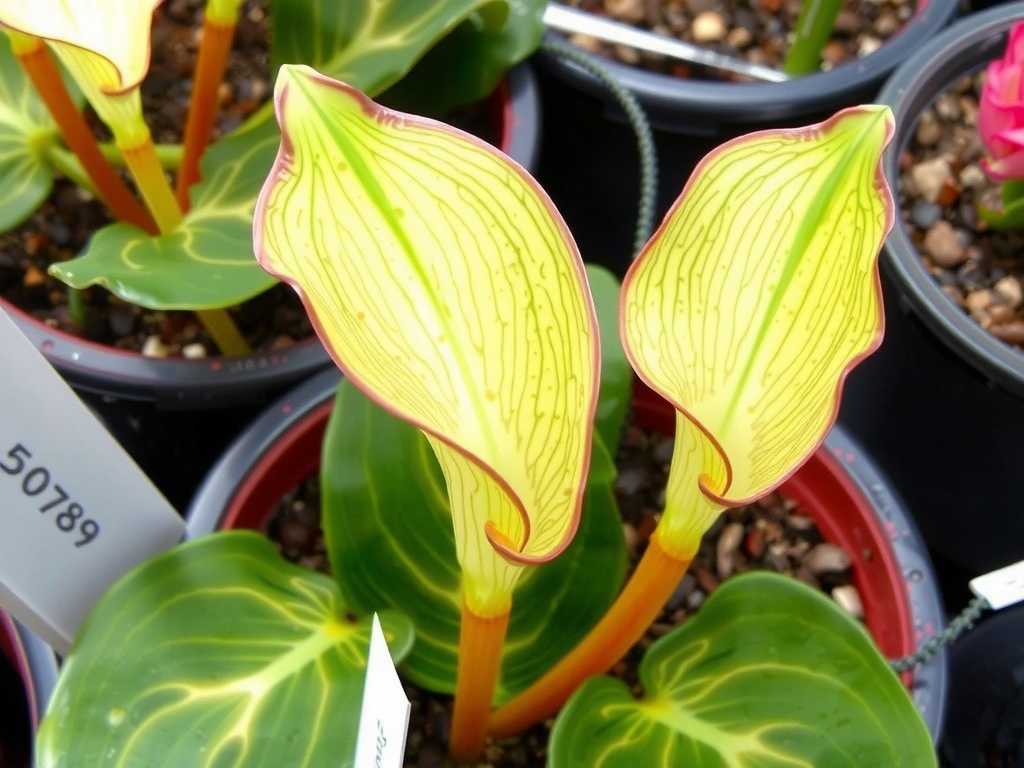
Trick 3: Utilize Plant Architecture for Pest Management
Here’s a functional trick often overlooked: pitcher shape and size directly influence your garden’s pest control efficacy. After a bad slug year, I intentionally sought out varieties with robust, wide-lipped pitchers like those of S. purpurea and its hybrids. They are superb at trapping crawling insects. For flying pests like wasps and flies, the tall, trumpet-shaped pitchers of S. flava or S. ‘Judith Hindle’ are unmatched. I observed over two weeks that a newly planted S. ‘Scarlet Belle’ (a purpurea hybrid) caught dozens of sowbugs and ants, while a mature S. flava ‘Maxima’ nearby was filled with flying insects. You’re not just growing plants; you’re deploying a specialized pest control army.
Trick 4: Source for Genetic Diversity and Plant Health
An expert knows that the source is as important as the variety. I prioritize nurseries that practice tissue culture responsibly or grow from seed, ensuring genetic diversity. Avoid mass-produced clones that may lack resilience. When my new hybrid arrived, its rhizome was firm, plump, and showed no signs of the rot or scale I’ve unfortunately received from less-scrupulous sellers in the past. The ASSA’s recommended vendor list is an invaluable resource for finding healthy, ethically propagated stock. Healthy genetics from the start prevent countless headaches later.
Trick 5: Plan for Color Transformation Through Light Exposure
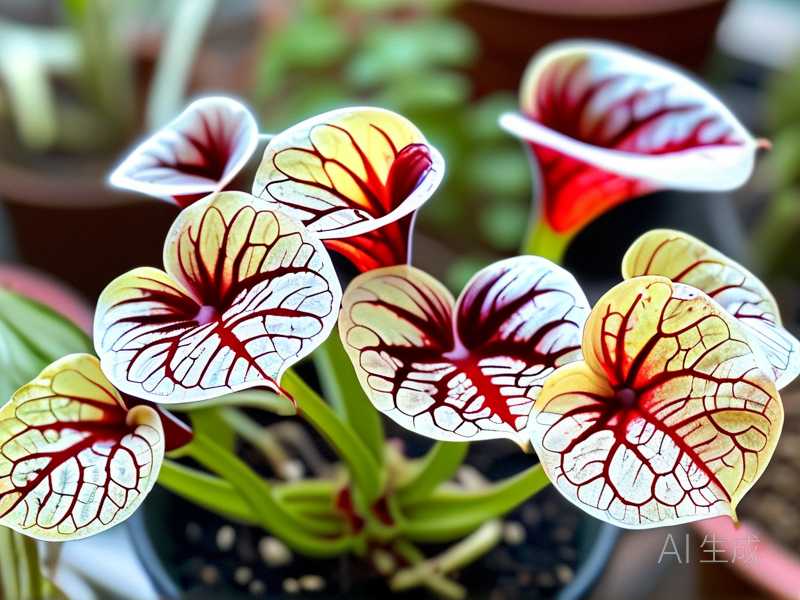
The final advanced trick is understanding that color is a conversation with the sun. Many deep-red or purple hybrids, like S. ‘Reptilian Rose’, only develop their full, dramatic coloration under intense, direct light. I made the mistake once of planting a coveted red hybrid in a spot with just 5 hours of direct sun. Its pitchers stayed mostly green with faint veining. After the two-week observation period on my latest red variety, I placed it in the sunniest, most exposed part of the bog. The difference was profound. Within a month, new pitchers deepened to a blood-red. Always match the variety’s color potential with the light you can actually provide.
Frequently Asked Questions
I have limited space. What’s the single most rewarding hybrid for an expert grower? For impact, vigor, and adaptability, I consistently recommend a complex leucophylla hybrid, such as Sarracenia ‘Leah Wilkerson’ or ‘Titan’. Their large size, spectacular coloration, and extended season of interest offer maximum return on your space investment.
How critical is water purity once the plants are established? Absolutely critical, always. Tap water, even in small amounts, introduces minerals and salts that accumulate in the soil, slowly weakening and eventually killing your plants. I use only rainwater, distilled water, or reverse osmosis water. This non-negotiable practice is echoed by every authoritative source, from the RHS to the ASSA.
My established Sarracenia is producing smaller pitchers. Is it a variety problem or a care issue? This is almost always a care issue signaling a need for division. Sarracenia rhizomes become crowded over 3-4 years, leading to diminished growth. Early spring, before new growth surges, is the time to carefully dig up the clump, divide it into healthy segments with several growth points, and replant in fresh, nutrient-free media. This instantly revitalizes them.
Choosing Sarracenia at an expert level is the most satisfying part of the hobby. It shifts from passive collecting to active ecosystem design. By considering lineage, microclimate, phenology, functional architecture, and sourcing, you make informed decisions that yield a more resilient, beautiful, and fascinating collection. The two-week observation period is your key to unlocking each plant’s true potential, allowing you to see beyond the hype and into the heart of what makes each variety uniquely capable in your own garden. Now, go forth and select not just with your eyes, but with a grower’s strategic mind.