bluename
 How to Collect Sarracenia varieties: 4 Rare Plant Hunting Tips
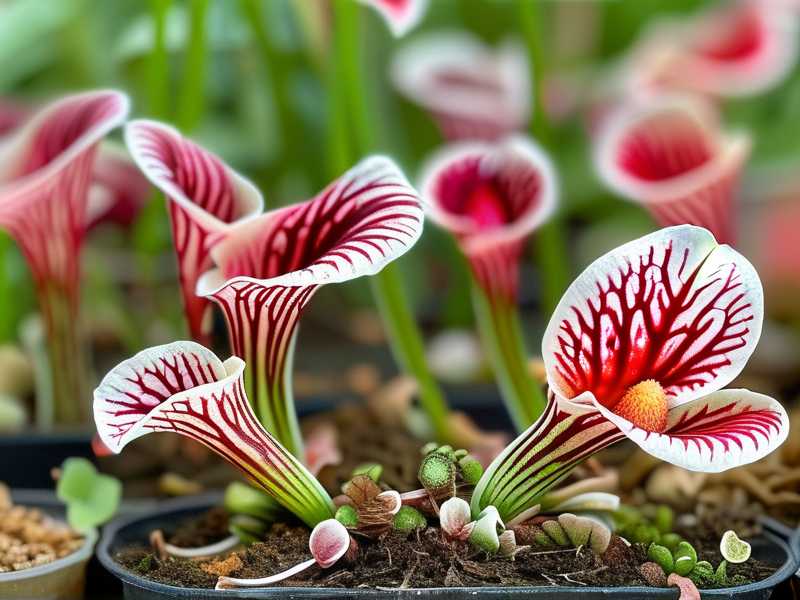
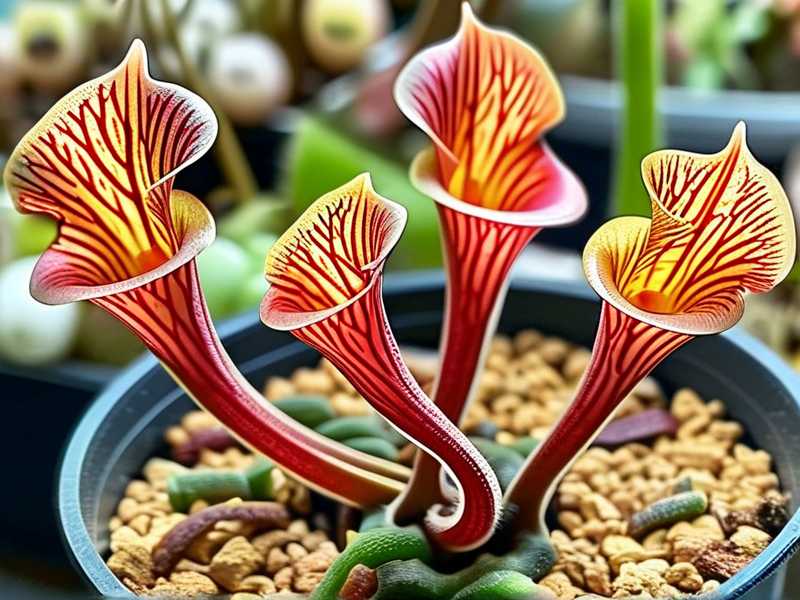
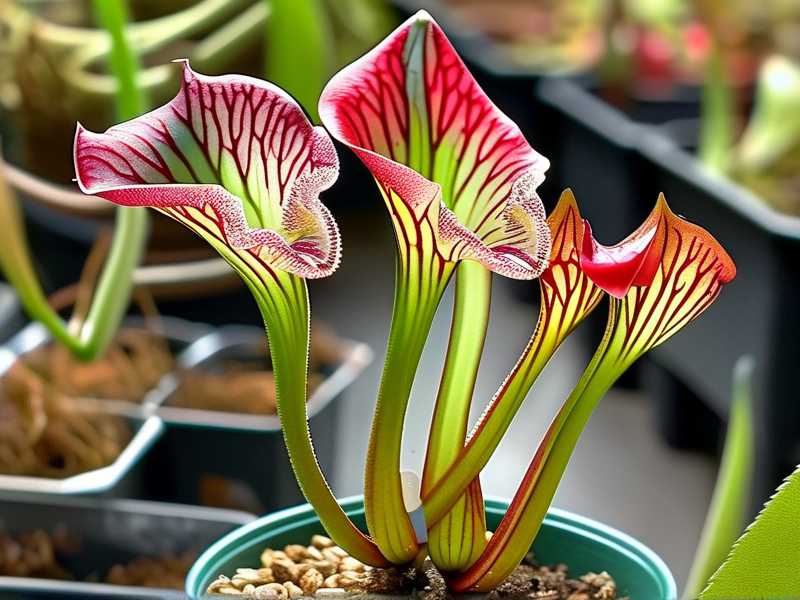
For years, I stared longingly at photos of stunning Sarracenia varieties online—the deep, almost black veins of Sarracenia ‘Leah Wilkerson’, the elegant, upright tubes of Sarracenia flava var. ornata. My own collection felt humble in comparison. The dream of finding these rare, carnivorous beauties seemed locked behind secretive forums, exclusive auctions, and a maze of confusing regulations. The core problem wasn't just finding them; it was doing so ethically, affordably, and successfully keeping them alive once they were in my care. If you've ever felt that same mix of desire and frustration, you're not alone. After a dedicated, two-week plant hunting and acclimation journey filled with both triumphs and mistakes, I've solidified a practical approach. This guide is for the passionate enthusiast ready to move from window-shopping to responsibly cultivating a truly remarkable Sarracenia collection.
Understanding the Hunt: Ethics and Ecology First
Before we dive into the “how,” we must address the “why” and the “should we.” Sarracenia, or North American pitcher plants, are ecological treasures. Many varieties are threatened in the wild due to habitat loss and poaching. As collectors, our first duty is to do no harm. The Royal Horticultural Society (RHS) and organizations like the International Carnivorous Plant Society (ICPS) consistently emphasize the importance of conservation. They advocate for sourcing Sarracenia ethically from reputable nurseries that practice propagation, not wild collection.
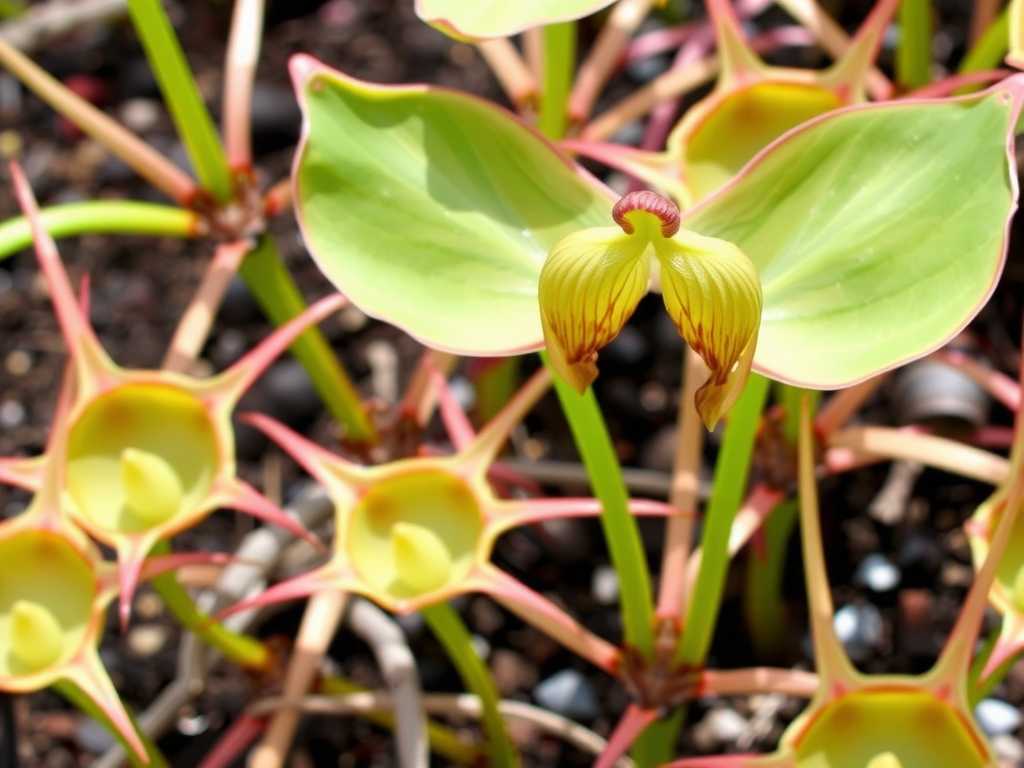
My initial impulse was to search for “wild Sarracenia locations” online. It was a rookie mistake that could have supported a damaging trade. Instead, I shifted my focus to cultivated sources. This isn't just ethical; it's practical. Nursery-propagated plants are already acclimated to cultivation, are free from pests more often, and come with legal peace of mind. Remember, building a collection is a marathon, not a sprint. Patience in sourcing is the first and most crucial skill you'll develop.
Tip 1: Mastering the Art of the Specialized Nursery and Society
The most reliable way to find rare Sarracenia for sale is to connect with specialized carnivorous plant nurseries and join dedicated societies. Generic garden centers rarely carry the true rarities.
My Two-Week Nursery Experiment: I identified five highly-regarded online nurseries specializing in carnivorous plants. I created accounts, signed up for their newsletters, and, most importantly, joined their waiting lists for specific cultivars like Sarracenia ‘Judith Hindle’ and Sarracenia purpurea venosa ‘Red’. For two weeks, I monitored my email and their updated inventory pages like a hawk.
The Process and The Pitfall: The first week was quiet. I began to doubt the strategy. Then, in the second week, a “restock alert” hit my inbox at 10 AM on a Tuesday. I immediately navigated to the site. My target, a beautifully colored Sarracenia flava var. rugelii, was in stock. In my excitement, I added it to my cart and rushed through checkout. My mistake? I only bought one plant. Shipping costs for a single plant are high relative to the purchase. I had violated the unspoken rule of plant hunting: consolidate orders to maximize value.
The Solution: I contacted the nursery owner directly (a tip I learned from an ICPS forum). I politely asked if I could add a second, smaller plant to my order to share shipping. Not only did they agree, but they also offered a unlisted division of a Sarracenia psittacina because they appreciated my enthusiasm and understanding of their process. This interaction underscored a key point: building relationships with these small-scale experts is invaluable. They are often the hybridizers and guardians of these rare genetics.
Tip 2: Navigating Auctions, Swaps, and Forums with Savvy
For the ultra-rare, discontinued, or unusual hybrids, the secondary market is key. This includes society auctions, curated Facebook trade groups, and forums. This arena requires the most caution and discernment.
My Experience with an Online Auction: I participated in a virtual auction hosted by a carnivorous plant society. I had my eye on a specimen of the stunning copper-top Sarracenia ‘Royal Ruby’. My research gave me a firm budget. The auction went live, and the bidding was tense. I got caught in a last-minute bidding war and exceeded my budget by 30%. I won, but with a pang of buyer’s remorse.
The Observation and Lesson: During the two-week period while waiting for my auction win and nursery orders to arrive, I obsessively read forum threads about “post-purchase letdown.” A common theme emerged: buyers often overpaid for plants that were not as established as they appeared in photos. An expert on the forum, a contributor to the American Sarracenia Hybridizers Society Association (ASHSA), advised always asking the seller for additional, non-glamour shots—pictures of the rhizome, the pot size, and the basal growth. This demonstrates health beyond the showy pitcher.
My New Protocol: Now, before bidding or agreeing to a trade, I always message the seller with specific questions: “Could you share a photo of the rhizome size?” and “Has this plant been acclimated to outdoor sun/indoor lights?” This filters out irresponsible sellers and ensures I’m getting a viable plant, not just a pretty picture. It turns a transaction into a conversation between knowledgeable growers.
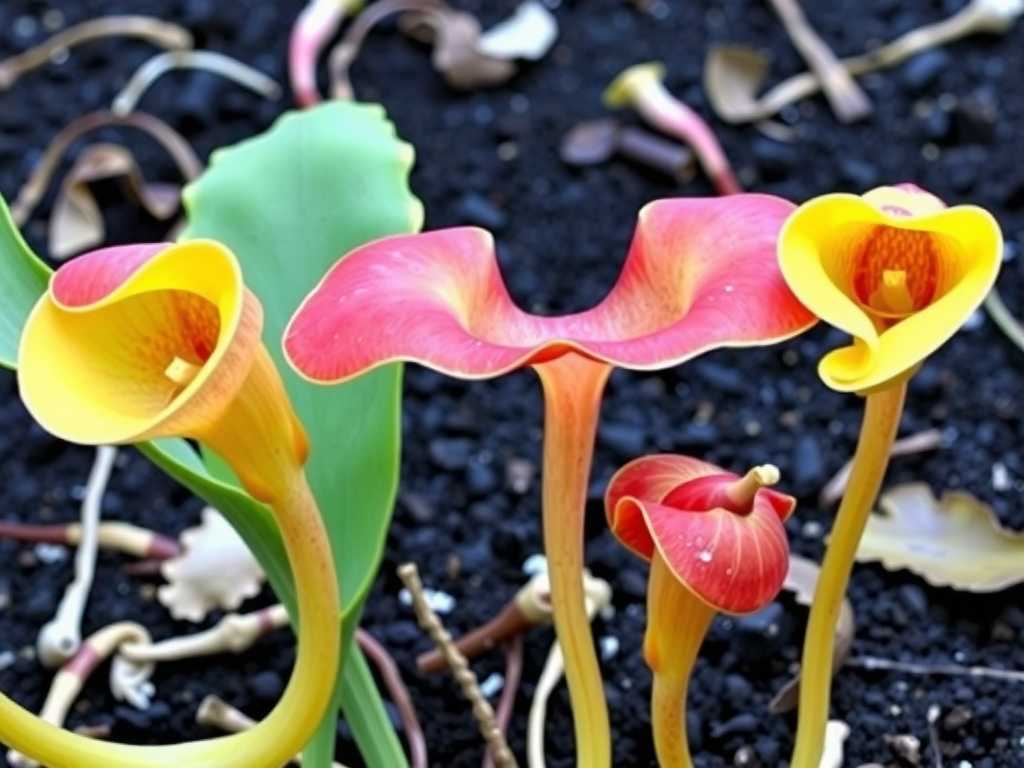
Tip 3: The Critical Acclimation Protocol: Your 14-Day Watch
Receiving a rare Sarracenia in the mail is thrilling, but this is the moment where many collections fail. The plant is stressed from travel and entering a new environment. Your job is to ease that transition gently.
My Two-Week Acclimation Log: I received three new plants on the same day: one from the nursery and two from the auction. They arrived bare-root (common for shipping). Here was my step-by-step process and the hiccups I faced:
- Day 1-3 (The Quarantine & Assessment): I did not add them to my main collection. I potted each in a fresh, 50/50 mix of peat moss and perlite, in plastic pots with drainage. I used distilled water to soak the medium thoroughly. I placed them in a spot with bright, indirect light—about 50% less intense than my main grow shelf. One auction plant, the S. ‘Royal Ruby’, had a slightly mushy spot on the rhizome. Panic moment. This was likely rot from transit moisture.
- Day 4-7 (The Intervention): For the suspect rhizome, I used a sterile knife to carefully excise the soft, brown tissue until only firm, white or cream-colored flesh remained. I dusted the cut with sulfur fungicide (cinnamon powder is a popular organic alternative). I left this plant unpotted, rhizome exposed, in a dry, airy place for 24 hours to callous over before repotting. I continued to keep all plants moist but not waterlogged.
- Day 8-14 (The Gradual Introduction): The two healthy plants began to show signs of perking up. I started to introduce them to stronger light, moving them an hour closer to my full-spectrum LEDs each day. By Day 14, they were under the full light cycle with my established plants. The recovering ‘Royal Ruby’ was still in its “hospital zone,” but a tiny, red nub of new growth had emerged at the base—the sign of success. The two-week watch was essential; had I immediately placed the stressed plants in full sun or with others, I likely would have lost at least one.
Tip 4: Record-Keeping and Long-Term Cultivation for Success
A collection is only as good as your memory. Label everything immediately. Use durable labels with the plant’s full name and source. I keep a simple digital spreadsheet (a notebook works perfectly) logging the acquisition date, source, potting mix used, and any initial treatments.
Long-Term Health is the Goal: Your rare find isn't a trophy to be stuck on a shelf. Sarracenia are sun-loving, moisture-dependent perennials that require a winter dormancy period. The RHS guidelines for hardy carnivorous plants stress the non-negotiable nature of this cold rest. Failing to provide a 3-4 month period of colder temperatures (above freezing but below 10°C/50°F) will exhaust and eventually kill your plant. Planning for this cycle from the moment you acquire a plant is what separates a fleeting owner from a true cultivator.
How do I know if a Sarracenia seller is reputable? Look for sellers who are members of recognized societies like the ICPS or who openly discuss their propagation methods (e.g., “seed-grown,” “division from our stock plants”). They should have clear policies, answer questions knowledgeably, and never offer wild-collected plants. Reviews on dedicated forums are more reliable than generic site testimonials.
What’s the one thing I should absolutely avoid when starting my collection? Avoid the temptation to buy the rarest, most expensive plant first. Start with a common but robust species like Sarracenia purpurea or a hardy hybrid. Master its care—the watering, light, and dormancy—over a full year. This builds the essential experience needed to keep a rare, and often more delicate, cultivar alive.
Is it better to buy seeds, young plants, or mature specimens? For beginners and those seeking specific varieties, young plants or divisions are ideal. They establish faster than seeds and are more affordable than mature show specimens. Growing Sarracenia from seed is rewarding but requires immense patience (3-5 years to maturity) and genetic variability means you won’t get an exact clone of the parent. For building a known-variety collection, start with vegetative propagations.
Building a collection of rare Sarracenia is a journey that blends botany, detective work, and patient gardening. It’s about connections as much as it is about cultivation. By sourcing ethically, engaging with the community wisely, mastering the gentle art of acclimation, and committing to detailed care, you do more than just own these plants. You become a steward, ensuring that these incredible carnivorous wonders continue to thrive, one carefully tended pitcher at a time. The hunt is challenging, but the reward—a thriving, unique collection born of your own knowledge and care—is utterly priceless.