bluename
 How to Choose Sarracenia Varieties for Beginners: 7 Foolproof Tips
I remember standing in front of a dazzling display of Sarracenia, the North American pitcher plant, feeling completely overwhelmed. The vibrant colors, the dramatic shapes—each one seemed more exotic than the last. I wanted them all, but my budget and windowsill space said otherwise. More importantly, I was terrified of picking a "difficult" variety and watching my investment slowly wither. If you're a beginner feeling that same mix of excitement and anxiety, you're in the right place. Choosing your first pitcher plant doesn't have to be a gamble. After years of trial, error, and nurturing dozens of these captivating carnivores, I've distilled the process into seven foolproof tips to guarantee your first foray into Sarracenia is a thriving success.
My journey wasn't always smooth. I learned these lessons through hands-on experience, including a dedicated two-week observation period with new varieties that completely changed my approach. I'll share the pitfalls I stumbled into and the simple solutions that got me—and my plants—back on track.
Understanding the Sarracenia Basics: It's Not Just About Looks
Before we dive into selection, let's build a foundational understanding. Sarracenia are perennial carnivorous plants native to the sunny, boggy wetlands of the southeastern United States. They are not tropical greenhouse divas; they are temperate plants built for full sun and distinct seasons. This core truth is the most common beginner mistake. We see their alien beauty and assume they need coddling. They don't. They need strength-training.
Their growth cycle is key: They actively grow and produce stunning pitchers from spring through fall, then undergo a crucial winter dormancy. This period of rest, triggered by shorter days and colder temperatures, is non-negotiable for their long-term health. Choosing a variety that fits your ability to provide this cycle is step zero.
Tip 1: Prioritize "Beginner-Friendly" and "Easy-Growing Sarracenia" Species
Not all Sarracenia are created equal when it comes to forgivability. For your first plant, focus on species known for their adaptability and vigor.
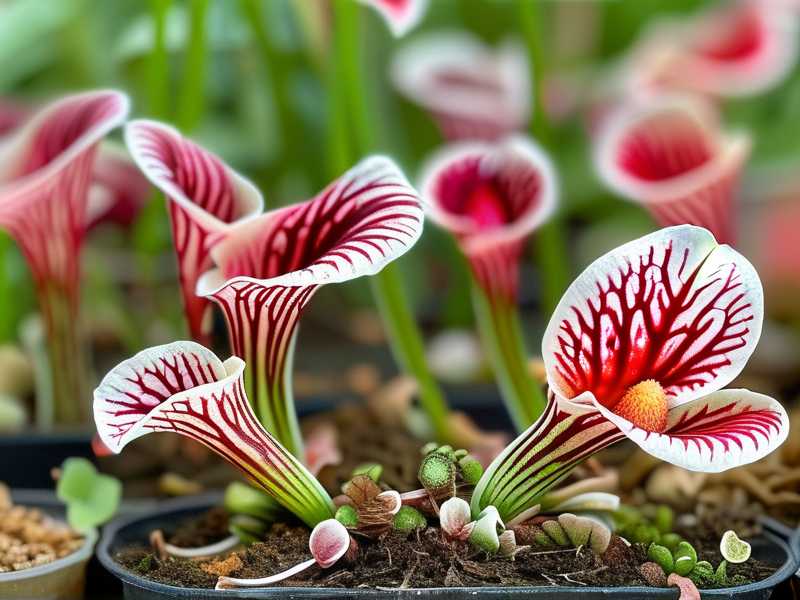
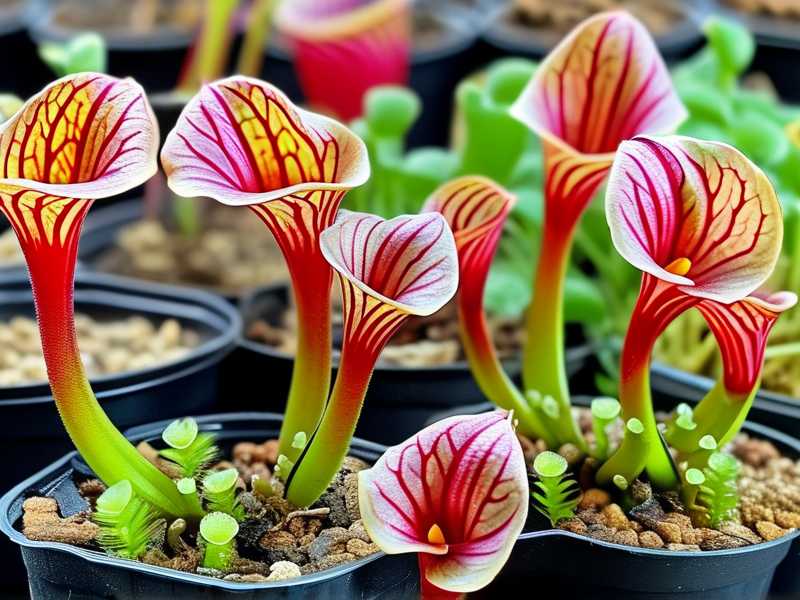
My top recommendation is Sarracenia purpurea, specifically the Sarracenia purpurea subsp. venosa. This is the workhorse of the pitcher plant world. Its pitchers are low-growing, fat, and hooded, designed to catch water and prey in a pool. Why is it perfect for beginners? It's exceptionally cold-hardy, tolerates a slightly wider range of light conditions (though still loves sun), and its growth habit is forgiving. I started with a S. purpurea venosa, and its steady, robust growth gave me the confidence to expand.
A close second is Sarracenia flava (the Yellow Pitcher Plant). It's tall, statuesque, and produces a magnificent show of yellow flowers in spring. It's a sun-worshipper and very hardy. The reason it makes the "easy" list is its straightforward needs and dramatic payoff, which keeps motivation high.
My Two-Week Observation: When I first acquired a S. flava, I placed it alongside my S. purpurea. I logged their progress daily. The purpurea showed new growth almost immediately, a steady unfurling of sturdy pitchers. The flava took about 10 days to show visible new pitcher development, initially causing me worry. However, I observed that its existing pitchers remained perfectly firm and colorful. This taught me that different species have different growth tempos. Patience is not just a virtue; it's a requirement. The flava wasn't struggling; it was simply building up energy for a more dramatic growth spurt, which it delivered spectacularly in the following weeks.
Tip 2: Assess Your Light Conditions Honestly
This is the make-or-break factor. Sarracenia are full-sun outdoor plants. We're talking 6+ hours of direct, unfiltered sunlight daily. More is better. Insufficient light leads to weak, floppy, green pitchers that barely develop red venation and are prone to disease.
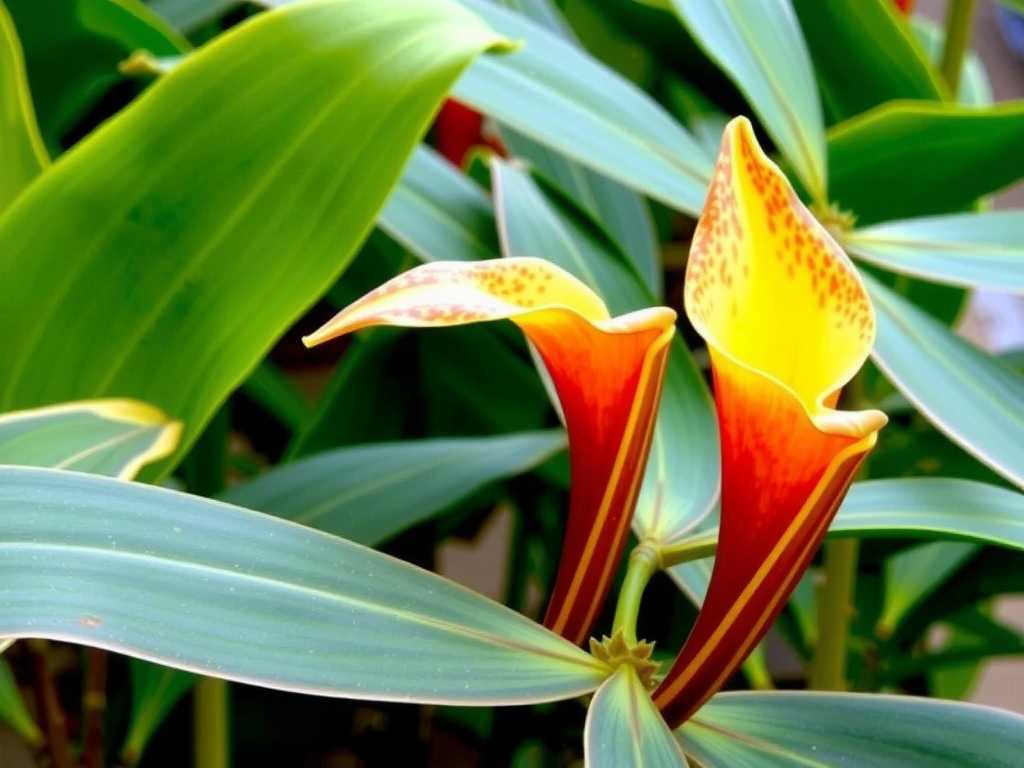
The Pit I Fell Into: I tried keeping a Sarracenia psittacina (Parrot Pitcher) on a very bright, south-facing windowsill. It was "bright" to my human eyes, but the glass filtered out crucial UV intensity. The plant became etiolated—stretched and pale—and produced only small, weak pitchers. It was surviving, not thriving.
The Solution: I moved all my Sarracenia outdoors for the growing season. The transformation was astounding. Within two weeks of being on my sunny patio, the same plants began producing thicker, brilliantly colored, and upright pitchers. The difference was night and day. If you don't have a sunny garden, balcony, or patio, you must invest in a very powerful grow light. As the experts at the International Carnivorous Plant Society (ICPS) state, "Most failures with carnivorous plants can be traced to insufficient light." Let this be your mantra.
Tip 3: Embrace Dormancy – Plan for the Year, Not the Season
You must buy a plant knowing it will need a cold rest period. This is where many beginners get cold feet (pun intended). When selecting your variety, consider your local climate or your plan for providing dormancy.
- If you live in USDA zones 7-8: You're in luck! Many Sarracenia, especially purpurea and flava, can overwinter outdoors with minimal protection.
- For colder climates (zones 5-6): You can use an unheated garage, cold frame, or even mulch the plants heavily in their pots and place them against a sheltered house foundation.
- For warm climates or apartment dwellers: The "fridge dormancy" method is reliable. After a light trim in late fall, place the potted plant (you can use a plastic bag with a few air holes) in the refrigerator for 3-4 months, checking moisture monthly.
Choosing a cold-hardy variety like those mentioned in Tip 1 gives you more dormancy options and peace of mind.
Tip 4: Start with Established Plants, Not Seeds
The allure of growing from seed is strong, but for Sarracenia, it's a test of extreme patience. Seeds require stratification (a cold, damp period), can take months to germinate, and seedlings need 3-5 years to reach maturity.
My Advice: Start with a mature, field-grown division or a robust nursery-grown plant. You get immediate gratification, a plant already acclimated to cultivation, and a much higher chance of first-year success. You're learning care routines on a resilient subject. Look for sellers specializing in carnivorous plants, as their stock is often healthier than mass-market garden centers. The American Sarracenia Society (ASS) is a fantastic resource for finding reputable growers.
Tip 5: Decode the Labels – Avoid Advanced Hybrids at First
Sarracenia hybridize readily, resulting in thousands of stunning named cultivars. While beautiful, some complex hybrids can be less vigorous or have very specific requirements.
Stick to straight species or primary hybrids for your first plant. A label like "Sarracenia x catesbaei" (a natural hybrid of S. flava and S. purpurea) is a great choice—it combines hardiness and beauty. Be wary of jumping straight into a rare, expensive cultivar with a fancy name until you've mastered the basics on a tougher plant. Get your "green thumbs" with the classics first.
Tip 6: Consider Your Water Source from Day One
Sarracenia must sit in low-mineral water. Tap water, bottled drinking water, and softened water are usually fatal due to dissolved salts and minerals that burn their roots.
You must use one of these:
- Rainwater (the best and free option)
- Distilled water
- Reverse Osmosis (RO) water
I use a simple plastic tray under each pot, keeping it filled with about 1-2 cm of rainwater at all times during the growing season. This "tray method" perfectly mimics their boggy habitat. Factor in your reliable access to suitable water when you decide to become a Sarracenia keeper.
Tip 7: Match the Plant to Your Aesthetic and Space
Finally, let's talk about joy. Choose a plant whose form you love.
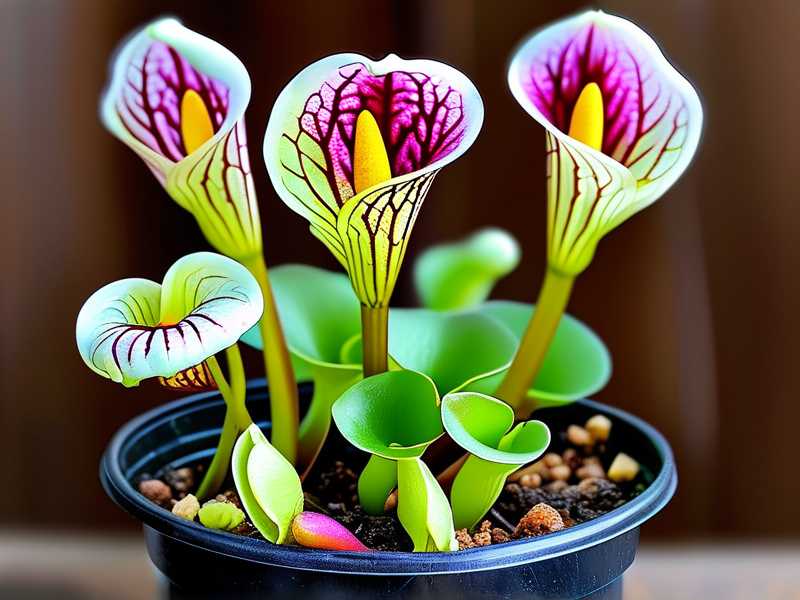
- Do you love tall and trumpet-like? Look at S. flava or S. leucophylla (though the latter can be trickier).
- Prefer low and chunky? S. purpurea is your friend.
- Fascinated by hooded, parrot-beak shapes? A hardy S. psittacina might work with ample light.
Consider the mature size. A S. flava can reach over 3 feet tall, while a S. purpurea stays under a foot. Make sure you have the vertical or horizontal space to let it shine.
My Two-Week Aha Moment: I placed a tall S. flava behind a shorter S. purpurea. Over 14 days, I watched how the sun tracked across them. The tall flava never shaded the purpurea. In fact, the arrangement created a lovely, layered bog effect. This small experiment in "pitcher plant landscaping" doubled my enjoyment and helped me plan future purchases more strategically.
Frequently Asked Questions
Q: Can I keep my Sarracenia indoors year-round? A: It is strongly discouraged and is the leading cause of long-term failure. They will gradually weaken without full outdoor sun and the dormancy trigger provided by seasonal temperature changes. They are outdoor plants that can be enjoyed on a patio, deck, or in a garden.
Q: Do I need to feed my pitcher plant insects? A: No. If grown outdoors, they will catch plenty of prey on their own. Fertilizing them with standard plant food or force-feeding them insects is unnecessary and can harm the plant. Their primary energy source is photosynthesis; insects are supplemental nutrients.
Q: The pitchers on my new plant are turning brown. What am I doing wrong? A: Don't panic! Individual pitchers have a lifespan, typically one season. It's normal for the oldest pitchers to brown and die back, especially in fall or on a newly acclimating plant. As long as the growth point (the center of the plant) is green and firm, and it's producing new pitchers, the plant is healthy. Simply trim off the brown material with clean scissors for aesthetics.
Choosing your first Sarracenia is the beginning of a remarkably rewarding hobby. By starting with a resilient species, committing to providing abundant sun and pure water, and planning for its natural dormancy cycle, you set the stage for success. Remember, these are tough plants from harsh environments; they don't need coddling, they need clarity. Follow these seven tips, learn from your observations, and you'll soon be captivated not just by a plant's beauty, but by the thriving ecosystem you've learned to sustain. Welcome to the fascinating world of pitcher plants.